How Long to Cook Bacon at 400 in the Oven
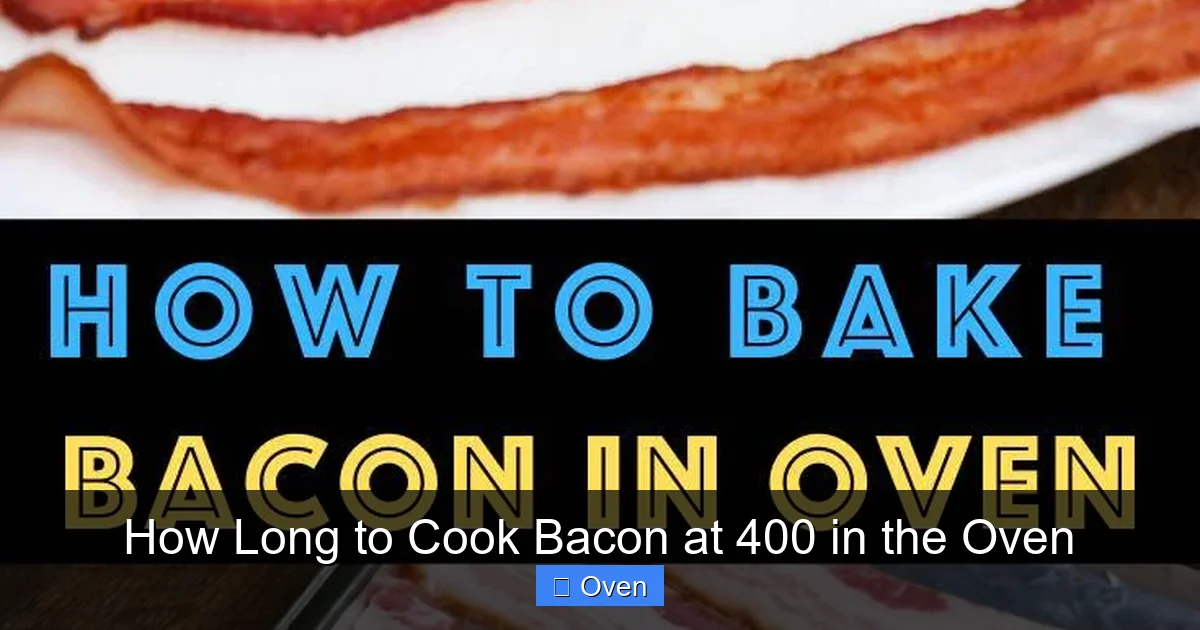
Cooking bacon at 400°F in the oven is fast, hands‑free, and yields perfectly crisp strips every time. Just line a pan, bake for 12‑20 minutes depending on thickness, and let the grease cool for easy cleanup. Follow our step‑by‑step guide for consistent results.
Key Takeaways
- Ideal time range: 12‑20 minutes at 400°F, adjusted for thickness.
- Prep matters: Use a rimmed baking sheet and a wire rack for even cooking.
- Watch the color: Bacon is done when it reaches a deep golden‑brown, not just pink.
- Safety first: Keep the oven door slightly ajar for extra ventilation if you’re using a lot of bacon.
- Cleanup tip: Freeze the leftover grease on the pan for easy removal.
- Reheat easily: Leftover strips reheat in 2‑3 minutes at 350°F or in a skillet.
- Versatile uses: Crumbled bacon makes a great topping for salads, soups, and baked potatoes.
📑 Table of Contents
- Introduction: Why Oven‑Baked Bacon Is a Game Changer
- 1. The Science Behind 400°F: Why This Temperature Works
- 2. Preparing Your Bacon for the Oven
- 3. Step‑by‑Step: How Long to Cook Bacon at 400°F
- 4. Troubleshooting Common Issues
- 5. Beyond Breakfast: Creative Uses for Oven‑Baked Bacon
- 6. Clean‑Up Made Simple
- Conclusion: Mastering Bacon at 400°F
Introduction: Why Oven‑Baked Bacon Is a Game Changer
Imagine waking up to the smell of crispy bacon without standing over a hot stovetop, flipping strips, and splattering grease everywhere. Cooking bacon at 400°F in the oven does exactly that – it’s hands‑free, consistent, and leaves your stovetop clean. Whether you’re feeding a crowd, prepping ingredients for a brunch buffet, or just craving a quick snack, the oven method delivers uniform crispness every time.
In this guide we’ll walk through the exact timing, the best equipment, seasoning ideas, and how to avoid common pitfalls. By the end you’ll know exactly how long to cook bacon at 400 in the oven for any thickness, and you’ll have a handful of pro‑tips that turn a simple breakfast staple into a culinary shortcut.
1. The Science Behind 400°F: Why This Temperature Works
Heat Transfer Basics
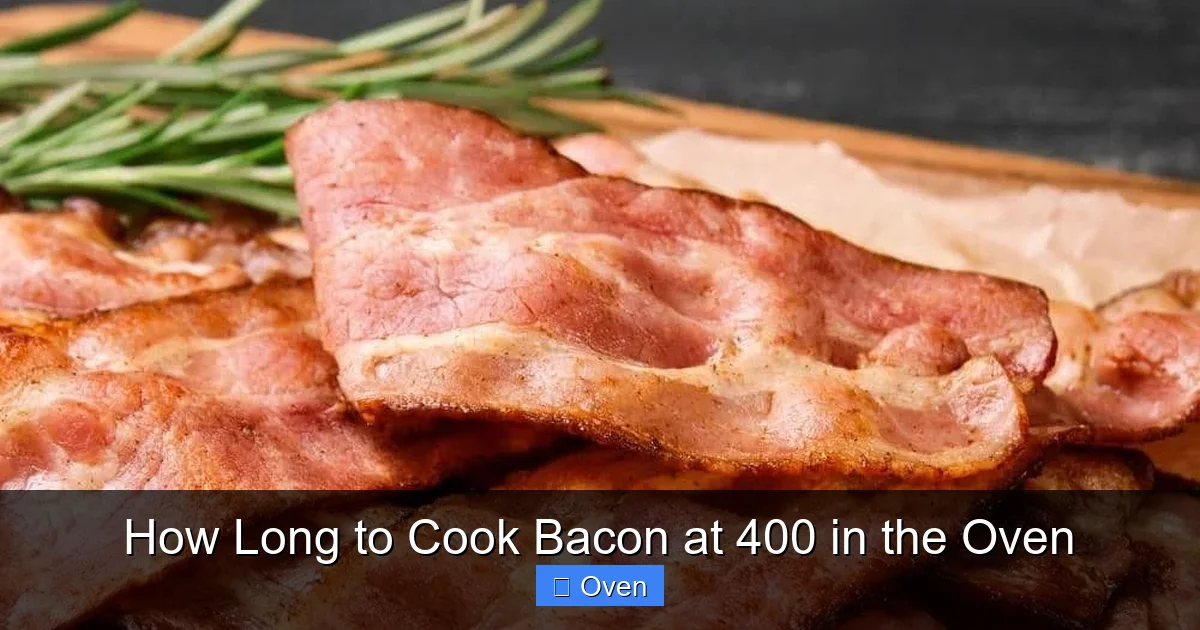
At 400°F (204°C) the oven’s dry heat surrounds each strip, cooking it from all sides. This high temperature renders the fat quickly, allowing the meat fibers to contract and the surface to brown via the Maillard reaction. The result is a crisp edge with a slightly chewy center – the texture most bacon lovers crave.
Visual guide about How Long to Cook Bacon at 400 in the Oven
Image source: insanelygoodrecipes.com
Why Not Higher or Lower?
- Higher than 425°F: The outside can burn before the interior fully renders, especially with thick‑cut bacon.
- Lower than 375°F: The bacon cooks unevenly and stays soggy, requiring a longer bake that can dry out the meat.
Keeping the oven at a steady 400°F strikes the perfect balance between speed and flavor development.
2. Preparing Your Bacon for the Oven
Choosing the Right Cut
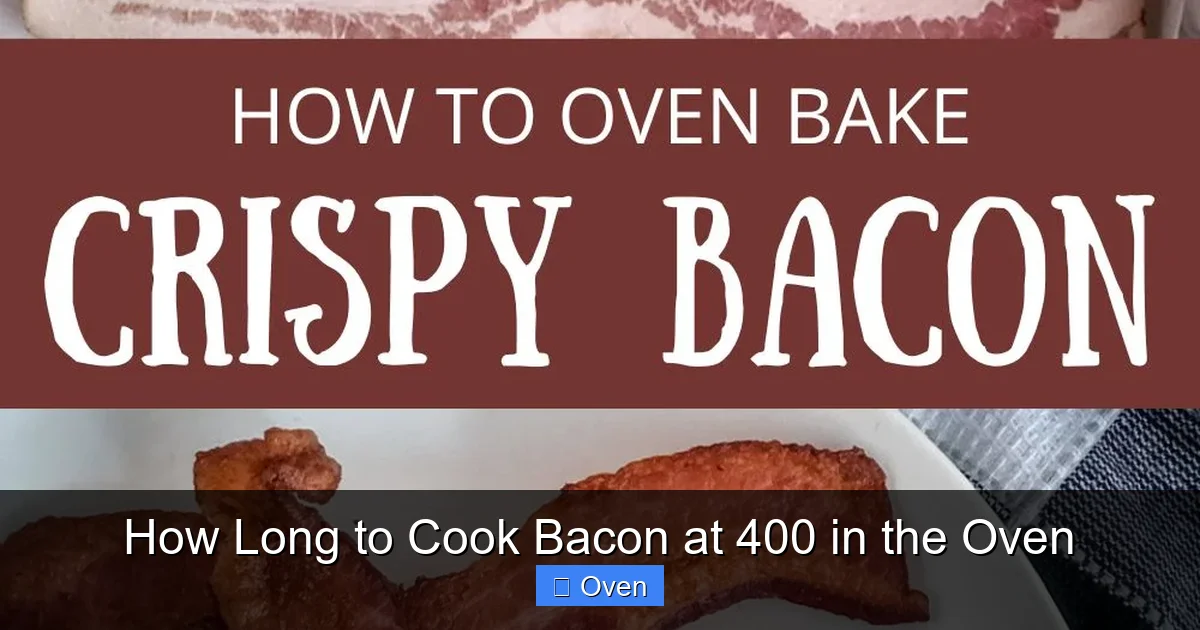
Thin‑cut bacon (about 1 mm thick) reaches crispness in 12‑14 minutes. Thick‑cut (about 3 mm) needs 18‑20 minutes. If you’re unsure, start checking at the 12‑minute mark and adjust from there.
Visual guide about How Long to Cook Bacon at 400 in the Oven
Image source: donuts2crumpets.com
Tools of the Trade
- Rimmed baking sheet: Catches the grease and prevents spills.
- Wire rack (optional): Lifts the strips so fat drips away, giving extra crispness.
- Parchment paper or aluminum foil: Lining the sheet makes cleanup a breeze.
Seasoning & Variations
While bacon is already salty, you can add a light dusting of black pepper, smoked paprika, or a drizzle of maple syrup for a sweet‑savory twist. Sprinkle the seasoning before the bake; the heat will lock it in.
3. Step‑by‑Step: How Long to Cook Bacon at 400°F
Step 1 – Preheat the Oven
Set your oven to 400°F and let it fully preheat (about 10 minutes). A stable temperature is crucial for consistent results.
Visual guide about How Long to Cook Bacon at 400 in the Oven
Image source: bhg.com
Step 2 – Line the Pan
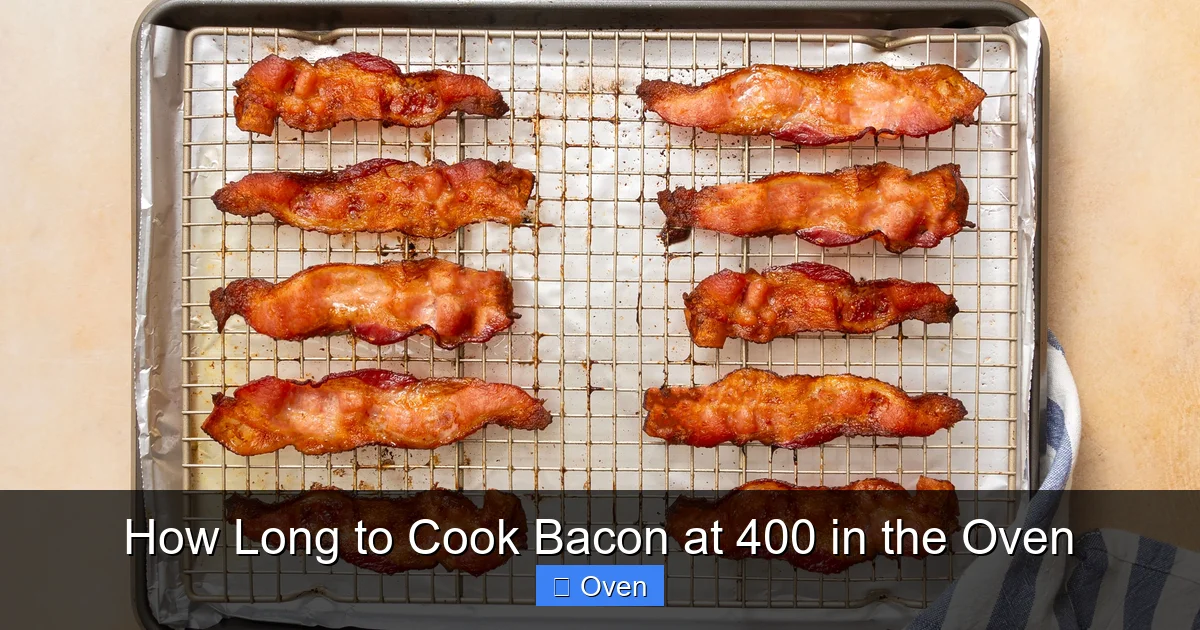
Place a sheet of parchment or foil on a rimmed baking sheet. If you’re using a wire rack, set it on top of the lined sheet.
Step 3 – Arrange the Bacon
Lay the strips in a single layer, leaving a tiny gap between them. Overlapping causes uneven cooking.
Step 4 – Bake and Watch
Insert the sheet into the middle rack. For thin‑cut, start checking at 12 minutes; for thick‑cut, start at 16 minutes. Look for a deep golden‑brown color and a firm texture.
Step 5 – Remove and Drain
When done, use tongs to transfer the bacon to a plate lined with paper towels. This absorbs excess grease.
Timing Summary Table
- Thin‑cut: 12‑14 minutes
- Regular‑cut: 15‑17 minutes
- Thick‑cut: 18‑20 minutes
Remember, ovens vary by a few degrees, so use the visual cue of color rather than the clock alone.
4. Troubleshooting Common Issues
Problem: Bacon Sticks Together
Separate the strips before baking or place a second sheet of parchment on top of the bacon during the first 5 minutes. The steam trapped between the layers prevents them from fusing.
Problem: Too Much Grease
Using a wire rack allows the fat to drip away, reducing sogginess. After baking, let the pan cool and then freeze the solidified grease – it lifts off easily for disposal.
Problem: Burnt Edges, Soft Center
This usually means the oven temperature is too high or the strips are unevenly spaced. Lower the temperature to 375°F for the next batch, or rotate the pan halfway through the bake.
5. Beyond Breakfast: Creative Uses for Oven‑Baked Bacon
Crumbled Bacon Topping
Let the bacon cool, then crumble it over salads, baked potatoes, or avocado toast. The crisp bits add texture and a smoky punch.
Flavor Boost for Soups & Stews
Stir a handful of crumbled bacon into creamy soups (like potato or broccoli) just before serving. The fat enriches the broth without extra butter.
Making Bacon‑Infused Oil
Reserve the hot bacon grease, strain it, and store in a jar. Use a teaspoon to finish sautéed greens or drizzle over popcorn for a gourmet touch.
Related Recipes
If you love the convenience of the oven, you might also enjoy learning how long should bacon cook in the air fryer for an even faster method, or checking out the guide to cooking cauliflower at 400°F for a tasty side that pairs perfectly with bacon‑topped dishes.
6. Clean‑Up Made Simple
Let the Grease Solidify
After the oven cools, the bacon fat will harden on the foil or parchment. Fold the sheet and toss it in the trash – no scrubbing required.
Stovetop Alternative
If you used a regular sheet without foil, pour the warm grease into a heat‑proof container and refrigerate. Once solid, discard or save for future cooking.
Dishwasher‑Safe Tools
Both parchment paper and aluminum foil are disposable, and the wire rack can go straight into the dishwasher.
Conclusion: Mastering Bacon at 400°F
Cooking bacon at 400°F in the oven is the ultimate blend of speed, safety, and flavor. By following the timing guide—12 to 20 minutes depending on thickness—and using a simple setup of a lined baking sheet (or a wire rack), you’ll achieve perfectly crisp bacon with minimal mess. Experiment with seasonings, keep an eye on color, and enjoy the versatile leftovers. Happy baking!
Frequently Asked Questions
How do I know when bacon is perfectly cooked at 400°F?
Look for a deep golden‑brown color and a firm, crisp texture. The edges should be slightly darker, but not blackened.
Can I cook frozen bacon at 400°F?
Yes, but add 2‑3 extra minutes to the total cooking time. Thawing first gives the most even result.
Is it safe to use the same oven temperature for both bacon and vegetables?
Absolutely. Many vegetables (like roasted carrots) also roast well at 400°F, so you can bake them on a separate rack while the bacon cooks.
Do I need to flip the bacon halfway through?
No. The even heat at 400°F cooks both sides simultaneously. Flipping can actually cause splatter.
What’s the best way to store leftover baked bacon?
Place cooled strips in an airtight container with a paper towel to absorb moisture. They stay crisp for up to 4 days in the fridge.
Can I reheat baked bacon without losing crispness?
Yes. Reheat on a preheated baking sheet at 350°F for 2‑3 minutes, or quickly in a hot skillet for extra crunch.