How to Adjust Oven to Air Fryer
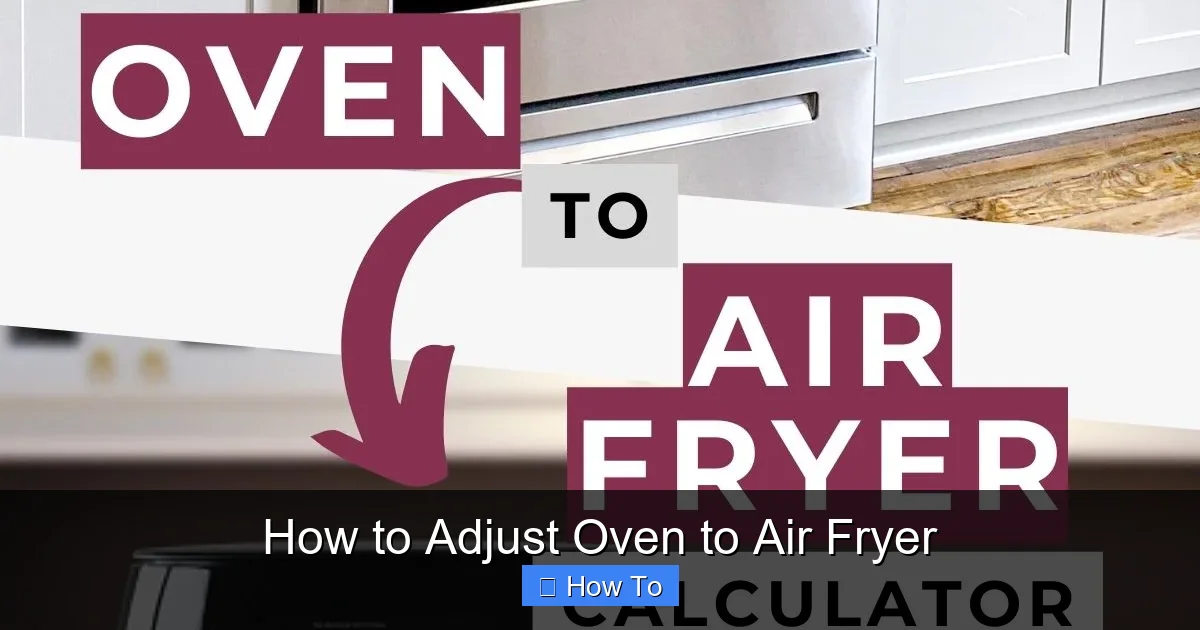
Converting your conventional oven to air fryer mode is easier than you think! By adjusting temperature settings, reducing cooking times, and using specialized accessories like air fryer baskets, you can achieve crispy results without a dedicated air fryer. This guide provides step-by-step instructions, practical tips, and common mistakes to avoid when repurposing your oven for healthy, fast cooking.
Key Takeaways
- Temperature Adjustment: Set your oven to 375°F–400°F (190°C–200°C) for optimal air fry results, slightly lower than traditional air fryer temperatures.
- Time Reduction: Cut cooking times by 20–25% compared to conventional baking to prevent overcooking.
- Equipment Matters: Use an air fryer basket or rack to maximize airflow and achieve that signature crispy texture.
- Preheating Not Required: Skip preheating your oven when using air fry mode for faster meal prep.
- Prep Tips: Shake or flip food halfway through cooking to ensure even browning.
- Avoid Overcrowding: Leave space between food items to allow hot air circulation for crispiness.
- Experiment with Recipes: Try reheating fries, cooking chicken wings, or making roasted vegetables using your oven’s air fry setting.
📑 Table of Contents
Understanding How Air Frying Works
Air frying is a cooking method that uses rapid air circulation to create a crispy exterior on food while keeping the inside tender. Unlike deep frying, which submerges food in oil, air fryers use a heating element and a fan to circulate hot air at high speeds. This process mimics the effect of deep frying with minimal oil, making it a healthier alternative. When you convert your oven to air fryer mode, you’re essentially replicating this rapid-air technique using your oven’s convection setting.
Most modern ovens come with a convection or air fry setting that activates a fan and adjusts the heating elements. However, not all ovens are created equal. Some may require manual adjustments to temperature and time to achieve the same results as a dedicated air fryer. Understanding the basics of how air frying works will help you make the most of your oven’s capabilities.
Why Convert Your Oven to Air Fry Mode?
If you’re new to air frying or don’t own a standalone air fryer, converting your oven is a smart solution. It allows you to enjoy crispy, golden-brown meals without investing in additional appliances. Additionally, using your oven’s air fry setting can be more energy-efficient than running a small air fryer for extended periods. Whether you’re reheating leftovers, cooking vegetables, or preparing proteins, mastering this technique can save time and money.
Temperature and Time Adjustments
Visual guide about How to Adjust Oven to Air Fryer
Image source: loveandotherspices.com
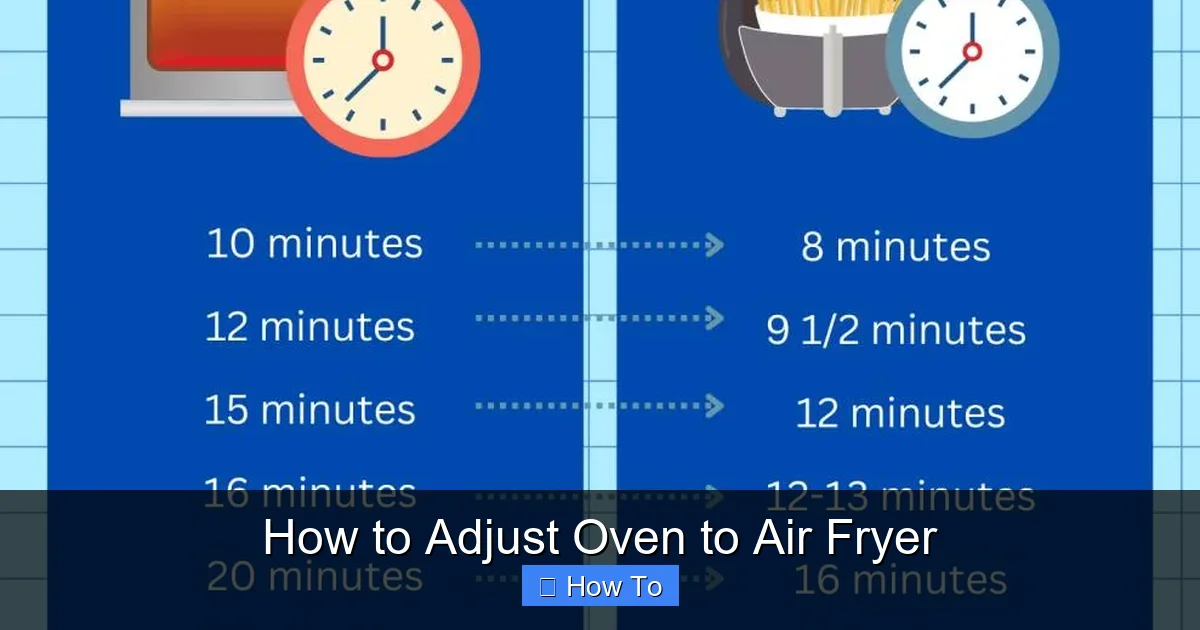
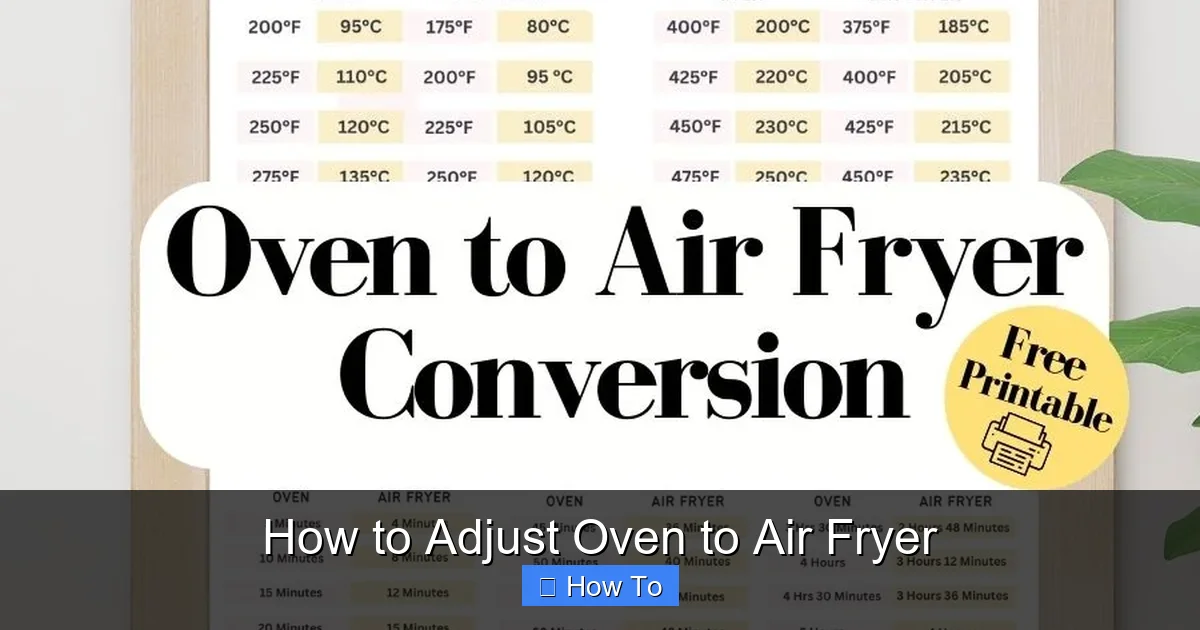
One of the most critical aspects of adjusting your oven to air fryer mode is modifying the temperature and cooking time. Traditional air fryers typically operate at 360°F–400°F (180°C–200°C), while conventional oven baking often uses lower temperatures and longer durations. To adapt, you’ll need to increase the heat and shorten the cooking time.
Reducing Cooking Times
When you switch your oven to air fry mode, expect food to cook 20–25% faster than it would in a standard baking setting. For example, if a recipe calls for 40 minutes of baking at 350°F (175°C), reduce the time to 30–32 minutes when using the air fry setting. This adjustment ensures your food doesn’t overcook or burn. Always check for doneness before the estimated time elapses, especially if you’re new to this method.
Temperature Settings
Start with a temperature between 375°F and 400°F (190°C–200°C) for most air frying tasks. If your oven has an air fry setting, use it as a baseline. If not, activate the convection setting and adjust the temperature accordingly. For delicate items like fish or vegetables, you can lower the temperature slightly to 350°F (175°C) to prevent burning. Conversely, for items like chicken wings or french fries, you may need to increase the temperature to 425°F (220°C) for a crispier exterior.
Equipment and Accessories Needed
Visual guide about How to Adjust Oven to Air Fryer
Image source: the-bella-vita.com
While you can technically use your oven’s air fry setting without additional tools, certain accessories can significantly improve your results. The key is to enhance airflow around your food, which is the essence of air frying.
Air Fryer Baskets and Racks
An air fryer basket or rack helps create the necessary space for hot air to circulate evenly. These accessories fit into your oven and elevate your food slightly, mimicking the design of a traditional air fryer. If you don’t own one, you can check out how to use an air fryer basket in oven for guidance on selecting the right option for your model. A perforated metal rack is ideal for items like chicken wings or vegetable chunks, while a basket works well for smaller portions.
Using Parchment Paper and Aluminum Foil
For easier cleanup and to prevent sticking, line your baking sheet or air fryer basket with parchment paper or aluminum foil. However, avoid covering the entire basket, as this can block airflow. Create holes or use a perforated liner to maintain the air circulation necessary for crispiness. If you’re reheating frozen fries or chicken nuggets, this guide on reheating french fries in an air fryer oven provides useful tips for success.
Cooking Tips and Best Practices
Visual guide about How to Adjust Oven to Air Fryer
Image source: i.pinimg.com
Achieving restaurant-quality crispiness in your oven requires attention to detail. Here are some essential tips to optimize your air fry oven results.
Shake or Flip Halfway Through
Just like in a standalone air fryer, shaking or flipping your food halfway through cooking ensures even browning. This is especially important for items like chicken wings, potato wedges, or Brussels sprouts. Use tongs or a spatula to turn them gently, then resume cooking for the remaining time.
Avoid Overcrowding
Overcrowding your oven or air fryer basket restricts airflow, leading to soggy or unevenly cooked food. Arrange items in a single layer, leaving space between each piece. If you’re cooking a large batch, consider doing it in multiple rounds. For reference, this article on cooking chips in an air fryer oven offers insights into portion sizes and spacing.
Season Just Before Cooking
Add salt and spices to your food right before placing it in the oven. Seasoning too early can draw out moisture, resulting in a less crispy texture. For a flavor boost, toss your ingredients with a light coating of oil—about 1–2 tablespoons per pound of food works well for most recipes.
Common Mistakes to Avoid
Even experienced cooks can make mistakes when converting their oven to air fry mode. Here’s how to sidestep common pitfalls.
Preheating Isn’t Always Necessary
Unlike traditional baking, air frying doesn’t require preheating. Skipping this step saves time and energy. Simply set your oven to the desired temperature and start cooking immediately. If you’re reheating pre-cooked items, like leftover chicken tenders, preheating can actually make them tougher.
Using Too Much Oil
While a small amount of oil helps achieve crispiness, excess oil can make your food greasy. Aim for a light coating—think of it as misting the surface rather than drowning the food. For vegetables, toss them with 1–2 teaspoons of oil per serving. For proteins like chicken or fish, use 1 tablespoon per pound.
Ignoring the Convection Setting
If your oven has a convection setting, always enable it when air frying. The fan is crucial for circulating hot air and creating that crispy texture. If your model lacks a dedicated convection option, you can manually activate the fan (if available) or place the rack in the center for optimal heat distribution.
Recipes to Try
Once you’ve mastered the basics, experiment with these simple recipes to test your oven’s air fry capabilities.
Crispy Chicken Wings
Season chicken wings with salt, pepper, and paprika. Arrange them in a single layer on an air fryer rack. Cook at 400°F (200°C) for 25–30 minutes, flipping halfway through. For extra crispiness, pat the wings dry with paper towels before seasoning.
Roasted Vegetables
Toss broccoli, carrots, or sweet potatoes with olive oil, garlic, and salt. Spread them evenly on a baking sheet lined with parchment paper. Cook at 375°F (190°C) for 15–20 minutes, shaking the pan halfway. These veggies will develop a golden, slightly crunchy exterior while remaining tender inside.
Reheating French Fries
For a quick snack, reheat leftover french fries in your oven’s air fry setting. Spread them in a single layer and cook at 350°F (175°C) for 3–5 minutes, or until crispy. Avoid microwaving, as it makes fries soggy.
Troubleshooting Common Issues
If your food isn’t as crispy as expected, here’s how to fix it:
- Soggy Results: Reduce moisture by patting ingredients dry before cooking. Ensure there’s no overlapping or stacking.
- Uneven Browning: Rotate your baking sheet or basket halfway through cooking. Use a mid rack position for even heat distribution.
- Burning Edges: Lower the temperature by 25°F (15°C) and extend the cooking time slightly.
For more detailed guidance on specific appliance models, check out resources like how to use an LG oven air fryer or how to use a Breville air fryer oven for brand-specific tips.
Frequently Asked Questions
What temperature should I set my oven to when using the air fry setting?
Set your oven to 375°F–400°F (190°C–200°C) for most air frying tasks. If your oven lacks an air fry setting, use convection mode and adjust the temperature accordingly. Start with these ranges and fine-tune based on your specific model’s performance.
Can I use a regular baking sheet instead of an air fryer basket?
Yes, but results may vary. A regular baking sheet works well for items like vegetables or reheating, but it won’t achieve the same crispiness as an air fryer basket or rack. For best results, consider investing in a perforated basket that enhances airflow.
How do I convert cooking time from a regular oven to air fry mode?
Reduce cooking times by 20–25% when using air fry mode. For example, if a recipe calls for 30 minutes of baking at 350°F, cook for 22–25 minutes in air fry mode. Always check for doneness early to avoid overcooking.
Do I need to preheat my oven when air frying?
No, preheating is unnecessary for air frying. Skip this step to save time and energy. Simply set your oven to the desired temperature and start cooking immediately.
What foods work best when air frying in an oven?
Ideal foods include chicken wings, french fries, vegetable chunks, fish sticks, and reheated leftovers. Foods that benefit from a crispy exterior or quick reheating work best. Avoid large, dense items like whole turkeys, as they require longer cooking times and may not crisp evenly.
Can I cook frozen foods in oven air fry mode?
Yes, many frozen foods like french fries, chicken nuggets, and pizza rolls can be air fried. Follow package instructions but reduce cooking time by 5–10 minutes. Shake or flip halfway through for even results. For optimal crispiness, avoid thawing beforehand.