How to Bake Chicken Breast in Oven Without Drying Out

Discover the secret to perfectly moist oven-baked chicken breast. From preheating tips to using a meat thermometer, these easy steps ensure tender, flavorful results without guesswork. Ideal for busy cooks seeking foolproof meals.
Key Takeaways
- Skip overcooking: Aim for 165°F internal temp to prevent dryness.
- Butter or brine: Pre-treat breasts with butter, yogurt, or brine for moisture.
- Rest before slicing: Let chicken sit 5–10 minutes to retain juices.
- Thin-cut magic: Pound breasts to even thickness for uniform cooking.
- Aluminum foil hack: Tent foil over chicken during baking to reduce drying.
📑 Table of Contents
Why Oven-Baked Chicken Breast Often Turns Out Dry
Ever pulled a perfectly seasoned chicken breast from the oven only to find it as tough as cardboard? You’re not alone. Overcooking is the #1 culprit behind dry chicken. When heat penetrates the meat, proteins tighten and squeeze out moisture. Without precise timing or techniques, even the tastiest recipes can backfire. But fear not—with these science-backed strategies, you’ll master juicy chicken breast every time.
Step 1: Choose the Right Chicken Breast
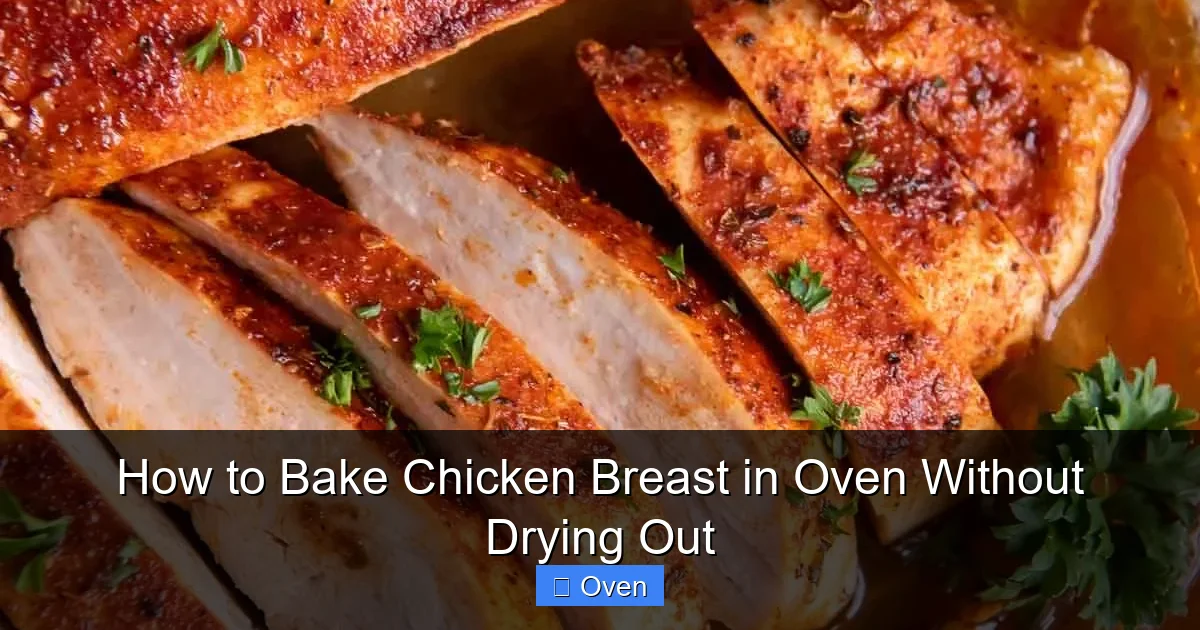
Visual guide about How to Bake Chicken Breast in Oven Without Drying Out
Image source: i0.wp.com
Not all chicken breasts are created equal. Opt for boneless, skinless breasts for easier prep, but don’t skip the skin if you’re using it as a moisture shield. Skin-on breasts retain more fat, which keeps meat tender. If using skinless, pound them to ¼-inch thickness—this ensures even cooking. Thick breasts often dry out on the outside before the center cooks through. Pro tip: Use a meat mallet or rolling pin to flatten them uniformly.
Why Thickness Matters
Thin breasts cook faster, reducing the risk of overcooking. For example, a ½-inch thick breast takes 20–25 minutes at 375°F (190°C), while a 1-inch thick one needs 30–35 minutes. Consistency is key—use a meat thermometer to confirm doneness without relying on time alone.
Step 2: Prep for Moisture Retention
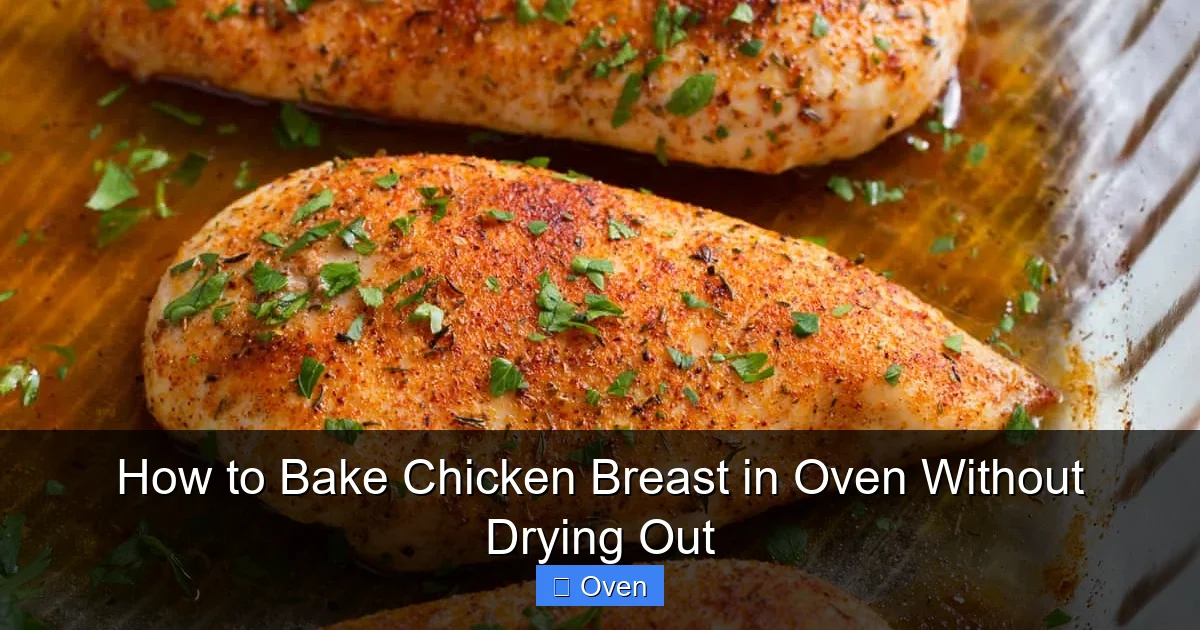
Visual guide about How to Bake Chicken Breast in Oven Without Drying Out
Image source: cookingclassy.com
Seasoning isn’t just about flavor—it’s about moisture. Before baking, marinate or brine your chicken. A simple brine of salt and water (or a yogurt-based marinade) infuses meat with juiciness. For a quick fix, brush breasts with melted butter or olive oil before baking. This creates a barrier that locks in moisture.
Butter vs. Brine: Which Wins?
Butter adds richness and prevents sticking to the pan, while brine penetrates deeper for tender results. If short on time, mix 2 tbsp olive oil, 1 tbsp lemon juice, and herbs for a rub. Apply generously to the breast’s surface before baking.
Step 3: Master the Oven Setup

Visual guide about How to Bake Chicken Breast in Oven Without Drying Out
Image source: beatthebudget.com
Preheat your oven to 375°F (190°C)—this balances speed and tenderness. Place breasts on a wire rack set over a baking sheet. The rack allows hot air to circulate, cooking the chicken evenly. Avoid placing them directly on the pan, which traps steam and risks sogginess.
Why Wire Racks Work Wonders
A wire rack elevates the chicken, letting juices drip below while crisping the exterior. If you don’t have one, use a cooling rack or oven-safe trivet. Skip parchment paper—it can’t handle high heat and may burn.
Step 4: Bake with Precision
Bake breasts for 20–25 minutes, then check their temperature. Insert a meat thermometer into the thickest part—no bone!—and wait for 165°F (74°C). Overcooking by just 10°F can make chicken tough. For extra juiciness, tent breasts with aluminum foil during the last 10 minutes of cooking to reduce surface drying.
Visual Cues for Doneness
If you lack a thermometer, press the breast. It should feel firm but slightly springy. Avoid cutting into it—juices will run clear when fully cooked. When in doubt, undercook slightly and finish under the broiler for 2–3 minutes.
Step 5: Rest and Serve
Let cooked chicken rest for 5–10 minutes before cutting. This allows juices to redistribute, preventing them from spilling onto your plate. Serve with sides like roasted veggies or rice to soak up the delicious drippings.
Common Mistakes to Avoid
– Skipping the rest: Slicing too soon = juicy meat everywhere but your fork.
– Overcrowding the pan: Give each breast space to breathe.
– Using high heat: Baking at 400°F (200°C) sears the outside, leaving the inside raw and dry.
Bonus Tips for Extra Juiciness
– Add aromatics: Stuff a halved lemon or garlic clove under the breast before baking.
– Baste halfway: Brush with pan drippings or broth during cooking.
– Pair with sauces: A yogurt-tzatziki or honey-mustard drizzle masks dryness and adds flavor.
Why This Method Works
Combining proper seasoning, precise cooking times, and resting creates a triple-threat against dryness. The butter/brine pre-treatment hydrates the meat, the oven’s consistent heat cooks it evenly, and resting locks in moisture. Plus, the thermometer ensures you never guess at doneness again.
Internal Links for Further Reading
- How to Cook Frozen Chicken Fingers in the Air Fryer
- How Long to Cook Boneless Chicken Breast in Air Fryer
- How to Make Chicken Flavored Rice in a Rice Cooker
Frequently Asked Questions
Can I bake chicken breast at a lower temperature?
Yes! Baking at 350°F (175°C) for 30–40 minutes works well, but use a thermometer to avoid overcooking. Lower heat slowly tenderizes the meat without drying it out.
How do I keep chicken breast moist without butter?
Try a yogurt marinade—mix Greek yogurt, lemon juice, garlic, and herbs. Yogurt’s enzymes break down proteins, keeping chicken tender. Alternatively, brine with salt and water for 30 minutes before baking.
What if my chicken breast is already dry?
Rescue it by slicing thinly and serving with a creamy sauce or gravy. For leftovers, reheat in a skillet with a splash of broth or butter to add moisture.
Can I use an air fryer instead of an oven?
Absolutely! Preheat your air fryer to 375°F (190°C) and cook breasts for 10–12 minutes per side. Check the internal temp to ensure doneness. Learn exact timing here.
How do I store leftover baked chicken breast?
Let it cool, then wrap tightly in foil or store in an airtight container. Refrigerate for up to 4 days or freeze for 3 months. Reheat in the oven or air fryer for best results.
What’s the best seasoning for juicy chicken breast?
Keep it simple: salt, pepper, garlic powder, and paprika. For extra flavor, add herbs like rosemary or thyme. A squeeze of lemon juice before baking brightens the taste without adding moisture.
“`