How to Bake Frozen Pizza in the Oven
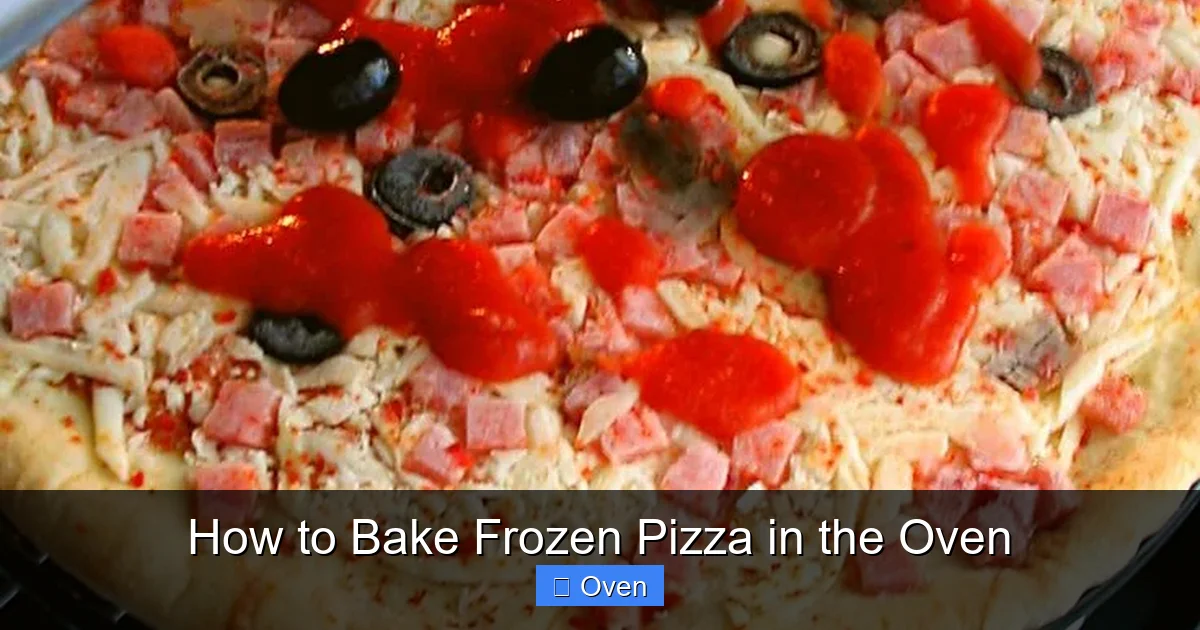
Baking frozen pizza in the oven is a quick and easy meal solution when done right. Preheat your oven to the recommended temperature, place the pizza directly on the rack, and avoid thawing for the best texture. With these simple steps, you’ll achieve a crispy crust and gooey cheese every time.
[Featured Image Placeholder]
Key Takeaways
- Preheat Your Oven: Always preheat to the correct temperature for even cooking and a crispy crust.
- Use the Right Temperature: Most frozen pizzas cook best between 400°F and 450°F, but check the package.
- Do Not Thaw: Bake the pizza straight from frozen to maintain the crust’s texture and prevent sogginess.
- Check Cooking Time: Cooking time varies by size and thickness; start checking 5 minutes early.
- Avoid Overcrowding: Place the pizza on the middle rack for optimal heat circulation.
- Monitor Toppings: Keep an eye on cheese and toppings to prevent burning.
- Cool Before Serving: Let the pizza rest for a few minutes to avoid burns and set the cheese.
📑 Table of Contents
Introduction: The Convenience of Frozen Pizza
There’s something undeniably appealing about a piping hot pizza waiting in your freezer, ready to be transformed into a satisfying meal in minutes. Whether you’re craving a quick lunch, feeding a crowd, or just in need of comfort food, frozen pizza is a pantry staple for a reason. But here’s the thing: not all frozen pizzas are created equal when it comes to baking. The difference between a soggy crust and a perfectly crispy one often comes down to technique. In this guide, we’ll walk you through the best practices for baking frozen pizza in the oven, ensuring that every slice is as good as the day it was made.
Choosing the Right Oven Temperature
The temperature at which you bake your frozen pizza is crucial. Too low, and you’ll end up with a limp crust and undercooked toppings. Too high, and the outside will burn before the inside is heated through. Most frozen pizzas recommend a temperature between 400°F and 450°F. However, the exact temperature can vary depending on the brand and type of pizza. For example, thin-crust pizzas often require higher temperatures to achieve that perfect crispiness, while thicker crusts might benefit from a slightly lower temperature to ensure the inside cooks thoroughly.
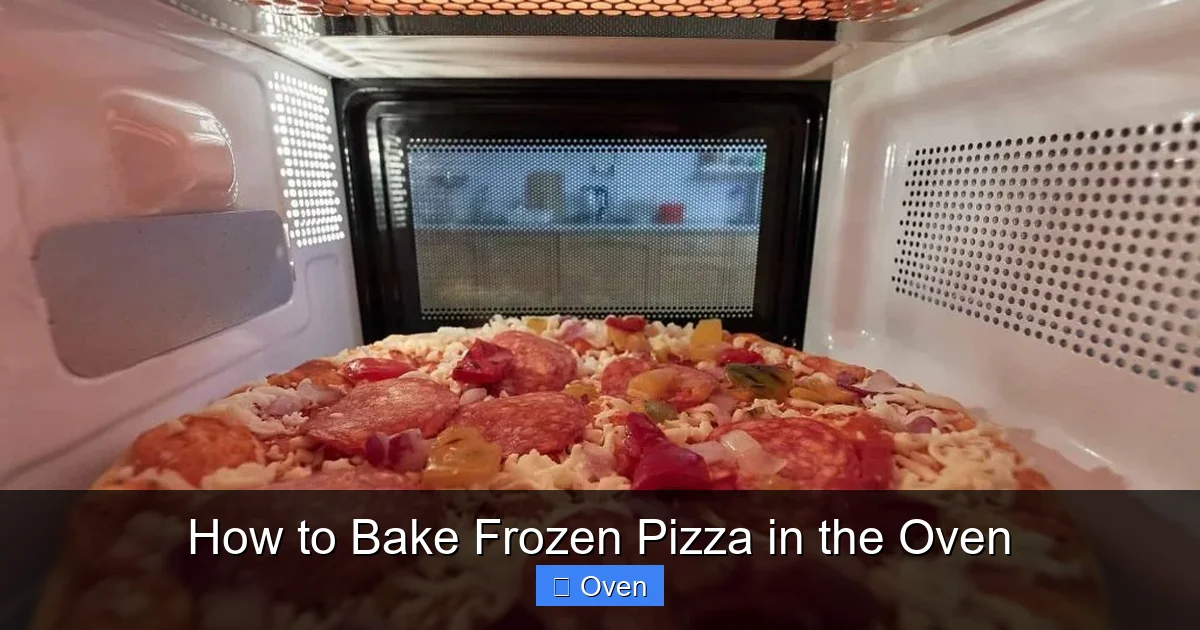
Visual guide about How to Bake Frozen Pizza in the Oven
Image source: cuisineseeker.com
Understanding Your Pizza’s Requirements
Before you start preheating, take a moment to check the instructions on your pizza box. Some brands provide specific temperature recommendations, while others might suggest a range. If the instructions are unclear, a good rule of thumb is to start with 425°F. This temperature has proven to be a reliable middle ground for most frozen pizzas. If you’re still unsure, you can always test a small slice first to see how it turns out. This way, you can adjust the temperature for future pizzas based on your preferences.
Preheating Your Oven Properly
Preheating your oven is one of the most important steps in achieving a perfectly baked frozen pizza. When you place the pizza in a cold oven, the heating process becomes uneven, leading to a less crispy crust and potentially undercooked toppings. A properly preheated oven ensures that the heat is immediately transferred to the pizza, creating that desirable crispy texture.
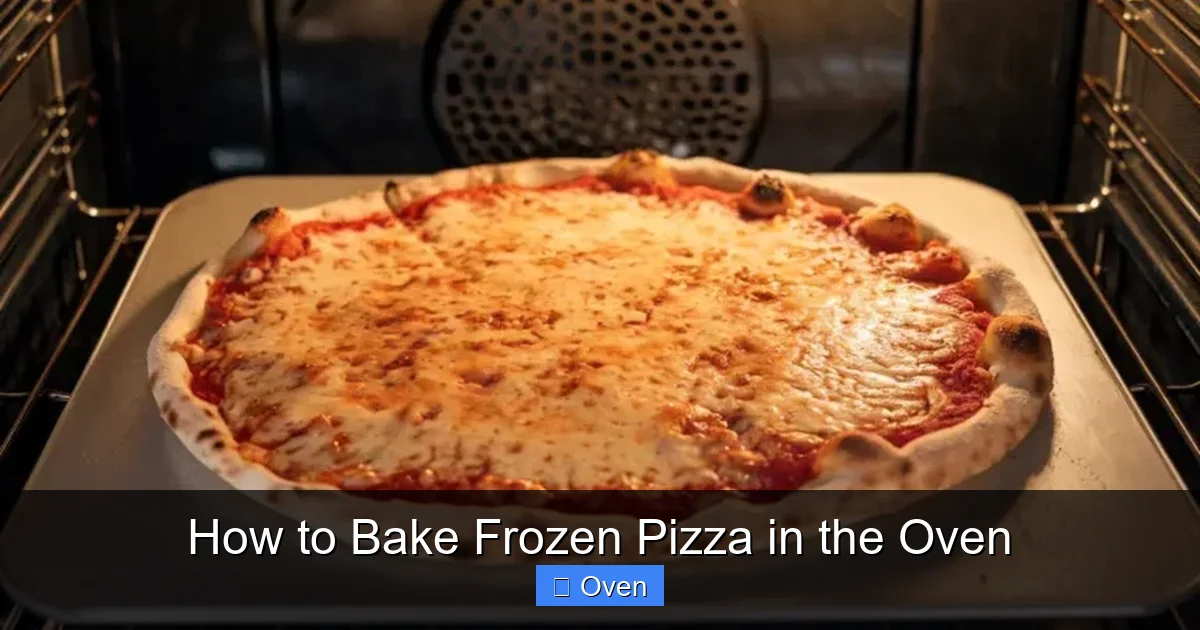
Visual guide about How to Bake Frozen Pizza in the Oven
Image source: pizzablab.com
How Long to Preheat
While many people set their oven timer for 10-15 minutes, it’s actually the temperature that matters most. Once your oven reaches the desired temperature, give it an additional 5 minutes to ensure the walls and racks are fully heated. This extra time allows the oven to stabilize and provides consistent heat distribution. If you’re short on time, you can speed up the process by turning your oven to the highest setting for a few minutes before reducing it to the correct temperature. Just make sure to verify that the temperature has stabilized before inserting the pizza.
Preparing the Pizza for Baking
Once your oven is preheated, it’s time to prepare your frozen pizza for baking. One of the most common mistakes people make is thawing the pizza before baking. While this might seem like a good idea, it can actually lead to a soggy crust. Instead, keep the pizza in its frozen state until it goes into the oven. This helps maintain the crust’s texture and ensures even cooking.
Visual guide about How to Bake Frozen Pizza in the Oven
Image source: recipes.net
Choosing the Right Pan or Rack
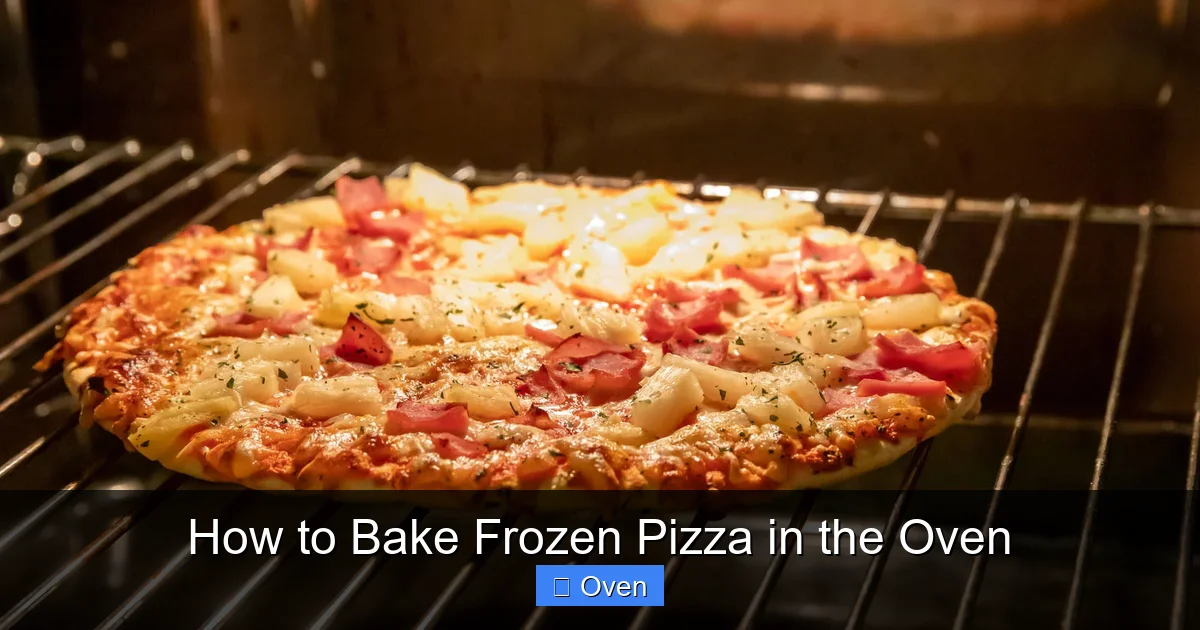
Depending on your pizza’s thickness and your preference for crispiness, you can bake it on a pizza stone, a baking sheet, or directly on the oven rack. A pizza stone is excellent for creating a crispy crust, as it absorbs moisture and distributes heat evenly. A baking sheet works well for most situations and is easy to clean. For the crispiest results, placing the pizza directly on the oven rack can enhance the bottom crust’s texture, but be cautious as this method requires careful monitoring to prevent burning.
Monitoring Cooking Time and Doneness
Every frozen pizza is slightly different, so it’s essential to monitor the cooking process rather than relying solely on the time printed on the box. Generally, smaller pizzas or those with thinner crusts will cook faster, while larger or thicker pizzas will require more time. Start checking the pizza about 5 minutes before the recommended cooking time to avoid overcooking.
Signs Your Pizza Is Done
The cheese should be fully melted and slightly golden, with bubbling edges indicating that it’s heated through. The crust should be a deep golden brown, especially around the edges. If you’re unsure, you can carefully lift a corner of the pizza with a spatula to check the bottom. The bottom should be crispy and browned, not pale or soggy. Remember that the pizza will continue to cook slightly after you remove it from the oven, so it’s better to err on the side of undercooking slightly.
Adding Extra Toppings or Finishing Touches
While frozen pizza is delicious on its own, you can elevate it with a few extra touches. If you’re a fan of fresh ingredients, consider adding some fresh herbs, arugula, or a drizzle of olive oil after baking. For those who enjoy a bit of heat, sprinkling some red pepper flakes or sliced jalapeños before baking can add the perfect kick.
Pairing with Side Dishes
Frozen pizza makes a complete meal on its own, but pairing it with a side dish can turn it into a more well-rounded dinner. A simple green salad with a light vinaigrette complements the richness of the pizza perfectly. If you’re in the mood for something heartier, consider making a batch of frozen french fries in the oven as a side. The salty, crispy fries are a classic pairing that never fails to satisfy. For a more filling option, you could also prepare a side of russet potatoes baked in the oven, which can be seasoned to match your pizza’s flavor profile.
Safety Tips and Final Considerations
When baking frozen pizza, safety should always be a priority. Use oven mitts when handling hot pans or pizzas, and be careful when opening the oven door, as hot air will escape and could cause burns. If you’re cooking multiple pizzas, avoid overcrowding the oven, as this can lead to uneven cooking and potential smoke.
Storage and Leftovers
If you have leftover pizza, store it properly to maintain its quality. Allow the pizza to cool completely before wrapping it tightly in plastic wrap or aluminum foil. You can store it in the refrigerator for up to four days or in the freezer for up to two months. Reheating leftover pizza in the oven is preferable to a microwave, as it helps restore the crust’s crispiness. Set your oven to a low temperature (around 250°F) and heat the pizza for about 10-15 minutes to avoid overcooking.
Frequently Asked Questions
Can I bake frozen pizza without preheating the oven?
While it’s technically possible to bake frozen pizza in a cold oven, preheating is highly recommended for the best results. Preheating ensures even cooking and helps achieve a crispy crust. If you’re short on time, you can start the pizza in a cold oven and then turn the heat on, but the results may not be as satisfying.
Do I need to thaw frozen pizza before baking?
No, it’s best to bake frozen pizza straight from the freezer. Thawing can make the crust soggy and lead to uneven cooking. The frozen state helps maintain the crust’s texture and ensures that the pizza cooks evenly throughout.
What temperature is best for baking frozen pizza?
Most frozen pizzas cook best between 400°F and 450°F. The exact temperature can vary depending on the brand and type of pizza, so always check the instructions on the package. If you’re unsure, starting with 425°F is a safe bet for most varieties.
How long does it take to bake frozen pizza?
Cooking time varies depending on the size and thickness of the pizza, typically ranging from 12 to 20 minutes. Always check the instructions on the package, and start checking the pizza a few minutes before the recommended time to prevent overcooking.
Can I add extra cheese or toppings to frozen pizza?
Yes, you can add extra toppings before baking. However, be mindful not to overload the pizza, as this can affect cooking time and texture. Fresh herbs or additional cheese can be added in the last few minutes of baking for the best results.
What’s the best way to reheat leftover frozen pizza?
The best way to reheat leftover frozen pizza is in the oven. Set your oven to a low temperature (around 250°F) and heat the pizza for about 10-15 minutes. This method helps restore the crust’s crispiness, unlike a microwave, which can make the crust chewy.