How to Clean Inside of Air Fryer Oven
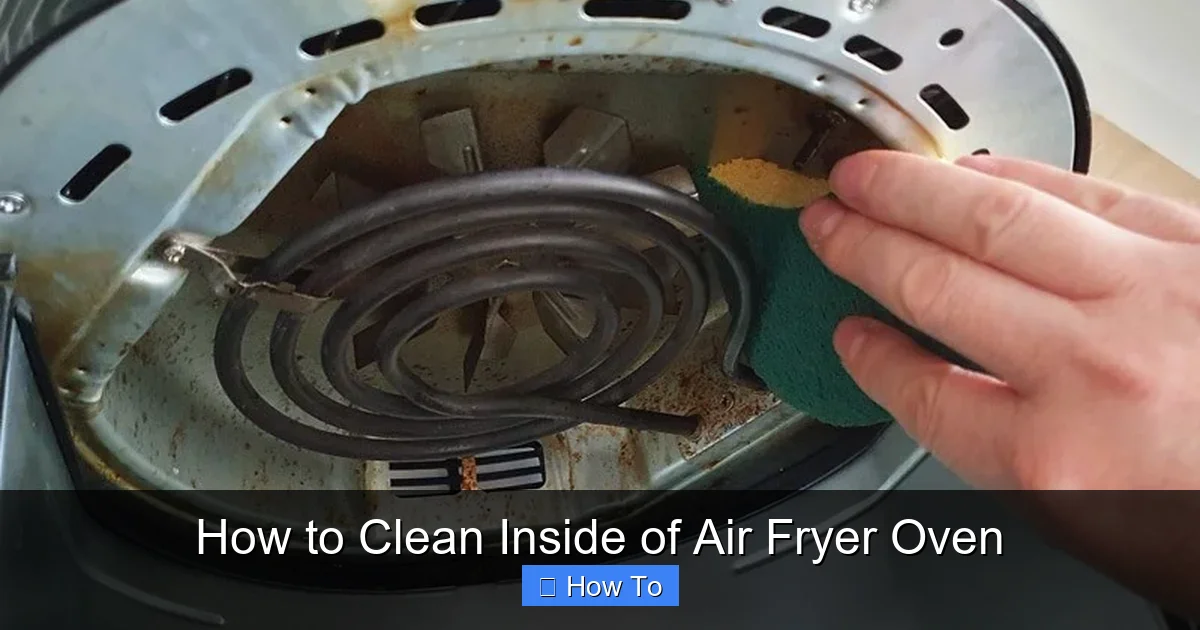
Cleaning your air fryer oven inside is simpler than you think! Follow these safe methods to eliminate grease, remove stubborn food particles, and keep your appliance smelling fresh. Proper care extends your oven’s lifetime and ensures delicious, healthy meals every time.
Air fryers have become a staple in modern kitchens because they deliver restaurant-quality results in a fraction of the time traditional ovens require. Yet many owners overlook the importance of regular cleaning despite knowing the powerful technology inside. Your air fryer oven works hardest when it stays spotless, and ignoring this simple maintenance task can lead to poor cooking quality and premature wear.
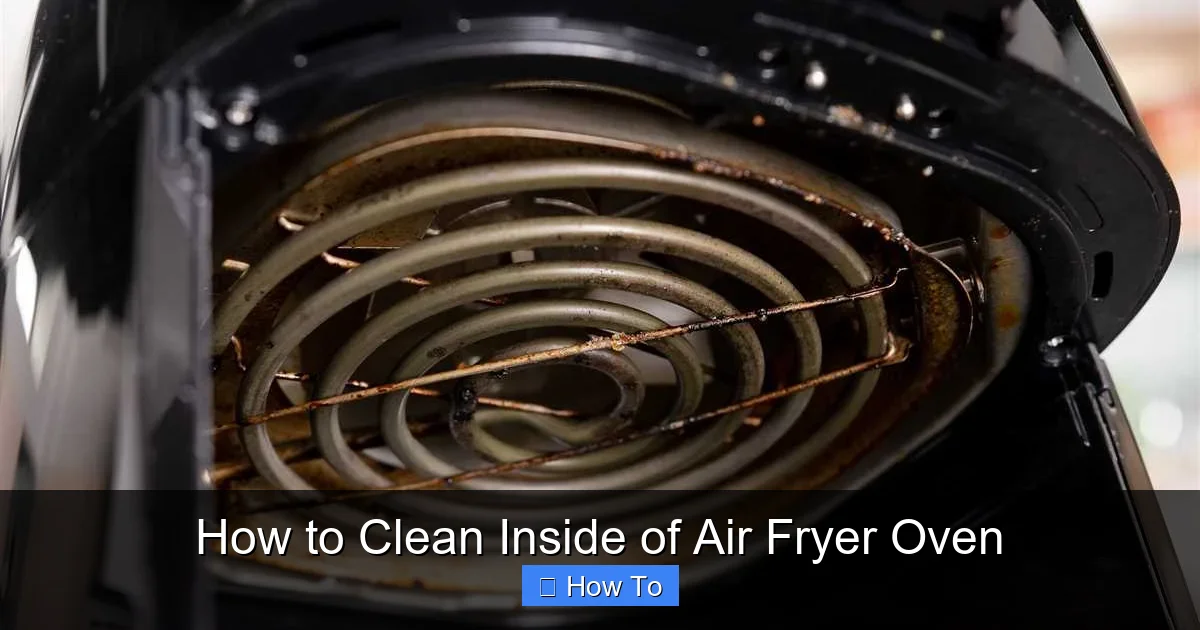
Built-up grease and food particles don’t just look messy. They create a breeding ground for bacteria and can alter the flavor profile of your dishes. Imagine trying to enjoy perfectly golden fries when they carry a faint stale smell. Moreover, excessive residue insulates the heating element, forcing your air fryer to work harder and potentially causing energy inefficiency. The good news is that restoring your oven to working condition takes only a few minutes each week.
Key Takeaways
- Use safe, non-abrasive tools like soft sponges and nylon brushes instead of metal scrapers to avoid scratching the surface.
- Clean regularly after every use to prevent buildup and maintain optimal performance.
- Try baking soda solutions as a natural degreaser that lifts stuck-on food without harming coatings.
- Unplug before scrubbing to ensure complete safety and prevent electrical hazards.
- Address hardened residue early to save time and avoid destructive grinding.
- Follow manufacturer guides for specific model recommendations and warranty protection.
📑 Table of Contents
Why Cleaning Is Important
Regular maintenance transforms your air fryer oven from a functional appliance into a reliable cooking companion. Consider the cumulative effect of neglected cleaning over a year or two. Grease clinging to the interior walls gradually conducts less heat efficiently, leading to uneven browning on your roasted vegetables or undercooked burger patties. In addition, trapped food scraps harbor moisture that breeds mold and mildew, especially in humid climates.
From a health perspective, the cooking chamber becomes a small reservoir for germs whenever debris accumulates. A thorough clean removes these pathogens before they transfer to your hands or your next meal. Beyond hygiene, consistent cleaning preserves the integrity of your appliance’s components. Heating elements and ventilation fans operate better when free of obstructions, translating to faster preheats and shorter cooking cycles. Your investment in culinary convenience pays off when you enjoy smooth, fast, and nutritious meals without compromise.
Tools and Materials You Need
Preparing the right equipment makes the entire cleaning process smoother and safer. Start with a set of microfiber sponges and a nylon brush designed for kitchen use. Both materials lift dirt without scratching delicate coatings found on modern air fryer ovens. Baking soda stands out as the most versatile ingredient for removing stuck-on food—it’s mild enough for daily use yet potent enough for deep cleanup.
White vinegar provides excellent odor elimination and cuts through lipid-based grimes that water alone struggles with. Mix both ingredients into separate solutions depending on the job at hand. A warm bucket of water combined with a splash of mild dish soap serves as a gentle pre-rinse for frequently used trays. If you have access to a steam cleaner attachment, it adds another option for extra power without harmful chemicals.
For rare instances requiring industrial-grade cleaning, look for commercial fire-resistant cleaners formulated specifically for air fryer components. Always keep these alternatives nearby but remember that household staples rarely outperform purpose-built solutions. Organizing your toolkit beforehand turns what could be a chore into a quick five-minute ritual.
Removing Grease and Sticky Residue
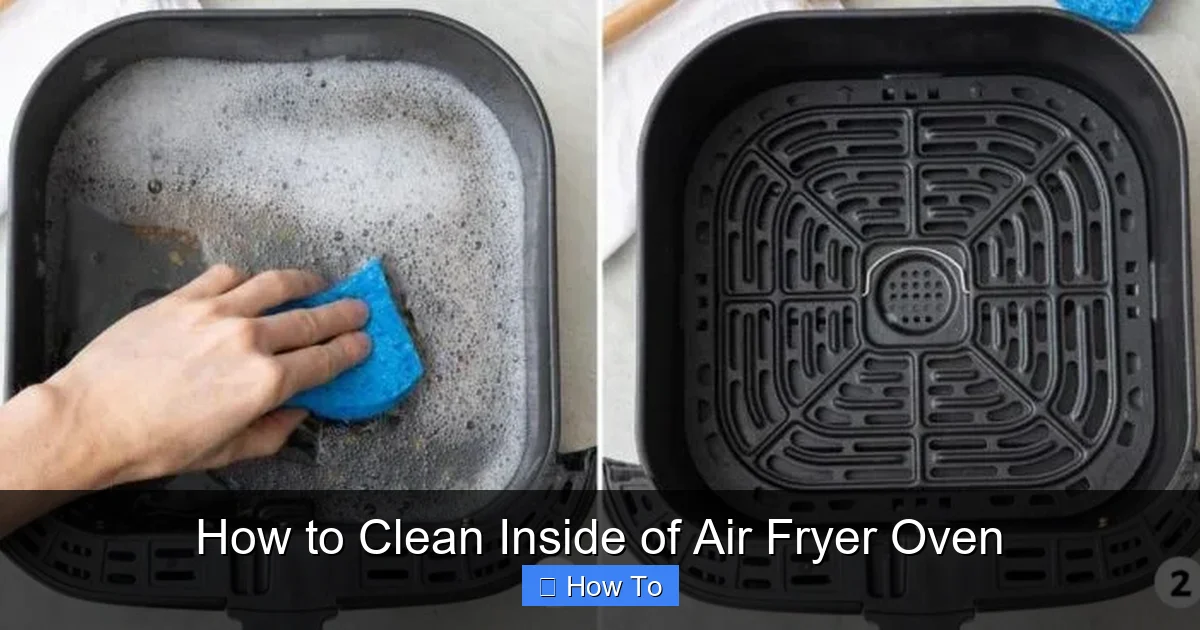
Grease accumulation represents the most persistent challenge in maintaining an air fryer oven. The simplest initial step involves wiping loose crumbs with a damp cloth before tackling the actual buildup. Once the surface is clear, create a thick paste by combining equal parts baking soda and water. Apply this mixture evenly across the interior walls and let it sit for at least ten minutes—this extended dwell time allows the alkaline properties to break down fatty compounds.
After the waiting period, scrub gently using your non-abrasive sponge. Focus on corners and tight spaces where grease tends to pool. The powdered baking soda acts as a mild abrasive that lifts stuck-on food without gouging the interior. Rinse thoroughly with warm water to remove all residue, then dry with a clean towel. For particularly oily containers like the basket compartment, follow this same method but allow an additional ten minutes of contact time for maximum effectiveness.
Alternative to baking soda, you can use distilled white vinegar diluted with water. The acidity dissolves mineral deposits and neutralizes odors. Apply with a cloth, let sit for five minutes, then wipe clean. While vinegar won’t remove as much embedded grease as baking soda, it excels at eliminating lingering smells and disinfecting surfaces.
Scrubbing the Interior Safely
Choosing the right tool determines whether you achieve a pristine result or cause lasting damage. Steel wool, even fine grade, should never touch an air fryer interior. Those tiny particles embed themselves in coatings, creating rough spots that attract more grime over time. Stick exclusively to soft-bristled brushes or nylon pads for all interior work.
Begin with the upper compartments where food falls straight down. Work systematically from top to bottom, allowing gravity to assist in dropping debris. When reaching the lower tray area, tilt the device slightly to release accumulated crumbs. Use light pressure—your goal is to loosen, not abrade—to prevent thermal shock from extreme temperatures.
Pay special attention to the grill grate and rack supports. These metal components can retain significant carbonization over repeated use. Wipe them with a damp cloth soaked in the baking soda solution, then rinse and dry thoroughly. Never use boiling water directly on heating elements; wait until the unit is completely cool before applying any liquid treatment. This precaution protects both your appliance and your safety.
Tackling Hardened Food Particles
Some foods transform into nearly indestructible mixtures after prolonged cooking. Charred onion skins, dried-out meat drips, and overly salty vegetable leftovers can fuse together into rock-hard masses. The secret lies in patience and proper hydration. Submerge the affected area in a large container of warm water with a generous handful of baking soda overnight.
The solution works through two mechanisms: the mild abrasiveness begins breaking down the food matrix, while the alkalinity neutralizes acidic components that hold the solidification. After soaking, drain the water and continue scrubbing with your sponge. If resistance persists, switch to a soft toothbrush for targeted agitation. Do not use hot water during this phase, as temperature extremes can damage plastic or epoxy seals.
For items that have remained stubborn for multiple days, employ the steam method cautiously. Set your air fryer to its lowest heating setting and introduce a small amount of water—enough to barely fill the basket. Allow the moist heat to work for five to seven minutes while shaking the appliance occasionally. The steam loosens deeply embedded particles, making mechanical removal far easier.
Once the hardened residue loosens, wipe it away with the baking soda paste. Repeat the soaking cycle if necessary. The key principle remains constant: time and gentle persistence defeat even the toughest buildup without risking damage.
Maintenance Routine and Long-Term Care
Establishing a consistent cleaning schedule is far more beneficial than sporadic intensive scrubs. Begin with a quick daily wipe-down after every cooking session. A thirty-second pass with a damp microfiber cloth prevents food from drying and adhering firmly. This minimal effort maintains hygiene and prevents buildup from accumulating beyond manageable levels.
Monthly deep cleans deserve more attention. During this visit, dedicate twenty minutes to removing all removable components and scrubbing them separately. Check the heating element housing for dust and replace filters if needed. Ninja models, for instance, benefit from following their specific aftercare protocols outlined in the owner’s manual.
Quarterly checks involve examining the vent openings and exhaust system. Dust trapped here reduces airflow and increases energy consumption noticeably. Open the grille and blow compressed air or vacuum gently to clear passages. This seasonal maintenance routine complements your regular cleaning and keeps your air fryer operating at peak performance year-round.
Consider investing in a silicone air fryer liner specifically designed for easy removal and washing. Many brands offer replaceable liners that can be swapped out annually. This simple substitution reduces friction and makes daily cleaning virtually effortless. Additionally, store your appliance in a dry location to discourage mold growth on exterior panels and seams.
By integrating these habits into your weekly routine, you safeguard your air fryer oven against costly repairs and enjoy consistently superior cooking results. The difference between a well-maintained machine and one that requires frequent servicing depends largely on how diligent you are with cleaning.
Conclusion
Keeping your air fryer oven clean is a relatively straightforward commitment that yields enormous rewards. Simple habits like daily wipes, regular baking soda washes, and mindful scrubbing preserve both flavor and functionality. You’ll notice better heat distribution, fresher aromas, and a happier appliance that lasts longer. Embrace these cleaning rituals and soon you’ll never wonder when the next mess appears. Your next batch of crispy potatoes will taste even better knowing your oven shines brightly!
—
Question?
How often should I clean my air fryer oven?
Visual guide about How to Clean Inside of Air Fryer Oven
Image source: feelgoodfoodie.net
Visual guide about How to Clean Inside of Air Fryer Oven
Image source: cleanhomeexpert.co.uk
Visual guide about How to Clean Inside of Air Fryer Oven
Image source: airfryanytime.com
Ideally, give your air fryer oven a quick wipe after every meal to stop buildup from forming. Perform a thorough monthly deep clean to tackle harderened grime that hasn’t come off with daily wiping. Consistent maintenance prevents reduced performance and extends the overall lifespan of your appliance.
Question?
Can I use soap in the air fryer?
Absolutely. Mild dish soap mixed with warm water is completely safe and highly effective for everyday cleaning. Avoid harsh chemical cleaners or aggressive scrubbing pads that could leave residue or scratch protective coatings.
Question?
Is it safe to scrub the interior with steel wool?
No, steel wool should never be used inside your air fryer. It can permanently scratch non-stick or ceramic surfaces, creating visible marks that require professional repair. Opt for soft sponges or nylon-based brushes instead.
Question?
Which cleaning method works best for Ninja air fryer ovens?
The baking soda and vinegar combinations recommended above work exceptionally well across most Ninja models. Their durable liners handle occasional rigorous cleaning well, though sticking to manufacturer-recommended tools ensures optimal results and protects your warranty coverage.
Question?
What happens if I don’t clean my air fryer?
Ignoring cleaning allows grease to accumulate and harden, reducing heat efficiency and potentially causing odors to become persistent. Over time, this buildup can contribute to heating element degradation and even pose minor safety risks if combustible materials build up in ventilation areas.
Question?
Are there differences in cleaning between different brands?
While basic principles remain universal, premium models sometimes feature specialized liners or heating configurations that respond differently to cleaning methods. Always consult your specific model’s guidelines before attempting extensive scrubbing to avoid unintended consequences.
Frequently Asked Questions
What is How To Clean Inside Of Air Fryer Oven?
How To Clean Inside Of Air Fryer Oven is an important topic with many practical applications.