How to Convert Air Fryer Recipe to Oven
Converting air fryer recipes to oven is simple but requires key adjustments. Lower the temperature slightly, increase cooking time, and use convection settings if available. Always check food for doneness, as oven cooking differs from air frying.
Key Takeaways
- Adjust temperature: Air fryers typically run 30-50°F hotter than ovens, so reduce the oven temp by 25°F.
- Increase cooking time: Ovens lack the concentrated heat of air fryers, so add 10-15 minutes to the original time.
- Use convection mode: If your oven has convection, it mimics air fryer results by circulating hot air.
- Check for doneness: Oven cooking may require closer monitoring to avoid under or overcooking.
- Adapt recipes for dense foods: Items like chicken or potatoes may need extra moisture or stirring in the oven.
- Preheat the oven: Ensure even cooking by preheating fully before placing food inside.
📑 Table of Contents
- Why Convert Air Fryer Recipes to Oven?
- Understanding the Core Differences Between Air Fryers and Ovens
- Step-by-Step Guide to Converting Air Fryer Recipes to Oven
- Common Mistakes to Avoid When Converting Recipes
- Tips for Specific Foods: Converting Air Fryer Recipes to Oven
- Conclusion: Mastering the Art of Recipe Conversion
Why Convert Air Fryer Recipes to Oven?
Air fryers have revolutionized home cooking with their speed and crispy results, but not everyone has one. Ovens are more common, and converting recipes allows you to enjoy air fryer-style dishes without specialized equipment. The key is understanding how the two appliances differ. Air fryers use rapid air circulation at high temperatures, while ovens rely on radiant heat. This means recipes designed for air fryers often need tweaks to work in an oven. Whether you’re using a convection oven or a traditional one, adjusting time and temperature is critical. For example, a recipe that takes 15 minutes in an air fryer might need 25-30 minutes in an oven. But it’s not just about numbers—texture, moisture, and evenness of cooking play a role. Learning how to convert air fryer recipes to oven empowers you to adapt any dish, whether you’re hosting a dinner party or simply avoiding the cost of an air fryer.
Another reason to convert recipes is flexibility. Ovens can handle larger batches, making them ideal for family meals or meal prep. Air fryers, while efficient, have limited capacity. If you’re cooking for a crowd, an oven is your best bet. Plus, ovens are versatile—they can bake, roast, or broil, whereas air fryers are primarily for frying. By mastering recipe conversion, you’re not just expanding your cooking options; you’re also optimizing your kitchen tools. The process might seem daunting at first, but with a few simple adjustments, you’ll find it’s easier than you think. Let’s dive into the specifics of how to make these conversions work seamlessly.
Understanding the Core Differences Between Air Fryers and Ovens
Temperature Variations
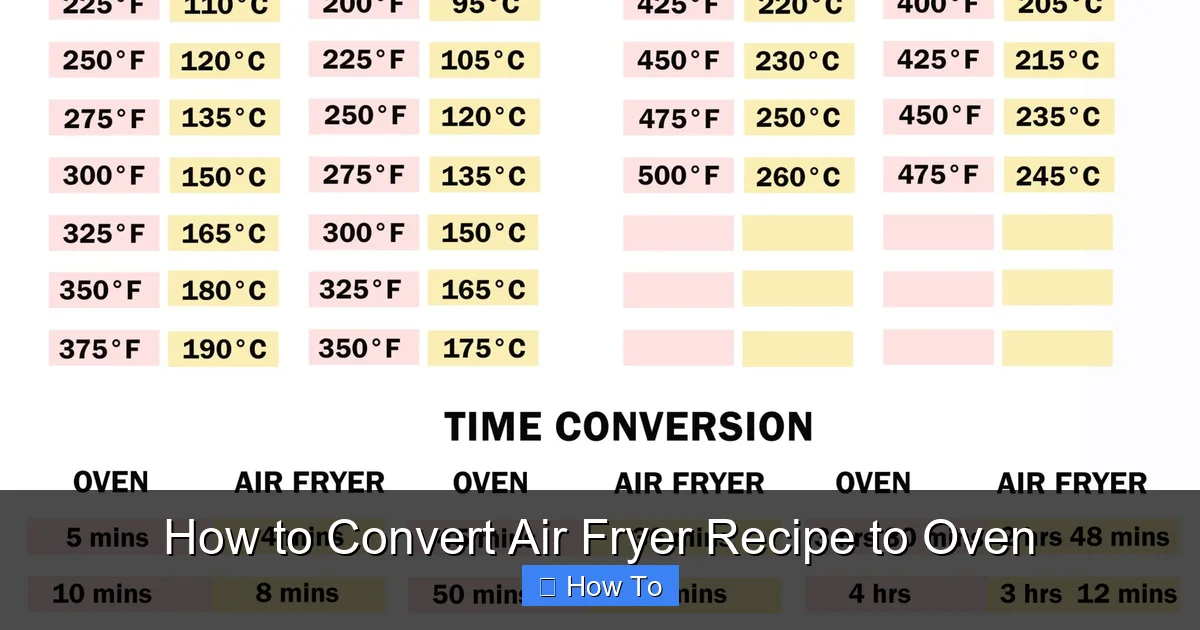
One of the biggest hurdles when converting air fryer recipes to oven is temperature. Air fryers typically operate between 300°F and 400°F, using intense heat to cook food quickly. Ovens, on the other hand, usually max out at around 500°F but distribute heat more evenly. Because air fryers are smaller and hotter, they cook food faster. To compensate in an oven, you’ll often need to lower the temperature by 25°F. For instance, if an air fryer recipe calls for 375°F, set your oven to 350°F. This adjustment helps prevent burning while ensuring food cooks thoroughly. However, this isn’t a one-size-fits-all rule. Dense foods like chicken breasts or root vegetables may require a slightly higher oven temperature to achieve the desired texture. Always consider the type of dish you’re preparing.
Visual guide about How to Convert Air Fryer Recipe to Oven
Image source: i.pinimg.com
Cooking Time Adjustments
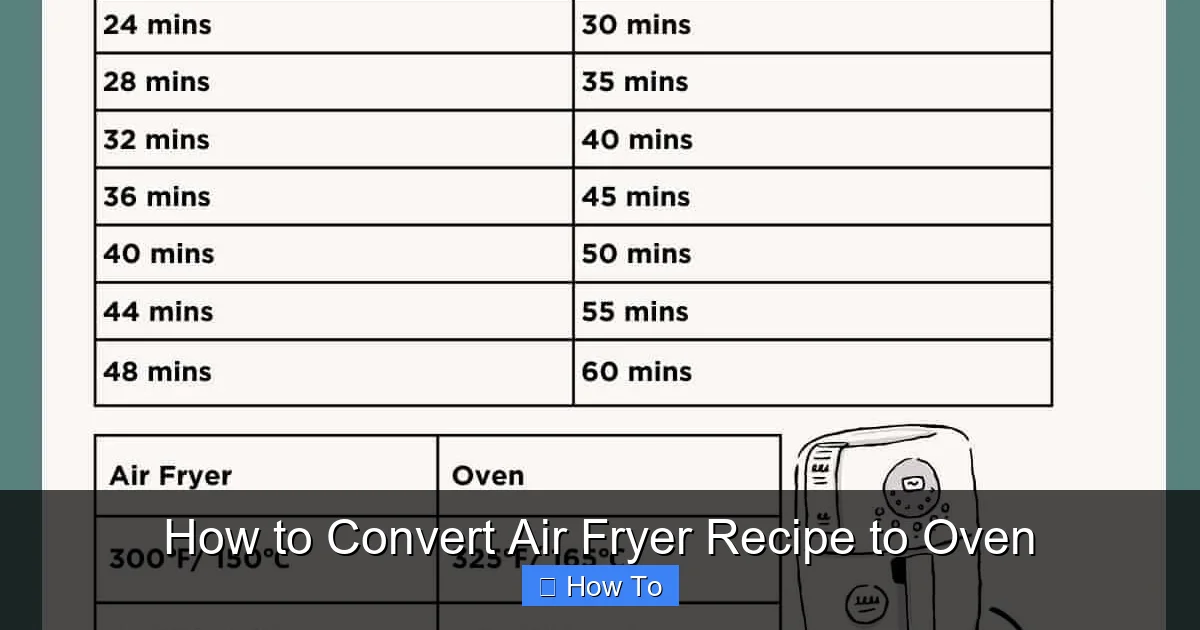
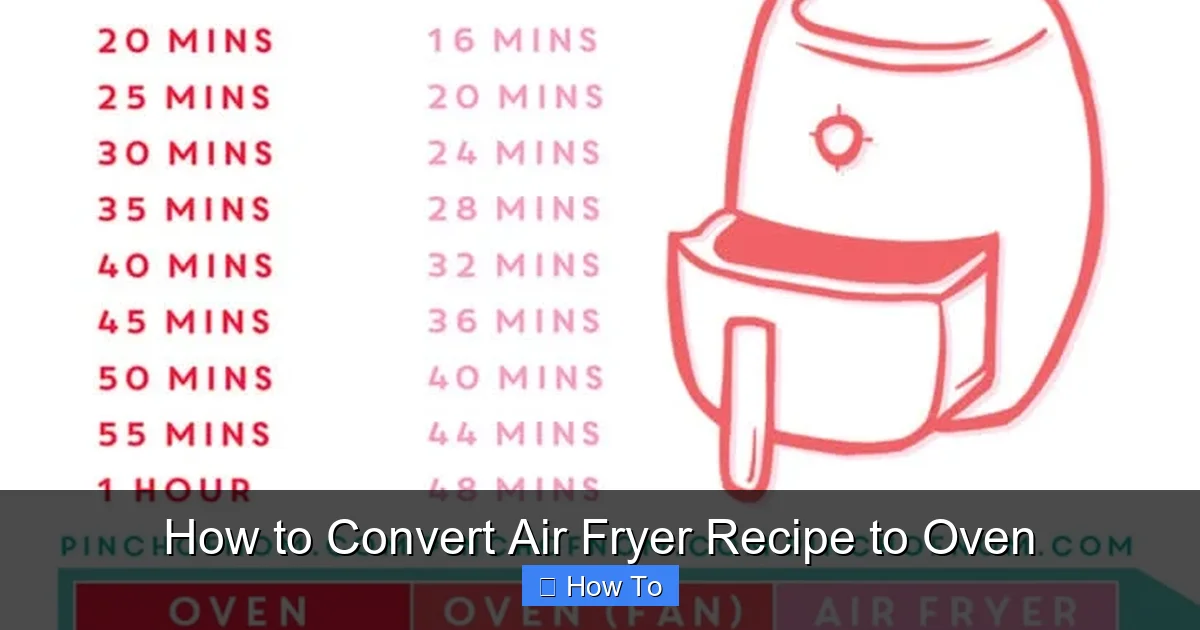
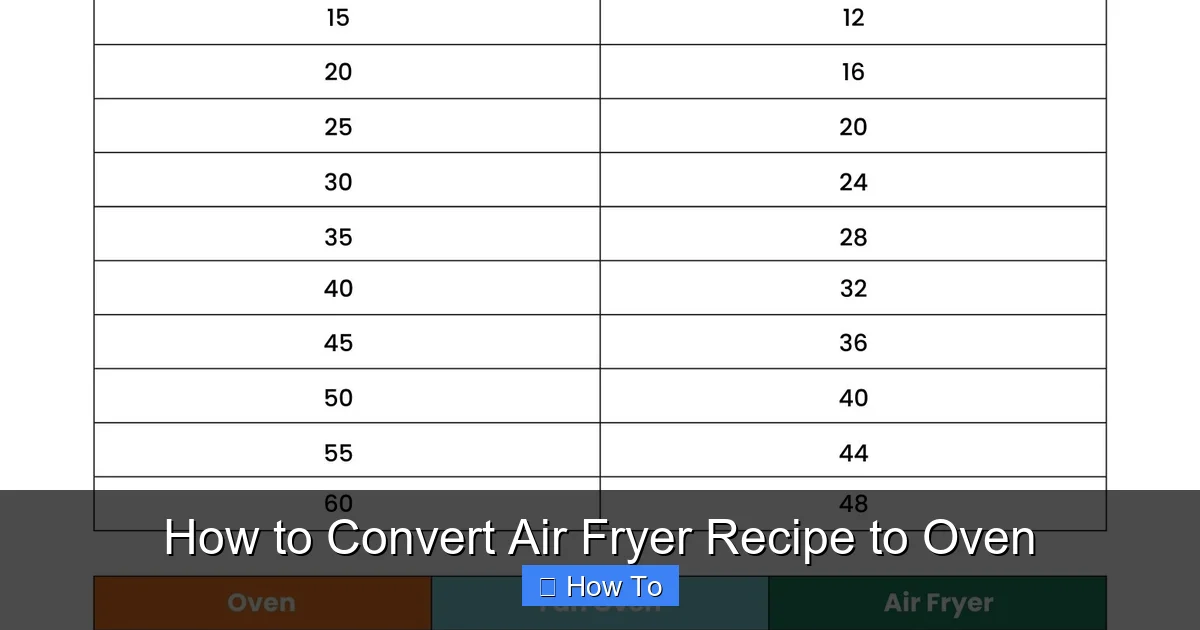
Time is another critical factor. Air fryers cook food in a fraction of the time an oven would. A 20-minute air fryer recipe might take 30-40 minutes in an oven. This is because ovens don’t have the concentrated airflow that air fryers do. To bridge this gap, add 10-15 minutes to the original cooking time. For example, if a recipe says to cook chicken wings for 15 minutes in an air fryer, aim for 25-30 minutes in the oven. But don’t just rely on timing—check for doneness. Use a meat thermometer for proteins or observe color and texture for vegetables. Overcooking is a common pitfall when converting recipes, so err on the side of caution and check periodically.
Air Circulation Matters
Air fryers rely on rapid hot air circulation to crisp food. Ovens, especially non-convection models, don’t replicate this. If your oven has a convection setting, use it! Convection circulates hot air, mimicking the air fryer’s effect. Without convection, you’ll need to manually rotate or stir food to ensure even cooking. For example, when baking fries in the oven, flipping them halfway through can mimic the air fryer’s flipping action. If your oven lacks convection, consider using a baking sheet with a rack to allow airflow. This step is crucial for achieving that crispy exterior many air fryer recipes promise.
Step-by-Step Guide to Converting Air Fryer Recipes to Oven
Adjust the Temperature First
Start by lowering the oven temperature by 25°F from the air fryer’s setting. This is the most universal adjustment. For example, if a recipe requires 400°F in an air fryer, set your oven to 375°F. This reduces the risk of over-browning while maintaining cooking efficiency. However, some recipes—like those for delicate pastries or certain vegetables—might need a different approach. Always read the recipe instructions carefully. If the air fryer recipe includes specific notes about temperature, adapt them to the oven. For instance, if the recipe suggests preheating the air fryer for 5 minutes, do the same with your oven.
Visual guide about How to Convert Air Fryer Recipe to Oven
Image source: thelittleshine.com
Increase Cooking Time Gradually
Once the temperature is adjusted, add time to the cooking process. As a general rule, add 10-15 minutes to the original air fryer time. If the recipe says to cook for 10 minutes, try 20-25 minutes in the oven. But this isn’t a strict formula. Factors like food type, quantity, and oven efficiency play a role. For example, a small batch of chicken nuggets might cook faster in the oven than a large tray of vegetables. Use a timer and check the food at regular intervals. If it’s browning too quickly, reduce the temperature slightly. If it’s not cooking through, extend the time. The goal is to mimic the air fryer’s quick, even cooking in a slower, gentler oven environment.
Use Convection Setting When Possible
If your oven has a convection mode, enable it. Convection mimics the air fryer’s hot air circulation, helping food cook faster and crispier. When using convection, you can often reduce the time further—by 5-10 minutes compared to a non-convection bake. For example, a 30-minute non-convection bake might only take 20 minutes with convection. However, not all ovens have this feature, so don’t rely on it. If your oven lacks convection, focus on manual adjustments like rotating the dish or using a broiler for the last few minutes to achieve a crispy finish.
Modify Recipe Techniques
Some air fryer recipes require techniques that don’t translate well to ovens. For instance, air fryers often involve flipping or shaking the basket to ensure even cooking. In an oven, you’ll need to manually rotate the dish or stir ingredients. If an air fryer recipe calls for tossing vegetables, do the same in a baking sheet. For foods that require a basket-like setup, like fries, use a rack to elevate them and allow air to circulate. Another consideration is moisture. Air fryers can dry out food faster, so if you’re converting a recipe that relies on crispiness, add a splash of oil or water to the dish before baking. This helps retain moisture while still achieving a crispy exterior.
Test and Adjust as Needed
No two ovens are the same, and no two recipes are identical. After making the initial adjustments, always test the results. If your cookies are too dry, maybe the oven temperature was too high. If your roasted vegetables are mushy, you might need to increase the time or reduce the temperature. Keep a notebook to track your adjustments. Over time, you’ll develop a sense for how your specific oven behaves. For example, if you notice your oven runs hot, you might always subtract an extra 5°F from the air fryer’s suggested temperature. This trial-and-error approach is key to mastering recipe conversion.
Common Mistakes to Avoid When Converting Recipes
Ignoring Food Type
Not all foods convert equally well. Dense, moist ingredients like potatoes or meatballs may require more time and moisture in the oven. Conversely, delicate items like fish or pastries might need lower temperatures to prevent drying out. Always consider the original recipe’s goals. If the air fryer recipe aims for a crispy crust, ensure your oven adjustments support that. For example, when converting a crispy chicken recipe, use a higher oven rack position to promote browning. If the recipe calls for a wet batter, like for fried chicken, you might need to bake it first and then finish in the oven to avoid sogginess.
Visual guide about How to Convert Air Fryer Recipe to Oven
Image source: simplylowcal.com
Overlooking Oven Specifics
Every oven has unique quirks. Some run hotter or cooler than others, and some have uneven heat distribution. Before converting a recipe, test your oven’s performance. Bake a small batch of cookies or a tray of fries to see how it cooks. If your oven tends to brown food too quickly, lower the temperature by an additional 10°F. If it’s too slow, increase the time. Also, consider the rack position. Higher racks are hotter, while lower racks are cooler. Adjust the rack based on the food’s needs—place it in the middle for even cooking unless the recipe specifies otherwise.
Skipping the Preheating Step
Preheating is non-negotiable. Skipping this step can lead to uneven cooking or undercooked food. Air fryers heat up quickly, but ovens take longer. Always preheat your oven to the adjusted temperature before placing food inside. This ensures the food starts cooking immediately, reducing the risk of sogginess or burning. For example, if your recipe says to preheat the air fryer for 3 minutes, preheat your oven for the same duration. If your oven has a self-cleaning cycle, wait until it’s fully cooled before using it. A properly preheated oven is the foundation of successful recipe conversion.
Tips for Specific Foods: Converting Air Fryer Recipes to Oven
Converting Chicken Recipes
Chicken is a common air fryer dish, but it can be tricky in the oven. Air fryers cook chicken quickly, often in 15-20 minutes. In the oven, aim for 30-40 minutes at 350°F. To mimic the air fryer’s crispiness, use a baking sheet with a rack and brush the chicken with oil or butter. You can also broil the chicken for the last 2-3 minutes to achieve a golden crust. If the chicken is too dry, add a bit of moisture by brushing it with a sauce or placing a damp paper towel under the dish. Always check the internal temperature—165°F is safe for chicken.
Adapting Vegetable Recipes
Vegetables like potatoes or carrots can be converted from air fryer to oven with minor tweaks. Air fryers often require tossing the vegetables in oil and cooking at high heat. In the oven, use a baking sheet and spread the vegetables in a single layer. Lower the temperature to 375°F and increase the time to 30-40 minutes. For a crispier result, toss the vegetables with a bit of oil and salt before baking. If they’re too soft, extend the time or increase the temperature slightly. Avoid overcrowding the pan, as this can lead to steaming instead of roasting.
Baking Bread or Pastries
Air fryers are great for quick bread or pastry recipes, but ovens are better for larger batches. If an air fryer recipe calls for 180°F for 10 minutes, try 350°F for 25-30 minutes in the oven. Use a baking sheet or loaf pan and ensure the dough is properly proofed. For a crispier crust, brush the top with egg wash or milk before baking. Avoid opening the oven door too often, as this can cause the bread to collapse. If the edges brown too quickly, cover them with foil.
Conclusion: Mastering the Art of Recipe Conversion
Converting air fryer recipes to oven isn’t just about adjusting numbers—it’s about understanding how each appliance works. With a few key changes to temperature, time, and technique, you can replicate the results of an air fryer in your oven. The process requires some experimentation, but the rewards are worth it. You’ll save money, reduce appliance clutter, and still enjoy crispy, delicious meals. Whether you’re a seasoned cook or a beginner, these tips will help you navigate the conversion process with confidence. Remember, the goal isn’t perfection but progress. Every adjustment you make brings you closer to mastering this skill. So next time you find an air fryer recipe you love, don’t hesitate to adapt it for your oven. Your kitchen will thank you.
Frequently Asked Questions
Can I use a regular oven instead of a convection oven for air fryer recipes?
Yes, you can use a regular oven, but you’ll need to make adjustments. Lower the temperature by 25°F and increase the cooking time by 10-15 minutes. Without convection, you’ll also need to manually rotate or stir the food to ensure even cooking.
How much should I adjust the temperature when converting from air fryer to oven?
A general rule is to reduce the oven temperature by 25°F from the air fryer’s setting. However, this can vary depending on the food type. Dense foods may require a slightly higher temperature to cook properly.
Do I need to preheat the oven for air fryer recipes?
Absolutely. Preheating is crucial for even cooking. Air fryers heat up quickly, but ovens take longer. Always preheat to the adjusted temperature before placing food inside to avoid undercooking or uneven results.
Can I convert all air fryer recipes to oven?
Most recipes can be converted, but some may not work as well. Delicate items like pastries or foods that rely on rapid air circulation might need special adjustments. Always test and adapt based on your oven’s performance.
Is it better to use convection for air fryer conversions?
If your oven has a convection setting, it’s highly recommended. Convection mimics the air fryer’s hot air circulation, helping food cook faster and crispier. Without convection, you’ll need to make manual adjustments like rotating the dish.
What should I do if my food is too dry after converting to oven?
If the food is dry, it might be due to higher oven temperature or longer cooking time. Try reducing the temperature by 10°F and checking for doneness earlier. Adding a bit of oil or moisture before baking can also help retain texture.