How to Cook 5 Lb Beef Tenderloin in Oven
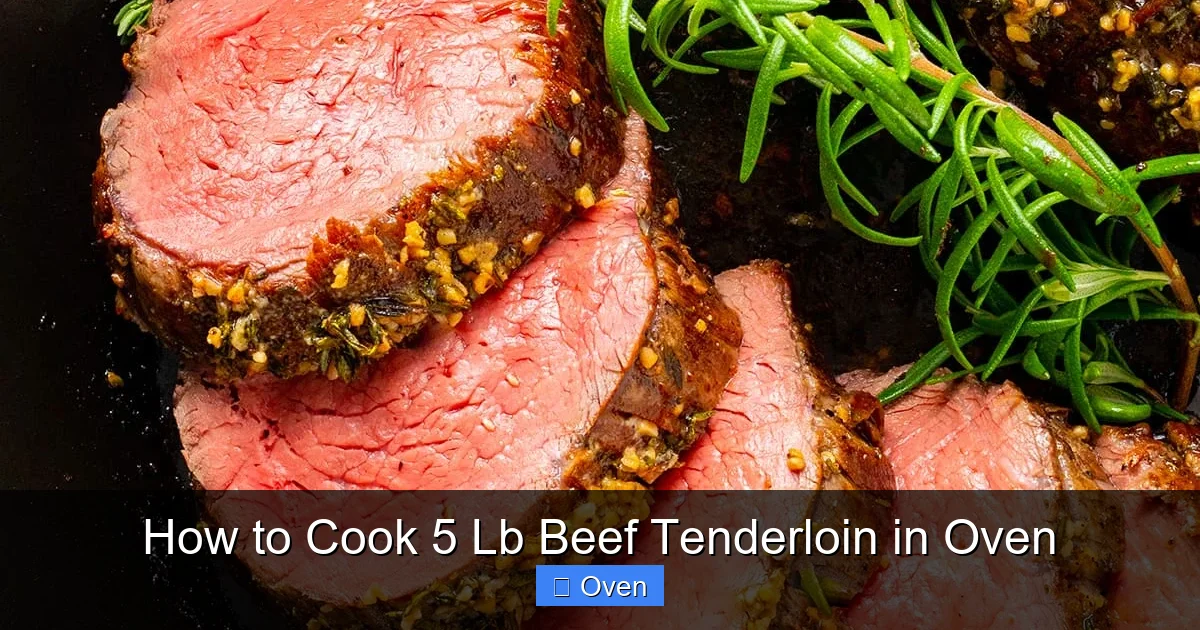
Want a tender, juicy roast without the stress? Follow this friendly guide to How To Cook 5 lb Beef Tenderloin In Oven, from seasoning to resting, and serve a show‑stopping centerpiece every time. Simple steps, clear timing, and pro tips make it easy for beginners and seasoned cooks alike.
Key Takeaways
- Temperature matters: Start high (475°F) then finish low (250°F) for even doneness.
- Season early: Salt the meat at least 1 hour before roasting for deeper flavor.
- Use a meat thermometer: Aim for 120°F‑125°F for rare, 130°F‑135°F for medium‑rare.
- Rest properly: Let the tenderloin rest 15‑20 minutes to lock in juices.
- Choose the right pan: A heavy‑bottom roasting pan or a cast‑iron skillet works best.
- Optional crust: Add herbs, garlic, and butter for a flavorful bark.
- Slice against the grain: This keeps each bite tender and melt‑in‑your‑mouth.
📑 Table of Contents
Introduction
There’s something magical about a perfectly roasted beef tenderloin. It looks impressive, smells amazing, and, when done right, melts in your mouth. Yet many home cooks shy away from a 5 lb piece because they fear it will turn dry or uneven. The good news? With a few simple techniques, you can master How To Cook 5 Lb Beef Tenderloin In Oven and serve a restaurant‑grade roast without hiring a chef.
In this article we’ll walk through every step: picking the right cut, seasoning, searing, roasting, and resting. You’ll also get handy tips on making a crust, using a thermometer, and turning leftovers into delicious meals. By the end, you’ll feel confident enough to host a dinner party or family feast with a centerpiece that steals the show.
1. Selecting and Preparing Your Tenderloin
1.1 Choose a high‑quality cut
When you buy a 5 lb beef tenderloin, look for a piece that’s uniform in shape and has a bright, cherry‑red color. The meat should have a thin layer of fat on one side—this is called the “fat cap.” It adds flavor and helps keep the roast moist.
Visual guide about How to Cook 5 Lb Beef Tenderloin in Oven
Image source: bhg.com
1.2 Trim wisely
Trim excess silver skin (the thin, silvery membrane) but keep most of the fat cap. If the cap is very thick, you can shave off a quarter of an inch to prevent flare‑ups in the oven. Leaving a bit of fat is key for a juicy result.
1.3 Salt early for flavor
Salt is a flavor enhancer and a dry‑brine. Sprinkle kosher salt generously on all sides and let the meat sit uncovered in the refrigerator for at least 1 hour, preferably up to 4 hours. This draws moisture to the surface, which then re‑absorbs, seasoning the meat from the inside out.
2. Seasoning and Optional Crust
2.1 Classic herb‑garlic rub
Combine the following in a small bowl:
Visual guide about How to Cook 5 Lb Beef Tenderloin in Oven
Image source: recipes.net
- 2 tbsp olive oil
- 1 tbsp melted butter
- 2 tsp freshly cracked black pepper
- 1 tsp garlic powder or 2 minced garlic cloves
- 1 tsp dried rosemary
- 1 tsp dried thyme
- Optional: 1 tsp smoked paprika for a subtle smoky note
Rub the mixture all over the tenderloin, making sure to coat the fat cap as well. The oil helps the herbs stick and promotes a golden crust.
2.2 Adding a crust for extra texture
If you love a crunchy exterior, press a mixture of crushed garlic, chopped fresh herbs (parsley, rosemary, thyme), and a handful of coarse sea salt onto the surface after the initial oil rub. This creates a flavorful bark that stays crisp even after resting.
3. The Two‑Stage Oven Method
3.1 Why two temperatures?
Cooking a large tenderloin at a single temperature can lead to a gray band of overcooked meat near the outside. Starting hot (475°F) creates a sear and locks in juices, while lowering to 250°F lets the interior come up to temperature gently and evenly.
Visual guide about How to Cook 5 Lb Beef Tenderloin in Oven
Image source: bhg.com
3.2 Preheat and prepare the pan
Set your oven to 475°F (245°C). Choose a heavy‑bottom roasting pan or a cast‑iron skillet—both conduct heat well. Place a wire rack inside the pan if you have one; this allows air to circulate around the meat.
3.3 Initial high‑heat blast (15‑20 minutes)
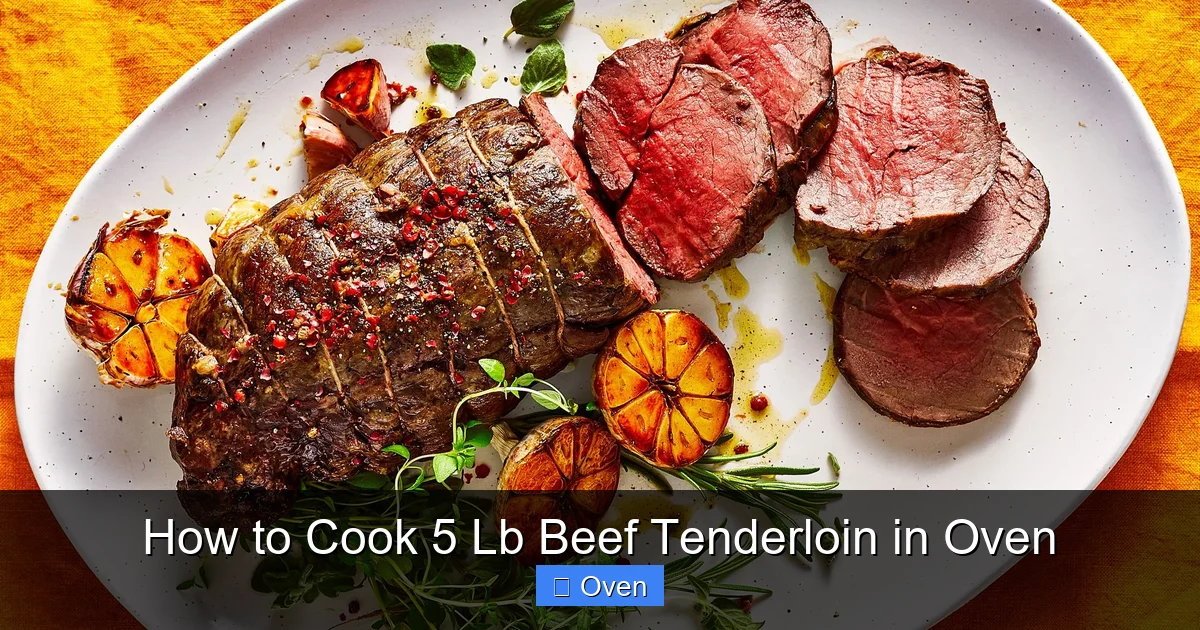
Put the seasoned tenderloin in the hot oven, fat side up. Roast for 15‑20 minutes until the exterior is a deep, caramelized brown. This step creates the coveted crust.
3.4 Reduce heat and continue roasting
After the initial sear, lower the oven temperature to 250°F (120°C). Insert an instant‑read meat thermometer into the center of the roast (avoid touching bone or fat). Roast until the thermometer reads:
- 120°F‑125°F for rare
- 130°F‑135°F for medium‑rare (most popular)
- 140°F‑145°F for medium
For a 5 lb tenderloin, the low‑heat phase usually takes 45‑60 minutes, but always rely on the thermometer, not the clock.
4. Resting, Slicing, and Serving
4.1 Resting is non‑negotiable
Transfer the roast to a cutting board, tent loosely with foil, and let it rest for 15‑20 minutes. Resting allows the juices to redistribute; cutting too early will cause them to spill out, leaving a dry slice.
4.2 Slice like a pro
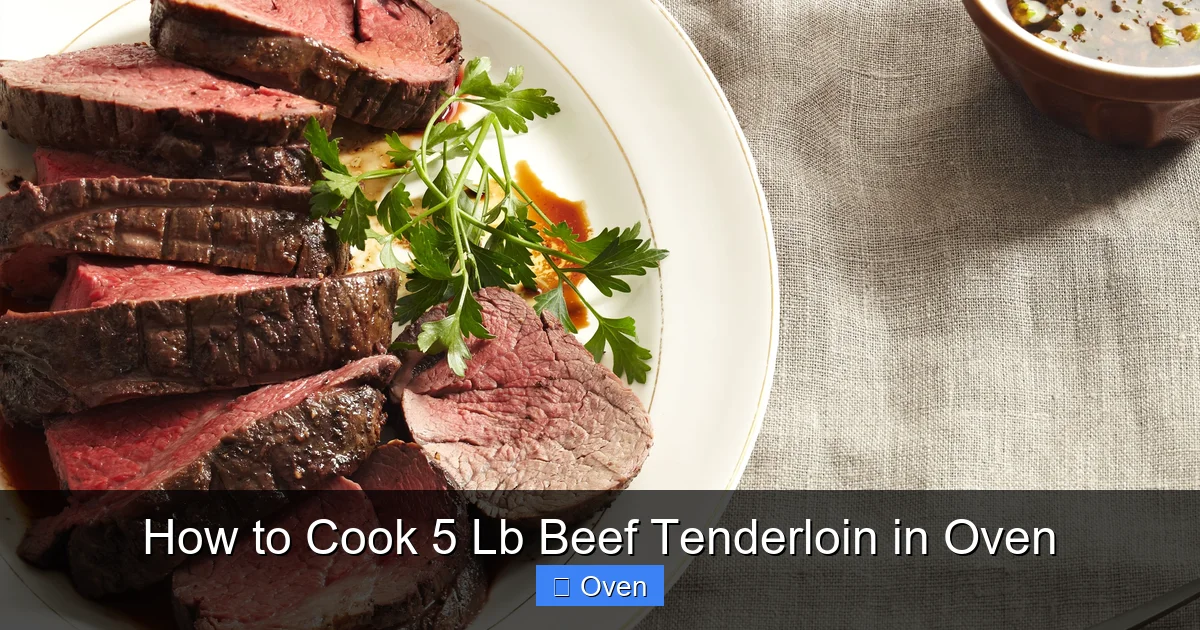
Identify the grain (the direction of the muscle fibers) and cut perpendicular to it. Aim for ½‑inch thick slices for a tender bite. Use a sharp carving knife or a thin slicer for clean cuts.
4.3 Serving ideas
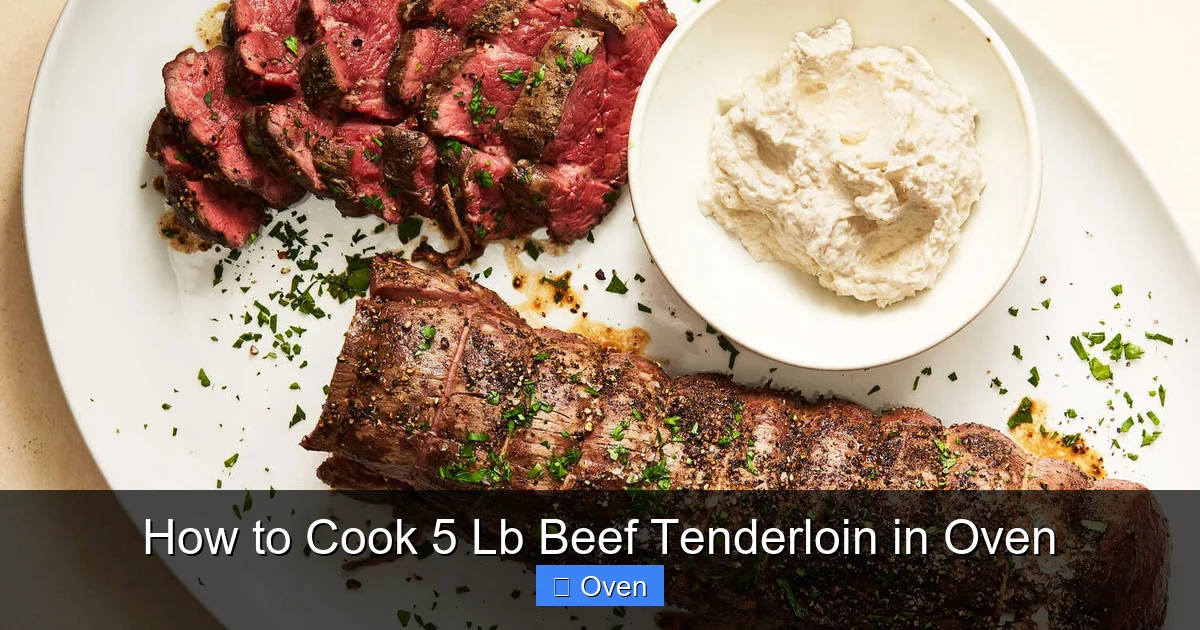
Serve the slices on a platter with a drizzle of pan juices or a simple au jus. Pair with roasted vegetables, creamy horseradish sauce, or a red wine reduction. Leftovers make excellent sandwiches, salads, or a quick stir‑fry.
5. Troubleshooting Common Issues
5.1 Too pink in the middle?
If the interior is undercooked after the low‑heat phase, increase the oven temperature to 300°F and continue roasting in 5‑minute increments, checking the thermometer each time.
5.2 Dry or tough meat
Dryness usually means the roast was overcooked or rested for too long. Use a thermometer next time and aim for the lower end of your preferred doneness range. Also, ensure you didn’t trim away all the fat cap.
5.3 No crust forming
If the crust is pale, make sure the oven truly reached 475°F before inserting the roast. A dry surface also helps; pat the meat dry with paper towels before applying the oil rub.
6. Bonus: Turning Your Roast into Other Meals
6.1 Beef tenderloin sandwiches
Thinly slice leftover meat, pile onto crusty baguettes, add arugula, caramelized onions, and a smear of horseradish mayo. Quick, gourmet‑style lunches in minutes.
6.2 Stir‑fry or fajita style
Cut the roast into bite‑size strips, toss with bell peppers, onions, and a splash of soy sauce for a fast stir‑fry. Or use the same strips for a beef fajita night—just heat a skillet, add the meat, and serve with tortillas.
6.3 Soup or broth
Simmer leftover bones and trimmings with carrots, celery, onion, and water for 6‑8 hours to create a rich beef broth. This ties back to our How To Make Beef Stew In Electric Pressure Cooker guide for a comforting stew.
Conclusion
Cooking a 5 lb beef tenderloin in the oven doesn’t have to be intimidating. By following the two‑stage temperature method, seasoning wisely, and respecting the rest period, you’ll achieve a roast that’s juicy, flavorful, and beautifully crusted. Whether you’re feeding a holiday crowd or simply treating yourself, this approach turns a simple cut of meat into a star‑studded centerpiece. Grab your oven, set the timer, and enjoy the compliments that follow!
Frequently Asked Questions
What oven temperature should I use for a 5 lb beef tenderloin?
Start at 475°F for 15‑20 minutes to sear, then lower to 250°F and roast until the internal temperature reaches your desired doneness.
How long does it take to cook a 5 lb beef tenderloin to medium‑rare?
About 15‑20 minutes at high heat plus 45‑60 minutes at low heat, but always rely on a meat thermometer (130°F‑135°F for medium‑rare).
Do I need to sear the tenderloin before putting it in the oven?
Using the high‑heat start creates a crust and seals in juices, so it’s recommended even if you don’t use a stovetop sear.
Can I use a regular baking sheet instead of a roasting pan?
You can, but a heavy‑bottom pan or cast‑iron skillet distributes heat more evenly and helps form a better crust.
What side dishes pair best with oven‑roasted beef tenderloin?
Roasted potatoes, grilled asparagus, a fresh mixed green salad, or creamy horseradish sauce are classic companions.
How should I store leftovers?
Wrap the sliced meat tightly in foil or plastic wrap and refrigerate for up to 3 days. Reheat gently in a skillet with a splash of broth to keep it moist.