How to Cook a Porketta Roast in Oven
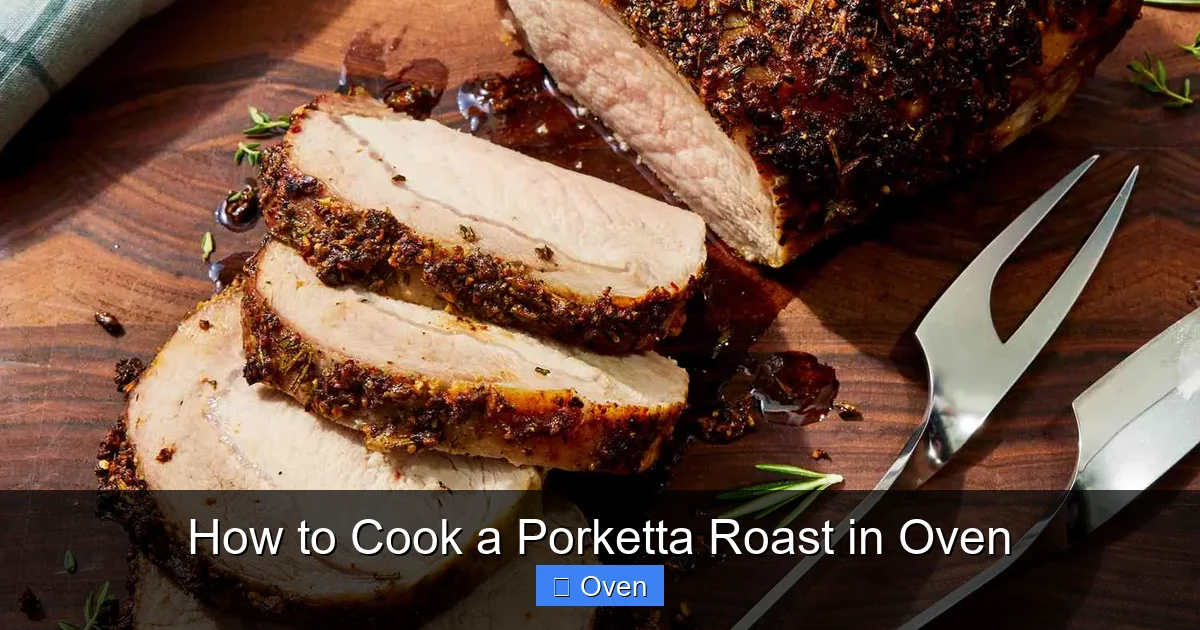
Discover how to cook a porketta roast in oven with simple seasoning, proper temperature, and timing for a tender, flavorful centerpiece that’s perfect for family dinners or holiday feasts. Follow our step‑by‑step guide to achieve juicy meat and crispy herbs every time.
If you’ve ever walked into an Italian market and smelled the fragrant herbs drifting from a slow‑roasted pork shoulder, you’ve encountered porketta. This beloved roast is a staple of Italian‑American cuisine, known for its aromatic crust of garlic, fennel, and rosemary that gives way to melt‑in‑your‑mouth meat. Learning how to cook a porketta roast in oven is easier than you might think, and the results are perfect for a Sunday family dinner, a holiday gathering, or any occasion that calls for a show‑stopping centerpiece.
The beauty of porketta lies in its simplicity. With a good cut of pork, a handful of pantry spices, and a reliable oven, you can create a dish that feels both rustic and elegant. In this guide we’ll walk you through every step—from selecting the meat and building the seasoning blend to roasting, resting, and carving—so you can serve a juicy, flavorful roast every time. Let’s dive in and discover the secrets behind a perfect porketta roast.
Key Takeaways
- Choose the right cut: Look for a well‑marbled pork shoulder or butt, ideally 4‑6 pounds, for maximum juiciness.
- Season generously: A classic porketta blend of garlic, fennel, rosemary, salt, pepper, and red pepper flakes creates the signature aromatic crust.
- Preheat and prepare: Set oven to 325°F (163°C), use a roasting rack, and add aromatics like onions, carrots, and celery to the pan for added flavor.
- Monitor internal temperature: Roast until the meat reaches 190‑200°F (88‑93°C) for pull‑apart tenderness, checking with an instant‑read thermometer.
- Rest before slicing: Let the roast rest 20‑30 minutes, tented with foil, to allow juices to redistribute for moist slices.
- Serve with sides: Pair with roasted potatoes, sautéed greens, or a simple salad, and drizzle any pan juices over the meat.
📑 Table of Contents
Understanding Porketta Roast
Before you fire up the oven, it helps to know what makes porketta unique. Traditionally, porketta is made from a boneless pork shoulder (also called pork butt) that has been butterflied, seasoned heavily with herbs, rolled, and tied. The name comes from the Italian word “porchetta,” which refers to a whole roasted pig, but in the U.S. the term has come to mean this seasoned, rolled pork shoulder.
The flavor profile is built around garlic, fennel seed (or fresh fennel fronds), rosemary, salt, black pepper, and a touch of red pepper flakes for heat. Some recipes also add orange zest or white wine for brightness. When the roast cooks low and slow, the fat renders, basting the meat from within and creating a crisp, herb‑infused crust that contrasts beautifully with the tender interior.
Understanding how to cook a porketta roast in oven starts with appreciating this balance of fat, meat, and aromatics. The fat keeps the roast moist during the long cooking time, while the herb crust provides the signature aroma that fills your kitchen. With the right technique, you’ll achieve a roast that slices easily, pulls apart gently, and delivers a burst of flavor in every bite.
Choosing the Right Cut and Preparation
Selecting the Pork Shoulder
Look for a boneless pork shoulder weighing between 4 and 6 pounds. The meat should have a good amount of marbling—white flecks of fat throughout the muscle—because this fat renders during cooking and keeps the roast juicy. Avoid overly lean cuts, as they can become dry despite the long cooking time.
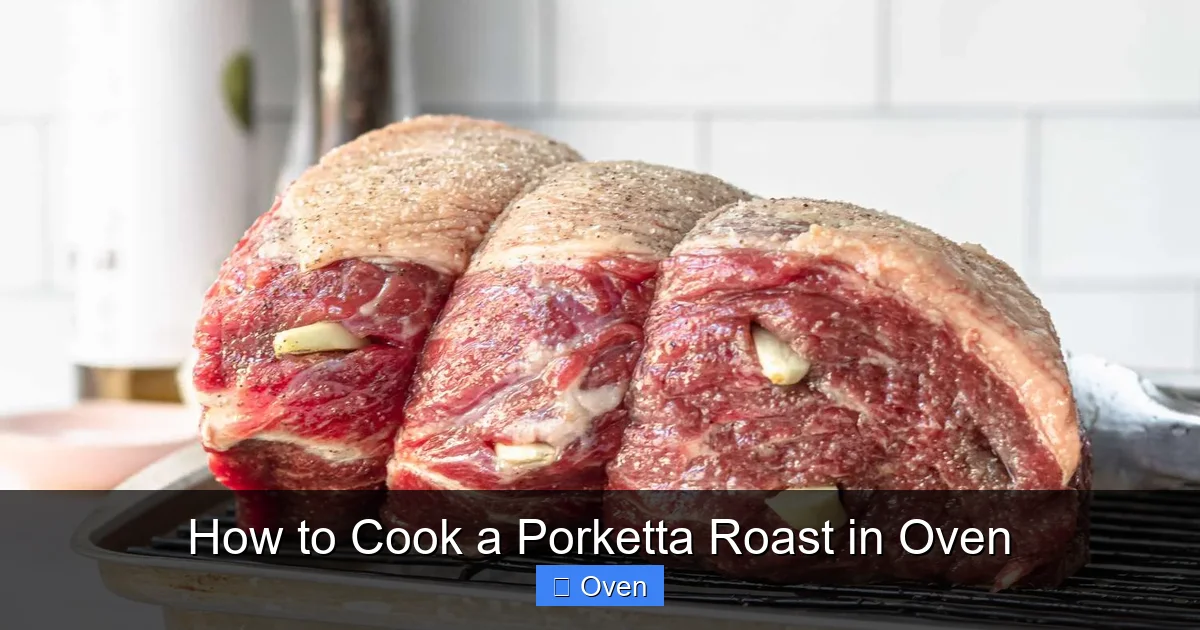
Visual guide about How to Cook a Porketta Roast in Oven
Image source: recipes.net
Trimming and Butterflying
If your shoulder comes with a thick layer of skin or excess fat on one side, trim it down to about a quarter‑inch thickness. This layer will help form a crispy crust without becoming greasy. Next, butterfly the meat: make a horizontal cut almost all the way through, then open it like a book. This creates a larger, more even surface for seasoning and rolling.
Making the Porketta Rub
In a bowl, combine:
- 4–5 cloves of garlic, minced
- 2 tablespoons fennel seeds (crushed) or 2 tablespoons finely chopped fresh fennel fronds
- 2 tablespoons fresh rosemary, minced (or 1 tablespoon dried)
- 1 tablespoon kosher salt
- 1 teaspoon freshly ground black pepper
- ½ teaspoon red pepper flakes (adjust to taste)
- Optional: zest of one orange or a splash of white wine
Mix the ingredients into a paste. Rub this mixture all over the butterflied pork, making sure to get into every crevice. The rub should coat the meat evenly, forming a fragrant layer that will become the crust.
Rolling and Tying
After seasoning, roll the pork tightly from the short side, like a jelly roll. Tie the roast with kitchen twine at 1‑inch intervals to hold its shape during cooking. A well‑tied roast cooks more uniformly and presents beautifully when sliced.
Now that your porketta is prepped, you’re ready to move on to the oven. Remember, the key to how to cook a porketta roast in oven lies in low, steady heat that allows the fat to melt and the herbs to infuse the meat.
Preparing the Oven and Roasting Pan
Temperature and Rack Placement
Preheat your oven to 325°F (163°C). This moderate temperature lets the roast cook slowly without burning the exterior. Place a rack in the middle of the oven; if you have a roasting pan with a rack, set the meat on the rack so hot air can circulate all around.
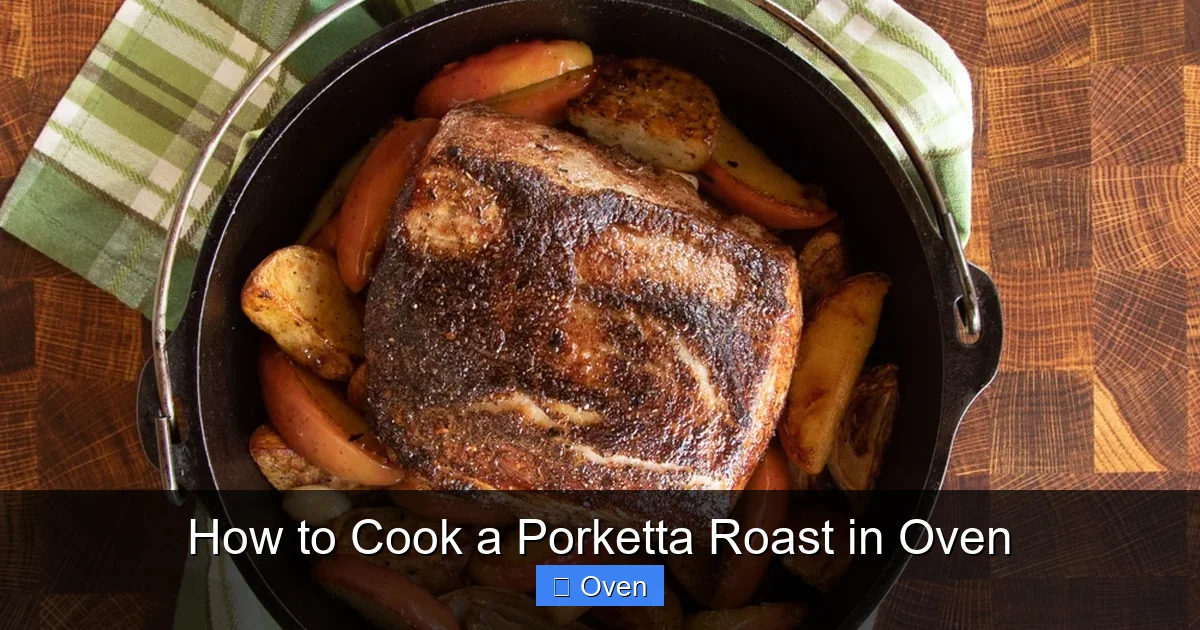
Visual guide about How to Cook a Porketta Roast in Oven
Image source: i.pinimg.com
Adding Aromatics to the Pan
Before placing the roast, scatter chopped onions, carrots, and celery in the bottom of the pan. These vegetables will caramelize and create a flavorful base for any pan juices you might want to use for gravy. You can also add a few sprigs of fresh rosemary and a couple of garlic cloves for extra aroma.
Optional Searing Step
While not required, some cooks prefer to sear the roast in a hot skillet for 2‑3 minutes per side before oven roasting. This step deepens the color and adds a subtle caramelized note. If you choose to sear, pat the meat dry, heat a tablespoon of oil in a heavy skillet over medium‑high heat, and brown all sides. Then transfer the roast to the prepared pan.
With the oven heated and the pan ready, you’re set to begin the roasting process. Proper preparation ensures that how to cook a porketta roast in oven yields a consistently delicious result.
Cooking Process: Step‑by‑Step
Initial Roast Phase
Place the tied porketta on the rack over the vegetables. Insert an oven‑safe meat thermometer into the thickest part of the roast, avoiding any bone or fat. Transfer the pan to the preheated oven and let it roast uncovered.
Visual guide about How to Cook a Porketta Roast in Oven
Image source: shungrill.com
At 325°F, a 5‑pound roast will need roughly 20‑25 minutes per pound. This translates to about 1 hour 40 minutes to 2 hours for the initial phase. During this time, the fat begins to render, and the herb crust starts to set.
Basting and Monitoring
Every 30 minutes, baste the roast with the pan juices using a spoon or basting brush. This helps keep the surface moist and encourages an even, glossy crust. If the top begins to brown too quickly, loosely cover the roast with a sheet of aluminum foil.
Checking for Doneness
The hallmark of a perfect porketta is an internal temperature of 190‑200°F (88‑93°C). At this range, the collagen has broken down, giving the meat that pull‑apart tenderness. Begin checking the temperature about 30 minutes before the estimated finish time.
If you prefer a sliceable roast rather than shredded, aim for the lower end of the range (190°F). For fall‑apart texture, let it climb to 200°F. Remember that the temperature will rise a few degrees during resting, so you can pull the roast out at 188‑190°F if you want a final 190°F reading.
Finishing the Crust
If you’d like an extra‑crispy exterior, increase the oven temperature to 425°F (220°C) for the last 10‑15 minutes of cooking, or switch to the broiler for 2‑3 minutes, watching closely to avoid burning. This step is optional but adds a delightful crunch.
Following these steps will give you confidence in how to cook a porketta roast in oven and guarantee a roast that’s juicy inside and fragrant outside.
Resting, Slicing, and Serving
The Importance of Resting
Once the roast reaches your target temperature, remove it from the oven and transfer it to a cutting board. Tent it loosely with foil and let it rest for 20‑30 minutes. Resting allows the juices, which have been driven toward the center by heat, to redistribute throughout the meat. Skipping this step can result in a dry roast, even if the internal temperature was perfect.
Carving Techniques
After resting, remove the kitchen twine. Place the roast on the board with the seam side down. Using a sharp carving knife, slice against the grain in ½‑inch thick slices. If you prefer shredded pork for sandwiches or tacos, use two forks to pull the meat apart along the grain.
Serving Suggestions
Arrange the slices on a platter and spoon a little of the pan juices over the top for added moisture and flavor. Porketta pairs beautifully with:
- Roasted garlic potatoes or rosemary‑infused root vegetables
- Sautéed greens such as escarole, spinach, or kale with a splash of lemon
- A simple arugula salad with shaved Parmesan and a light vinaigrette
- Crusty Italian bread for soaking up any juices
Leftovers make excellent sandwiches the next day—layer the meat with provolone, roasted red peppers, and a drizzle of olive oil on a hoagie roll.
Mastering how to cook a porketta roast in oven means you’ll have a versatile dish that shines as a main course and transforms into delicious leftovers.
Troubleshooting and Tips
Common Issues and Fixes
Dry meat: This usually happens if the oven temperature is too high or the roast is overcooked. Use a meat thermometer and pull the roast at 190°F. If you notice the edges drying out, cover them with foil earlier in the cook.
Under‑seasoned crust: Ensure the rub is applied generously and that you massage it into all crevices. A thin layer won’t produce the aromatic punch porketta is known for.
Uneven cooking: If one end of the roast is done before the other, check that the meat is rolled evenly and tied tightly. An uneven roll can cause thicker sections to lag behind.
Flavor Variations
Feel free to experiment with the herb base:
- Swap fennel for crushed caraway seeds for a slightly different anise note.
- Add a tablespoon of smoked paprika for a subtle smoky depth.
- Incorporate a teaspoon of ground coriander for citrusy undertones.
- For a sweeter profile, add a tablespoon of brown sugar to the rub.
These tweaks keep the core technique of how to cook a porketta roast in oven intact while letting you tailor the flavor to your palate.
Storage and Reheating
Store leftover porketta in an airtight container in the refrigerator for up to four days. To reheat, place slices in a shallow pan with a splash of broth or water, cover with foil, and warm at 300°F until heated through. This prevents the meat from drying out.
For longer storage, freeze the sliced meat in a freezer‑safe bag for up to two months. Thaw overnight in the refrigerator before reheating.
Final Pro Tips
- Always let the meat sit at room temperature for 20‑30 minutes before seasoning; this promotes even cooking.
- Use a heavy‑duty roasting pan that distributes heat evenly—thin pans can cause hot spots.
- If you don’t have kitchen twine, silicone bands or even unscented dental floss work in a pinch.
- Keep a spare set of tongs handy for turning the roast if you choose to sear it first.
With these troubleshooting tips and variations, you’ll be able to adapt how to cook a porketta roast in oven to any kitchen scenario and still achieve a stellar result.
Conclusion
Learning how to cook a porketta roast in oven opens the door to a dish that’s both comforting and impressive. By selecting a well‑marbled pork shoulder, crafting a bold herb rub, roasting low and slow, and allowing proper rest, you guarantee a roast that’s juicy inside and fragrant outside. The steps we’ve covered—from preparation and oven setup to monitoring temperature, resting, and serving—provide a reliable roadmap for success every time you fire up the oven.
Whether you’re serving it for a casual family meal, a festive holiday spread, or preparing leftovers for next‑day sandwiches, porketta delivers rich flavor and satisfying texture. Remember to use a meat thermometer, baste occasionally, and let the meat rest before carving. With practice, you’ll develop an intuitive sense of timing and doneness, making this classic roast a go‑to recipe in your repertoire.
So gather your ingredients, preheat that oven, and enjoy the aroma of garlic, fennel, and rosemary filling your home. Your perfectly cooked porketta roast awaits—happy cooking!
Frequently Asked Questions
What is the ideal internal temperature for a porketta roast?
The ideal internal temperature for a tender, pull‑apart porketta roast is between 190°F and 200°F (88°C‑93°C). At this range the collagen has broken down, giving the meat its signature juicy texture. If you prefer sliceable meat, aim for the lower end of the range; for shredded pork, let it reach the higher end.
Do I need to sear the porketta before roasting?
Searing is optional but can add a deeper color and a subtle caramelized note to the crust. If you choose to sear, heat a skillet with oil over medium‑high heat and brown all sides of the tied roast for 2‑3 minutes per side, then transfer it to the oven. Skipping this step still yields a delicious roast.
How long should I let the porketta rest after cooking?
Let the porketta rest for 20‑30 minutes after removing it from the oven, tented loosely with foil. Resting allows the juices to redistribute throughout the meat, ensuring each slice stays moist and flavorful.
Can I cook a porketta roast in a convection oven?
Yes, you can use a convection oven. Reduce the temperature by about 25°F (approximately 15°C) compared to a conventional oven setting, so roast at 300°F (149°C) instead of 325°F. Check the internal temperature early, as convection ovens can cook slightly faster.
What sides pair well with porketta roast?
Classic accompaniments include roasted potatoes, sautéed greens like escarole or spinach, and a simple arugula salad with lemon and Parmesan. Crusty Italian bread is perfect for soaking up any pan juices, and the meat also makes excellent sandwiches the next day.
How do I store and reheat leftover porketta?
Store leftovers in an airtight container in the refrigerator for up to four days. To reheat, place slices in a shallow pan with a splash of broth or water, cover with foil, and warm at 300°F until heated through. For longer storage, freeze sliced meat for up to two months and thaw in the refrigerator before reheating.