How to Cook Ahi Tuna Steaks in Oven
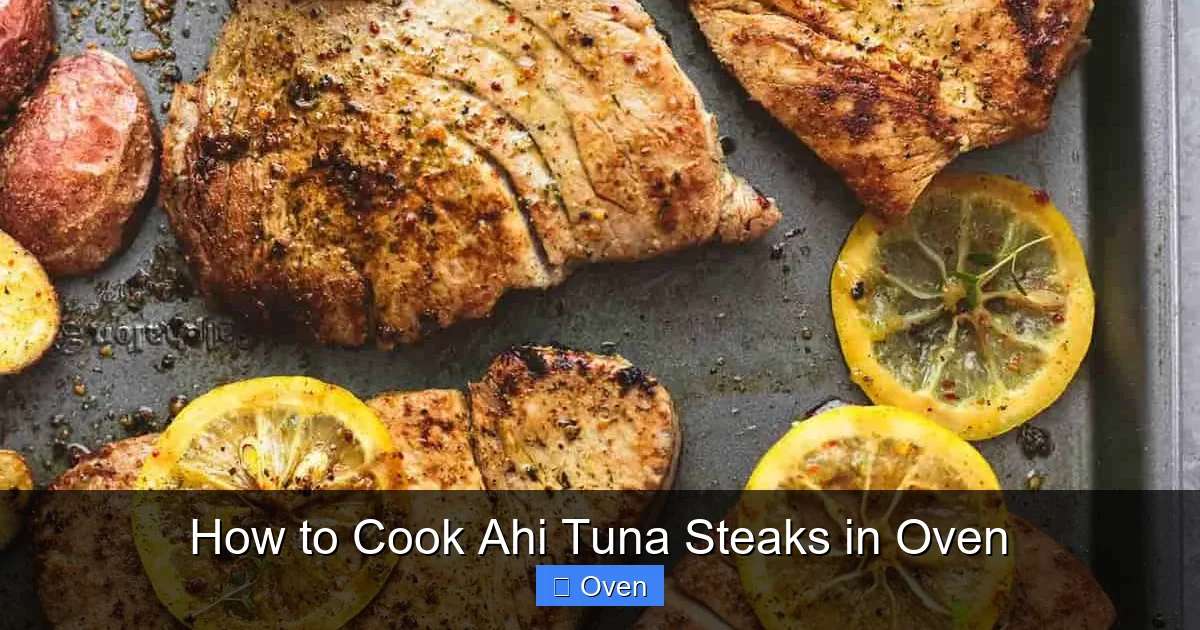
Cooking ahi tuna steaks in the oven is simple and yields tender, flavorful results. This guide covers everything from selecting the right cut to achieving the perfect doneness. Whether you’re a beginner or looking to refine your technique, these steps will help you master this restaurant-quality dish at home.
Key Takeaways
- Choose fresh, sushi-grade tuna: For best results, select high-quality ahi tuna steaks that are bright red and firm to the touch.
- Prep is key: Pat the tuna dry, season generously, and let it come to room temperature before cooking.
- Perfect temperature: Preheat your oven to 400°F (200°C) for even cooking without overcooking.
- Timing matters: Cook for just 8-10 minutes for medium-rare, depending on thickness.
- Check doneness: Use a meat thermometer or gently press the center to test for desired texture.
- Rest before serving: Let the tuna rest for 5 minutes to lock in juices and enhance flavor.
- Pair wisely: Serve with light sides like steamed vegetables or a citrus salad to complement the tuna’s richness.
📑 Table of Contents
Introduction
There’s something magical about a perfectly cooked ahi tuna steak. Its vibrant color and melt-in-your-mouth texture make it a favorite among seafood lovers. While many people think grilling is the only way to prepare tuna, the oven offers a convenient and consistent alternative. Cooking ahi tuna steaks in the oven allows you to achieve that ideal balance of a seared exterior and tender interior without the hassle of outdoor grilling. Plus, it’s perfect for busy weeknights or when you want to prepare a gourmet meal indoors.
If you’ve ever wondered how to cook ahi tuna steaks in the oven, you’re in the right place. This guide will walk you through every step, from choosing the right cut to serving suggestions. Whether you’re a novice cook or looking to perfect your technique, these tips will ensure your tuna turns out restaurant-quality every time. Let’s dive in!
Choosing the Right Ahi Tuna Steaks
What to Look For
Not all tuna is created equal. For the best results, opt for sushi-grade ahi tuna. This means the fish has been frozen to a specific temperature to eliminate parasites, making it safe to eat raw or rare. Look for steaks that are bright red, firm, and have a fresh, ocean-like smell. Avoid any tuna with browning edges or a strong fishy odor.
Where to Buy
Visit your local fish market or a reputable grocery store with a fresh seafood counter. Ask the fishmonger for their freshest ahi tuna. If buying frozen, ensure it’s labeled sushi-grade. When in doubt, ask for advice—they’ll know which cuts work best for oven cooking.
Preparing the Tuna for Cooking
Thawing Frozen Tuna
If your tuna is frozen, thaw it in the refrigerator overnight. Never thaw at room temperature, as this can lead to bacterial growth. Once thawed, remove it from the fridge 30 minutes before cooking to bring it to room temperature. This ensures even cooking.
Visual guide about How to Cook Ahi Tuna Steaks in Oven
Image source: aboutamom.com
Drying and Seasoning
Pat the tuna steaks dry with paper towels. Moisture on the surface can prevent browning. Season both sides generously with salt, pepper, and optional spices like garlic powder or paprika. For extra flavor, marinate the tuna for 15-30 minutes in a mixture of olive oil, lemon juice, and herbs.
Preheating and Setting Up the Oven
Temperature and Rack Placement
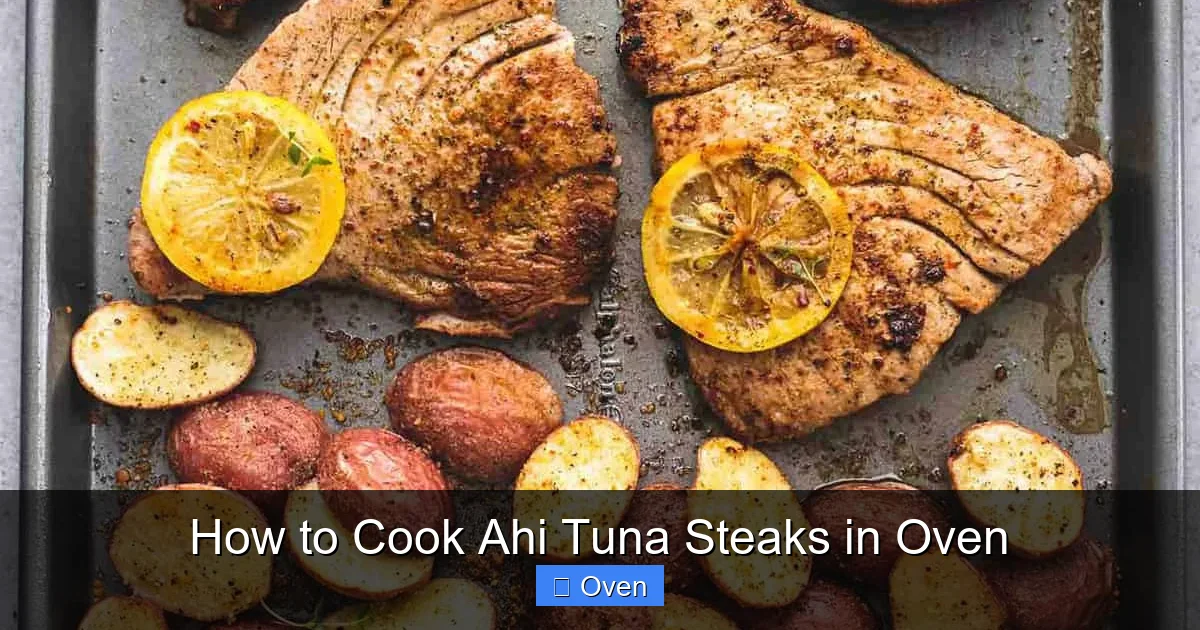
Preheat your oven to 400°F (200°C). This temperature is hot enough to sear the outside while keeping the inside tender. Place a wire rack on a baking sheet lined with parchment paper. The rack allows hot air to circulate around the tuna, ensuring even cooking. If you don’t have a rack, you can place the tuna directly on the baking sheet.
Visual guide about How to Cook Ahi Tuna Steaks in Oven
Image source: recipes.net
Adding Oil
Lightly brush the tuna with olive oil or avocado oil. These oils have high smoke points, making them ideal for high-temperature cooking. The oil helps conduct heat and adds flavor. You can also add a few drops of sesame oil for an Asian-inspired twist.
Cooking Time and Temperature
The Ideal Doneness
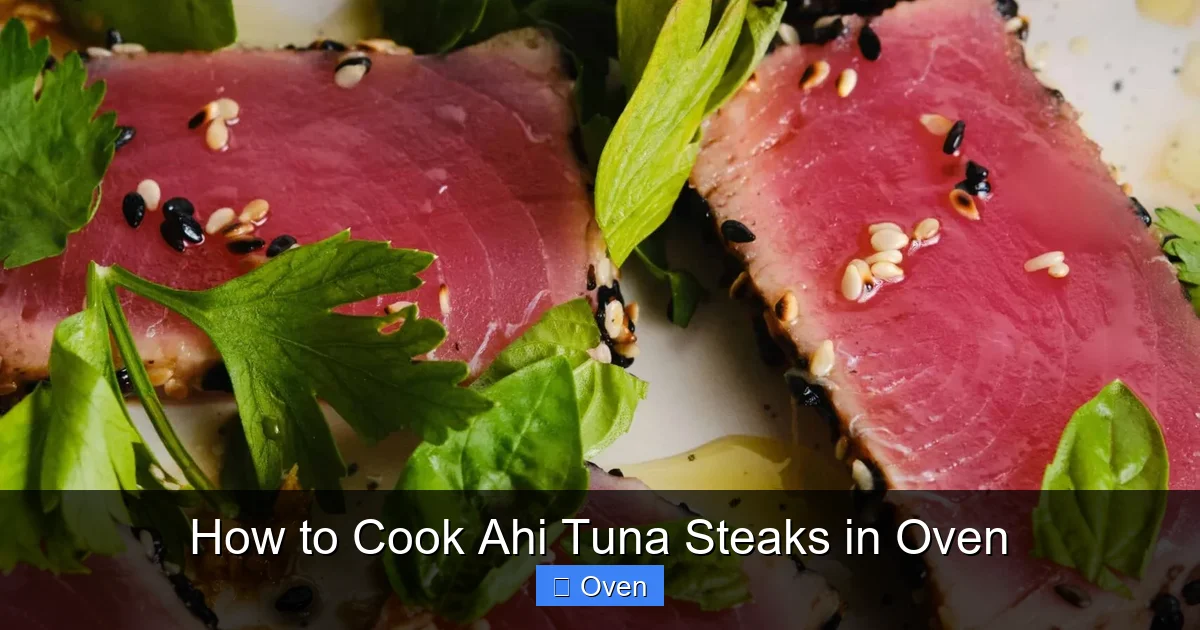
Ahi tuna is best served rare to medium-rare. Overcooking dries out the meat. For a 1-inch thick steak, bake for 8-10 minutes. For thicker cuts (1.5 inches), add 2-3 more minutes. The center should be pink and slightly translucent when done.
Checking for Doneness
Use a meat thermometer to check the internal temperature. For rare, aim for 110°F (43°C). For medium-rare, 120°F (49°C). If you don’t have a thermometer, gently press the center—it should feel soft but not mushy. Let the tuna rest for 5 minutes after cooking to allow juices to redistribute.
Serving Suggestions
Classic Pairings
Serve your ahi tuna steaks with a side of steamed broccoli, roasted asparagus, or a simple green salad. A drizzle of soy sauce or a squeeze of fresh lemon enhances the natural flavors. For a heartier meal, pair with quinoa or wild rice.
Garnishing Ideas
Garnish with chopped cilantro, green onions, or a sprinkle of sesame seeds. A light vinaigrette or teriyaki glaze adds a nice finishing touch. Avoid heavy sauces that might overpower the delicate taste of the tuna.
Common Mistakes and Tips
Overcooking
One of the most common mistakes is overcooking. Tuna cooks quickly, so keep a close eye on it. Even a minute or two too long can make it tough. Remember, it’s better to undercook slightly and let residual heat finish the job.
Uneven Cooking
To prevent uneven cooking, choose steaks of uniform thickness. If one side is thicker, trim it down. Also, avoid opening the oven door too often, as this can cause temperature fluctuations.
Another tip is to let the tuna rest before slicing. This allows the juices to settle, making each bite more flavorful. For a similar approach to other proteins, check out how to cook beef tenderloin steaks in the oven. Both require careful timing to achieve the right texture.
If you’re interested in other seafood methods, cooking sea scallops in the oven follows similar principles. Both benefit from high heat and quick cooking to maintain their delicate textures.
For those who enjoy experimenting, try cooking lamb chops in an air fryer oven. While different in flavor, the technique of monitoring internal temperature applies here too.
Lastly, if you’re preparing a full meal, consider how to cook chicken fillets in the oven. The oven’s versatility makes it easy to manage multiple dishes at once, ensuring everything is ready when you are.
Conclusion
Cooking ahi tuna steaks in the oven is a straightforward process that yields impressive results. By selecting quality fish, preparing it properly, and monitoring the cooking time, you can create a dish that rivals any restaurant. Remember to pair it with complementary sides and garnishes to elevate the meal. With practice, you’ll master this technique and impress your family and friends. Happy cooking!
Frequently Asked Questions
What’s the best temperature for cooking ahi tuna in the oven?
The ideal temperature is 400°F (200°C). This allows the exterior to sear while keeping the interior tender. Adjust the time based on thickness—thinner steaks need less time, while thicker ones may require a few extra minutes.
How do I know when ahi tuna is done cooking?
Check the internal temperature with a meat thermometer. For rare, aim for 110°F (43°C), and for medium-rare, 120°F (49°C). The center should be pink and slightly translucent. If unsure, gently press the center—it should feel soft but not mushy.
Can I marinate ahi tuna before cooking?
Yes! A quick marinade of olive oil, lemon juice, and herbs can enhance flavor. However, avoid marinating for too long, as the acid can start to “cook” the fish, similar to ceviche. 15-30 minutes is sufficient.
What sides go well with ahi tuna steaks?
Light sides like steamed vegetables, roasted asparagus, or a citrus salad complement ahi tuna nicely. For a heartier meal, try quinoa or wild rice. These options balance the richness of the tuna without overpowering it.
Is it safe to eat ahi tuna rare?
Yes, but only if the tuna is sushi-grade. This means it’s been frozen to kill parasites. Always purchase from a trusted source and ensure proper handling. If unsure, cook to medium-rare for added safety.
How long should I let the tuna rest after cooking?
Let the tuna rest for 5 minutes before slicing. This allows the juices to redistribute, making each bite more flavorful. Resting also prevents the meat from drying out when cut immediately.