How to Cook Beef Chuck Roast in the Oven
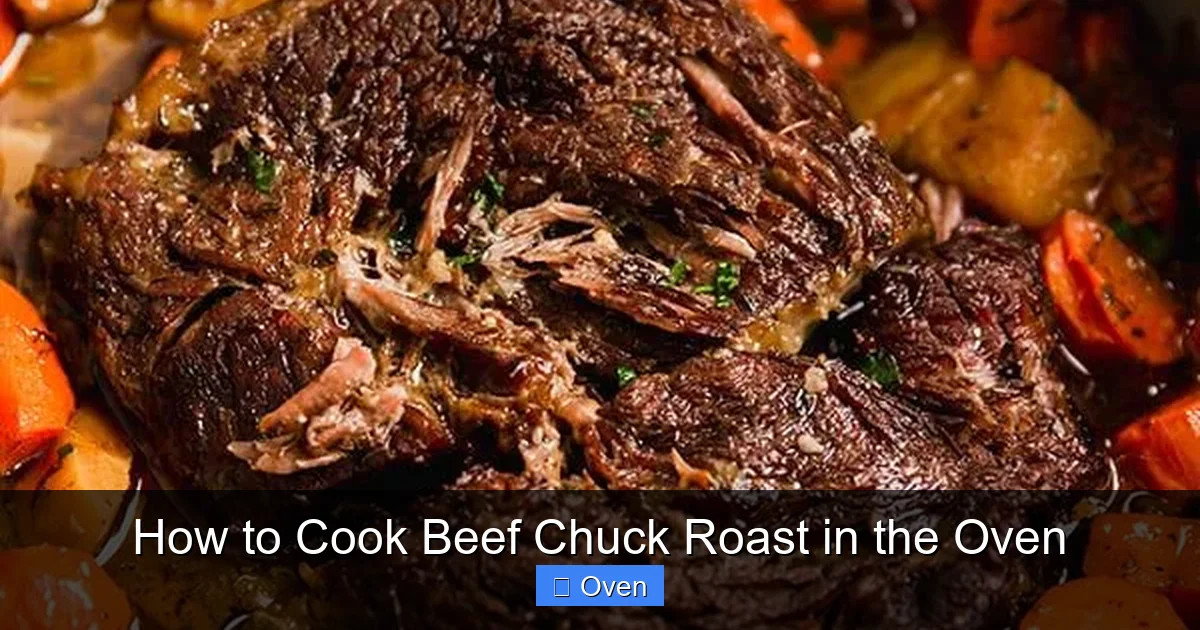
Looking for a juicy, melt‑in‑your‑mouth chuck roast without the guesswork? This guide walks you through seasoning, searing, and slow‑roasting the perfect beef chuck roast in the oven, plus handy side‑dish ideas and troubleshooting tips. Follow the simple steps and enjoy a restaurant‑quality meal at home.
Key Takeaways
- Season early: Let the roast sit with dry rub for at least 30 minutes (or overnight) for deeper flavor.
- Sear first: A hot skillet creates a caramelized crust that locks in juices.
- Low and slow: Roast at 275 °F–300 °F for tender, pull‑apart meat.
- Use a liquid: Adding broth, wine, or water creates steam and prevents drying.
- Rest before slicing: 15–20 minutes lets juices redistribute for maximum juiciness.
- Versatile sides: Pair with roasted veggies or a baked potato for a complete meal.
- Leftover magic: Shred leftovers for tacos, sandwiches, or hearty soups.
📑 Table of Contents
Introduction: Why the Chuck Roast Deserves a Spot in Your Oven
If you’ve ever stared at a tough‑looking cut of beef and wondered if it could ever be tender, the answer is a resounding yes—once you know how to cook beef chuck roast in the oven. Chuck comes from the shoulder area, packed with connective tissue that turns gelatinous and buttery when cooked low and slow. That means a little patience rewards you with a fall‑apart roast that’s perfect for family dinners, meal prep, or a cozy weekend feast.
Unlike a quick grill or pan‑sear, oven‑roasting allows you to control temperature, moisture, and flavor all in one go. In this article we’ll break down every step, from picking the right roast to serving suggestions, so you can feel confident pulling a beautiful, juicy chuck roast out of your oven every single time.
Choosing the Right Chuck Roast
Size matters
Most grocery stores sell chuck roasts ranging from 2 lb to 5 lb. For a standard family of four, a 3‑ to 4‑pound roast is ideal—it yields enough meat for leftovers without taking forever to cook. If you’re feeding a crowd, go bigger, but remember that larger roasts need a little more cooking time.
Visual guide about How to Cook Beef Chuck Roast in the Oven
Image source: fooddolls.com
Look for marbling
Marbling (the thin streaks of fat within the meat) is your secret weapon for flavor and moisture. Choose a roast with a good amount of visible marbling; it will melt into the meat as it cooks, keeping it juicy.
Fresh vs. frozen
Fresh chuck roast gives the best texture, but you can absolutely use a frozen one. If frozen, thaw it safely in the refrigerator for 24‑48 hours before you begin. Never try to cook a frozen roast directly in the oven—it will cook unevenly.
Preparing the Roast: Seasoning and Searing
Dry rub basics
A simple dry rub can be assembled with pantry staples:
Visual guide about How to Cook Beef Chuck Roast in the Oven
Image source: bestbeefrecipes.com
- 2 tbsp kosher salt
- 1 tbsp black pepper
- 1 tbsp garlic powder
- 1 tbsp onion powder
- 1 tsp smoked paprika (optional for a subtle smoky note)
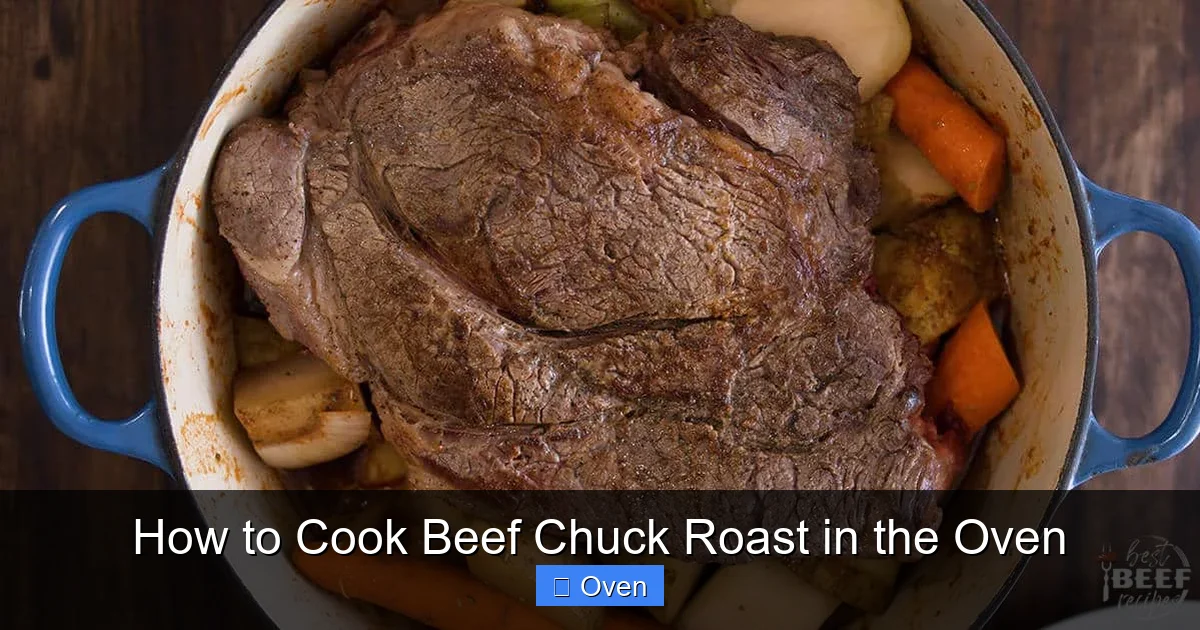
Mix the spices together and pat the roast dry with paper towels. Sprinkle the rub evenly on all sides, pressing gently to adhere.
Why you should let it sit
Allowing the seasoned roast to rest at room temperature for 30 minutes (or up to overnight in the fridge, covered) lets the salt draw out moisture, which then re‑absorbs, seasoning the meat from the inside out. This step is small but makes a big difference.
Searing for flavor
Heat a heavy skillet (cast iron works best) over medium‑high heat and add 2 tbsp of oil with a high smoke point, such as canola or grapeseed. When the oil shimmers, place the roast in the pan. Sear each side for 3‑4 minutes until a deep brown crust forms. This Maillard reaction creates the savory depth that will shine through the final dish.
Oven Roasting: Temperature, Time, and Liquid
Set the oven low
Preheat your oven to 275 °F (135 °C). A lower temperature means the connective tissue breaks down gently, resulting in a fork‑tender roast without drying out.
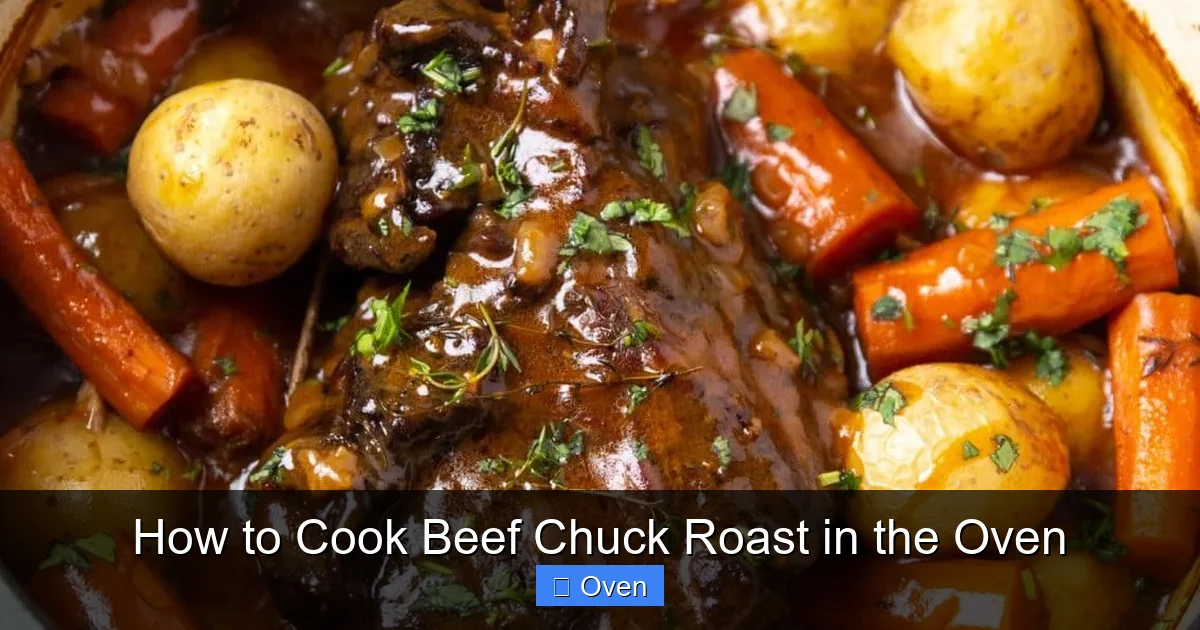
Visual guide about How to Cook Beef Chuck Roast in the Oven
Image source: gardeninthekitchen.com
Choosing the right pan
A sturdy, oven‑safe Dutch oven or a roasting pan with a lid works best. If you don’t have a lid, cover the pan tightly with aluminum foil. This traps steam and keeps the roast moist.
Adding liquid
Pour 1‑2 cups of liquid around the roast—beef broth, red wine, or even water with a splash of Worcestershire sauce. The liquid doesn’t need to cover the meat; it just needs to create steam. For extra flavor, toss in aromatics like carrots, onions, and celery.
Cooking time guide
As a rule of thumb, allow 45‑50 minutes per pound at 275 °F. A 3‑lb roast will take about 2 ½ hours, while a 5‑lb roast needs roughly 4 hours. The goal is an internal temperature of 190‑200 °F (88‑93 °C) for a pull‑apart texture. Use a meat thermometer inserted into the thickest part (avoid the bone if you have one).
Optional: Finish with a high‑heat blast
If you love a crispier crust, raise the oven temperature to 425 °F (220 °C) for the last 15 minutes of cooking. Keep a close eye on it—once the exterior is deep brown, remove it to avoid burning.
Resting, Slicing, and Serving
The importance of rest
When the roast reaches the target temperature, remove it from the oven and let it rest, covered loosely with foil, for 15‑20 minutes. Resting lets the juices redistribute, giving you a moist slice instead of a puddle on the plate.
Slicing vs. shredding
For a classic roast dinner, slice the meat against the grain into ½‑inch thick pieces. If you prefer a pulled‑beef style, use two forks to shred the meat—perfect for tacos, sandwiches, or the beef stew you love.
Side‑dish ideas
Serve your chuck roast with roasted root vegetables, a fresh green salad, or a hearty baked potato. For a quick potato side, check out our guide on how to cook a baked potato in the Ninja Air Fryer—it’s ready in minutes while the roast rests.
Tips, Troubleshooting, and Variations
Common pitfalls
- Dry roast: Happens when the oven is too hot or the roast isn’t covered. Keep the temperature low and use a lid or foil.
- Tough texture: May indicate the roast was cooked at a high temperature for too short a time. Slow‑cook low, and you’ll get that melt‑away tenderness.
- Uneven cooking: Rotate the pan halfway through the cooking time to ensure uniform heat.
Flavor twists
Want to switch things up? Try these variations:
- Asian‑inspired: Add soy sauce, ginger, and a dash of five‑spice to the liquid.
- Herb‑butter finish: Mix softened butter with fresh rosemary, thyme, and minced garlic; dollop over the roast during the last 30 minutes.
- Spicy kick: Stir in a tablespoon of chipotle in adobo sauce into the broth for a smoky heat.
Using leftovers creatively
Leftover chuck roast is a kitchen goldmine. Shred it for beef taquitos in the air fryer, toss it into a hearty soup, or make a comforting sandwich with melted cheese.
Conclusion: Mastering the Oven Roast
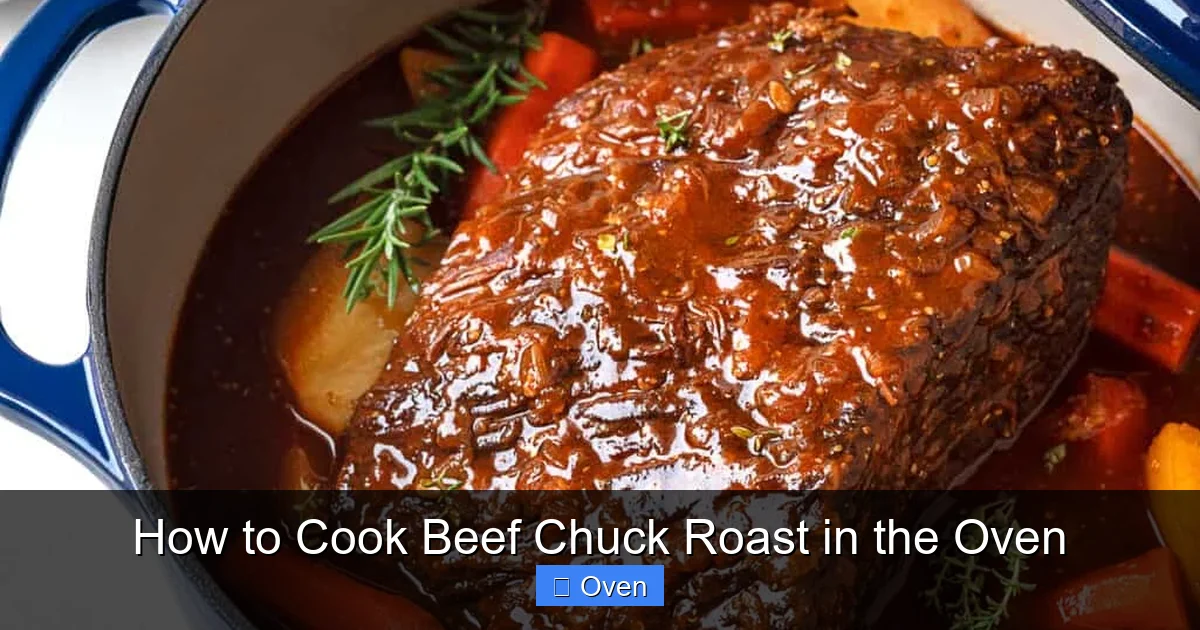
Cooking beef chuck roast in the oven isn’t rocket science—it’s a blend of good ingredients, proper technique, and a little patience. By selecting a well‑marbled cut, seasoning it early, searing for flavor, and roasting low and slow with a splash of liquid, you’ll achieve a roast that’s tender, juicy, and packed with flavor. Pair it with your favorite sides, rest it properly, and you’ve got a meal that feels as special as a restaurant dinner but is made right at home.
Give this method a try this weekend, and you’ll discover why the chuck roast is a beloved staple for home cooks everywhere. Happy roasting!
Frequently Asked Questions
How long should I let a seasoned chuck roast sit before cooking?
Ideally 30 minutes at room temperature, or up to overnight in the refrigerator covered. This helps the rub penetrate and improves flavor.
Do I need to cover the roast while it’s in the oven?
Yes. Covering with a lid or foil traps steam, keeping the meat moist and preventing a dry exterior.
What internal temperature indicates the roast is done?
For pull‑apart tenderness aim for 190‑200 °F (88‑93 °C). Use a meat thermometer to check the thickest part of the roast.
Can I add vegetables to the roasting pan?
Absolutely. Carrots, onions, potatoes, and celery can roast alongside the meat, soaking up the flavorful juices.
Is it okay to use a convection oven?
Yes, but reduce the temperature by 25 °F (about 14 °C) and check the roast a bit earlier, as convection cooks faster.
How should I store leftovers?
Place sliced or shredded meat in an airtight container, refrigerate for up to 4 days, or freeze for up to 3 months. Reheat gently to keep it juicy.