How to Cook Coho Salmon in the Oven
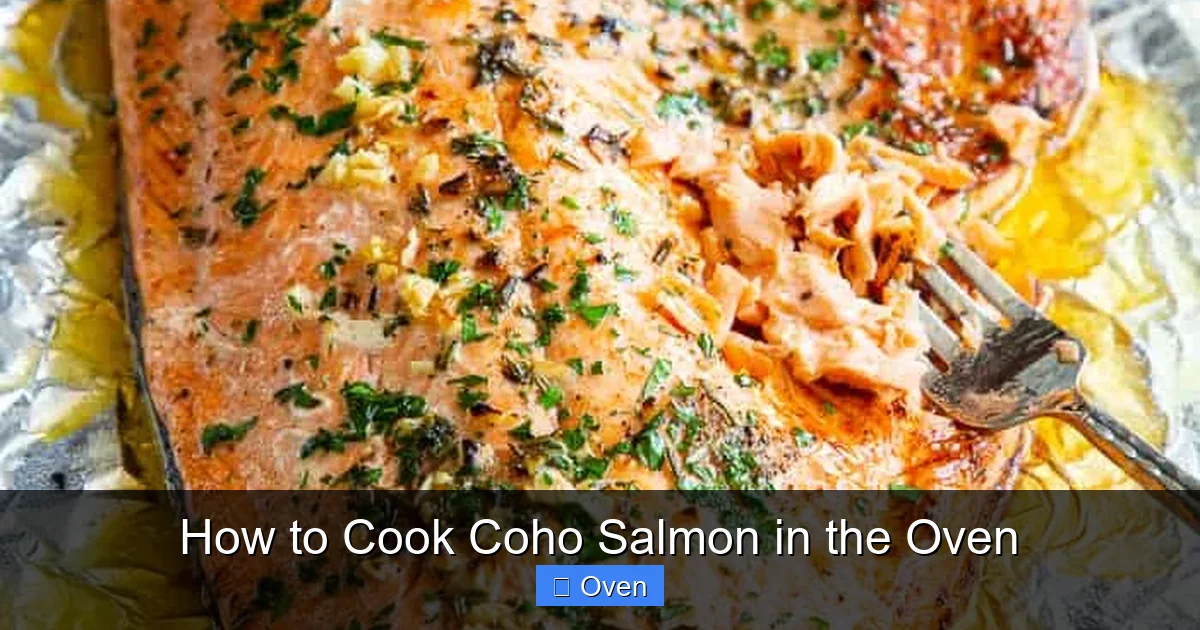
Discover the simple steps to bake tender, flavorful coho salmon in the oven. This guide covers prep, seasoning, timing, and serving tips for perfect results every time.
Key Takeaways
- Choose Fresh Coho: Select bright, firm fillets for the best flavor and texture.
- Prep Smart: Pat dry, season simply, and let sit for even seasoning.
- Oven Temperature: Use 375°F (190°C) for consistent, juicy bake.
- Cook Time Matters: 12‑18 minutes depending on thickness; check for flake.
- Rest Before Serving: Rest 5 minutes to redistribute juices for perfect bite.
- Serve Versatile: Pair with veggies, grains, or a light sauce for a complete meal.
📑 Table of Contents
How to Cook Coho Salmon in the Oven
If you’re looking for a reliable method to enjoy the mild, buttery flavor of coho salmon, learning how to cook coho salmon in the oven is a game‑changer. This technique gives you hands‑free cooking, even heat distribution, and minimal cleanup. Whether you’re cooking for one or a crowd, the oven can deliver perfectly flaky, moist fillets every time. In this guide on how to cook coho salmon in the oven, we’ll walk you through selection, preparation, seasoning, timing, and serving ideas. By the end, you’ll feel confident tackling coho salmon with the same ease as more familiar proteins.
The beauty of the oven method is its simplicity. Unlike stovetop techniques, you don’t need to watch constantly or worry about scorching. All you need is a preheated oven, a baking sheet, and a few pantry staples. We’ll also share handy tips—like how to keep the skin crisp if you like it, how to add extra flavor with a quick marinade, and how to know exactly when the fish is done without over‑cooking. Let’s dive in and make coho salmon a regular part of your dinner rotation.
Choosing and Preparing Your Coho Salmon
Selecting the Best Fillets
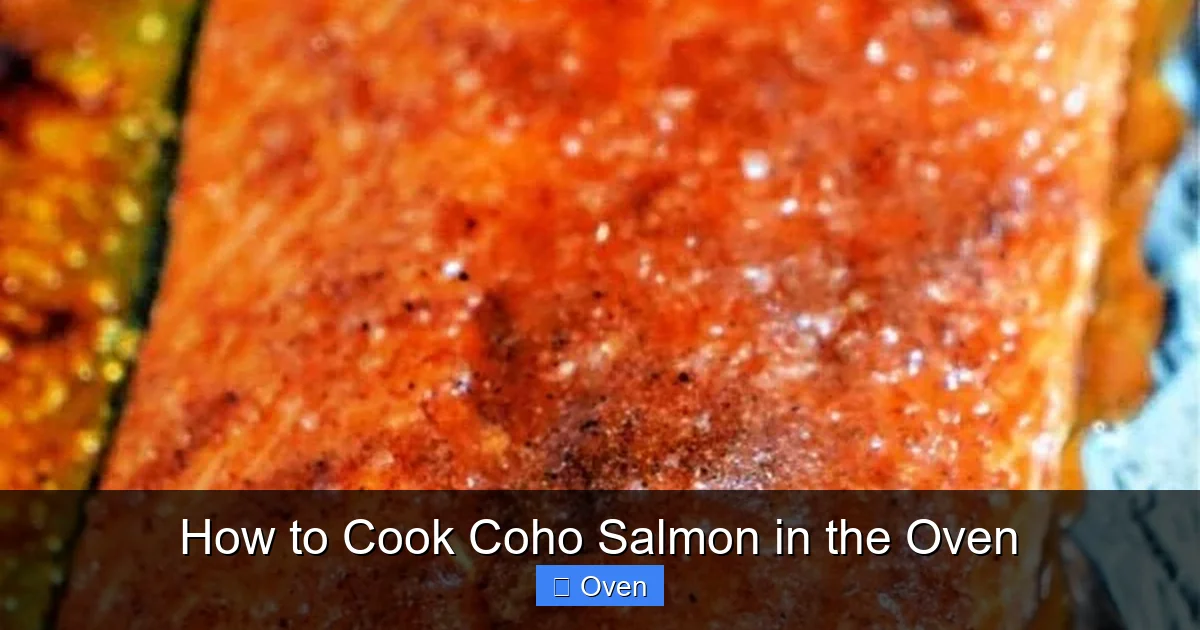
When you start your journey on how to cook coho salmon in the oven, the first step is picking the right fish. Look for fillets that are bright, iridescent, and free of any brown spots. The flesh should be a vibrant salmon pink, and the fish should smell lightly of the sea, not fishy. Choose fillets that feel firm to the touch; they should spring back when you press gently. If you’re buying whole coho, pick one that has clear eyes and bright red gills—signs of freshness.
Visual guide about How to Cook Coho Salmon in the Oven
Image source: temeculablogs.com
Size matters for even cooking. Aim for fillets that are about 1‑inch thick. Thinner fillets cook faster and can dry out, while thicker ones may need extra time in the center. If you have a larger piece, consider cutting it into uniform portions so every bite cooks at the same rate. This also helps when you want to serve individual portions on a plate.
Cleaning and Patting Dry
Proper cleaning is essential for any fish, and coho is no exception. Rinse the fillet under cold running water to remove any blood or debris. Use a paper towel or clean kitchen towel to pat the fish completely dry. Removing excess moisture helps the seasoning adhere and creates a nicer crust when baked. If you plan to keep the skin on, gently scrape away any remaining scales with the back of a knife, then rinse again and pat dry.
Some cooks like to fillet the fish themselves. If you’re buying a whole coho, you’ll need to gut and fillet it. This can be done with a sharp fillet knife. Once you have the fillet, repeat the pat‑dry step. A dry surface is the foundation for a successful bake.
Setting Up the Oven and Seasoning
Preheating and Preparing the Baking Sheet
Before you even think about placing the salmon in the oven, make sure it’s fully preheated. For coho, 375°F (190°C) is the sweet spot. This temperature provides enough heat to crisp the exterior while keeping the interior moist. Preheat for at least 15 minutes. While the oven heats, line a baking sheet with parchment paper or a light coat of olive oil. Parchment prevents sticking and makes cleanup easy.
Visual guide about How to Cook Coho Salmon in the Oven
Image source: lecremedelacrumb.com
If you want a crisp skin, place the fillet skin‑side down on the sheet. For a softer exterior, you can flip the fillet after the initial bake time. Some chefs also place a rack inside the sheet to allow air circulation underneath the fish. This helps achieve an even golden crust.
Simple Seasoning Options
When it comes to seasoning, less is often more with coho salmon. A light brush of olive oil helps the seasonings stick and adds moisture. Squeeze fresh lemon juice over the fillet for brightness. Sprinkle with salt and pepper to taste. For extra depth, you can add dried herbs like dill, thyme, or rosemary. A pinch of garlic powder or onion powder adds subtle sweetness without overwhelming the delicate flavor.
If you’re interested in a quick flavor boost, a simple marinade works wonders. Mix together a tablespoon of soy sauce, a teaspoon of honey, and a splash of orange juice. Rub this mixture onto the salmon and let it sit for 10‑15 minutes. This not only adds flavor but also helps keep the fish moist during baking. Remember, the key is not to over‑season; coho has a mild taste that shines when highlighted.
Optional Flavor Enhancements
You can also experiment with toppings. A handful of chopped fresh herbs, a drizzle of butter, or a sprinkle of toasted nuts add texture and taste. If you enjoy a smoky note, you might try a quick smoky paprika sprinkle. For those who like a bit of heat, a light dusting of cayenne works well. These additions keep each bake unique while staying true to the simple approach of how to cook coho salmon in the oven.
Baking the Perfect Coho Salmon
Positioning the Fillet
Once your oven is hot and your sheet is ready, it’s time to place the salmon. If you’re using a skin‑on fillet, lay it skin‑side down. This helps the skin become crisp and prevents the flesh from sticking to the pan. For skinless fillets, you can place them either way; the parchment will prevent sticking. Use a spatula to gently position the fish, avoiding tearing the fillet.
Visual guide about How to Cook Coho Salmon in the Oven
Image source: static01.nyt.com
If you’re cooking multiple fillets, arrange them in a single layer with a small gap between each piece. Overcrowding the sheet can cause uneven cooking and steam buildup. If you have a large fillet, you can fold it in half or create a fan shape to allow air to flow evenly around the fish.
Calculating Cooking Time
The general rule for how to cook coho salmon in the oven is 12‑18 minutes at 375°F, depending on thickness. For a 1‑inch thick fillet, start checking after 12 minutes. Insert a toothpick or a small fork into the thickest part of the fillet. If the meat flakes easily and looks opaque throughout, it’s done. If it still appears translucent or raw in the center, return it to the oven for a few more minutes.
Remember, the oven may vary, so use a thermometer for precision if you have one. The internal temperature should reach 145°F (63°C) for safe consumption. This is the USDA recommended temperature for fish. Use an instant-read thermometer inserted into the thickest part of the fillet, being careful not to touch the pan.
Finishing Touches
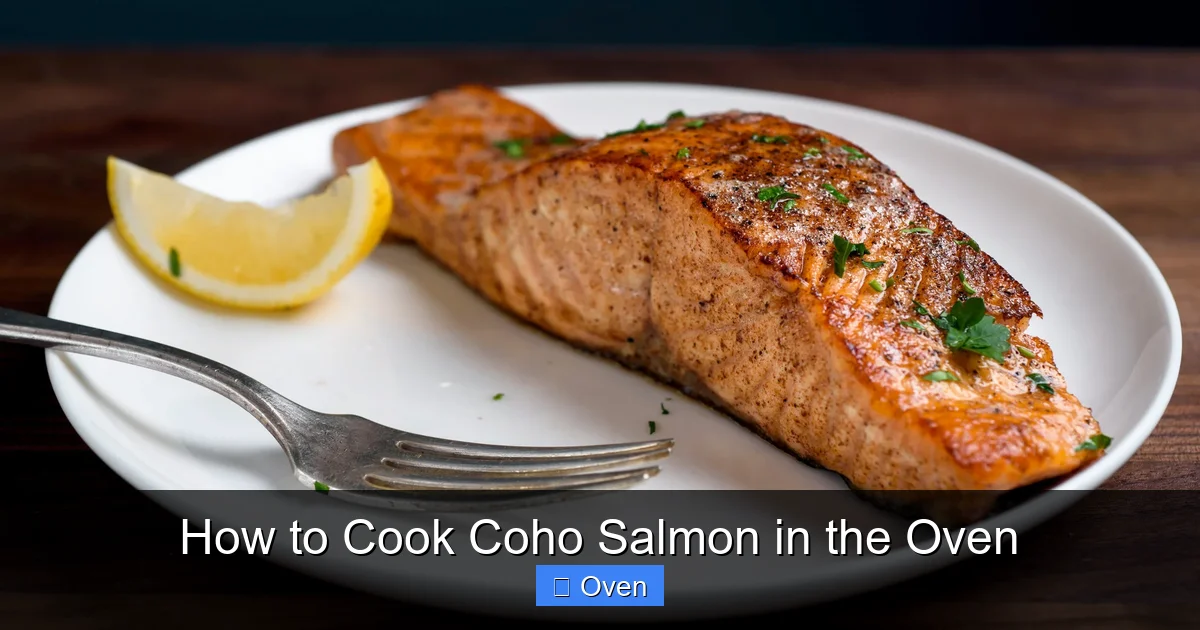
When the salmon reaches the desired doneness, remove the sheet from the oven using oven mitts. If you want a glossy finish, brush the fillet lightly with melted butter or a drizzle of olive oil. For a burst of freshness, squeeze a bit of fresh lemon juice over the top. Let the salmon rest on the sheet for a couple of minutes; this allows the juices to redistribute, giving you a perfectly moist bite.
If you’re serving immediately, slide the fillet onto a plate. If you prefer to rest the fish for a few minutes before plating, cover it loosely with foil. This keeps the heat in and prevents drying out. Resting for 5 minutes is enough time for the internal temperature to stabilize and the flavors to meld.
Tips for Perfect Doneness and Flavor Boosts
Using a Timer and Visual Cues
Even with a timer, visual cues are your best friends when mastering how to cook coho salmon in the oven. The color changes from translucent to opaque as it cooks. The edges will turn a light golden brown, and the surface will feel slightly firm to the touch. If you’re unsure, a quick test is to gently press the fillet with your fingertip; it should feel springy and not mushy.
If you want a crispy skin, you can increase the temperature slightly for the final minute. Move the sheet to the top rack or increase to 400°F (200°C) for just 1‑2 minutes after the main cook time. This quick blast will give you a nice crunch without drying out the flesh.
Adding Moisture and Flavor
To keep the salmon extra moist, you can add a splash of water or broth to the bottom of the baking sheet. Place the fillet on a bed of thinly sliced onions, lemon slices, or cherry tomatoes. These vegetables release steam and create a moist cooking environment. The aromatics also infuse the salmon with subtle flavors.
For a richer taste, consider a quick glaze. Mix together a tablespoon of Dijon mustard, a teaspoon of honey, and a splash of apple cider vinegar. Brush this mixture over the salmon during the last 5 minutes of baking. This creates a sweet‑tangy coating that complements the mild fish flavor.
Creative Pairings
Once you’ve nailed the basics of how to cook coho salmon in the oven, you can experiment with toppings and sides. A sprinkle of toasted sesame seeds adds an Asian twist. Fresh capers and dill work well for a Mediterranean vibe. If you enjoy a bit of heat, a drizzle of sriracha sauce over the finished fillet adds a kick.
Serve the baked salmon with a side of roasted asparagus, quinoa, or a simple mixed green salad. The clean, buttery taste of coho pairs nicely with crisp vegetables and light grains. You can also create a quick sauce by mixing Greek yogurt with chopped chives and lemon zest for a creamy dip.
Serving and Storage
Plate and Present
When it comes to plating, presentation matters. Place the baked coho fillet on a warm plate to keep it hot longer. Garnish with a few fresh herbs like cilantro or parsley. A drizzle of olive oil or a few squeezes of lemon juice adds shine and aroma. If you’re using the skin, keep it intact for visual appeal; it adds a subtle crunch when you bite into it.
For a more elegant look, you can slice the salmon diagonally, creating a fan shape on the plate. This works especially well when you have a larger fillet. Pair the fish with a small bowl of cooked rice or a mound of roasted potatoes for a complete meal.
Storing Leftovers
If there are any leftovers, cool the salmon to room temperature, then store it in an airtight container. Refrigerate for up to two days. The flavor remains great when reheated gently in the microwave or on a stovetop, ensuring you don’t dry it out. If you’re planning to freeze, wrap the fillet tightly in plastic wrap, then add a layer of aluminum foil. Coho salmon can be frozen for up to three months. When you’re ready to eat, thaw in the refrigerator overnight and bake again using the same guidelines for how to cook coho salmon in the oven.
Avoid reheating in a hot oven unless you want a crisp finish. A quick pan‑sear or a splash of broth in a skillet works well for reheating without sacrificing moisture.
Conclusion
Mastering how to cook coho salmon in the oven opens up a world of simple, delicious meals. With just a few steps—choosing fresh fillets, patting them dry, seasoning lightly, and baking at the right temperature—you’ll consistently achieve flaky, moist results. The oven method frees up your stovetop, reduces constant monitoring, and yields a perfectly cooked piece of fish every time.
Feel free to experiment with herbs, sauces, and cooking times to make the dish your own. Whether you serve it with a crisp salad, a side of roasted vegetables, or a light grain, coho salmon is versatile and healthy. Keep this guide handy, and soon you’ll be sharing the joy of perfectly baked coho salmon with friends and family. Enjoy the process, savor the flavor, and let the oven do the heavy lifting.
Frequently Asked Questions
Can I bake coho salmon without any oil?
Yes, you can bake coho salmon with minimal oil. A light brush of olive oil helps seasoning stick, but you can also use a spray of water or a splash of broth. Parchment paper prevents sticking, so the fish stays moist even without extra oil.
What is the best temperature to bake coho salmon?
375°F (190°C) is ideal for coho salmon. It cooks evenly, keeps the flesh moist, and helps the exterior develop a nice golden crust. For a crispier skin, you can finish at 400°F (200°C) for the last minute.
How do I know when the salmon is done?
Insert a fork or toothpick into the thickest part of the fillet. If the meat flakes easily and appears opaque throughout, it’s done. The internal temperature should reach 145°F (63°C) for food safety.
Can I add a marinade before baking?
Absolutely. A simple marinade of soy sauce, honey, orange juice, and a touch of garlic works well. Let the salmon sit for 10‑15 minutes to absorb flavor and stay moist during baking.
How should I store leftover baked coho salmon?
Cool to room temperature, then place in an airtight container. Refrigerate for up to two days. For longer storage, wrap tightly in plastic wrap and foil, then freeze for up to three months. Reheat gently in a skillet or microwave.
Is it better to keep the skin on or off when baking?
The skin adds texture and flavor, especially if you want a crispy exterior. Keep it on and place the fillet skin‑side down on the baking sheet. If you prefer a softer bite, you can bake skin‑side up or remove the skin before cooking.