How to Cook Frozen Food in Toaster Oven
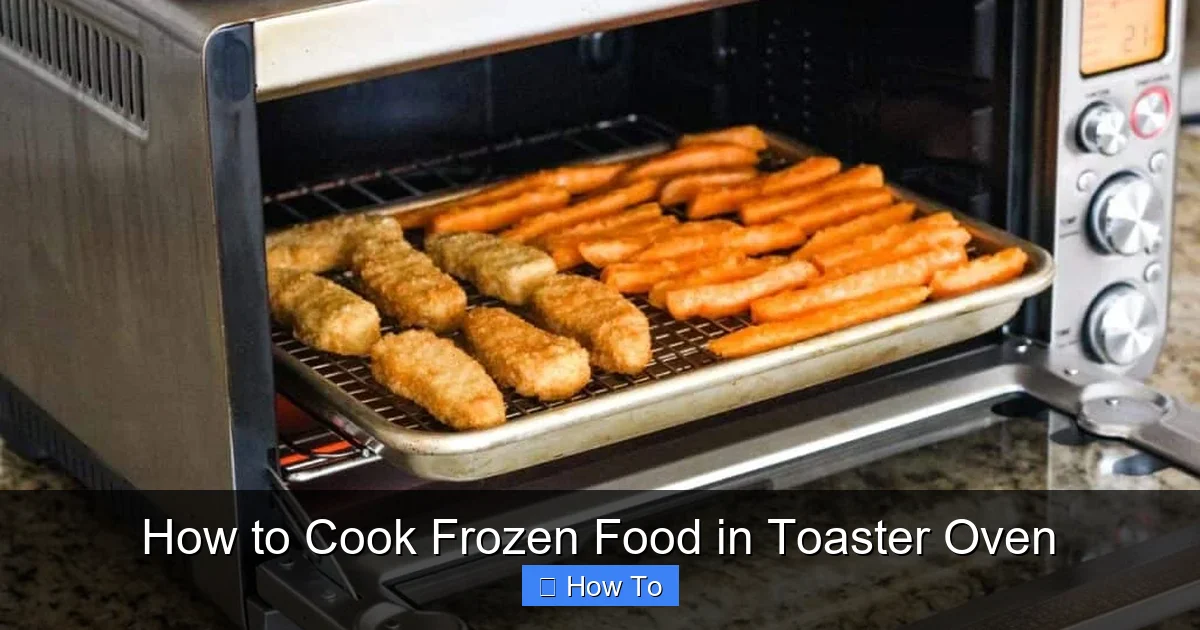
Cooking frozen food in a toaster oven is convenient and delicious when you know the right techniques. This guide covers temperature adjustments, timing tips, and preparation methods to help you achieve perfectly cooked frozen meals every time.
Key Takeaways
- Temperature Adjustment: Reduce heat by 25°F compared to conventional oven cooking times for even heating.
- Preparation Matters: Remove excess packaging and arrange items in a single layer for optimal air circulation.
- Timing Flexibility: Check doneness 5-10 minutes before recommended time and adjust accordingly.
- Ventilation Importance: Ensure proper airflow around the appliance to prevent overheating and uneven cooking.
- Food Safety First: Always verify internal temperatures reach safe levels, especially for meat and poultry items.
- Cleaning Consideration: Line trays with parchment paper or aluminum foil for easier cleanup of messy frozen foods.
📑 Table of Contents
- Getting Started: Why Your Toaster Oven Is Perfect for Frozen Foods
- Essential Preparation Steps Before Cooking
- Temperature and Time Adjustments
- Practical Cooking Methods and Techniques
- Specific Food Categories and Best Practices
- Troubleshooting Common Problems
- Safety Tips and Best Practices
- Conclusion: Mastering Frozen Food Excellence
Getting Started: Why Your Toaster Oven Is Perfect for Frozen Foods
Let’s be honest – we’ve all been there. It’s 8 PM, you’re exhausted, and the thought of cooking from scratch feels impossible. That’s where your trusty toaster oven comes to the rescue. More than just a breakfast appliance, this compact powerhouse can handle everything from frozen pizza to chicken nuggets with impressive results.
How to cook frozen food in toaster oven isn’t just about throwing something in and hoping for the best. There’s actually a bit of science involved, and once you understand the basics, you’ll wonder why you ever relied on the microwave for these tasks.
Your toaster oven works differently from a full-sized oven. It’s smaller, which means the heating elements are closer to your food. This might sound like it would cook faster, but it also means you need to be more careful about temperature control and placement.
Understanding Heat Distribution
Toaster ovens typically use radiant heat from top and bottom elements. Unlike conventional ovens that circulate hot air, most toaster ovens rely on direct heat. This means food cooks from the outside in, which is actually perfect for many frozen items.
However, this also means you need to pay attention to hot spots. Rotate your food halfway through cooking to ensure even browning. And remember, because the chamber is smaller, temperature changes happen more quickly than in a standard oven.
Essential Preparation Steps Before Cooking
Before you plug in your toaster oven and start cooking, there are several important preparation steps that will make or break your frozen food experience. Skipping these can lead to soggy pizza, burnt edges, or undercooked centers.
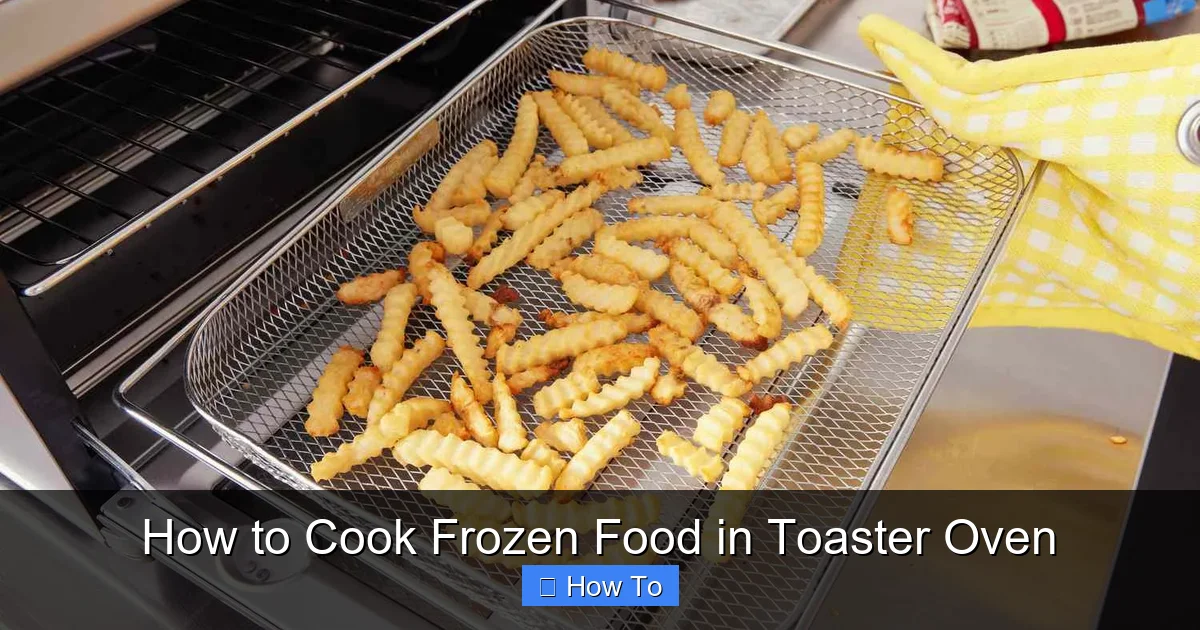
Visual guide about How to Cook Frozen Food in Toaster Oven
Image source: recipes.net
Removing Packaging Safely
Always check the packaging first. Many frozen foods come with instructions specifically for conventional ovens, but you’ll need to adapt these for your toaster oven. Remove any plastic wrap, twist ties, or non-heat-safe materials.
Some packaging, like certain cardboard pizza boxes, can actually go in the oven. However, others explicitly warn against it. When in doubt, transfer your food to an oven-safe dish or directly onto the rack.
Thawing vs. Cooking From Frozen
While it’s tempting to throw frozen food directly into a hot oven, some items benefit from partial thawing. Items like thick chicken breasts or large portions of frozen vegetables will cook more evenly if allowed to thaw slightly.
For most frozen convenience foods though, cooking from frozen is perfectly fine and often preferred. The key is adjusting your expectations for cooking time – you’ll typically need to add 10-25% more time compared to thawed equivalents.
Preheating Your Toaster Oven
Yes, you should preheat your toaster oven just like a regular oven. This ensures consistent cooking temperatures and helps achieve that perfect crispy exterior on frozen foods.
Temperature and Time Adjustments
One of the biggest mistakes people make when cooking frozen food in toaster ovens is using the same temperature and time guidelines as conventional ovens. While the difference isn’t dramatic, it’s enough to affect your results.
The Basic Rule: Lower and Slower
As a general rule, reduce the cooking temperature by 25°F from what the package recommends. So if your frozen pizza says to bake at 425°F, try 400°F in your toaster oven instead.
For example, if you’re making frozen french fries in your toaster oven, instead of following the bag’s recommendation of 450°F for 20 minutes, try 425°F for 22-25 minutes. This prevents burning while still achieving that golden crispiness we all crave.
Checking for Doneness
Rather than relying solely on time, develop the habit of checking your food visually and with a thermometer when possible. Frozen foods are done when they’re heated through and reach appropriate internal temperatures.
For meats, the USDA recommends minimum internal temperatures: 165°F for poultry, 145°F for fish, and 160°F for ground meats. Keep these numbers handy while cooking frozen convenience foods.
Adjusting for Different Types of Frozen Foods
Different frozen foods require different approaches:
- Pizza and Flatbreads: Higher heat (400-425°F) for crisp crust
- Chicken Nuggets and Tenders: Medium heat (375°F) for 15-20 minutes
- Frozen Vegetables: Higher heat (425°F) for 12-15 minutes
- Frozen Fries: High heat (425-450°F) for 20-25 minutes
Practical Cooking Methods and Techniques
Now that you understand the theory, let’s dive into specific techniques that will transform your frozen food game. These methods work whether you’re cooking a single serving or feeding a family.
Visual guide about How to Cook Frozen Food in Toaster Oven
Image source: i.pinimg.com
Using Baking Sheets and Racks Properly
Arrange your frozen food in a single layer whenever possible. Overcrowding leads to steaming rather than crisping, which defeats the purpose of using an oven instead of a microwave.
The Two-Phase Cooking Method
For thicker frozen items, try this technique: Start at a lower temperature (around 325°F) for the first half of cooking to thaw and cook through, then increase to a higher temperature (375-400°F) for the final portion to achieve browning and crispiness.
This method works especially well for frozen chicken pot pies or other items with both crust and filling components. The initial lower temperature prevents the outside from burning while the inside finishes cooking.
Broiling for Extra Crispiness
Specific Food Categories and Best Practices
Different types of frozen foods have unique requirements. Let’s break down the best approaches for common categories you’re likely to have in your freezer.
Frozen Appetizers and Snacks
Items like mozzarella sticks, jalapeño poppers, and frozen appetizer platters generally cook well at 375-400°F. Arrange them on a baking sheet with a little space between each piece.
Frozen Meals and Entrees
Frozen dinners and entrees often come with detailed cooking instructions, but these are usually calibrated for larger ovens. Reduce the temperature by 25°F and check for doneness 5 minutes before the suggested time.
Baked Goods and Desserts
Frozen cookies, cinnamon rolls, and other baked goods behave similarly to their fresh counterparts. The key is ensuring even heat distribution so nothing burns on top while remaining doughy underneath.
Troubleshooting Common Problems
Food Is Burning on Top But Raw Inside
This classic problem usually means your temperature is too high. Reduce heat by another 25°F and consider covering the food loosely with aluminum foil to prevent further browning while the interior finishes cooking.
Food Is Soggy Instead of Crispy
Uneven Cooking
Safety Tips and Best Practices
Food Safety Guidelines
Appliance Care
Energy Efficiency Tips
Conclusion: Mastering Frozen Food Excellence
Cooking frozen food in a toaster oven doesn’t have to be a guessing game. With the right techniques – proper temperature adjustment, adequate preparation, and attention to cooking indicators – you can achieve results that rival or even surpass conventional oven cooking.
Frequently Asked Questions
Can I cook frozen food in a toaster oven without thawing?
Yes, most frozen foods can be cooked directly from frozen in a toaster oven. However, you’ll need to adjust cooking times and temperatures – typically adding 10-25% more time and reducing heat by 25°F compared to conventional oven instructions.
What temperature should I use for frozen pizza in a toaster oven?
For frozen pizza, set your toaster oven to 400-425°F (reducing from typical 425-450°F recommendations). Cook for 12-18 minutes depending on thickness, and check that the crust is golden and cheese is bubbly.
Do I need to preheat my toaster oven for frozen foods?
Yes, preheating your toaster oven for 5-10 minutes ensures even cooking and proper crisping. This is especially important for items like frozen french fries or chicken nuggets that benefit from immediate high heat.
How do I prevent frozen food from getting soggy in a toaster oven?
To prevent sogginess, arrange food in a single layer, use a wire rack when possible, and avoid overcrowding. For extra crispiness, finish with 2-3 minutes on broil mode.
Is it safe to use the original packaging when cooking frozen foods?
Check packaging carefully – some materials are oven-safe while others are not. Transfer food to oven-safe dishes when uncertain, and always remove plastic wraps, twist ties, and non-heat-safe materials before cooking.
What’s the best way to reheat leftover frozen food in a toaster oven?
For reheating, use 325-350°F and check every 5 minutes. Cover with foil if edges are browning too quickly. This gentle reheating method preserves texture better than microwave reheating.