How to Cook Honey Baked Ham in the Oven
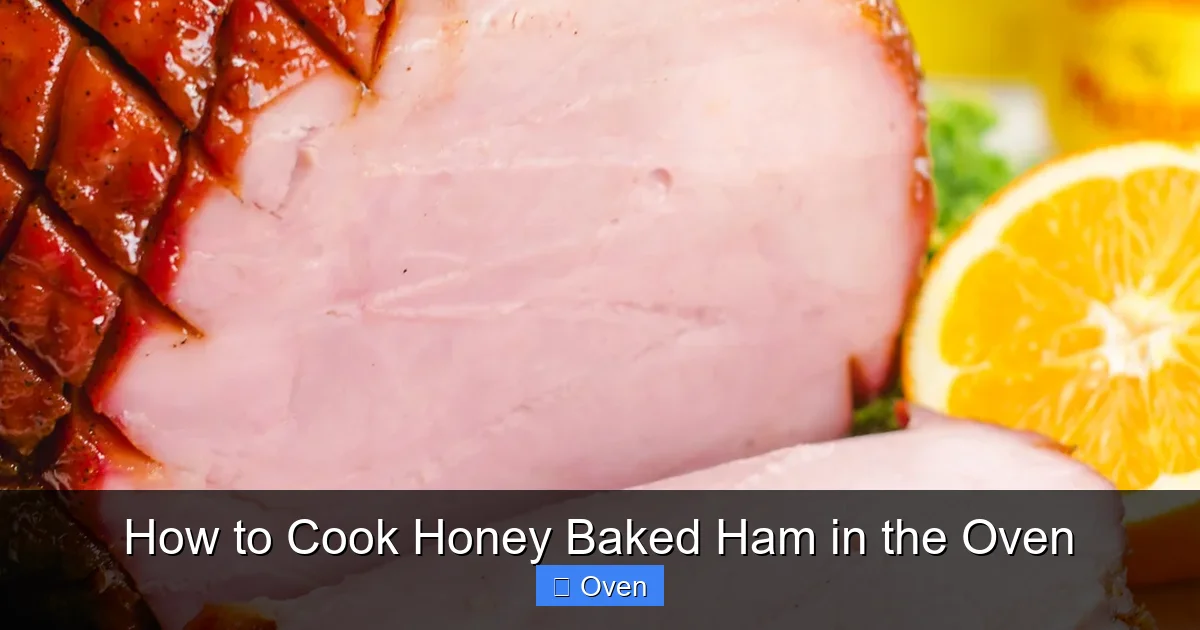
Cooking a honey‑baked ham in the oven is easier than you think. Follow our step‑by‑step guide, from prepping the glaze to mastering the perfect bake, and you’ll serve a sweet, succulent centerpiece that looks restaurant‑ready. All the tips, tricks, and timing cues are right here.
Key Takeaways
- Choose the right cut: A bone‑in, fully cooked ham gives the best flavor and moisture.
- Score the surface: Cross‑hatch the skin to let the glaze seep in and create a pretty pattern.
- Make a simple honey glaze: Honey, brown sugar, mustard, and a splash of apple cider keep it sweet and tangy.
- Low‑and‑slow is key: Roast at 325°F (163°C) and baste every 20‑30 minutes for an even caramelized crust.
- Rest before slicing: Let the ham sit 15‑20 minutes so juices redistribute and slicing stays clean.
- Serve with complementary sides: Pair with roasted potatoes, cabbage steaks, or a fresh salad for a balanced meal.
- Store leftovers safely: Cool quickly, wrap tightly, and refrigerate for up to 4 days.
📑 Table of Contents
Introduction: Why Honey‑Baked Ham Deserves a Spot in Your Oven
There’s something magical about the scent of honey‑glazed ham filling the kitchen. It’s sweet, savory, and instantly festive—perfect for holidays, birthdays, or a cozy Sunday dinner. The good news? You don’t need a professional kitchen to get that glossy, caramel‑kissed finish. With a few pantry staples and a reliable oven, you can turn a store‑bought ham into a show‑stopping centerpiece.
In this guide we’ll walk you through every decision point: picking the right ham, preparing a fool‑proof glaze, mastering oven temperature, and timing each step so the meat stays juicy while the exterior turns beautifully caramelized. By the end, you’ll have a repeatable recipe that feels like a family secret.
1. Picking the Perfect Ham
Bone‑in vs. Boneless
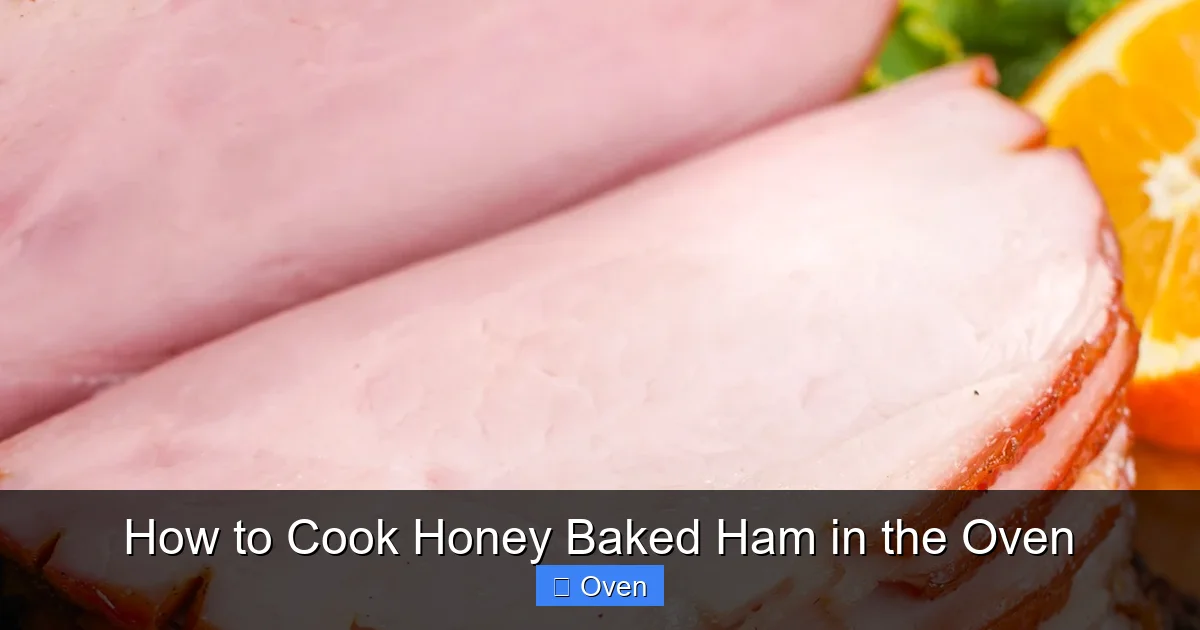
For flavor, a bone‑in ham wins hands down. The bone acts like a natural heat conductor, keeping the meat moist and adding that rich, meaty depth you crave. Boneless hams are convenient for slicing but can dry out faster if overcooked.
Visual guide about How to Cook Honey Baked Ham in the Oven
Image source: eazypeazymealz.com
Fully Cooked vs. Raw
Most hams sold in supermarkets are already fully cooked. That means you’re really just reheating and adding flavor, not worrying about food safety. If you happen to find a raw, cured ham, treat it like a roast: cook to an internal temperature of 145°F (63°C) before glazing.
Size Matters
Plan on ½ lb (225 g) of ham per adult. A 6‑lb ham comfortably serves 12 people, while an 8‑lb piece gives you extra leftovers for sandwiches.
2. Preparing the Honey Glaze
Basic Ingredients (makes about 1 cup glaze)
- ¼ cup honey
- ¼ cup brown sugar, packed
- 2 Tbsp Dijon mustard
- 2 Tbsp apple cider vinegar
- 1 tsp ground cinnamon (optional)
- Pinch of ground cloves
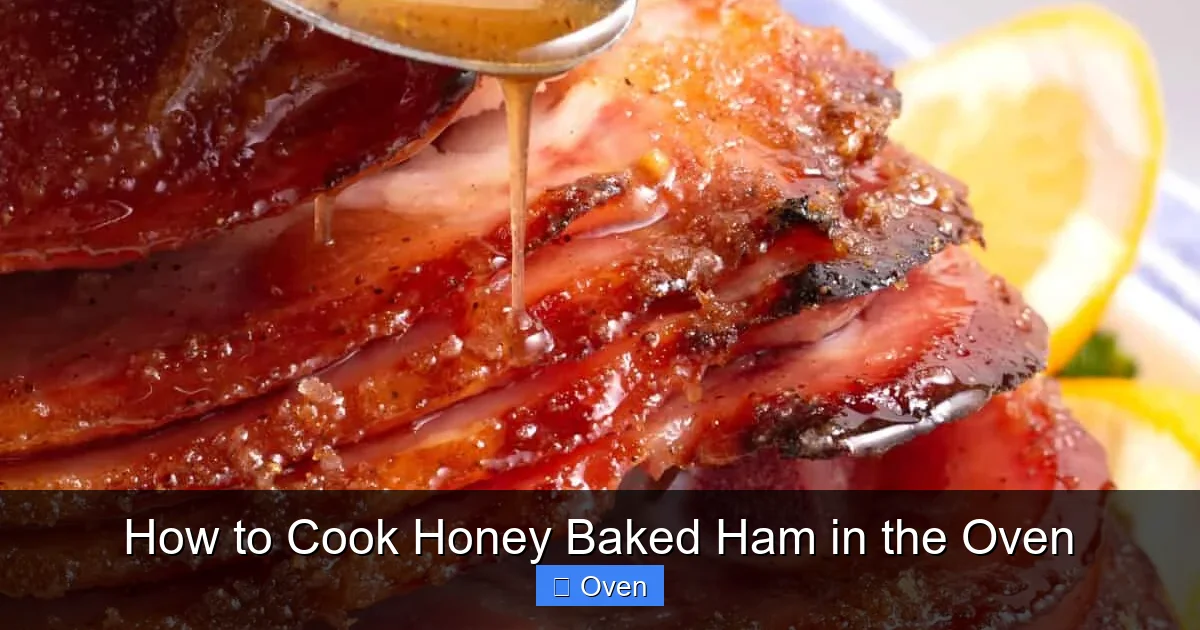
Mix everything in a small saucepan over medium heat. Stir until the sugar dissolves and the glaze thickens slightly—about 3‑4 minutes. Remove from heat and let it cool just enough to handle.
Visual guide about How to Cook Honey Baked Ham in the Oven
Image source: allthingsmamma.com
Why These Flavors Work
Honey provides natural sweetness and a sticky base, while brown sugar adds depth and caramel notes. Mustard cuts the sweetness with a subtle bite, and the vinegar brightens the overall profile. A dash of cinnamon and cloves gives a warm, holiday‑feel without overpowering the pork.
3. Prepping the Ham for the Oven
Scoring the Surface
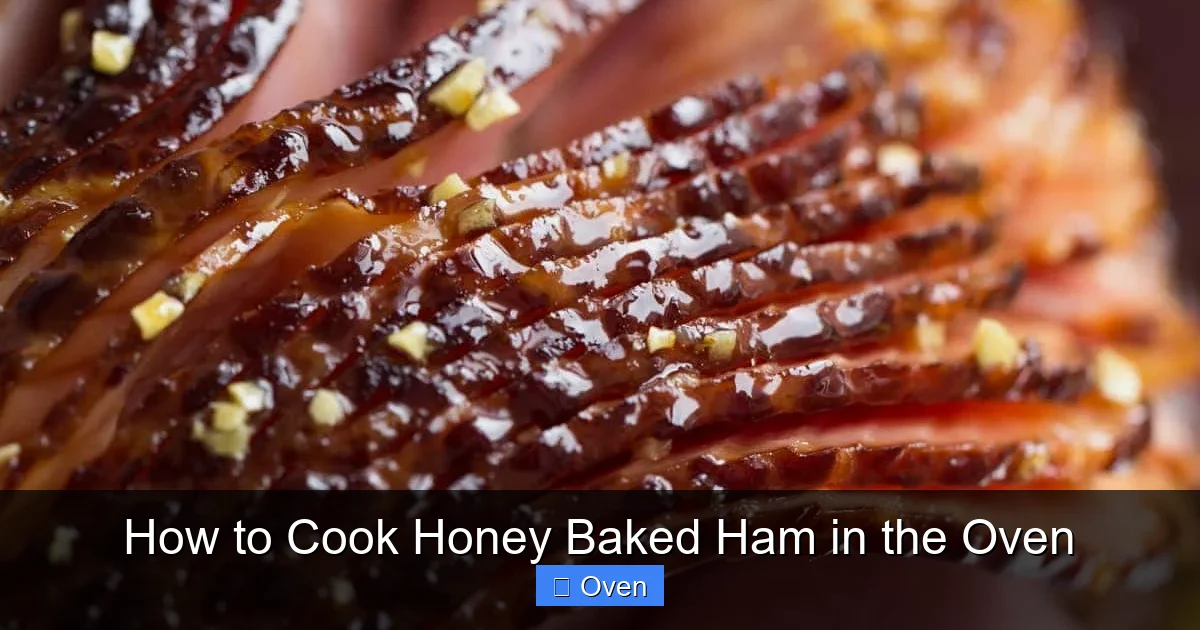
Place the ham skin‑side down on a cutting board. Using a sharp knife, make shallow cuts in a diamond pattern about ¼‑inch deep. This does two things: it lets the glaze seep into the meat and creates an attractive lattice once it caramelizes.
Visual guide about How to Cook Honey Baked Ham in the Oven
Image source: laurenslatest.com
Adding a Flavor Base
Rub the scored surface with a little olive oil, then sprinkle a thin layer of ground black pepper. If you like a smoky hint, add a pinch of smoked paprika.
Choosing the Right Roasting Pan
A shallow roasting pan with a rack works best. The rack lifts the ham, allowing heat to circulate and excess juices to drip away, preventing soggy edges. If you don’t have a rack, a bed of sliced onions and carrots works as a natural stand and adds flavor to the pan juices.
4. The Oven Cooking Process
Setting the Temperature
Pre‑heat your oven to 325°F (163°C). This moderate temperature ensures the ham heats evenly without the glaze burning.
Initial Roast (No Glaze)
Place the ham in the oven, skin‑side up, and roast for 15 minutes per pound. For a 6‑lb ham, that’s about 90 minutes. This first stage lets the interior come up to temperature.
Glazing Rounds
After the initial roast, remove the ham and brush on a generous layer of honey glaze. Return to the oven and repeat the process every 20‑30 minutes—brush, bake, brush—until the ham reaches an internal temperature of 140°F (60°C). The glaze will thicken and turn a deep amber color.
Final Caramelization
For a glossy finish, increase the oven temperature to 425°F (218°C) for the last 10‑15 minutes. Keep a close eye on it; you want a dark, caramel crust, not burnt sugar.
5. Resting, Slicing, and Serving
Why Resting Is Crucial
Let the ham rest on a cutting board, loosely tented with foil, for 15‑20 minutes. This pause lets the juices redistribute, so each slice stays moist.
Slicing Tips
Use a sharp carving knife and cut against the grain. For bone‑in hams, start at the narrow end and work your way around the bone, keeping slices about ¼‑inch thick.
Serving Ideas
- Pair with buttery roasted potatoes—check out our guide on how to cook a baked potato in the Ninja Air Fryer for a quick side.
- Serve alongside sautéed cabbage steaks for a slightly bitter contrast; see how long to cook cabbage steaks in the Air Fryer.
- For a protein‑rich addition, add a few air‑fried pork chops; our tips on how many minutes to cook pork chops in Air Fryer work great.
6. Storing Leftovers and Reheating
Cooling Quickly
Divide any leftovers into shallow containers and place them in the fridge within two hours of cooking. This prevents bacterial growth.
Reheating Without Drying
Wrap a slice in foil with a splash of apple juice or broth, then heat in a 300°F oven for 10‑12 minutes. The added moisture keeps the ham tender.
Conclusion
Cooking a honey‑baked ham in the oven is all about balance—sweet glaze, steady heat, and a little patience. By selecting a quality bone‑in ham, mastering the glaze, and following our timing guide, you’ll achieve a caramelized crust and juicy interior that will earn compliments all night long. Remember to let it rest, slice against the grain, and pair it with simple sides for a complete, crowd‑pleasing feast. Happy cooking!
Frequently Asked Questions
How long does a honey‑baked ham need to cook in the oven?
Generally, roast at 325°F (163°C) for about 15 minutes per pound, then add glaze and continue baking until the internal temperature reaches 140°F (60°C). A 6‑lb ham takes roughly 90‑100 minutes total.
Can I use a frozen ham?
Yes, but thaw it in the refrigerator for 24‑48 hours first. Cooking a frozen ham directly can lead to uneven heating and a soggy glaze.
Do I need to baste the ham?
Basting isn’t required if you brush on glaze every 20‑30 minutes. This method ensures an even coating and prevents the glaze from burning.
What if I don’t have brown sugar?
Replace it with an equal amount of white sugar mixed with a tablespoon of molasses. The flavor will be slightly less deep, but the sweetness and caramel will still develop.
Can I add herbs to the glaze?
Absolutely! Fresh rosemary, thyme, or a pinch of sage can be added to the honey mixture for an aromatic twist.
How should I store leftover ham?
Cool the ham quickly, wrap tightly in foil or plastic, and refrigerate. It will keep for 3‑4 days. For longer storage, freeze in airtight bags for up to 2 months.