How to Cook in a Air Fryer Oven
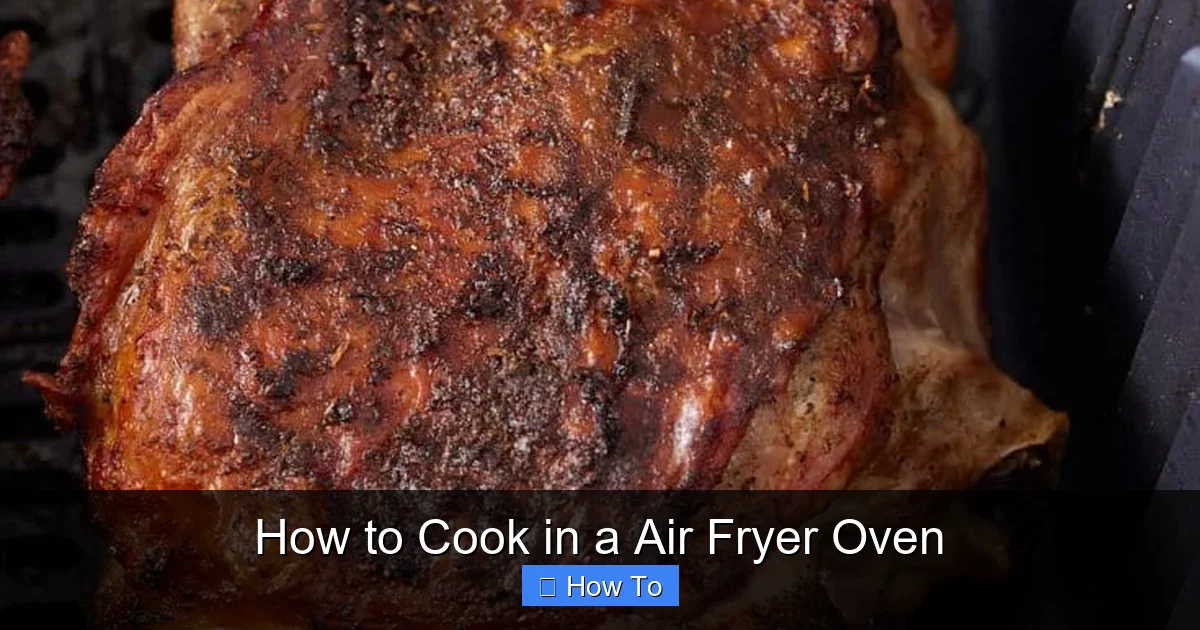
Cooking in an air fryer oven is fast, healthy, and easy. This guide shows you step‑by‑step how to prepare everything from fries to roasts, with pro tips for perfect results every time.
Welcome! If you’ve just unboxed an air fryer oven or you’re looking to get more out of yours, you’re in the right place. Cooking in an air fryer oven can feel like magic. The appliance circulates hot air to crisp food with little or no oil. The result is healthier meals that still taste amazing.
In this guide we’ll walk you through everything you need to know. From understanding the controls to mastering recipes, you’ll learn how to cook in a air fryer oven like a pro. Let’s dive in and start creating delicious meals together.
Key Takeaways
- Point 1: Preheat the oven for consistent temperature.
- Point 2: Dry foods before cooking to avoid sogginess.
- Point 3: Shake or turn food halfway for even browning.
- Point 4: Use a meat thermometer to check doneness.
- Point 5: Clean the basket after each use to prevent buildup.
- Point 6: Experiment with seasonings and coatings for variety.
📑 Table of Contents
Understanding Your Air Fryer Oven
An air fryer oven is a countertop appliance that combines a convection oven with a rapid air circulation system. It can bake, roast, grill, and fry foods using hot air. Because it uses a fan to move air around, it cooks food faster and more evenly than a traditional oven. Most models come with a digital display, preset programs, and a variety of temperature controls. Some even include a dehydrate setting or a rotisserie function. Take a few minutes to read the user manual. Familiarize yourself with the basket, tray, and any accessories that came with the unit. Safety features such as automatic shut‑off and cool‑touch handles are built in to protect you during use. If you’re curious about using the rotisserie feature, you can learn more in our guide on using the rotisserie in an air fryer oven.
What Is an Air Fryer Oven?
An air fryer oven is essentially a compact convection oven that uses a powerful fan to circulate hot air at high speed. This circulation creates a crispy exterior while keeping the interior moist. The technology mimics deep‑frying without the need for large amounts of oil. Because the heat is distributed evenly, you can achieve golden‑brown results on a wide range of foods, from vegetables to meats. The appliance typically includes a removable basket or tray that slides out for easy loading and cleaning. Some models also offer a second rack, allowing you to cook multiple dishes at once.
Key Features to Explore
Most models come with a digital display, preset programs, and a variety of temperature controls. Some even include a dehydrate setting or a rotisserie function. Take a few minutes to read the user manual. Familiarize yourself with the basket, tray, and any accessories that came with the unit. Safety features such as automatic shut‑off and cool‑touch handles are built in to protect you during use. Many units also have a built‑in light so you can monitor progress without opening the door, preserving the cooking temperature. Additional features may include a preheat function, a keep‑warm mode, and programmable timers that let you set cooking cycles with precision.
Preparing Your Food
Good preparation leads to great results. This part covers how to pick the right foods, cut them properly, and add flavor. Not every ingredient behaves the same way in an air fryer oven. Starchy foods like potatoes and corn love the high heat. Proteins such as chicken, sausage, and fish also do well. Vegetables like carrots, Brussels sprouts, and broccoli become crispy when tossed with a little oil. For best results, dry the food before cooking. Moisture can cause steaming instead of crisping. If you’re marinating meat, pat it dry before adding any coating, as excess liquid can prevent browning.
Choosing the Right Foods
When selecting foods, think about texture and thickness. Thin cuts cook quickly, while thick pieces may need a lower temperature and longer time. Foods with a high water content, such as tomatoes, can become soggy if not handled correctly. Pat them dry and consider coating them in a light layer of oil or breadcrumbs. If you’re cooking a whole chicken, truss it to ensure even cooking. For a detailed guide on cooking a whole chicken, you can refer to our article on how long to cook a whole salmon in the oven (though that’s for salmon, the principles of timing apply). However, for chicken, we recommend checking our guide on how long to cook chicken breast in a Ninja Foodi air fryer oven for precise timing.
Seasoning and Coating Tips
To maximize flavor, season your food before cooking. A simple mix of salt, pepper, garlic powder, and paprika works for most dishes. For extra crunch, coat items in panko breadcrumbs or a light dusting of cornstarch. If you’re making baked potatoes, prick the skin with a fork and rub with olive oil and salt. For chicken wings, a dry rub or a wet marinade can add depth. Just be sure to pat the wings dry before applying any sauce, as excess liquid can prevent crisping. If you want a sauce glaze, add it during the last few minutes of cooking. You can also experiment with herbs like rosemary, thyme, or oregano to create unique flavor profiles.
Cooking Basics
Now that your food is ready, it’s time to cook. This section explains temperature, timing, and how to handle the food during cooking. Proper preheating can make a big difference. Many recipes recommend preheating the oven for 3‑5 minutes before adding food. Preheating ensures the temperature is stable from the start, leading to more consistent results. If your model has a preheat button, use it to reach the desired temperature before loading food.
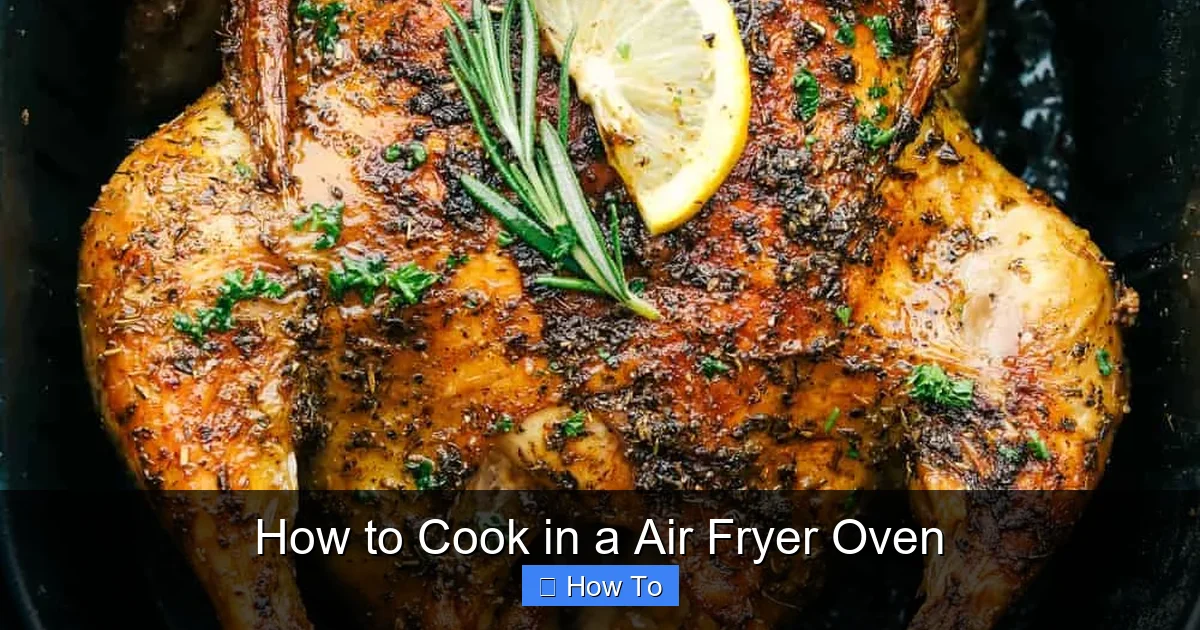
Visual guide about How to Cook in a Air Fryer Oven
Image source: therecipecritic.com
Setting Temperature
Most recipes call for temperatures between 350°F and 425°F. Start with the temperature suggested in the recipe. If you’re experimenting, a good rule of thumb is to set the oven a little lower than you would a conventional oven because the air circulation can cause faster browning. For delicate items like fish, a lower temperature of 350°F helps prevent drying out. For crispier fries, 400°F is ideal. Always use the oven’s built‑in thermometer if available, or verify with an external probe if you have one. Some models also allow you to adjust the fan speed, which can affect browning.
Timing Essentials
Cooking times vary based on the size and thickness of the food. As a general rule, smaller items need less time. Use the timer on the appliance and check the food a few minutes before the suggested time is up. If it isn’t done, add a minute or two and continue cooking. For meats, use a meat thermometer to verify doneness. Poultry should reach an internal temperature of 165°F, while pork should reach 145°F. For a quick reference, see our guide on how long to cook chicken breast in a Ninja Foodi air fryer oven for precise timing. If you’re cooking multiple batches, rotate the basket to ensure each piece gets equal airflow.
Shaking and Turning
Halfway through the cooking cycle, open the oven and give the basket a shake or use tongs to turn the food. This ensures even exposure to the hot air. Skipping this step can leave one side soggy while the other becomes over‑cooked. Some foods, like wings, benefit from a double flip: flip once halfway and again near the end for uniform browning. If you’re cooking multiple batches, rotate the basket to ensure each piece gets equal airflow. For items that tend to stick, lightly spray the basket with cooking oil before loading food.
Delicious Recipe Ideas
Here are some crowd‑pleasing recipes that showcase the versatility of an air fryer oven. Feel free to experiment with seasonings and coatings to make each dish your own.
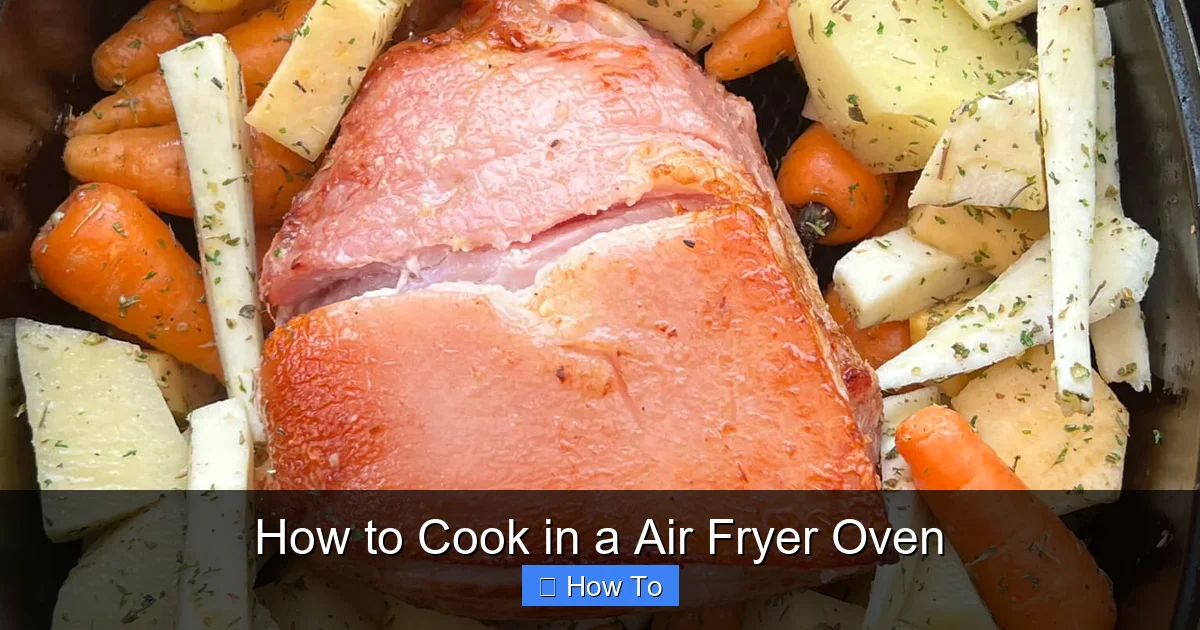
Visual guide about How to Cook in a Air Fryer Oven
Image source: recipethis.com
Crispy French Fries
Cut potatoes into thin sticks, soak them in cold water, pat dry, and toss with oil and salt. Cook at 400°F for 15‑20 minutes, shaking halfway. For extra flavor, sprinkle with rosemary or parmesan after cooking. If you want a different take, try our chips recipe for a thicker cut. You can also make sweet potato fries using the same method, adjusting the time slightly.
Juicy Chicken Breasts
Season chicken breasts with olive oil, salt, pepper, and herbs. Preheat the oven to 380°F and cook for 20‑25 minutes, flipping once. Use a meat thermometer to ensure the internal temperature reaches 165°F. For a quick dinner, serve with a side of roasted veggies. For a saucier version, brush the breasts with a little BBQ sauce during the last 5 minutes of cooking.
Perfect Baked Potatoes
Pierce a large russet potato with a fork, rub it with oil, and sprinkle salt. Place it directly on the rack and set the oven to 425°F. Cook for 45‑55 minutes, depending on size. When the skin is crisp, slice it open and add butter, cheese, or sour cream. For a detailed walkthrough, see our guide on baked potatoes in an air fryer oven. You can also top the potato with chili, cheese sauce, or even a fried egg for a hearty meal.
Cooking Sausage
Slice sausage links into bite‑size pieces or leave them whole. Toss with a little oil and seasonings. Cook at 375°F for 12‑15 minutes, turning once. The result is a nicely browned sausage that stays juicy inside. For timing details, refer to our article on cooking sausage in an air fryer oven. You can also add sliced peppers and onions to make a quick sausage‑and‑pepper skillet.
Crispy Salmon Fillets
Pat salmon fillets dry, brush with oil, and season with salt, pepper, and lemon zest. Cook at 400°F for 8‑12 minutes, depending on thickness. The skin should become crispy while the flesh stays tender. For a flavor boost, sprinkle with dill or a pinch of smoked paprika before cooking.
Air‑Fried Chicken Wings
Toss wings in a little oil, then coat with your favorite wing sauce or dry rub. Cook at 380°F for 25‑30 minutes, shaking halfway. For extra crispiness, increase the temperature to 400°F for the final 5 minutes. Serve with celery sticks and ranch dressing for a classic game‑day snack.
Roasted Vegetables
Cut carrots, bell peppers, and zucchini into uniform pieces. Toss with olive oil, salt, and herbs. Roast at 425°F for 20‑25 minutes, shaking once. The high heat caramelizes the natural sugars, giving a sweet, caramelized flavor. You can also add a drizzle of balsamic glaze after cooking.
Caring for Your Appliance
An air fryer oven works best when it’s clean and well‑maintained. This final section shows you how to keep it in top shape.
Cleaning the Basket
After each use, let the basket cool down. Remove any food crumbs and wash it with warm, soapy water. If there’s stubborn residue, soak it for a few minutes before scrubbing. Dry thoroughly before returning it to the oven. Some baskets are dishwasher safe, but hand washing can extend their lifespan. If you notice a buildup of grease, a mixture of baking soda and water can help lift it away.
Dealing with Stubborn Residue
For built‑up grease, make a paste of baking soda and water. Apply it to the affected area, let it sit for 10 minutes, then wipe clean. Avoid using abrasive pads that can damage the non‑stick coating. If you have a stainless‑steel interior, a mixture of vinegar and water can help dissolve mineral deposits. Regularly cleaning the heating element and fan will maintain optimal airflow.
Regular maintenance not only extends the life of your appliance but also ensures every meal tastes fresh. If you ever notice strange odors, it might be time for a deep clean. Our guide on cleaning the inside of a Ninja air fryer oven walks you through the process step by step. Additionally, check the fan for any debris that may have accumulated over time.
Storing the Appliance
When you’re not using the air fryer oven, store it in a dry place. Keep the cord organized to avoid tripping hazards. If you have a removable crumb tray, empty it regularly to prevent buildup. Proper storage helps maintain the appliance’s performance and appearance. If you need to transport the unit, use the original packaging if possible to protect it from bumps.
Cooking in an air fryer oven opens up a world of quick, healthy, and tasty meals. With the right preparation, temperature settings, and a few pro tips, you can master everything from crispy fries to juicy roasts. Keep experimenting, follow the cleaning routine, and soon you’ll wonder how you ever cooked without this handy appliance. Happy cooking!
Frequently Asked Questions
Can I use aluminum foil in an air fryer oven?
Yes, you can use a small amount of foil to cover foods that might burn too quickly. Just make sure the foil doesn’t block the airflow, and avoid covering the entire basket.
Do I need to preheat my air fryer oven?
Preheating is optional but recommended for recipes that require a crispy exterior. Preheating for 3‑5 minutes helps achieve consistent results, especially for baked goods.
How long does it take to cook a frozen pizza?
Most frozen pizzas cook in 10‑12 minutes at 375°F. Keep an eye on the cheese; if it browns too fast, lower the temperature slightly and continue cooking.
Can I bake a cake in an air fryer oven?
Yes, you can bake small cakes or mug cakes. Use a heat‑safe pan that fits inside the basket, and reduce the temperature by about 25°F compared to a conventional oven.
Is it safe to cook raw meat in an air fryer oven?
Absolutely. Raw meat cooks quickly and evenly in an air fryer oven. Just ensure the internal temperature reaches safe levels, and use a meat thermometer to verify doneness.
What size of cookware fits in an air fryer oven?
Most baskets accommodate pans up to 8‑inch diameter. Check the manufacturer’s specifications to avoid overflow or crowding, which can affect cooking performance.