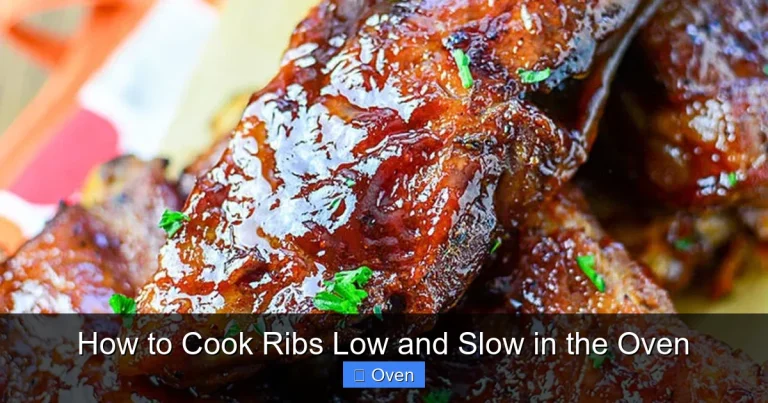
How to Cook Spare Ribs in Oven with Foil
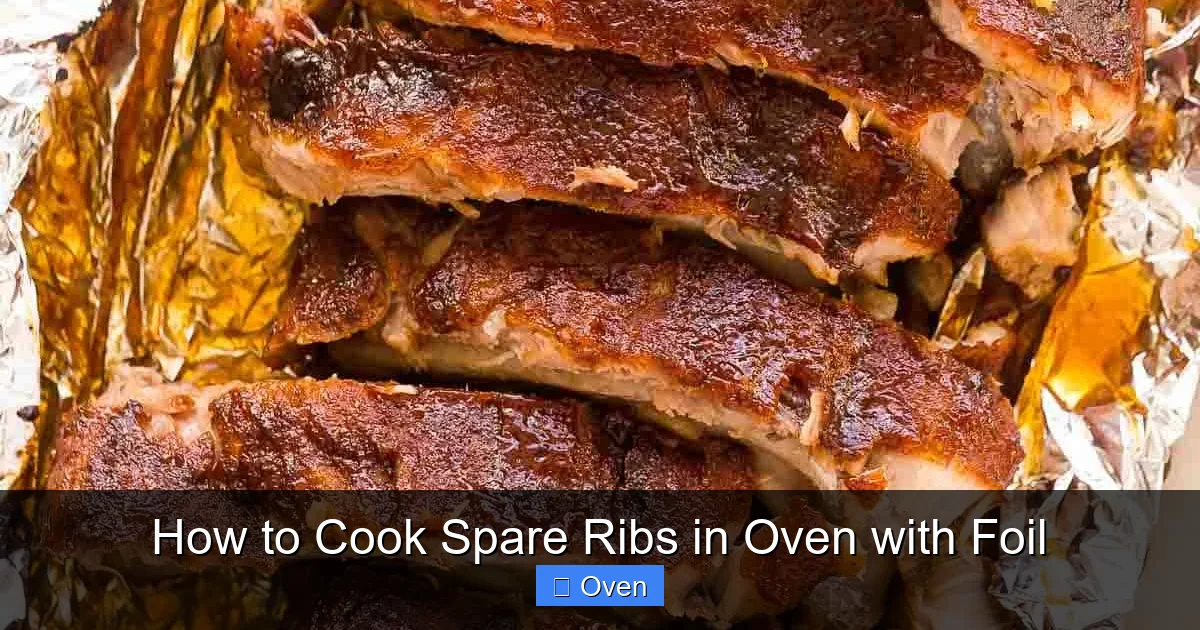
Cooking spare ribs in the oven with foil is the simplest path to tender, flavorful meat without a grill. Just season, wrap, bake, and finish with a glaze for that perfect caramelized crust.
Key Takeaways
- Foil creates a steam‑locked environment: It keeps ribs moist and speeds up the tenderizing process.
- Low‑and‑slow is the secret: Baking at 275‑300°F for 2½‑3 hours yields fall‑off‑the‑bone ribs.
- Seasoning matters: A dry rub applied hours ahead builds deep flavor.
- Finish with a glaze: A brief high‑heat blast caramelizes the sauce.
- Rest before slicing: Let ribs rest 10‑15 minutes to retain juices.
- Versatile for any rib style: Baby back, St. Louis, or spare ribs all work.
- Easy clean‑up: The foil packet contains mess, making cleanup a breeze.
📑 Table of Contents
- Introduction: Why Oven‑Baked Foil Ribs Are a Game Changer
- 1. Choosing and Preparing the Right Ribs
- 2. The Foil Packet: Building the Perfect Steam Chamber
- 3. Baking the Ribs: Low‑and‑Slow for Tenderness
- 4. The Final Glaze: From Sticky to Crispy
- 5. Rest, Slice, and Serve
- 6. Troubleshooting Common Issues
- Conclusion: Your New Go‑To Rib Method
- Related Oven Tips
Introduction: Why Oven‑Baked Foil Ribs Are a Game Changer
Imagine biting into ribs that are as tender as they are tasty, without ever firing up a grill or dealing with smoky backyard chaos. Cooking spare ribs in the oven with foil gives you that restaurant‑quality tenderness, plus a caramelized finish that makes every bite memorable. The trick is simple: seal the ribs in a foil packet, let the steam work its magic, then finish them under a hot broiler or at a higher temperature for that coveted crust.
This method is perfect for busy families, apartment dwellers, or anyone who wants consistent results without guesswork. In the next sections we’ll walk through every step—from picking the right ribs to serving them with your favorite sides—so you can master foil‑baked ribs every single time.
1. Choosing and Preparing the Right Ribs
1.1 Spare Ribs vs. Baby Back Ribs
Spare ribs come from the belly side of the pig and have more fat and connective tissue than baby back ribs, which sit near the spine. The extra fat makes them ideal for slow cooking because it renders into the meat, keeping it moist. If you prefer a leaner bite, baby back ribs work too, but the cooking time may be a touch shorter.
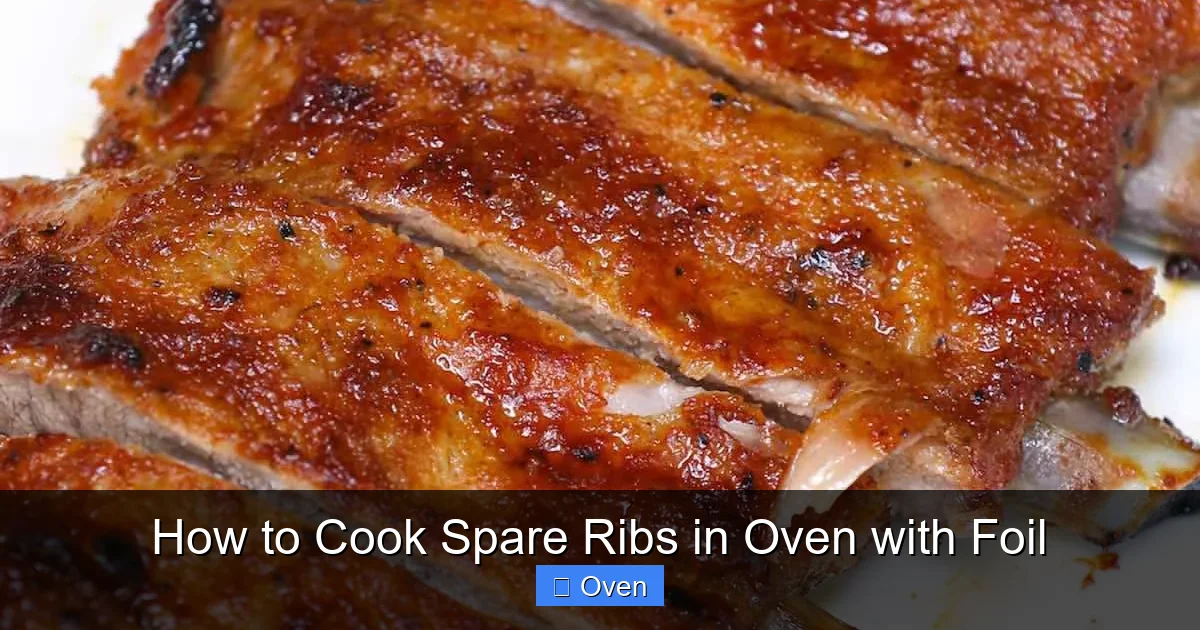
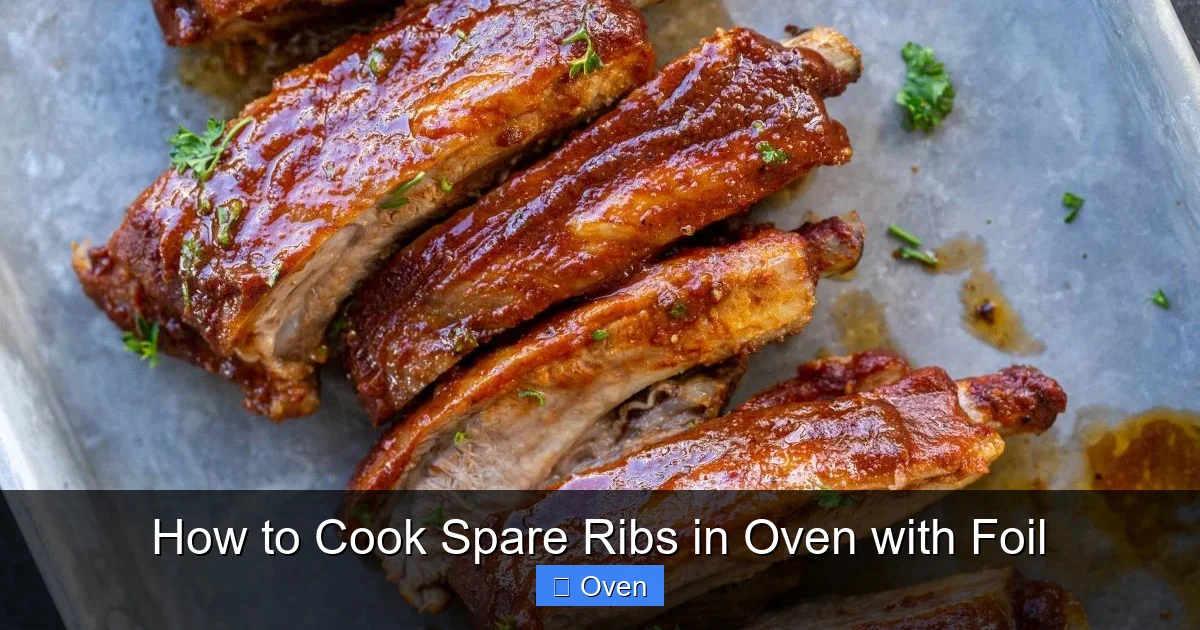
Visual guide about How to Cook Spare Ribs in Oven with Foil
Image source: i.pinimg.com
1.2 Trimming the Excess
Before seasoning, trim the thin membrane on the bone side. Slide a butter knife under the membrane, grab the edge with a paper towel, and pull it off in one smooth motion. Removing this silvery layer helps the rub penetrate and improves the final texture.
1.3 Dry Rub Basics
A good dry rub is the backbone of flavor. Here’s a quick, balanced blend you can make in seconds:
- 2 tbsp brown sugar
- 1 tbsp paprika (smoked for extra depth)
- 1 tsp black pepper
- 1 tsp kosher salt
- ½ tsp garlic powder
- ½ tsp onion powder
- ¼ tsp cayenne (optional for heat)
Pat the ribs dry, coat them generously with the rub, and let them sit at room temperature for 30 minutes or refrigerate overnight for maximum flavor development.
2. The Foil Packet: Building the Perfect Steam Chamber
2.1 Why Heavy‑Duty Aluminum Foil?
Standard foil can tear under the weight of the ribs and the moisture they release. Heavy‑duty foil (double‑layer) is sturdier, seals better, and prevents any steam from escaping.
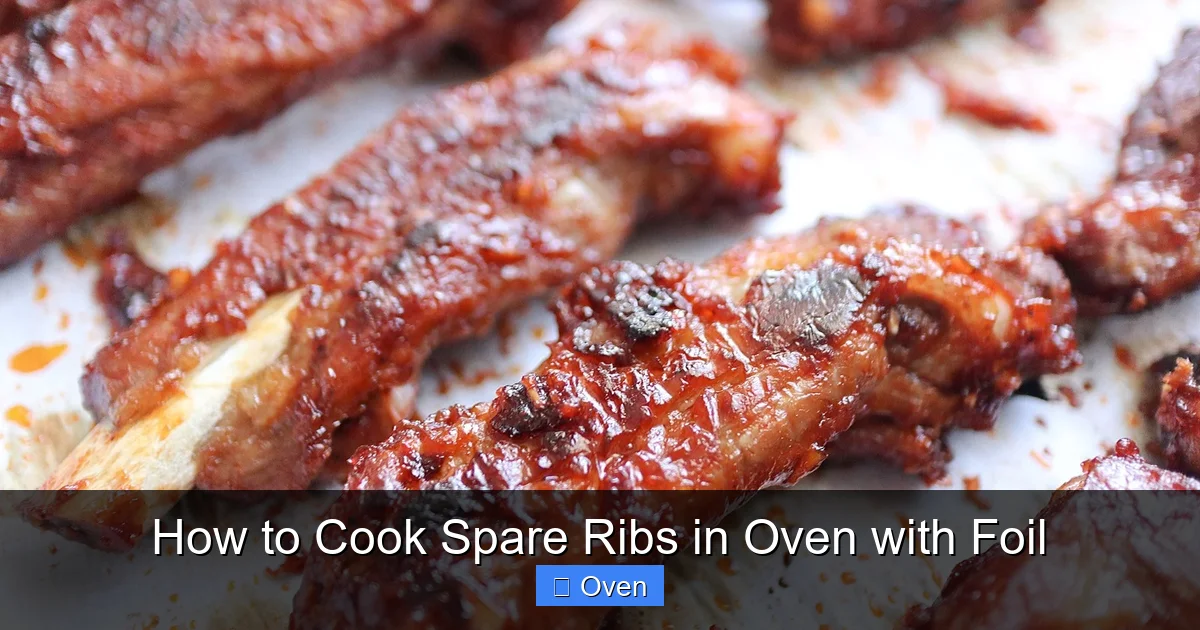
Visual guide about How to Cook Spare Ribs in Oven with Foil
Image source: tastingtable.com
2.2 Assembling the Packet
1. Lay out a sheet of foil about 18 × 12 inches.
2. Place the seasoned ribs on the foil, bone side down.
3. Add a splash (¼ cup) of liquid—apple cider, chicken broth, or even a mix of water and a dash of Worcestershire sauce. The liquid creates steam.
4. Fold the long sides over the ribs, then fold the short ends, creating a tight seal. Make sure there are no gaps; the packet should look like a sturdy parcel.
2.3 Optional Flavor Boosters
Inside the packet you can toss in sliced onions, garlic cloves, or a few sprigs of fresh herbs (thyme, rosemary). These aromatics infuse the meat while keeping the flavor profile fresh.
3. Baking the Ribs: Low‑and‑Slow for Tenderness
3.1 Ideal Oven Temperature
Preheat your oven to 275°F (135°C). This moderate heat allows collagen to break down slowly, turning tough connective tissue into gelatin that makes the meat juicy.
Visual guide about How to Cook Spare Ribs in Oven with Foil
Image source: recipes.net
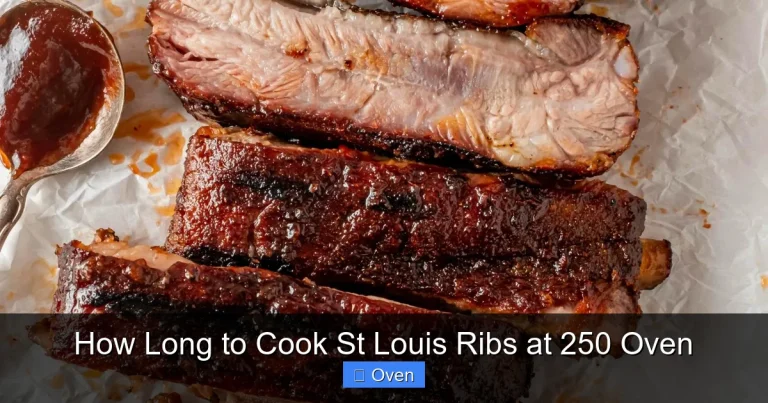
3.2 Cooking Time Guide
- Baby back ribs: 2 hours
- Spare ribs: 2½‑3 hours
Check for doneness by inserting a fork near the bone; it should slide in with little resistance. If the meat still feels firm, reseal the packet and continue baking for another 15‑20 minutes.
3.3 Mid‑Cook Flip (Optional)
Some cooks like to flip the packet halfway through to ensure even cooking. If you choose this, be careful not to tear the foil. Use tongs and a sturdy spatula.
4. The Final Glaze: From Sticky to Crispy
4.1 Choosing a Sauce
Classic BBQ sauce works every time, but you can experiment with honey‑soy, chipotle‑maple, or a mustard‑brown sugar glaze. The key is a sauce that has enough sugar to caramelize.
Quick Honey‑Soy Glaze
- ¼ cup soy sauce
- 2 tbsp honey
- 1 tbsp rice vinegar
- ½ tsp grated ginger
4.2 Applying the Glaze
When the ribs are tender, carefully open the foil (watch out for steam). Transfer the ribs to a rimmed baking sheet lined with foil or parchment. Brush a generous layer of glaze on both sides.
4.3 High‑Heat Finish
Increase the oven temperature to 425°F (220°C) or switch to the broiler setting. Bake for 8‑12 minutes, or until the sauce bubbles and darkens. Keep a close eye—sugar can burn quickly.
5. Rest, Slice, and Serve
5.1 Resting Is Crucial
Let the ribs rest for 10‑15 minutes after the high‑heat finish. This allows the juices to redistribute, preventing them from spilling out when you cut.
5.2 Cutting Technique
Use a sharp knife or kitchen shears. For spare ribs, cut between the bones, aiming for about 2‑inch sections. If you’re serving a crowd, slice on a cutting board and arrange the pieces on a platter.
5.3 Serving Ideas
Pair your foil‑baked ribs with classic sides: coleslaw, baked beans, corn on the cob, or a fresh green salad. For a fun twist, serve with a side of sweet‑potato fries (check out our guide on how to cook frozen chicken fingers in the air fryer for a quick crispy accompaniment).
6. Troubleshooting Common Issues
6.1 Ribs Are Too Dry
If the ribs turn out dry, they likely weren’t sealed well enough. Ensure the foil packet is completely airtight and add a bit more liquid next time.
6.2 No Bark (Crust) Forms
Insufficient sugar in the glaze or not enough high‑heat time can prevent a good bark. Use a sauce with at least 10 % sugar and finish under the broiler for a few minutes.
6.3 Ribs Stick to the Foil
Lightly oil the foil before placing the ribs, or use parchment paper inside the foil packet to create a non‑stick barrier.
Conclusion: Your New Go‑To Rib Method
Cooking spare ribs in the oven with foil takes the guesswork out of achieving tender, juicy meat with a caramelized finish. By sealing the ribs, cooking low and slow, and finishing with a high‑heat glaze, you get restaurant‑grade results every time. Whether you’re feeding a family, prepping for a game day, or just craving comfort food, this method is reliable, easy, and adaptable to any flavor profile you love. Grab your foil, fire up the oven, and enjoy ribs that fall off the bone without ever stepping outside.
Related Oven Tips
If you’re looking for more oven‑friendly cooking ideas, explore our article on the best pan to cook turkey in oven for tips on choosing cookware that maximizes heat distribution.
Frequently Asked Questions
Can I use regular aluminum foil instead of heavy‑duty?
You can, but heavy‑duty foil is less likely to tear and provides a better seal, which is important for trapping steam and preventing leaks.
Do I need to marinate the ribs before applying the dry rub?
Marinating isn’t necessary for foil‑baked ribs. The dry rub, combined with the steam inside the packet, infuses plenty of flavor.
What liquid should I add to the foil packet?
Apple cider, chicken broth, or a simple water‑and‑Worcestershire mixture work well. The liquid creates steam, keeping the meat moist.
Can I add vegetables to the foil packet?
Yes! Sliced onions, carrots, or bell peppers can be added. They will cook in the steam and make a tasty side.
How do I store leftover ribs?
Place the cooled ribs in an airtight container and refrigerate for up to 3 days. Reheat gently in the oven wrapped in foil to retain moisture.
Is it okay to use the same foil packet for multiple ribs?
For best results, use a fresh packet for each batch. Re‑using foil can cause tears and may let steam escape, affecting tenderness.