How to Make a Toaster Oven
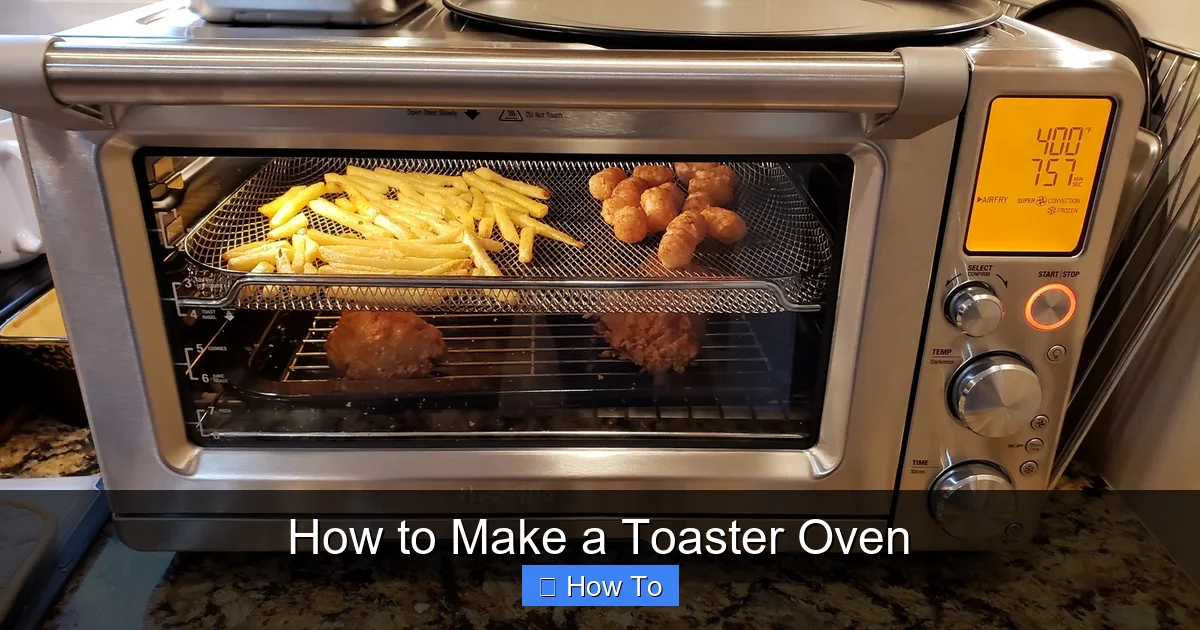
Learn the ultimate secrets to maximizing your toaster oven. This guide breaks down every essential step, from setting the right temperature to mastering different cooking modes, ensuring you get restaurant-quality results right at home.
Welcome to the ultimate guide on making the most out of your toaster oven. If you have a small kitchen, live in an apartment, or just want a faster, more energy-efficient way to cook, this compact powerhouse is a game changer. Unlike a full-sized conventional oven, a toaster oven heats up quickly and uses less electricity, meaning you can go from raw ingredients to a hot meal in no time. But just because it is small does not mean it lacks versatility. You can roast entire chickens, bake elaborate cakes, and even air fry crispy fries all inside this little box. The secret to mastering your toaster oven lies not just in turning it on, but in understanding how to set the right temperatures, choosing the right pans, and knowing exactly when things are done. This guide will walk you through every essential step, from unboxing your new appliance to pulling out perfectly cooked dishes. Get ready to transform your compact kitchen space into a mini culinary studio. Whether you are a student living alone or a busy parent looking for quick dinner solutions, this appliance adapts to your lifestyle. It is the perfect tool for anyone who wants delicious food without the hassle of a massive oven.
Key Takeaways
- Understand the basics: Familiarize yourself with the control panel, distinguishing between bake and broil functions.
- Invest in the right tools: Get a wire rack and silicone baking mats to ensure even cooking and prevent soggy bottoms.
- Set the correct temperature: Start lower than you think you need because toaster ovens run hotter than conventional ovens.
- Practice with appetizers first: Try mini pizzas or roasted vegetables to build your confidence before tackling mains.
- Master the broil function: Use the top heat to melt cheese or caramelize tops quickly.
- Preheat properly: Always allow your toaster oven to preheat fully before putting food inside.
- Clean regularly: Maintain your appliance to keep it functioning safely and efficiently.
📑 Table of Contents
Getting to Know Your Appliance
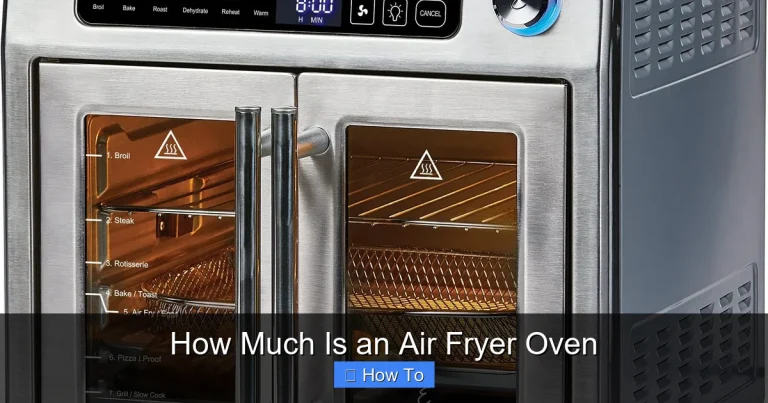
Before you throw anything in, take a moment to familiarize yourself with the control panel. Most toaster ovens feature a combination of dials and buttons. Some older models might have just a single dial for both temperature and timer, while newer, more advanced models offer digital displays where you can preset exact numbers. Understanding the difference between the bake function and the broil function is absolutely critical. The bake function heats evenly from all around, making it perfect for roasting and baking. The broil function, on the other hand, directs heat primarily from the top element. This makes it ideal for melting cheese, caramelizing the tops of bread, or quickly finishing a dish. When you first open the door, look for the crating system. Some toaster ovens come with heavy-weight metal pans, while others require you to buy your own baking pans separately. Always check the maximum interior dimensions to ensure your pans will fit comfortably without touching the walls. It is also wise to read the manual that came with your specific model. Every brand operates slightly differently, and the manual holds the best troubleshooting advice for your particular unit. Look for the safety instructions, especially regarding the heating elements. Some models have automatic shut-offs, while others rely on the user to turn them off manually. Knowing these safety features upfront gives you peace of mind. You should also locate the drip tray. This tray catches any melting butter, fat, or juices that might spill during cooking. Keeping it clean prevents messy smoke and potential fires. Place the drip tray on the bottom rack before you start cooking. This simple step ensures your kitchen stays relatively clean even if a casserole spills a little. Taking the time to understand these basic components sets a strong foundation for all your future cooking adventures.
You can also consult resources online to see what other users recommend for your specific model. Reading reviews and watching tutorial videos can provide insights that the manual might lack. However, always rely on the manufacturer’s guidelines as the ultimate source of truth. Once you feel comfortable with the basics, you are ready to move on to the fun part: cooking. Your toaster oven is now armed and ready to work its magic in your kitchen.
Essential Accessories You Need
While you can technically cook in just the basic crating provided, investing in the right accessories will dramatically improve your results. First and foremost is a wire rack. When food sits directly on the bottom tray, it steys moisture and ends up soggy. A wire rack elevates your food, allowing hot air to circulate underneath and around it, promoting even baking and crisping. Next, consider a silicone baking mat. These mats replace parchment paper and are non-stick, reusable, and prevent food from sticking to the pan. They also ensure your baked goods bake more evenly across the surface. Finally, a good quality offset spatula is a lifesaver for spreading frosting, flipping items, or scraping batter off the sides of the pan. Having the right tools makes the difference between a messy kitchen and a clean one. You do not need to spend a fortune on specialty gadgets, but a few reliable additions will serve you well for years to come. A light-weight aluminum pan is also essential. Glass pans trap steam and can cause uneven baking, leading to a gummy center. Aluminum pans reflect heat beautifully, ensuring your food cooks evenly on all sides. A baking sheet is also incredibly useful for roasting large cuts of meat or preparing sheet-style casseroles. With these tools in hand, your cooking game will instantly elevate. You will find that the right setup makes a world of difference in the final outcome of your meals. Do not underestimate the power of a simple wire rack. It changes everything.
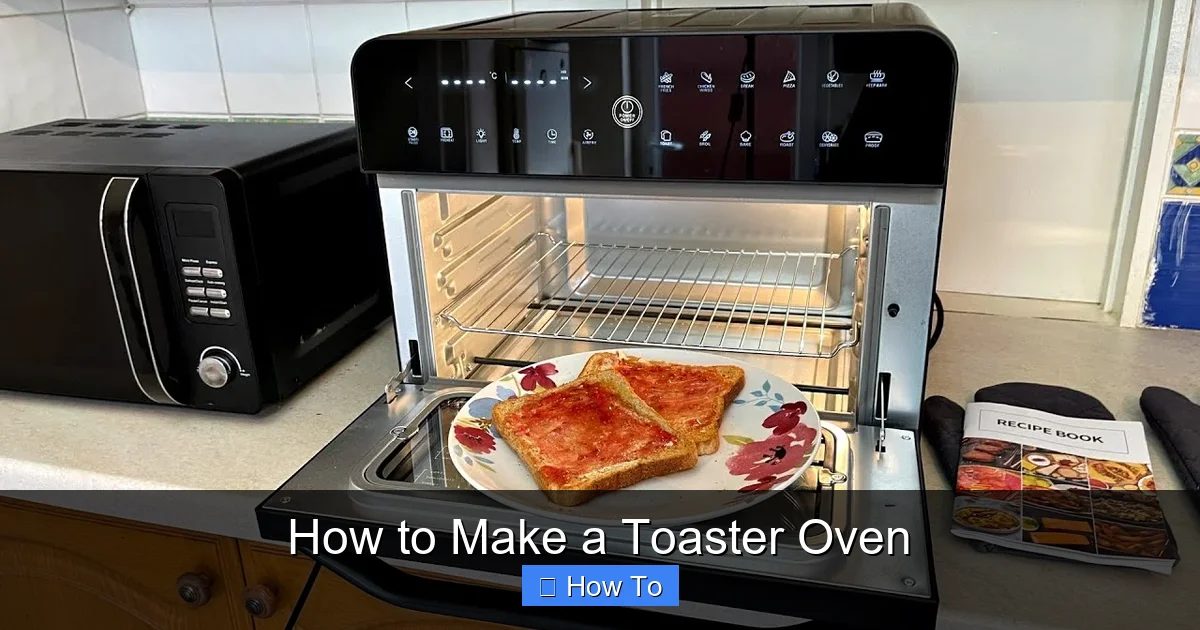
Visual guide about How to Make a Toaster Oven
Image source: storables.com
Setting the Perfect Temperature
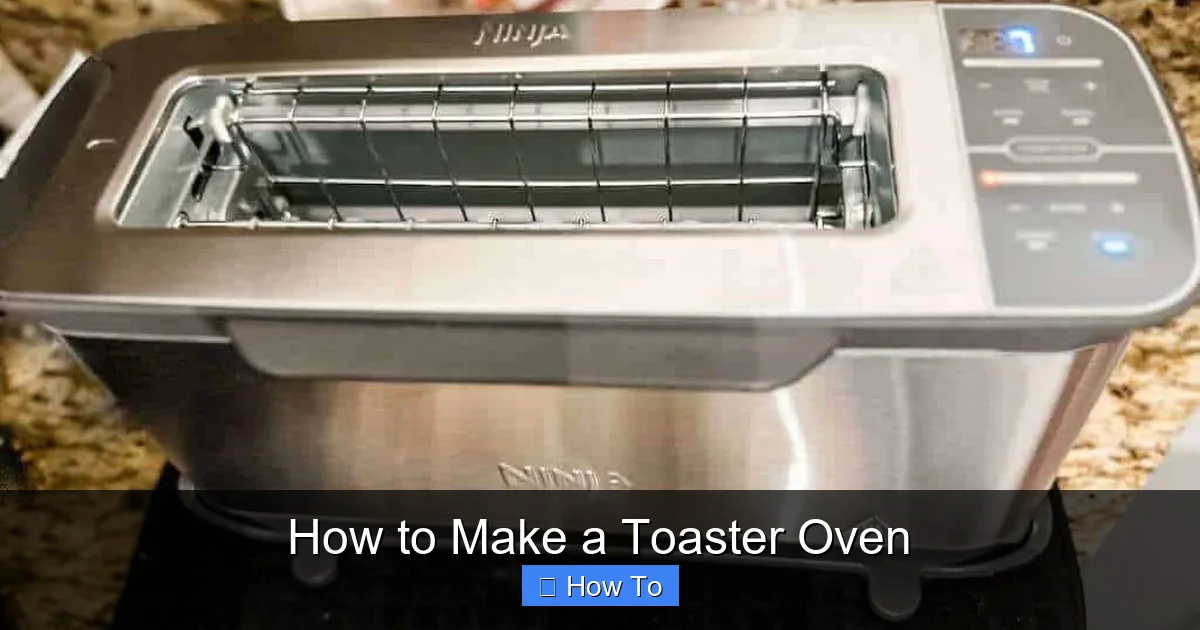
Temperature control is the most important aspect of cooking in a toaster oven. Because the walls are closer to the heating elements, the oven can actually get hotter than a conventional oven at the same setting. This is why it is so important to start with a slightly lower temperature and add heat if needed, rather than starting too high and burning your food. For delicate baked goods like muffins or cupcakes, start at 325 degrees Fahrenheit. This gentle heat allows the batter to rise slowly before setting. For standard cookies and brownies, 350 degrees Fahrenheit is your best friend. It provides enough heat to set the structure without burning the edges. If you are roasting vegetables or chicken thighs, crank the dial up to 400 degrees Fahrenheit. This high heat seals the outside of the food quickly, giving you that beautiful golden-brown crust while keeping the inside juicy. Remember, toaster ovens often run hotter than conventional ovens, so always err on the side of caution by lowering the temperature by 25 degrees if you are unsure. A helpful tip is to rotate your pans halfway through the cooking time. Since toaster ovens heat unevenly, the front of the oven might be hotter than the back. Rotating ensures your food cooks evenly on all sides. You can also tent delicate foods with aluminum foil to prevent over-browning while still allowing the bottom to crisp up. Mastering this temperature adjustment takes a little practice, but soon you will intuitively know exactly what setting works best for whatever you are preparing. Patience here yields delicious results. Do not rush the temperature learning curve. Precision is key to perfect results.
Visual guide about How to Make a Toaster Oven
Image source: southerncrushathome.com
Cooking Appetizers and Snacks
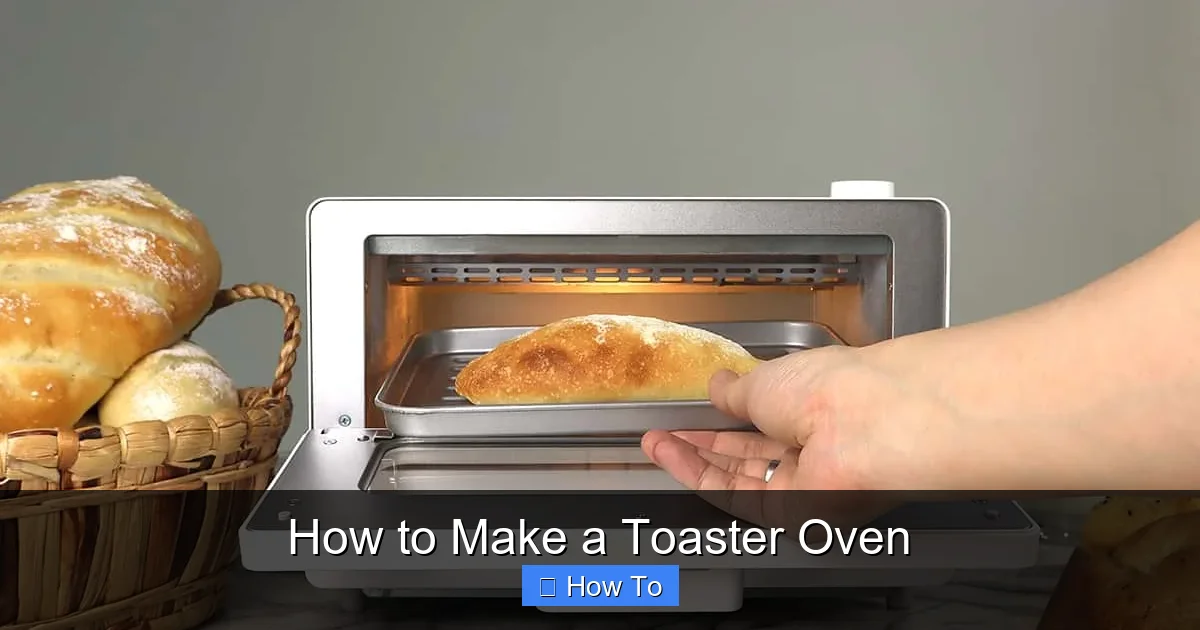
One of the greatest advantages of a toaster oven is its speed. You can prepare quick appetizers that feel like a restaurant treat. Let us start with mini personal pizzas. Preheat your oven to 400 degrees Fahrenheit. On a piece of pita bread or naan, spread a thin layer of tomato sauce, leaving a border for the crust. Add a generous portion of mozzarella cheese and any fresh toppings you love, like pepperoni, mushrooms, or fresh basil. Bake for about 8 to 10 minutes until the cheese is bubbling and the crust is crisp. Another fantastic snack is roasted vegetables. Toss cubed potatoes, broccoli flrexes, bell peppers, and red onions with olive oil, salt, and pepper. Spread them out on a baking sheet lined with foil. Roast at 400 degrees Fahrenheit for 20 to 25 minutes, stirring halfway through, until they are tender and slightly charred. These simple preparations prove that you do not need a massive oven to create delicious meals. If you want something sweet, try making mini banana bread muffins. Mix flour, sugar, baking powder, an egg, milk, and a dash of vanilla. Pour the batter into mini greeted cups. Bake at 350 degrees Fahrenheit for 12 to 15 minutes. The quick cook time is perfect for a busy morning when you want something warm without spending hours in the kitchen. These appetizers and snacks are easy to make and guaranteed to impress your guests or satisfy your own hunger. You will quickly see why so many home cooks swear by their toaster oven for quick bites. They are the ultimate solution for a lazy weekend afternoon.
Visual guide about How to Make a Toaster Oven
Image source: howdykitchen.com
Preparing Main Courses
When it comes to mains, a toaster oven truly shines. Roasting a whole chicken or chicken thighs is incredibly easy. Place the seasoned chicken on a rack set over a baking pan. Brush the skin with a little olive oil and season generously. Roast at 400 degrees Fahrenheit for about 30 to 35 minutes per pound. The key here is to baste the chicken with its own juices every 15 minutes using a basting brush. This keeps the meat incredibly moist. If you prefer burgers, place ground beef patties on a hot pan and then transfer them to the toaster oven. Cook at 375 degrees Fahrenheit for about 12 to 15 minutes, flipping once halfway through. For a hearty vegetarian option, try baking stuffed bell peppers. Halve them, remove the seeds, and fill them with a mixture of rice, beans, tomatoes, and cheese. Bake at 375 degrees Fahrenheit for 30 minutes until the peppers are tender and the filling is bubbly. For a quick protein, consider baking salmon fillets. Season the fish with lemon, dill, and garlic powder. Place it skin-side down on a rack over a baking pan. Bake at 400 degrees Fahrenheit for 12 to 15 minutes. The salmon will flake effortlessly when tested with a fork. These mains prove that feeding a family does not require a massive kitchen footprint. You can whip up hearty dinners in minutes using your compact toaster oven. The convenience is unmatched compared to traditional cooking methods. You will never be stuck waiting for a full oven to preheat again. Your dinner guests will be impressed by the effort, even if the kitchen remains small.
Mastering the Broil Function
The broil function is often overlooked, but it is an absolute game changer for finishing dishes. Think of broiling as a blast of direct, intense heat from above. It is perfect for melting cheese on top of a casserole, browning the tops of mugs, or quickly caramelizing the sugars on fruits. For example, after baking a casserole at 375 degrees Fahrenheit for 20 minutes, switch the oven to broil. Put it on high for just two minutes. Watch it closely, because broiling moves very fast. The residual heat from the oven walls will usually carry the dish through the last minute or two, melting the cheese perfectly without burning it. You can also use the broil setting to quickly toast bread or bagels right out of the oven. Just keep a close eye on them so they do not burn to ash. Using this function smartly elevates your cooking from good to excellent. However, do not use the broil function for delicate items like soufflés or thin meringues. The intense top heat will destroy their texture. Reserve the broil for hard cheeses, crusty breads, and quick finishing touches. It is a powerful tool when used correctly. Once you learn how to control it, you will find endless uses for this setting. It truly brings out the best in many of your favorite dishes.
Cleaning and Maintenance Tips
To keep your toaster oven functioning safely and efficiently, regular cleaning is essential. Always unplug the appliance before cleaning. Allow it to cool completely so you do not risk burns. Wipe the interior walls with a damp cloth and mild soap. Remove the crating and wash it with warm soapy water. Never immerse the base or plug into water, as this can damage the electronics. Abrasive cleaners can scratch the finish, so stick to gentle solutions. A simple wipe down after every use prevents built-up grease and food particles. Keeping a dry cloth handy makes the process quick and easy. A clean toaster oven cooks better and lasts longer. Treat it with the care it deserves.
By following these steps, your appliance will remain a reliable kitchen companion for years. You will never have to worry about a buildup of crumbs or sticky residue affecting your next meal. Enjoy the convenience and versatility of your toaster oven with confidence. Happy toasting!
Frequently Asked Questions
What temperature should I set my toaster oven to?
It depends on what you are cooking, but as a general rule, start at 350 degrees Fahrenheit for baking and 400 degrees Fahrenheit for roasting. Keep in mind that toaster ovens run hotter than conventional ovens, so you may need to lower the temperature slightly.
Do I need a special pan for my toaster oven?
Not necessarily, but a wire rack is highly recommended. It prevents soggy bottoms by allowing hot air to circulate underneath your food. Silicone baking mats are also a great reusable alternative to parchment paper.
Can I use aluminum foil in my toaster oven?
Yes, you can line your baking pans with aluminum foil to catch drips, but avoid craping the foil directly over the heating elements, as this can cause a fire. Always allow space between the foil and the walls of the oven.
How do I clean my toaster oven?
Always unplug the appliance before cleaning. Allow it to cool completely. Wipe the interior walls with a damp cloth and mild soap. Remove the crating and wash it with warm soapy water. Never immerse the base or plug into water.
Is a toaster oven safe to leave unattended?
Generally, it is safer not to leave it unattended for long periods. While modern models have safety features, high heat elements pose a risk if left on accidentally. Always turn it off and unplug it when you step away.
Can I bake a cake in a toaster oven?
Absolutely. Many people wonder if a toaster oven can handle baking, and the answer is yes. Just ensure your pan fits inside, preheat properly, and watch the cake closely as it rises. A light layer of grease on the pan helps prevent sticking.