How to Preheat Dutch Oven for Sourdough
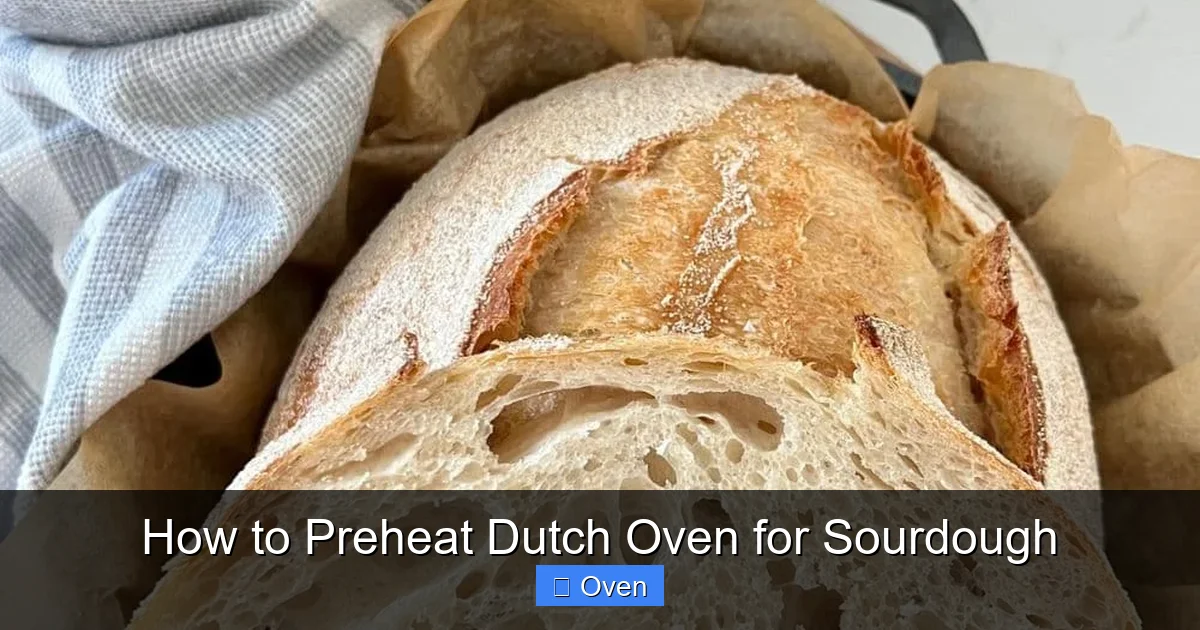
Mastering the art of preheating a Dutch oven is the secret to bakery‑level sourdough at home. Follow these easy steps, from choosing the right pot to timing the heat, and watch your loaves rise with a crisp, crackly crust every bake.
Key Takeaways
- Preheat properly: Heat the Dutch oven for at least 30‑45 minutes at 475°F (245°C) for even steam.
- Use a baking stone or pizza steel: It speeds up heat transfer and prevents hot spots.
- Safety first: Always wear oven mitts and use a sturdy rack to avoid burns.
- Steam matters: Adding water or a preheated pan creates the steam needed for a blistered crust.
- Cool before cleaning: Let the pot cool completely to protect its cast‑iron seasoning.
- Choose the right Dutch oven: A heavy‑walled, lid‑tight cast‑iron pot gives the best results.
- Practice makes perfect: Track timing and temperature to fine‑tune your sourdough bake.
📑 Table of Contents
Why Preheating Your Dutch Oven Is a Game‑Changer
When you slide a dough into a cold pot, the heat rises slowly and the crust never gets that coveted “oven‑spring.” Preheating the Dutch oven creates an instant burst of heat that traps steam, expands the loaf, and forms a glossy, crackly crust. Think of it as giving your sourdough a hot, steamy sauna right from the start.
Even home bakers can achieve professional results with just a few minutes of extra prep. The trick is simple: heat the pot long enough, use the right temperature, and handle it safely.
Choosing the Right Dutch Oven
Material Matters
Cast iron with an enamel coating is the most popular choice. It holds heat exceptionally well and distributes it evenly. If you prefer a lighter option, a cast‑iron‑lined ceramic pot works, but expect a slightly longer preheat time.
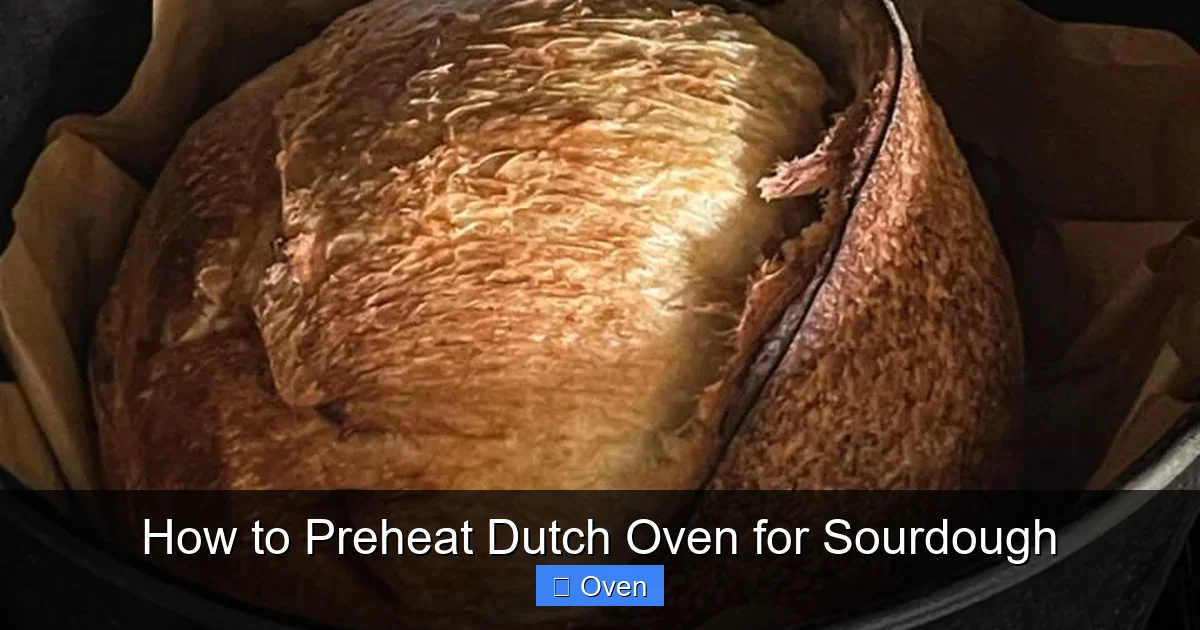
Visual guide about How to Preheat Dutch Oven for Sourdough
Image source: sourdoughtalk.com
Size and Shape
A 5‑ to 6‑quart pot fits most standard sourdough loaves (about 1‑pound). Larger pots can accommodate bigger breads, but you’ll need to increase the preheat time by 5‑10 minutes.
Best Cast Iron Dutch Oven for Bread
If you’re still searching for the perfect pot, check out our Best Cast Iron Dutch Oven For Bread 2 guide for top picks and buyer tips.
Step‑by‑Step Guide to Preheat Your Dutch Oven
1. Set the Oven Temperature
Most sourdough recipes call for 475°F (245°C). Preheat your oven with the Dutch oven inside on the middle rack. This ensures the pot heats from all sides.
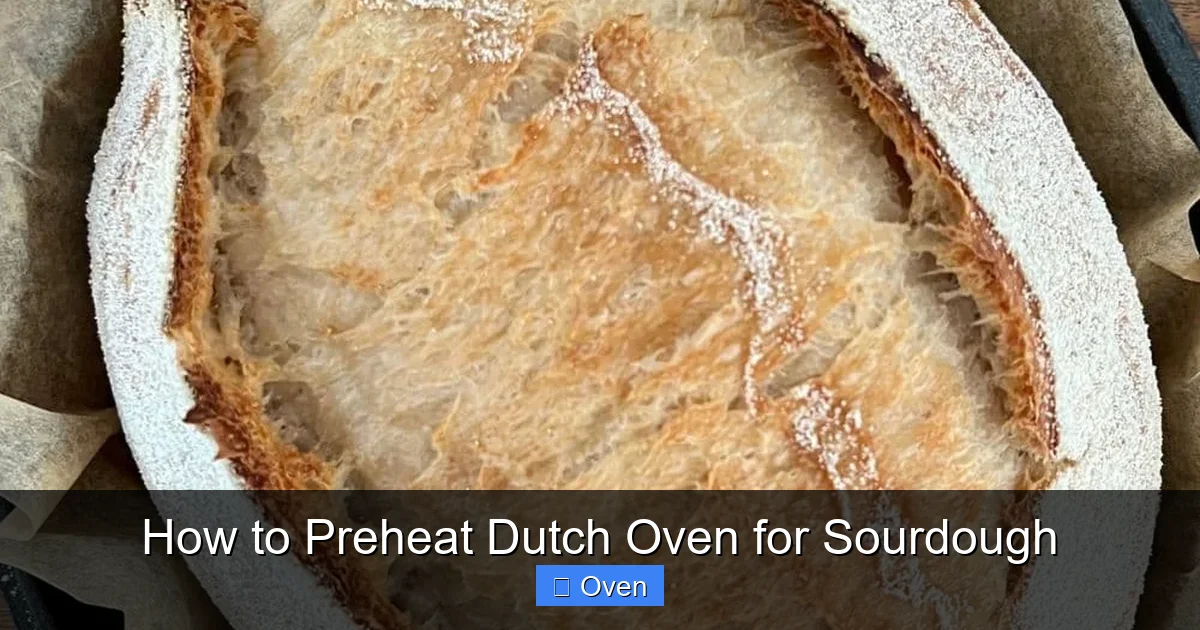
Visual guide about How to Preheat Dutch Oven for Sourdough
Image source: pantrymama.com
2. Allow Sufficient Time
Give the pot at least 30‑45 minutes to reach the target temperature. Use an infrared thermometer if you have one; the interior should read around 480°F (250°C) because the lid will lose a few degrees when opened.
3. Add a Steam Source
When you’re ready to bake, place a preheated metal tray or a cast‑iron skillet on the bottom rack and pour in a cup of hot water. The sudden steam helps the crust expand before it sets.
4. Transfer the Dough Safely
Dust a piece of parchment with flour, shape your loaf, and place it on the parchment. Using thick oven mitts, pull the hot Dutch oven out, set it on a sturdy surface, and gently lower the dough inside. Snap the lid on quickly.
5. Bake, Then Uncover
Bake with the lid on for the first 20‑25 minutes, then remove it to let the crust brown. This two‑stage method gives you both oven‑spring and a deep, caramelized color.
Common Mistakes and How to Fix Them
Cold Pot, Flat Loaf
If the pot isn’t hot enough, the loaf will spread instead of rising. Extend the preheat time or increase the oven temperature by 25°F.
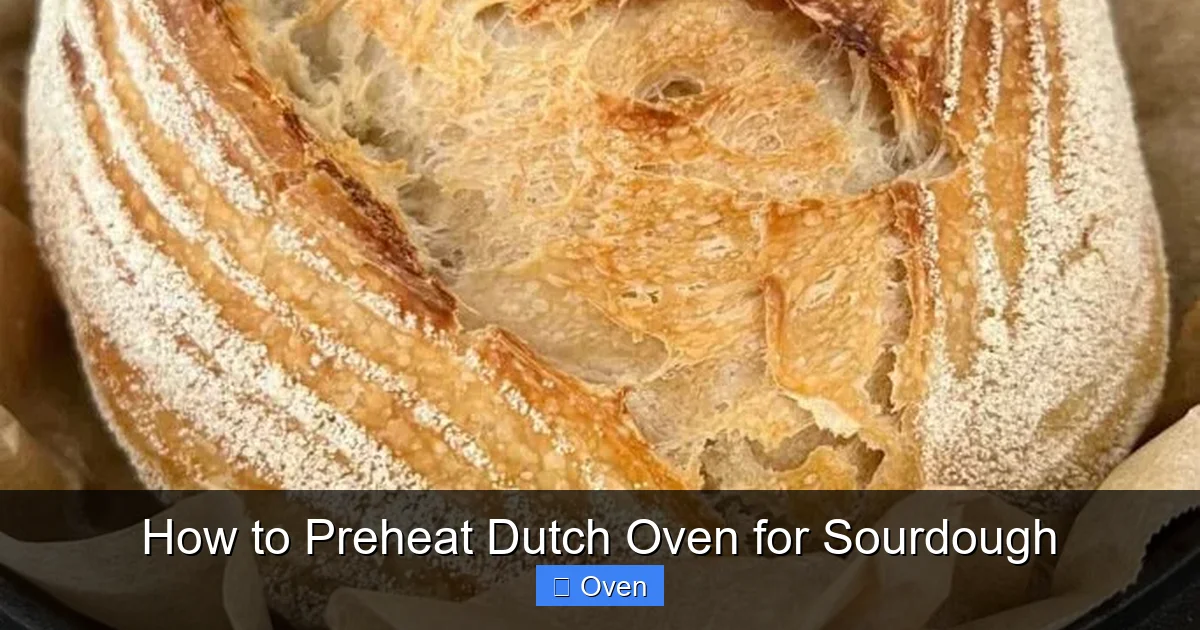
Visual guide about How to Preheat Dutch Oven for Sourdough
Image source: pantrymama.com
Steam Too Early or Too Late
Adding water after the lid is removed defeats the purpose. Keep the steam source inside until you pop the lid.
Burnt Bottom
A scorching bottom usually means the pot is too hot or the oven rack is too low. Move the pot up one rack or lower the oven temperature by 10‑15°F.
Tips for Perfect Sourdough Every Time
- Use a baking stone: Placing a stone on the rack beneath the Dutch oven adds extra heat mass, shortening preheat time.
- Pre‑heat the lid separately: Some bakers heat the lid on a stovetop for a few minutes to avoid temperature shock.
- Rotate the pot: Halfway through baking, rotate the Dutch oven 180° for even browning.
- Cool before cleaning: Allow the pot to return to room temperature to protect its seasoning.
- Track your results: Keep a baking journal noting temperature, time, and crust color to refine your process.
Alternative Methods When You Don’t Have a Dutch Oven
If you’re missing a Dutch oven, a heavy‑bottomed baking sheet covered with a large metal bowl can mimic the steam environment. However, you’ll lose some of the intense heat retention that makes the crust so special.
Conclusion
Preheating a Dutch oven for sourdough isn’t a fancy trick—it’s the foundation of a great loaf. By choosing the right pot, giving it enough time to heat, and managing steam correctly, you’ll consistently produce bread with a lofty interior and a beautifully blistered crust. Keep experimenting, note your observations, and soon you’ll be turning heads with every bake.
Frequently Asked Questions
How long should I preheat a Dutch oven for sourdough?
Aim for 30‑45 minutes at 475°F (245°C). This ensures the pot reaches a uniform temperature and creates enough steam for a good crust.
Can I use a cast‑iron skillet instead of a Dutch oven?
A cast‑iron skillet works for steam, but it won’t trap heat as well as a covered Dutch oven, so the crust may be less crisp.
Do I need to oil the Dutch oven before baking?
No. A well‑seasoned cast‑iron Dutch oven doesn’t require extra oil. Adding oil can cause smoke at high temperatures.
What’s the best way to add steam?
Place a preheated metal tray on the oven floor and pour a cup of hot water just before closing the Dutch oven lid. The rapid steam helps the loaf expand.
How do I prevent the bottom of the bread from burning?
Make sure the oven rack is not too low and consider using a baking stone or a sheet of parchment under the dough to buffer direct heat.
Can I reuse the same Dutch oven for multiple loaves?
Yes. Let the pot cool completely before cleaning, then re‑season if needed. It will retain its heat‑holding properties for many bakes.