How to Put Out Toaster Oven Fire
When a toaster oven catches fire, act quickly by unplugging the unit, using a fire extinguisher or baking soda, and never using water. This guide walks you through safe steps to put out the flames and prevent future incidents.
Imagine you’re making a quick snack and suddenly see smoke curling from your toaster oven. It’s alarming, but you can handle it if you know the right steps. This article will walk you through how to put out a toaster oven fire safely and how to keep it from happening again.
You don’t need to be a firefighter to act. With a calm mindset and a few simple tools, you can protect your kitchen and your home.
If you want a step‑by‑step walkthrough, check out our guide on what to do if a toaster oven catches fire.
Key Takeaways
- Point 1: Unplug the toaster oven immediately to cut power.
- Point 2: Use a Class K fire extinguisher or baking soda to smother the flames.
- Point 3: Never use water, as it can spread grease fires.
- Point 4: Keep the door closed to limit oxygen flow.
- Point 5: Clean the crumb tray and interior regularly to prevent buildup.
- Point 6: Place the unit on a stable surface away from flammable items.
📑 Table of Contents
- Understanding Why Toaster Ovens Catch Fire
- Immediate Actions to Take When You See Smoke
- Step‑by‑Step Guide to Putting Out the Fire
- After the Fire: What to Do Next
- Preventing Future Toaster Oven Fires
- Essential Safety Equipment for Your Kitchen
- When to Call Emergency Services
- Creating a Home Fire Escape Plan
- Long‑Term Maintenance and Prevention
- Additional Safety Tips
- Myths and Misconceptions
- Conclusion
Understanding Why Toaster Ovens Catch Fire
Common Causes
Most fires start because of a few common issues. The most frequent cause is food particles that burn on the heating elements. When crumbs, cheese, or grease build up, they can ignite and create a small flame. Another cause is using the wrong cookware, such as metal containers that reflect heat or plastic that melts. Finally, a malfunctioning thermostat or wiring can generate excess heat, leading to a fire.
Electrical problems are another hidden culprit. If the power cord is frayed, or if the outlet is overloaded, the toaster oven can receive more voltage than it is designed for. This overloads the internal components and may cause them to overheat. In older units, worn‑out wiring can short‑circuit and produce sparks.
Improper use also plays a role. For example, leaving the appliance unattended while it is set to a high temperature, or attempting to heat items that are not meant for a toaster oven, such as sealed containers or large cuts of meat, can quickly lead to a fire.
Blocked vents can also cause overheating. If the vents are covered by nearby objects or blocked by food debris, heat cannot escape and the unit may reach dangerous temperatures.
Signs of Impending Fire
Before a fire becomes visible, you might notice a few warning signs. These include a strange odor, smoke coming from the vents, or the unit turning off by itself. If you see any of these, stop using the toaster oven immediately and check for blockages.
Other early indicators are a faint buzzing sound, a slight discoloration of the exterior, or the temperature dial becoming unusually hot to the touch. Pay attention to any changes in the usual operation; they often precede a more serious event.
You may also notice sparks flying from the heating elements or a sudden increase in the smell of burning plastic. These are clear signs that the appliance needs to be unplugged and inspected.
Immediate Actions to Take When You See Smoke
Turn Off and Unplug
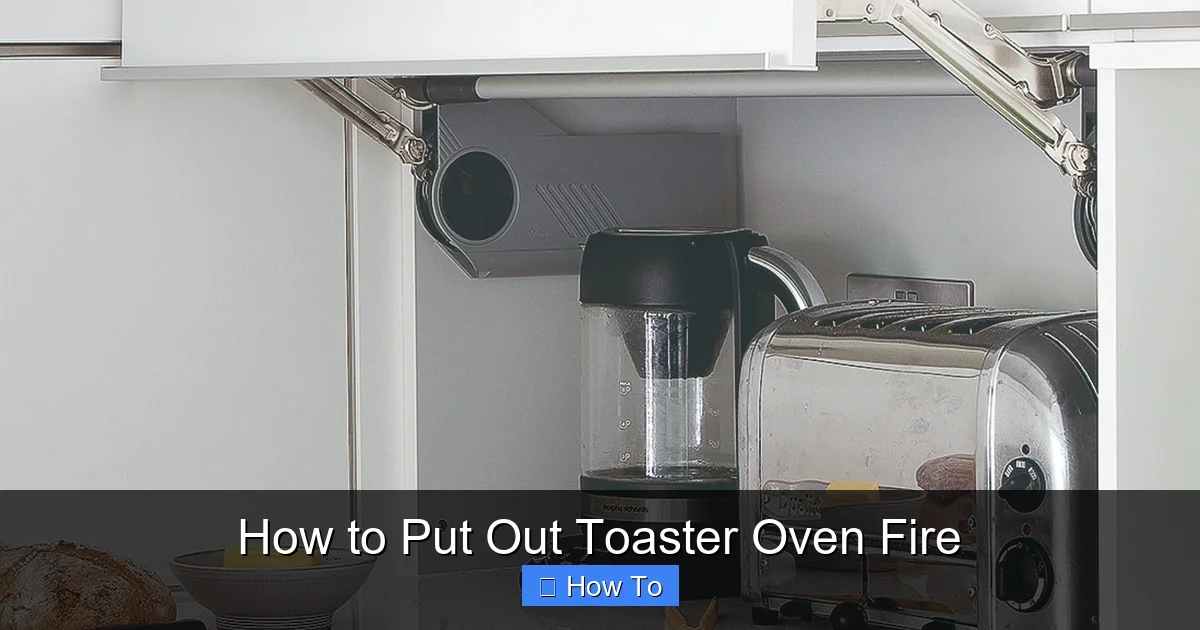
The first thing to do is stop the power source. Reach for the outlet and pull the plug, or switch off the circuit breaker if the plug is hard to reach. Cutting the electricity removes the fuel for the fire and makes it safer to work.
Visual guide about How to Put Out Toaster Oven Fire
Image source: cdn.mos.cms.futurecdn.net
If the plug is stuck, use a dry wooden spoon or a similar non‑conductive object to pry it free. Never pull the plug with your bare hands, especially if you see sparks.
If you cannot reach the plug or the breaker, consider turning off the main power switch for the kitchen, but only if you can do so safely.
Use the Right Extinguishing Agent
For a small fire, you can often put it out with a Class K fire extinguisher, which is designed for kitchen grease fires. If you don’t have one, a box of baking soda works well because it smothers the flame without spreading it. Sprinkle a generous amount over the fire and keep the door closed to contain the heat.
Another option is a fire blanket, which can be draped over the unit to cut off oxygen. Some kitchens also keep a container of flour, though it is less effective than baking soda and can create a cloud of dust if not applied gently.
Always ensure the extinguisher is rated for Class K before using it. If you are unsure, it is safer to evacuate and call for help.
Never Use Water
It might be tempting to grab a glass of water, but water can make a grease fire flare up. When water hits hot oil, it vaporizes instantly, sending burning droplets into the air. This can cause serious burns and spread the fire to nearby cabinets.
If water is accidentally used, step back immediately and cover the flames with a damp cloth or a fire extinguisher. Do not try to wipe the area; the heat can cause the water to evaporate and spread the fire.
Remember that water conducts electricity, so using it on an electrical fire can also increase the risk of shock.
Step‑by‑Step Guide to Putting Out the Fire
Small Fire Procedure
- Unplug the toaster oven as described above.
- Keep the door closed to limit oxygen flow.
- Open a window or turn on the exhaust fan to vent smoke.
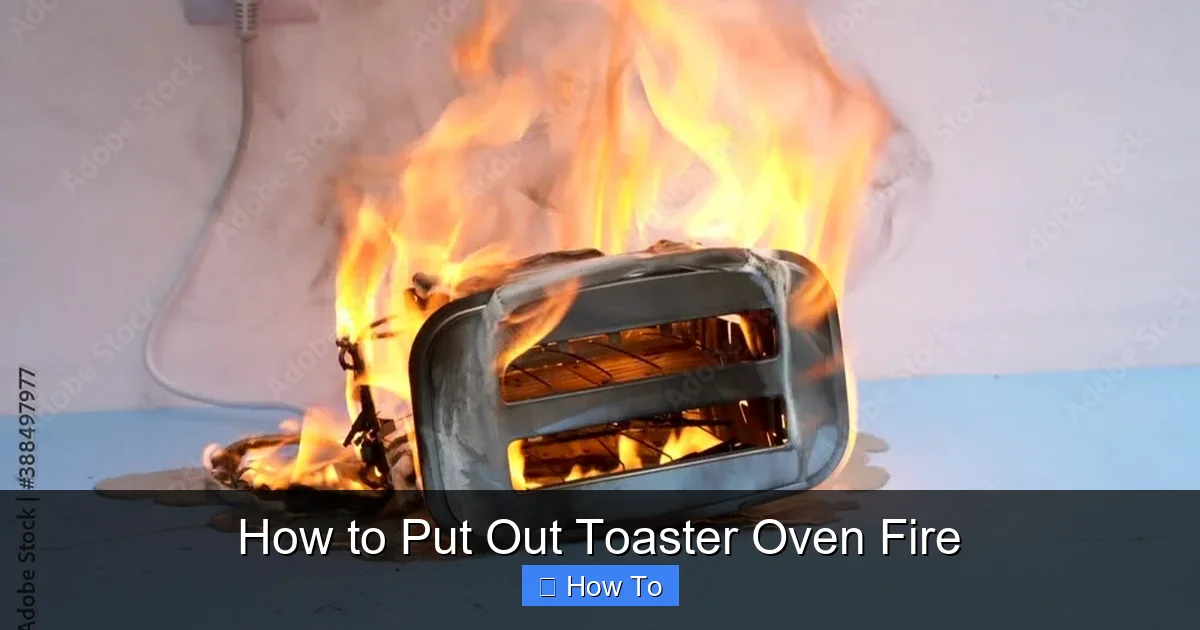
- Use a fire extinguisher or baking soda to smother the flames.
- Once the fire is out, let the unit cool completely before touching it.
While the fire is being controlled, stay low to the floor to avoid inhaling smoke. If you have a smoke detector, it may sound; keep it on and be prepared to evacuate if the alarm continues.
Visual guide about How to Put Out Toaster Oven Fire
Image source: as2.ftcdn.net
You can also cover the unit with a damp cloth to help contain any remaining embers, but do not smother it completely as this may trap heat.
Larger Fire Procedure
If the fire has spread to the exterior or is producing thick black smoke, you need to act faster. First, call your local fire department or emergency number. Then, evacuate everyone from the kitchen and close the door to contain the fire. Do not attempt to fight a large fire yourself; let professionals handle it.
Before leaving, turn off the main gas valve if you have a gas‑powered toaster oven, but only if you can do so safely. Close all windows and doors to limit the flow of oxygen, which can help slow the fire’s progress until help arrives.
If possible, move flammable items such as dish towels or paper away from the kitchen, but only if you can do so without entering the danger zone.
After the Fire: What to Do Next
Inspect Damage
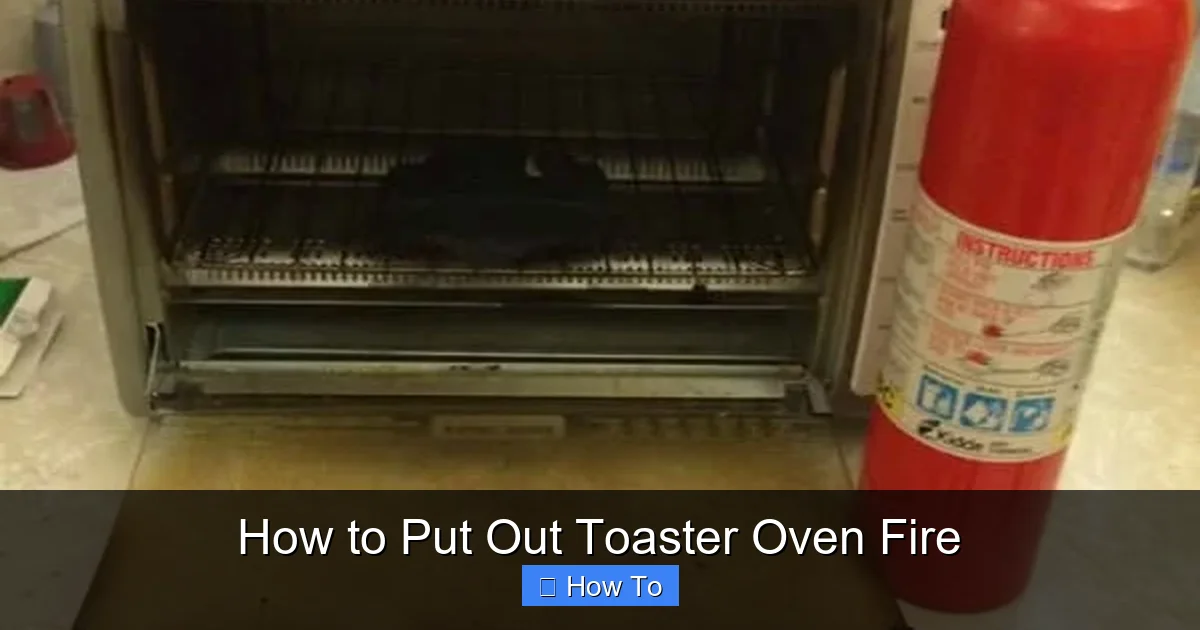
After the fire is extinguished, check the toaster oven for visible damage. Look for melted wires, burnt interior, or warped metal. If you see any of these, the unit is likely unsafe to use and should be replaced.
Visual guide about How to Put Out Toaster Oven Fire
Image source: i.pinimg.com
Also examine the surrounding cabinets and countertops for heat damage. Even a small fire can weaken wood or laminate, creating a risk of future ignition.
Test the outlet with a voltage tester to ensure it is still safe for use. If you are unsure, have an electrician inspect the circuit.
Clean Up Safely
Once the appliance has cooled, clean any residue with a mixture of water and mild detergent. Avoid using abrasive cleaners that could scratch the surface. Proper cleaning prevents future ignition points.
Ventilate the area by opening windows and using a fan to remove any lingering smoke smell. Dispose of any burnt food or cleaning materials in a sealed bag to prevent re‑ignition.
You may also want to use a vacuum with a HEPA filter to remove fine ash particles from the surrounding area.
Preventing Future Toaster Oven Fires
Regular Cleaning
Make it a habit to clean the crumb tray and interior after each use. A simple wipe with a damp cloth can remove crumbs before they have a chance to burn. For a deeper clean, you can follow our guide on how to clean a ninja toaster oven, which offers step‑by‑step instructions.
In addition to the crumb tray, check the heating elements for any food residue. Gently brush them with a soft brush or a dry cloth, being careful not to damage the coils.
Clean the exterior with a mild cleaner and a soft cloth, paying attention to any grease splatters that could ignite.
Proper Placement
Where you put your toaster oven matters. Keep it on a flat, stable surface away from curtains, paper towels, and other flammable items. If you’re short on counter space, consider the advice in where to put a toaster oven in a small kitchen to find a safe spot.
Allow at least six inches of clearance on all sides for airflow. This helps dissipate heat and reduces the chance of surrounding materials catching fire.
Avoid placing the unit under upper cabinets or on a shelf where heat can become trapped.
Use Correct Cookware
Only use cookware labeled oven‑safe. Avoid plastic, thin aluminum, or any item that could melt or warp. Glass and ceramic are usually safe, but always check the manufacturer’s guidelines.
When using metal pans, ensure they are not too large to fit inside the oven, as they may block vents and cause overheating. Also, avoid stacking multiple items that could trap heat.
Do not use aluminum foil directly on the heating elements, as it can reflect heat and cause hot spots.
Essential Safety Equipment for Your Kitchen
Having a Class K fire extinguisher within arm’s reach of your toaster oven can make a critical difference. Check the extinguisher’s pressure gauge regularly and replace it when needed.
In addition to a fire extinguisher, a small fire blanket can be stored in a drawer for quick access. These tools are especially useful if you have a busy kitchen or if you often cook with oils.
Consider installing a smoke detector near the kitchen and test it monthly. A working alarm can give you early warning and more time to escape.
When to Call Emergency Services
If the fire grows beyond the toaster oven, if you see flames reaching the ceiling, or if you cannot control the blaze with a small extinguisher, call your local fire department immediately.
Also call for help if you smell gas, hear a hissing sound, or suspect a gas leak, as this can indicate a more dangerous situation.
When you call, provide your address, the location of the fire, and any hazards you are aware of. Stay on the line until the dispatcher tells you to hang up.
Creating a Home Fire Escape Plan
Every household should have a fire escape plan that includes a meeting point outside the home. Practice the plan at least twice a year so everyone knows what to do in an emergency.
Designate a specific route from the kitchen to the exit, and make sure all family members are familiar with it. Keep a flashlight and a pair of shoes near the exit for quick use.
Long‑Term Maintenance and Prevention
Schedule a professional inspection of your toaster oven at least once a year. A technician can check the wiring, thermostat, and other components for signs of wear.
Replace any worn cords or plugs immediately. If you notice any unusual noises or smells, stop using the appliance and have it serviced.
Consider keeping a maintenance log where you record cleaning dates, inspections, and any repairs. This helps you stay on top of safety.
Additional Safety Tips
Never leave the toaster oven unattended while it is in use, especially when you are cooking with oil or high heat. Set a timer to remind yourself to check on the food periodically. Keep a fire blanket or a thick oven mitt nearby so you can quickly cover the unit if a fire starts. Avoid wearing loose sleeves or dangling jewelry that could catch on the appliance. Tie back long hair to prevent it from brushing against the heating elements. Store flammable items such as paper, plastic wrap, and napkins at least three feet away from the toaster oven. Teach children to stay away from the kitchen while the appliance is hot, and supervise them at all times. If you have pets, consider using a baby gate to keep them from jumping onto the counter. Regularly inspect the power cord for any signs of wear, and replace it if you notice cracks or exposed wires. Finally, consider installing a kitchen fire suppression system if you frequently cook with oil or have a history of small fires.
Myths and Misconceptions
Some people believe that a small fire can be ignored, but any fire, no matter how minor, can spread quickly. It is always better to act promptly and safely.
Another myth is that water is safe for all types of fires. As discussed, water is dangerous for grease fires and should never be used without proper training.
A common misconception is that a toaster oven will automatically shut off if it overheats. While some models have safety features, they are not foolproof and should not be relied upon exclusively.
Conclusion
Seeing smoke rise from your toaster oven can be frightening, but by following the steps outlined here you can put out the fire safely and reduce the risk of it happening again. Remember to unplug the unit, use the right extinguishing method, and never use water. With regular cleaning, proper placement, and careful use, your toaster oven will stay a reliable kitchen helper for years to come.
By staying aware of the warning signs, keeping the right tools on hand, and maintaining your appliance, you can enjoy the convenience of a toaster oven without the fear of fire.
Practice your fire escape plan, keep a fire extinguisher nearby, and never hesitate to call for help if a fire gets out of control.
Frequently Asked Questions
What should I do first if my toaster oven starts smoking?
Unplug the toaster oven immediately and keep the door closed. If the fire is small, use a Class K extinguisher or baking soda to put it out.
Can I use water to put out a toaster oven fire?
No, water can cause a grease fire to flare up and spread. Use a fire extinguisher or baking soda instead.
How can I prevent my toaster oven from catching fire?
Clean the crumb tray regularly, avoid using plastic cookware, and keep the unit away from flammable items.
What type of fire extinguisher is best for a toaster oven?
A Class K fire extinguisher is designed for kitchen grease fires and is the most effective choice.
When should I call a professional after a toaster oven fire?
If the fire damages the wiring, if you smell gas, or if the unit trips the breaker, contact a qualified technician.
Is it safe to use a toaster oven after a small fire?
Only if the appliance has been thoroughly inspected and any damage repaired; otherwise, replace it for safety.