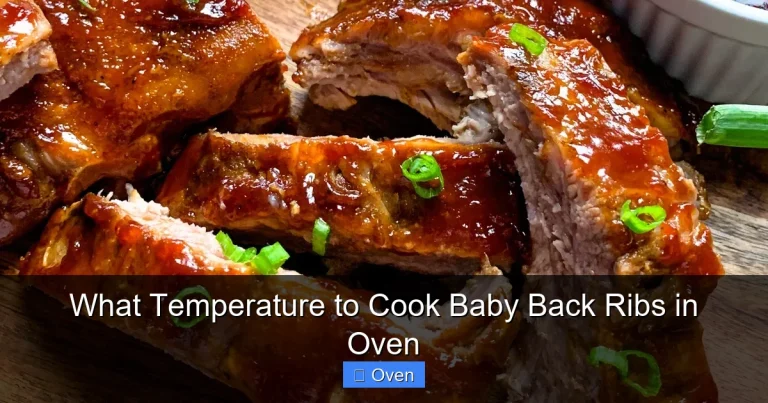
How to Reheat Cooked Ribs in the Oven
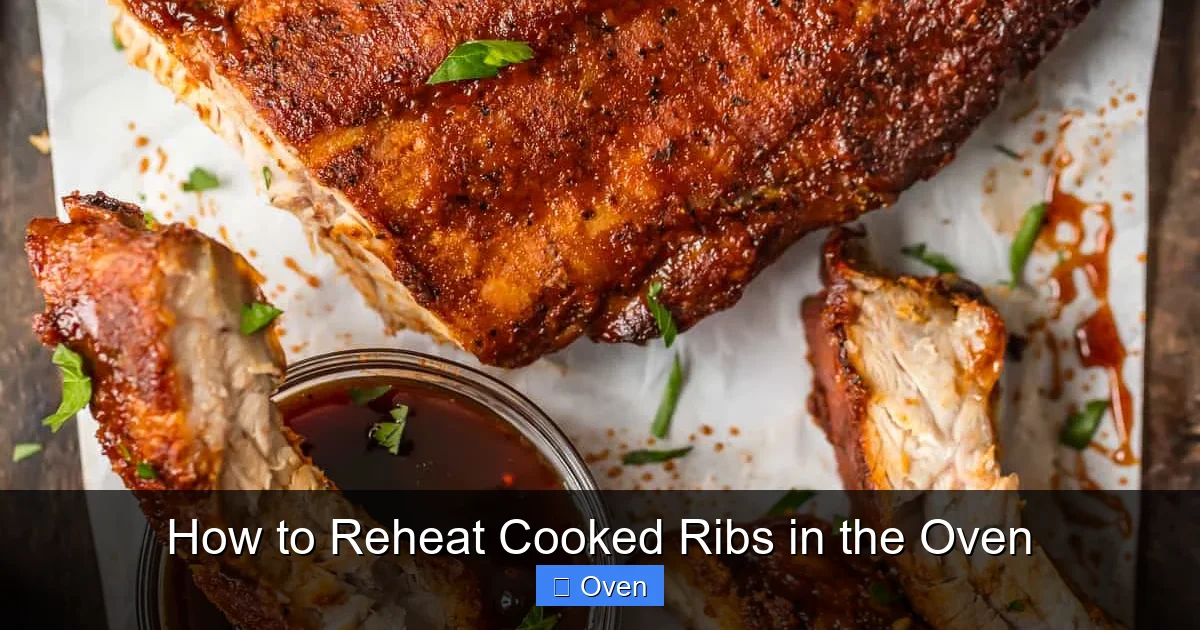
Reheating cooked ribs in the oven is simple and effective when done right. By using low heat, wrapping the ribs in foil, and adding moisture, you can restore their tenderness and flavor. This method ensures your leftover ribs taste just as good as fresh ones.
[Featured Image Placeholder]
Key Takeaways
- Set the Right Temperature: Use a low oven temperature of 250°F to 275°F to prevent the ribs from drying out.
- Wrap in Foil: Wrapping ribs in aluminum foil helps retain moisture and creates a steam effect for tender results.
- Add Moisture: Brush ribs with apple juice, barbecue sauce, or water before wrapping to keep them juicy.
- Check Internal Temperature: Reheat ribs until they reach an internal temperature of 165°F for safe consumption.
- Sauce After Reheating: Apply barbecue sauce after reheating to maintain the perfect texture and flavor.
- Avoid High Heat: High temperatures can cause ribs to dry out or become tough instead of tender.
- Use a Meat Thermometer: A meat thermometer ensures accuracy and prevents overcooking.
📑 Table of Contents
Why Reheat Ribs in the Oven?
There’s something special about leftover ribs. The flavors have had time to develop, and the meat is often more tender. But reheating them properly is key to enjoying that same delicious taste and texture. The oven is one of the best methods for reheating ribs because it allows for even heating and moisture retention. Unlike microwaving, which can make the meat rubbery, or grilling, which might dry them out, the oven provides a gentle, controlled environment.
Plus, the oven method gives you the flexibility to add extra flavor during the reheating process. Whether you’re a fan of smoky barbecue sauce or prefer a tangy mop sauce, the oven lets you experiment. And the best part? It’s hands-off once you set it up. You can focus on other meal prep while your ribs warm up to perfection.
Benefits of Oven Reheating
The oven’s dry heat is ideal for ribs because it allows you to control the environment. By wrapping the ribs in foil, you create a steam chamber that keeps the meat moist. This method also helps the sauce or seasoning penetrate deeper into the meat, enhancing the overall flavor. Additionally, the oven ensures that the ribs heat evenly, preventing hot spots that could lead to uneven texture.
Preparing Your Ribs for Reheating
Before you start reheating, proper preparation is essential. First, remove the ribs from the refrigerator and let them sit at room temperature for about 30 minutes. This step ensures even heating throughout. If the ribs are still on the bone, that’s fine—they’ll benefit from the slow, moist heat. However, if they’re pre-sliced, be gentle to avoid drying them out.
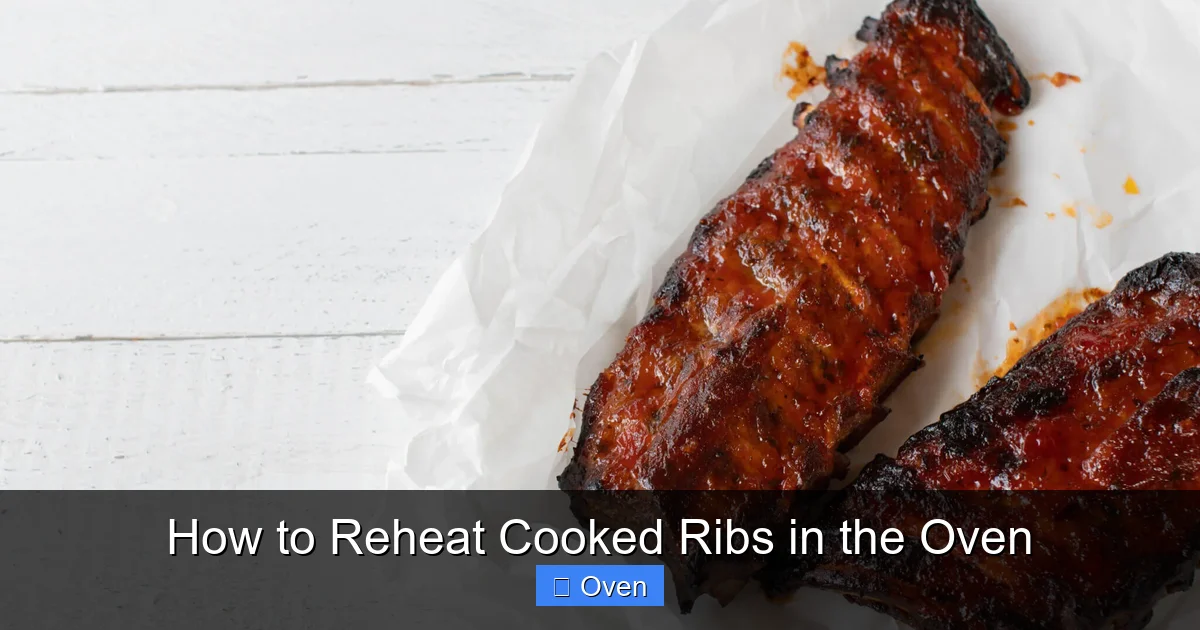
Visual guide about How to Reheat Cooked Ribs in the Oven
Image source: priceofmeat.com
Next, consider how you want to reheat them. For whole slabs, wrapping in foil is ideal. If you have individual portions, you can wrap them separately for easier serving. Before wrapping, brush the ribs with a bit of your favorite sauce, apple juice, or even a splash of water. This adds moisture and flavor that will seep into the meat during reheating.
Cleaning and Slicing Tips
If your ribs were sliced before refrigeration, try to reheat them in larger chunks rather than individual slices. This helps maintain their structure. Use a sharp knife to trim any excess fat or connective tissue. While some fat adds flavor, too much can become greasy when reheated. Finally, place the ribs on a baking sheet or in a roasting pan. This makes it easier to wrap them and prevents any mess in the oven.
Oven Temperature and Time Guidelines
Choosing the right temperature is crucial for successful rib reheating. Too high, and you’ll end up with dry, tough meat. Too low, and they might not heat through properly. The sweet spot is between 250°F and 275°F. This range allows the ribs to heat slowly, retaining moisture and allowing flavors to meld.
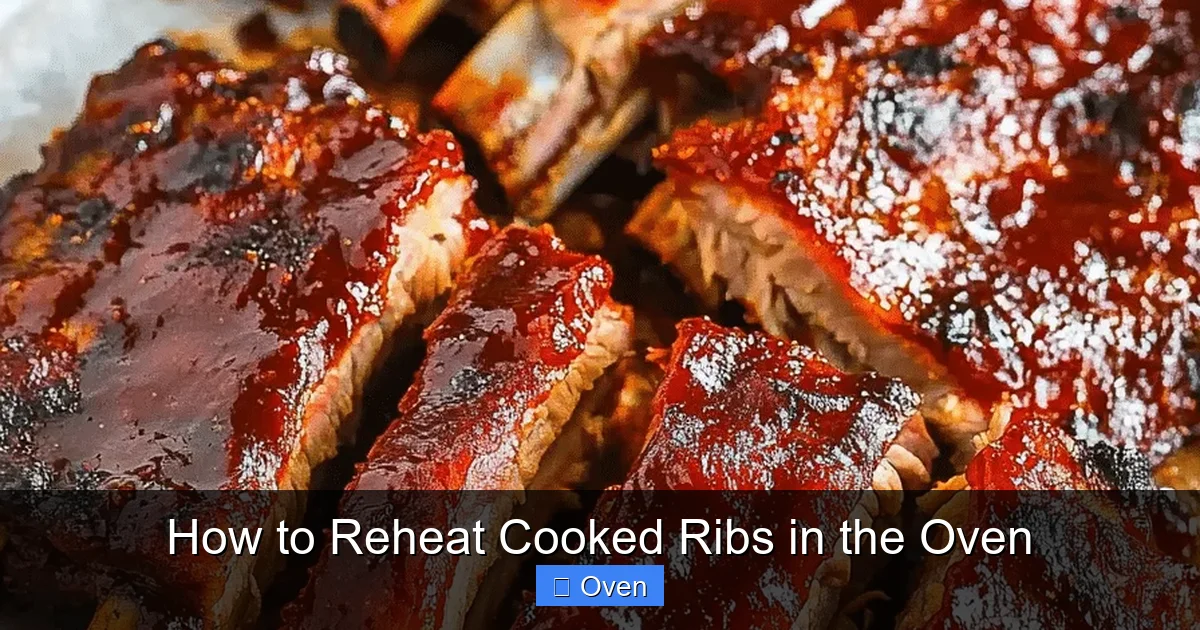
Visual guide about How to Reheat Cooked Ribs in the Oven
Image source: i.pinimg.com
The time required depends on the size and thickness of the ribs. A full slab typically takes 20 to 30 minutes, while smaller portions or chopped ribs might only need 15 minutes. The key is to check the internal temperature. Once the ribs reach 165°F, they’re safe to eat and should be plenty warm.
Adjusting for Different Rib Types
Different types of ribs may require slight adjustments. For example, spare ribs are thicker and might need an extra 5-10 minutes. Baby back ribs are thinner and could cook faster. If you’re reheating ribs that were previously smoked or grilled, you might want to add a bit more moisture since they may be drier. Always start checking the temperature 5 minutes before the estimated time to avoid overcooking.
Step-by-Step Reheating Instructions
Now that you’ve prepared your ribs and set your oven, it’s time to reheat them. Preheat the oven to 250°F. While the oven heats, wrap the ribs in aluminum foil. Place them meat-side down on a piece of foil, then brush them with your chosen liquid—apple juice, barbecue sauce, or even a mix of both. Fold the foil over the ribs to create a tight seal, ensuring no steam escapes.
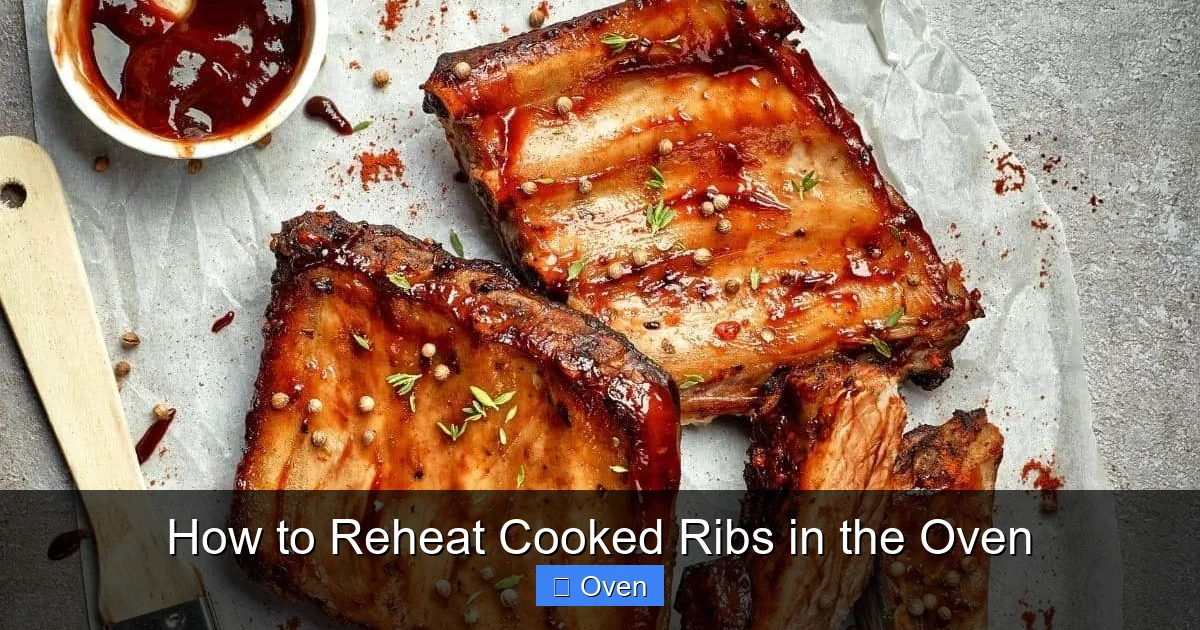
Visual guide about How to Reheat Cooked Ribs in the Oven
Image source: insanelygoodrecipes.com
Place the wrapped ribs on a baking sheet in the preheated oven. Let them cook for the estimated time, but check them after 15 minutes. To test if they’re done, carefully open one end of the foil and insert a meat thermometer into the thickest part of the meat. If it reads 165°F, they’re ready. If not, continue cooking and check again in 5 minutes.
Pro Tips for Perfect Results
For extra flavor, consider adding a few sprigs of fresh herbs like thyme or rosemary inside the foil packet. These infuse the steam with aromatic notes. If you want a crispier texture on the outside, unwrap the ribs for the last 5 minutes of reheating. This allows the surface to dry slightly and develop a bit of caramelization. Remember to baste the ribs with the juices from the foil a few times during the process for maximum moisture.
Adding Flavor During Reheating
Reheating ribs isn’t just about warming them up—it’s an opportunity to enhance their flavor. One of the simplest ways is to brush them with additional barbecue sauce during the reheating process. However, avoid applying sauce too early, as it can burn in the oven. Instead, do a final glaze in the last 5 minutes of heating.
Another option is to create a flavorful braising liquid. Combine apple juice, a dash of liquid smoke, and a splash of Worcestershire sauce in the foil packet. This not only keeps the ribs moist but also adds depth to the flavor. If you’re a fan of spicy ribs, toss in some sliced jalapeños or a drizzle of hot sauce.
Seasoning and Marinating Options
You can also season the ribs before wrapping. A dry rub made from paprika, garlic powder, and brown sugar works wonders. For a tangy twist, add a bit of apple cider vinegar to the braising liquid. If you’re reheating ribs that were previously cooked with a dry rub, consider reapplying the rub before wrapping. This revives the seasoning and adds an extra layer of flavor.
Common Mistakes to Avoid
Even experienced cooks can make mistakes when reheating ribs. One of the most common errors is using high heat. As mentioned earlier, high temperatures dry out the meat and make it tough. Another mistake is not wrapping the ribs properly. If the foil isn’t sealed tightly, all the moisture escapes, leaving you with dry ribs.
Not checking the internal temperature is another pitfall. Relying solely on time can lead to undercooked or overcooked ribs. Additionally, some people skip the step of letting the ribs come to room temperature before reheating. This can result in uneven heating. Finally, don’t forget to add moisture. Ribs need that extra bit of liquid to stay succulent.
Troubleshooting Tips
If your ribs turn out too dry, next time try adding more liquid to the foil packet. If they’re not heating through, increase the oven temperature slightly or extend the cooking time. If the sauce is too thick, thin it with a bit of apple juice or water. Remember, the key to perfect reheated ribs is patience and attention to detail.
Storing Leftover Ribs Properly
Proper storage is just as important as proper reheating. After enjoying your ribs, store any leftovers in an airtight container or wrap them tightly in plastic wrap and foil. Refrigerate within two hours of cooking. Properly stored, cooked ribs can last up to four days in the fridge.
For longer storage, consider freezing. Wrap the ribs in plastic wrap, then in a layer of foil, and place them in a freezer-safe bag. They can be frozen for up to three months. When ready to reheat, thaw them in the refrigerator overnight before following the reheating steps. This ensures even heating and prevents the meat from becoming too cold in the center.
Frequently Asked Questions
Can I reheat ribs in the oven without foil?
While it’s possible to reheat ribs without foil, wrapping them is essential for retaining moisture. Without foil, the ribs may dry out in the oven. If you prefer a crispier texture, you can unwrap them for the last 5 minutes of reheating.
How long do I reheat ribs in the oven?
The reheating time depends on the size of the ribs. A full slab typically takes 20 to 30 minutes at 250°F. Smaller portions or chopped ribs might only need 15 minutes. Always check the internal temperature to ensure they’re heated through.
What temperature should I reheat ribs at?
Set your oven to 250°F to 275°F. This low and slow approach prevents the ribs from drying out while ensuring they heat evenly throughout.
Can I add sauce while reheating?
It’s best to add sauce after reheating to maintain the perfect texture. Applying sauce too early can cause it to burn. Instead, brush the ribs with sauce during the last few minutes of heating.
How do I know when ribs are fully reheated?
Insert a meat thermometer into the thickest part of the meat. Ribs are fully reheated when they reach an internal temperature of 165°F.
What if my ribs are too dry after reheating?
If your ribs turn out dry, try adding more liquid to the foil packet next time. You can also baste them with the juices from the foil during reheating. For immediate relief, drizzle with a bit of apple juice or barbecue sauce.