How to Reheat Steak in a Toaster Oven
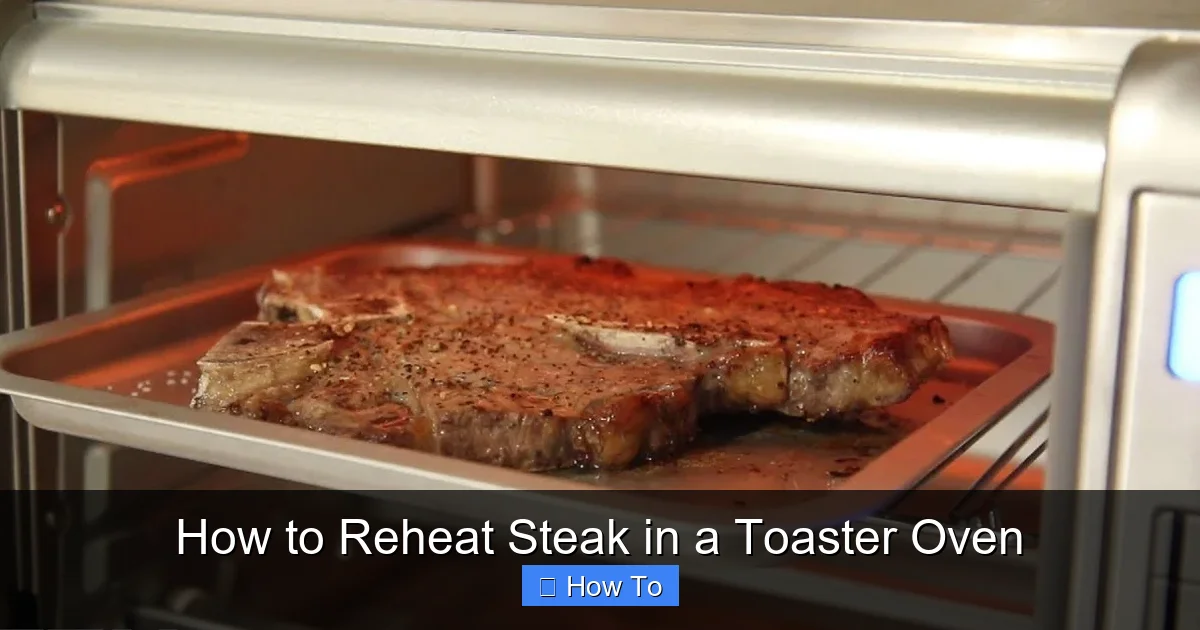
Reheating steak in a toaster oven is actually one of the best ways to bring back that restaurant-quality texture without drying it out. With just a few simple steps and the right temperature, you can enjoy leftover steak that’s nearly as good as the first time around. This method works especially well for thicker cuts like ribeye or sirloin, and it’s much more reliable than using a microwave.
Key Takeaways
- Preheat your toaster oven: Set it to 250°F (120°C) for gentle, even reheating that prevents drying.
- Use a wire rack: Elevating the steak allows hot air to circulate evenly around the meat.
- Don’t skip the resting time: Let the reheated steak rest for 5 minutes to lock in juices.
- Add moisture: A light brush of oil or butter helps maintain tenderness during reheating.
- Check internal temperature: Aim for 110-115°F (43-46°C) for medium-rare doneness when reheated.
- Avoid high heat: Lower temperatures prevent overcooking and preserve the steak’s natural texture.
📑 Table of Contents
Introduction: Why Reheat Steak in a Toaster Oven?
Let’s be honest – there’s nothing quite like a perfectly cooked steak fresh off the grill or pan. But what happens when you have leftovers? Throwing that beautiful piece of meat into the microwave often results in a tough, rubbery disappointment.
This is where your trusty toaster oven comes to the rescue. Unlike microwaves that heat unevenly and can turn your prized ribeye into shoe leather, a toaster oven provides gentle, even heat that mimics the original cooking environment.
If you’re wondering whether you can actually cook steak in a toaster oven, the answer is yes – and reheating works just as well. The controlled environment of a toaster oven makes it ideal for bringing back that restaurant-quality texture without the guesswork.
Choosing the Right Cut for Reheating
Not all steaks reheat equally well. The cut you’re working with will determine your approach and expected results.
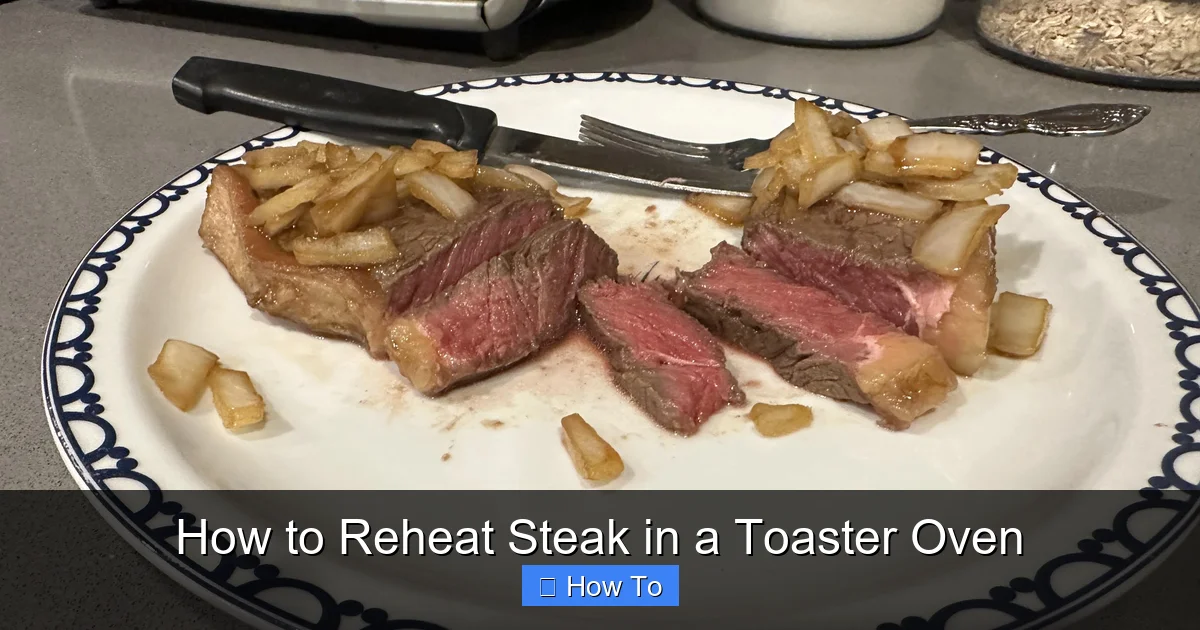
Visual guide about How to Reheat Steak in a Toaster Oven
Image source: i.redd.it
Best Cuts for Reheating
- Ribeye: High marbling content means it stays juicy when reheated properly
- Sirloin: Holds up well to gentle reheating methods
- New York Strip: Thick cut that benefits from slow reheating
- Filet Mignon: Tender cut that requires careful temperature control
Cuts to Avoid
Leaner cuts like flank or skirt steak tend to dry out more easily. While you can still reheat them, they require extra attention and moisture.
Step-by-Step Reheating Process
Now let’s get into the nitty-gritty. Here’s how to reheat your steak to perfection:
Visual guide about How to Reheat Steak in a Toaster Oven
Image source: storables.com
Step 1: Preparation
Remove your steak from the refrigerator 15-20 minutes before reheating. This allows it to come closer to room temperature, which promotes even heating throughout.
Pat the steak dry with paper towels. Any excess moisture on the surface will create steam instead of allowing proper browning.
Step 2: Preheat Your Toaster Oven
Set your toaster oven to 250°F (120°C). This low temperature is crucial – it’s gentle enough to prevent overcooking while still warming the meat thoroughly.
If you’re interested in learning more about temperature control in small appliances, check out our guide on baking in oven toaster without precise temperature settings.
Step 3: Set Up for Even Heating
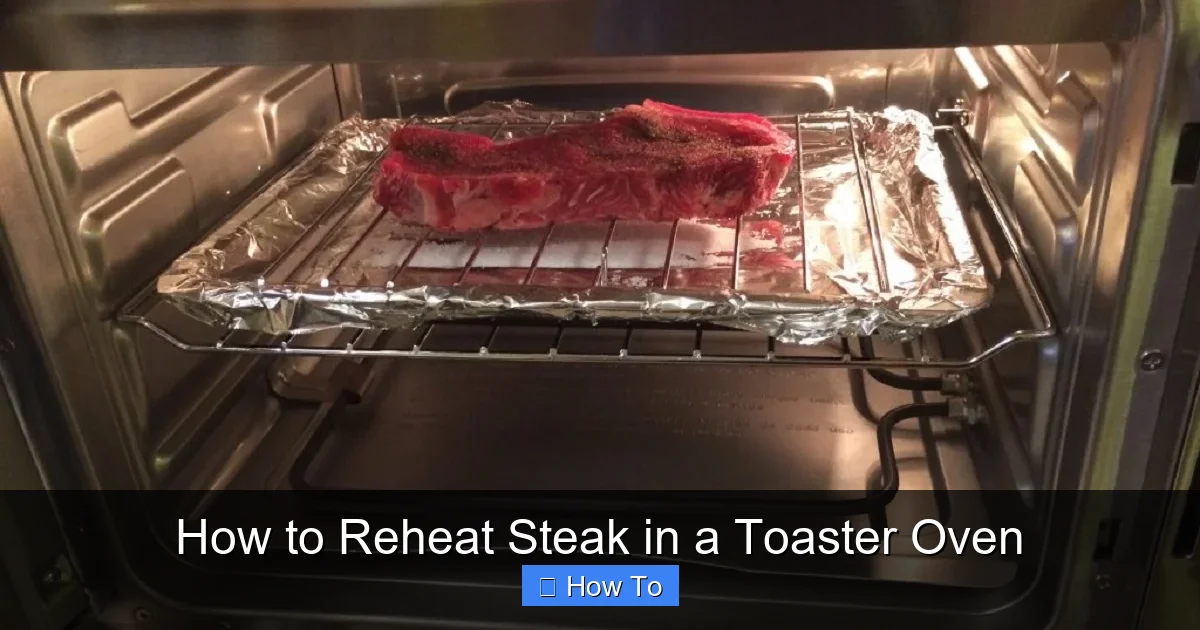
Place a wire rack inside your toaster oven’s baking pan. This elevates the steak, allowing hot air to circulate around all sides. If you don’t have a wire rack, a small cooling rack works too.
For extra protection against drying, lightly brush the steak with olive oil or melted butter.
Step 4: Reheat the Steak
Place the steak on the wire rack and insert it into the preheated toaster oven. Close the door and set a timer for 10 minutes.
After 10 minutes, check the internal temperature using a meat thermometer. You’re looking for 110-115°F (43-46°C) for medium-rare, which accounts for carryover cooking.
Step 5: Optional Finishing Touch
If you want that beautiful sear back, you can finish the steak with a quick broil. Switch the toaster oven to broil mode and give it 1-2 minutes. Watch carefully – this happens fast!
Step 6: Rest Before Serving
This step is non-negotiable. Remove the steak from the toaster oven and let it rest for 5 minutes. This allows the juices to redistribute throughout the meat, ensuring every bite is succulent.
Temperature and Timing Guide
Here’s a quick reference for timing based on steak thickness:
Visual guide about How to Reheat Steak in a Toaster Oven
Image source: foodfirefriends.com
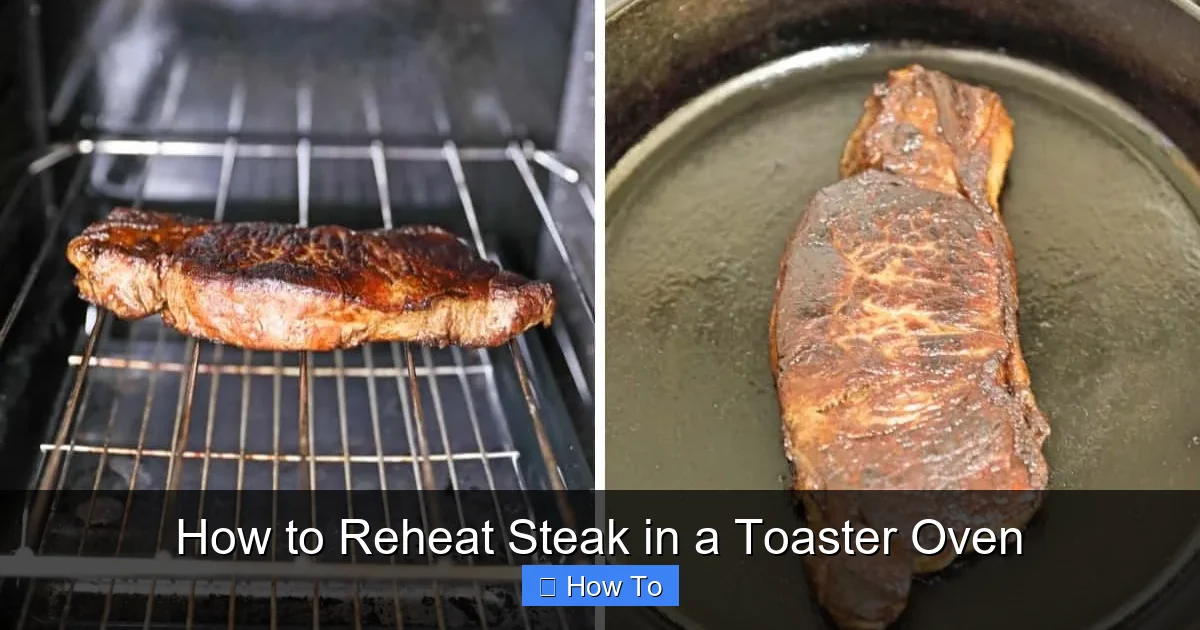
- 1-inch thick steak: 10-12 minutes at 250°F
- 1.5-inch thick steak: 15-18 minutes at 250°F
- 2-inch thick steak: 20-25 minutes at 250°F
Remember, these are guidelines. Every toaster oven runs slightly differently, so use a meat thermometer as your ultimate guide.
Tips for Perfect Results
Keep It Covered
If you’re concerned about drying, you can loosely tent the steak with aluminum foil during reheating. This traps some moisture while still allowing heat to penetrate.
Season Again
Reheating can mute flavors, so consider adding a pinch of salt and freshly ground black pepper just before serving. A small pat of compound butter on top doesn’t hurt either.
Don’t Rush It
I know it’s tempting to crank up the heat and speed things along, but low and slow really is the way to go. Higher temperatures will cook the exterior while leaving the center cold or overcooked.
Troubleshooting Common Issues
Steak Comes Out Dry
This usually means the temperature was too high or it was left in too long. Next time, reduce the temperature to 225°F (107°C) and check more frequently.
Uneven Heating
Make sure your steak is relatively uniform in thickness. If one end is much thicker, consider flipping it halfway through reheating.
No Wire Rack Available
You can place the steak directly on a piece of aluminum foil crumpled slightly to create bumps. This still allows some air circulation underneath.
Serving Suggestions
Once your steak is perfectly reheated, the serving possibilities are endless. Slice it thin against the grain for maximum tenderness, or serve it whole with your favorite sides.
Leftover reheated steak makes fantastic steak salads, steak sandwiches, or can be diced and added to creamy mashed potatoes. The versatility of a well-reheated steak means you’re not just eating leftovers – you’re creating new meals.
Conclusion
Reheating steak in a toaster oven might seem intimidating at first, but once you master the technique, you’ll wonder why you ever settled for microwave-reheated meat. The key is patience, low heat, and proper equipment setup.
Remember, the goal isn’t just to warm up your steak – it’s to restore its original texture and flavor. With this method, you’ll be enjoying restaurant-quality results right in your own kitchen, even with leftover meat.
So next time you’re staring down a pile of leftover steak, skip the microwave and reach for your toaster oven instead. Your taste buds will thank you!
Frequently Asked Questions
Can I reheat frozen steak in a toaster oven?
Yes, but it will take significantly longer. Plan for about 25-30 minutes at 250°F, and check the internal temperature to ensure it reaches safe levels.
What temperature should I reheat steak to?
For food safety, reheat steak to an internal temperature of at least 165°F (74°C). However, for the best texture, aim for 110-115°F (43-46°C) for medium-rare.
Should I cover the steak while reheating?
Loosely covering with foil can help retain moisture, especially for leaner cuts. However, uncovered reheating on a wire rack often produces better texture.
How long can I keep reheated steak?
Reheated steak should be consumed immediately. If you need to store it again, refrigerate within 2 hours and consume within 3 days.
Can I add seasoning before reheating?
It’s better to add fresh seasoning after reheating, as salt can draw out moisture during the heating process. Season lightly before serving instead.
What’s the best way to check if steak is done reheating?
Use a meat thermometer inserted into the thickest part of the steak. This gives you the most accurate reading without cutting into the meat and losing juices.