How to Reheat Wings in a Toaster Oven
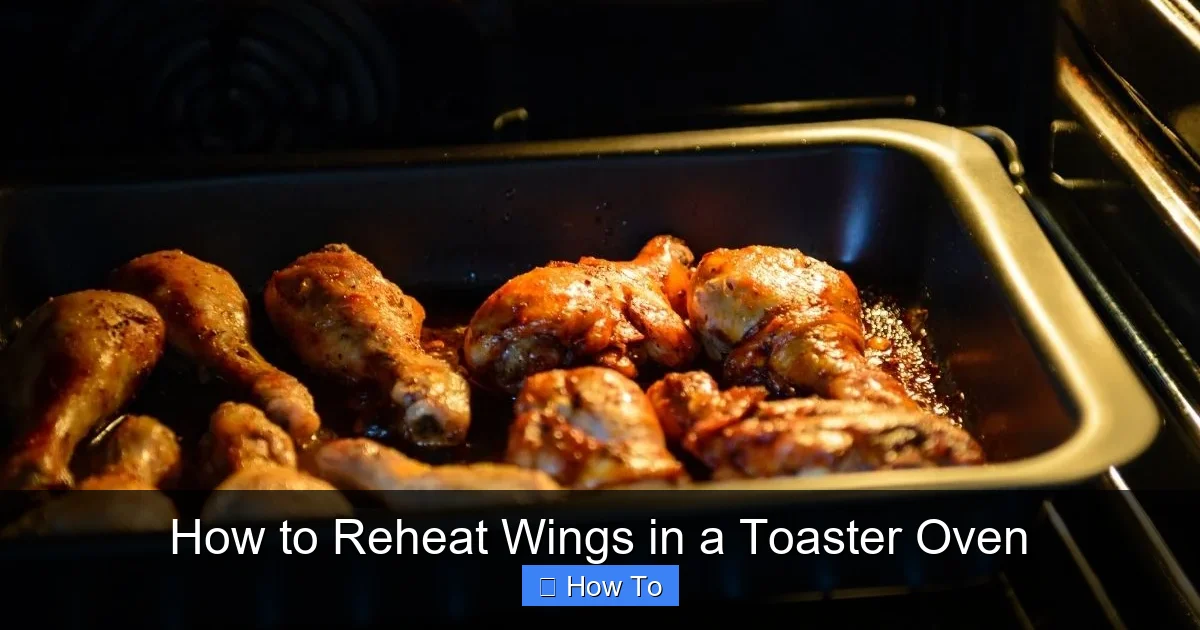
Reheating wings in a toaster oven is faster than a conventional oven and keeps the skin crisp while the meat stays juicy. Follow a simple three‑step process: preheat, arrange on a rack, and heat at 350°F for 8‑12 minutes, flipping halfway through. This guide walks you through everything you need for restaurant‑quality leftovers.
This is a comprehensive guide about How To Reheat Wings In A Toaster Oven.
Key Takeaways
- Preheat is crucial: A hot oven ensures even heat and prevents steam buildup.
- Use a rack for airflow: Placing wings on a wire rack gives them space to crisp on both sides.
- Flip halfway: Turning the wings after the first interval guarantees uniform cooking.
- Temperature matters: 350°F is the sweet spot for crispy skin without drying out the meat.
- Timing is flexible: 8‑12 minutes works for most wing sizes; check for doneness visually.
- Cleanup is easy: A damp cloth and mild soap keep the oven spotless after each use.
- Store leftovers safely: Refrigerate wings within two hours and reheat only once.
[FEATURED_IMAGE_PLACEHOLDER]
Why Reheat Wings in a Toaster Oven?
If you love fried chicken wings, you know they’re best when they’re fresh out of the fryer. Unfortunately, leftovers happen. While you can reheat wings in a microwave or conventional oven, a toaster oven offers a unique blend of speed and texture. The enclosed space traps heat, while the convection fan circulates air, giving you that crispy skin without the soggy bottom you often get with a regular oven. Plus, a toaster oven uses less energy, making it a smart choice for reheating a batch of wings.
Many home cooks ask, “Is reheating wings in a toaster oven even worth it?” The answer is a resounding yes. The compact size means your wings heat up in minutes, not the long minutes it takes a full oven. You also have more control over temperature and timing, which helps you avoid the common pitfalls of reheating—dry meat, rubbery skin, or uneven heating. For anyone who wants restaurant‑style results at home, mastering this method is a game‑changer.
If you’re new to toaster oven cooking, you might wonder how it compares to other reheating methods. The article on How To Reheat Food In Oven Toaster explains the science behind convection heat and why it works so well for wings. Understanding the basics helps you appreciate why the toaster oven is the top choice for reheating chicken wings.
Benefits Over Other Methods
Reheating wings in a toaster oven delivers several advantages. First, the compact chamber heats up quickly, cutting your waiting time dramatically. Second, the convection fan ensures even browning, which means you get that satisfying crunch on the surface while the interior stays tender. Third, you use far less electricity than opening a full oven or running a microwave for extended periods.
Another benefit is consistency. With a microwave, you risk uneven heating—hot spots that burn the edge while the center remains cold. A conventional oven can dry out the meat if you’re not careful. A toaster oven balances speed and precision, letting you monitor the process closely. This control is especially helpful if you have multiple wing flavors or sauces you’re reheating.
Preparing Your Wings for Reheating
Before you even think about turning on the oven, you need to set up your wings for success. The goal is to create a barrier that locks in moisture while allowing heat to penetrate. Start by patting the wings dry with paper towels. Any excess water will turn to steam and make the skin soggy. If your wings have been sitting in sauce for a while, gently shake off excess liquid, but keep a thin coating—this helps the crust form faster.
Next, consider adding a light oil or butter. A thin mist of cooking spray or a dab of melted butter on the wings ensures they don’t dry out. You can also sprinkle a pinch of salt or your favorite seasoning. Some cooks even dust the wings with a little cornstarch or flour to get an extra crisp edge. If you’re reheating wings with a sauce, you might want to place a small dish of water or a splash of broth in the bottom of the oven’s pan. This creates steam, which helps keep the meat juicy.
If you have a lot of wings, organize them in a single layer on a wire rack. Overcrowding is the number one mistake that leads to uneven heating and soggy skin. If your rack is too small, work in batches. Remember, the goal is to achieve that golden‑brown exterior while keeping the interior tender. A well‑prepared wing set‑up makes the reheating process much smoother.
Choosing the Right Rack
A wire rack is essential for airflow. It lifts the wings off the pan, allowing hot air to circulate around each piece. If you don’t have a rack, you can use a perforated baking sheet, but the results may not be as crispy. Make sure the rack fits securely inside the toaster oven; loose racks can tip over and cause a mess.
Before placing the wings, give the rack a quick spray of cooking oil. This prevents sticking and makes cleanup easier. If you’re reheating wings with sauce, the oil also helps the sauce adhere better to the skin, creating a more flavorful crust.
Step‑by‑Step Guide to Reheat Wings in a Toaster Oven
Now we get to the heart of the process. Follow these steps, and you’ll have perfectly reheated wings every time.
Set the Temperature
Preheat your toaster oven to 350°F (175°C). This temperature is hot enough to crisp the skin but gentle enough to keep the meat juicy. Some ovens have a “Reheat” setting; if yours does, use it, as it’s calibrated for exactly this purpose. If not, 350°F is the standard go‑to.
Position the Wings
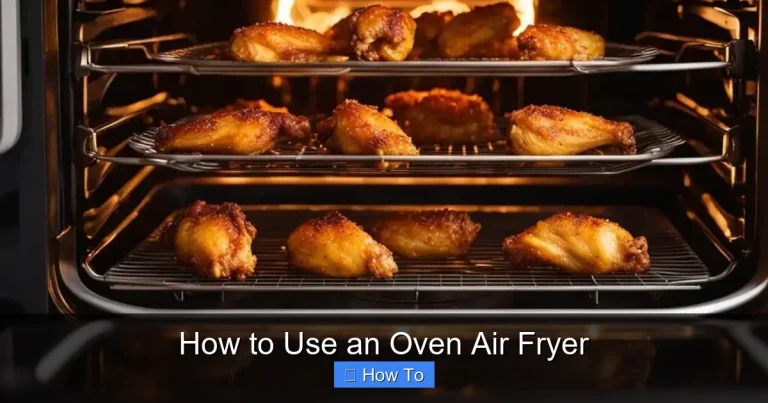
Place the rack in the middle position of the oven. Arrange the wings in a single layer, skin side up. If you have a large batch, fill the rack but leave at least a half‑inch gap between pieces. This ensures even heat distribution. For extra crisp, you can place a shallow pan or foil sheet below the rack to catch any drips.
Timing and Checking
Start the timer for eight minutes. After half the time, use oven mitts to flip each wing over. Flipping ensures both sides get the same crisp treatment. Continue cooking for another three to four minutes, depending on how many wings you have and their size. Larger drumettes may need the full 12 minutes.
At the end of the cooking time, check the internal temperature of the thickest part of the wing. It should be at least 165°F (74°C) to be safe. If the skin looks golden and the meat is hot, you’re done. If the skin is still pale, give it an extra minute and check again.
Let It Rest
Once the wings are ready, remove them from the oven and let them rest for two to three minutes. This brief pause allows the heat to distribute evenly throughout the meat, preventing sudden hot spots. Serve immediately for the best texture and flavor.
Tips for Perfect Crispy Skin and Juicy Meat
Reheating wings is part science, part art. Here are some pro tips to elevate your results.
Use a Rack for Airflow
A wire rack is the secret weapon for crisp skin. It creates a pocket of hot air around each wing, promoting even browning. If you’re short on equipment, a perforated baking sheet works, but the rack is superior. Make sure the rack is placed in the center of the oven for balanced heat.
Add Moisture to Prevent Drying
Even though you’re reheating, the meat can dry out if the oven is too hot or the cooking time is too long. Adding a small dish of water or a splash of chicken broth to a pan at the bottom of the oven introduces steam. This moisture keeps the interior juicy while still allowing the exterior to crisp. You can also mist the wings lightly with water before placing them in the oven, but be careful not to overdo it.
Rotate and Flip for Even Cooking
Not all wings cook uniformly. Some may be larger, some may sit closer to the heating element. Rotating the rack 180 degrees halfway through the cooking time helps balance the heat. Flipping the wings after the first interval is also crucial. This ensures both the skin and meat get the same treatment, delivering a consistent bite every time.
Consider a Quick Basting
If your wings are looking a bit dry, a quick basting with melted butter or a light drizzle of sauce can rescue them. Just be mindful not to overdo it, as excess liquid can create steam and make the skin soggy. A thin, even coat is all you need.
Common Mistakes to Avoid
Even with the best intentions, home cooks often stumble. Here are the most frequent slip‑ups and how to sidestep them.
Overcrowding the Rack
Cramming too many wings onto one rack blocks airflow. The result is uneven heating—some wings stay cold while others burn. Work in batches if needed. A good rule of thumb is to leave about a half‑inch of space between each wing.
Using Too Low a Temperature
If you set the oven below 300°F, the wings will steam rather than crisp. Low heat also prolongs cooking time, which can dry out the meat. Stick to 350°F for the best balance. If you’re reheating a large quantity, you might need to cook in two stages, rotating halfway through.
Forgetting to Flip
One‑sided cooking is a common oversight. Many people forget to flip the wings, leading to burnt edges and raw centers. Set a timer for the halfway point and make flipping a habit. It only takes a few seconds, but it makes a huge difference.
Neglecting to Preheat
Starting the oven without preheating can cause temperature fluctuations. The wings may sit in a cool environment while the oven catches up, resulting in soggy skin. Always preheat for at least five minutes before placing the wings inside.
Cleaning and Maintenance After Reheating
A clean oven not only looks good but also ensures future reheating success. Follow these steps after each use.
Remove Grease and Residue
Allow the oven to cool slightly, then wipe down the interior with a damp cloth. For stubborn bits of sauce, a mild dish soap works well. Avoid abrasive scrubbers that can scratch the non‑stick surface.
Clean the Rack
Remove the wire rack and soak it in warm, soapy water. Use a brush to get into the gaps where oil collects. Rinse thoroughly and dry before placing it back. A clean rack prevents food from sticking and ensures even airflow.
Store the Oven Properly
Close the door and let the oven cool completely before storing. If you’re not using the toaster oven for a while, wipe the interior dry to prevent mold or mildew. Some models have removable trays that can be placed in the dishwasher, but always check the manufacturer’s instructions.
Conclusion
Reheating wings in a toaster oven is a simple yet rewarding skill that any home cook can master. By preheating, using a rack, flipping halfway, and watching the temperature, you’ll achieve that perfect balance of crispy skin and juicy meat every single time. Remember to prepare your wings properly, avoid common mistakes, and keep your oven clean for consistent results. With practice, you’ll be able to turn leftovers into a quick, delicious snack or meal without sacrificing flavor or texture.
If you’re looking for more oven‑friendly tips, check out our guide on How To Reheat Rotisserie Chicken In Toaster Oven. It shares similar techniques that work great for other proteins, too. Happy reheating!
Frequently Asked Questions
What is the best temperature to reheat wings in a toaster oven?
The ideal temperature is 350°F (175°C). This heat level crisps the skin while keeping the meat juicy. Using a lower temperature can steam the wings, resulting in soggy skin.
Do I need to use a rack when reheating wings?
Yes, a wire rack is recommended. It allows hot air to circulate around each wing, promoting even browning and preventing the bottom from becoming soggy.
How long does it take to reheat wings in a toaster oven?
Most wings reheat in 8‑12 minutes. Start with 8 minutes, flip halfway, and add 3‑4 more minutes if needed. Check for an internal temperature of 165°F (74°C) for food safety.
Can I reheat frozen wings directly in the toaster oven?
It’s best to thaw frozen wings first. Place them on the rack and reheat at 350°F, adding about 5 extra minutes to the cooking time. Thawing ensures even heating and prevents steam buildup.
What should I do if my wings become dry after reheating?
Dry wings often result from overheating or insufficient moisture. Add a small dish of water or broth to the oven’s bottom pan, or lightly mist the wings with water before reheating. Monitor the time closely to avoid overcooking.
How do I clean my toaster oven after reheating wings?
Let the oven cool, then wipe the interior with a damp cloth and mild soap. Remove the rack and soak it in warm, soapy water. Dry everything thoroughly before storing the oven.