How to Toast Coconut Flakes in Toaster Oven
Toasting coconut flakes in a toaster oven is a quick way to bring out their natural sweetness and crunch. Follow simple temperature and timing tips to avoid burning and get evenly golden results. Use the toasted flakes in baked goods, smoothie bowls, or as a tasty snack.
If you’ve ever bought a bag of sweetened or unsweetened coconut flakes and wondered how to make them taste even better, you’re in the right place. Toasting coconut flakes in a toaster oven brings out a rich, nutty aroma and a satisfying crunch that raw flakes just can’t match. The process is fast, requires minimal equipment, and lets you control the level of browning so you never end up with burnt bits.
This guide walks you through every step of How To Toast Coconut Flakes In Toaster Oven, from picking the right flakes to storing the finished product. Whether you’re preparing a topping for granola, adding texture to curries, or simply snacking, you’ll learn how to get perfectly golden flakes every time.
Key Takeaways
- Prep the flakes: Spread coconut flakes in a single, even layer on a baking sheet to ensure uniform heat exposure.
- Set the right temperature: A moderate 325°F (163°C) works best for gentle, even toasting without scorching.
- Watch and stir: Toast for 5‑7 minutes, stirring every 2 minutes to prevent hot spots and achieve consistent color.
- Use the broil or air‑fry setting if needed: For extra crispness, finish with a quick broil or air‑fry burst, similar to how long to toast walnuts in toaster oven or how to broil in toaster oven.
- Cool before storing: Let the flakes cool completely on the sheet; this locks in crunch and prevents sogginess.
- Store properly: Keep toasted coconut in an airtight container at room temperature for up to two weeks, or freeze for longer shelf life.
📑 Table of Contents
Why Toast Coconut Flakes?
Toasted coconut isn’t just about flavor—it’s about texture and versatility. When you heat the flakes, the natural sugars caramelize slightly, giving a deeper sweetness that works in both sweet and savory dishes.
Flavor enhancement
Raw coconut can taste bland or overly sweet if it’s the sweetened variety. Toasting mellows the sweetness and adds a toasty, almost caramel note that pairs well with chocolate, fruit, and spices.
Texture upgrade
The heat removes surface moisture, making the flakes crisp and light. This crunch holds up better in baked goods, sprinkled over yogurt, or mixed into trail mix.
Versatility in the kitchen
Once toasted, you can use the flakes as a garnish for cakes, pies, and smoothie bowls, or incorporate them into granola bars, energy bites, and even savory rice dishes. Knowing How To Toast Coconut Flakes In Toaster Oven opens up a world of culinary possibilities.
Preparing Your Coconut Flakes
Good results start with proper preparation. The type of coconut you choose and how you spread it on the pan make a big difference.

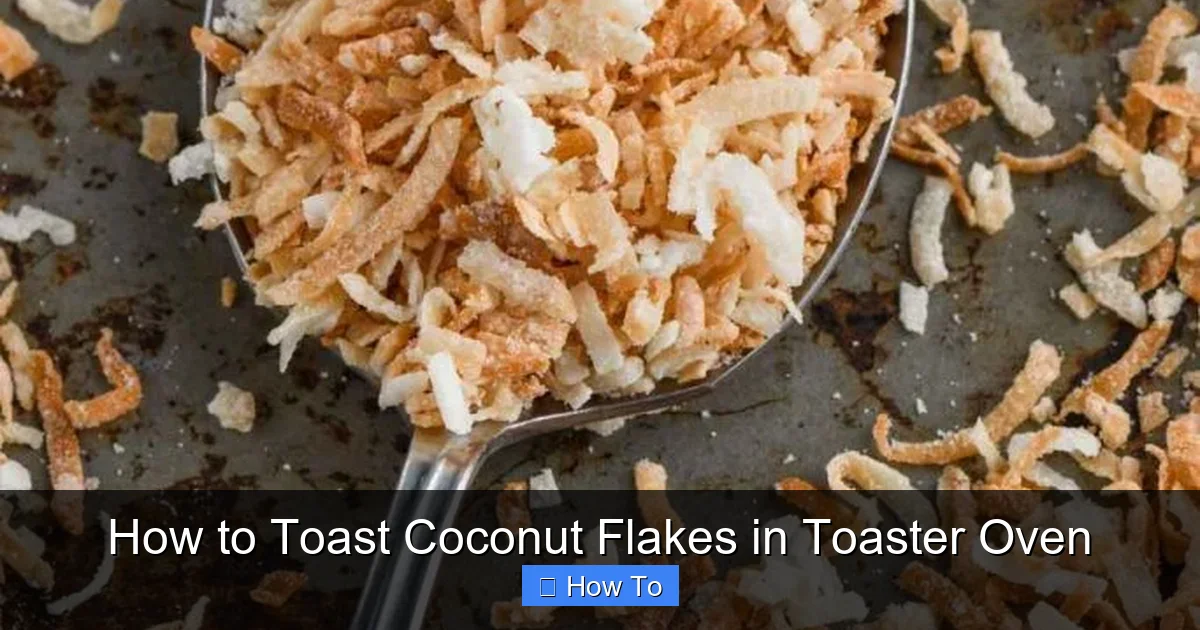
Visual guide about How to Toast Coconut Flakes in Toaster Oven
Image source: i.pinimg.com
Choosing the right coconut
You can toast both sweetened and unsweetened flakes. Sweetened flakes will brown faster because of the added sugar, so keep a closer eye on them. Unsweetened flakes take a bit longer but offer a purer coconut flavor.
Measuring and spreading
For even toasting, spread the flakes in a single layer on a light‑colored baking sheet. Avoid piling them up; overlapping pieces will steam instead of toast, leading to uneven color. Aim for about ½ cup of flakes per standard sheet—this gives each piece enough space to crisp up.
Optional pre‑treatment
If you like a hint of salt or spice, toss the flakes with a pinch of sea salt, cinnamon, or a dash of vanilla extract before spreading them out. This adds flavor without affecting the toasting time.
Setting Up Your Toaster Oven
Your toaster oven’s settings are the key to success. Too hot and you’ll burn the edges; too cool and the flakes will stay pale and chewy.
Temperature selection
Set the oven to 325°F (163°C). This moderate temperature allows the moisture to evaporate slowly while the sugars caramelize gently. If your toaster oven only offers preset options, choose the “bake” or “toast” setting and adjust the dial to the nearest 325°F.
Using the convection fan (if available)
Many modern toaster ovens have a convection fan that circulates hot air. Turning the fan on can reduce hot spots and speed up the process by a minute or two. If you use convection, you might lower the temperature to 300°F (149°C) to prevent over‑browning.
Broil and air‑fry alternatives
If you prefer a quicker finish, you can start at 325°F and then switch to the broil setting for the last 30‑60 seconds. This mimics the technique used in how to broil in toaster oven and gives a deep golden edge. Alternatively, if your oven has an air‑fry function, you can finish with a short air‑fry burst, similar to the advice in how to air fry in toaster oven. Just watch closely—these modes heat intensely and can burn coconut in seconds.
Toast Process: Step‑by‑Step
Now that your flakes are prepped and the oven is ready, follow these steps for perfect results.
Visual guide about How to Toast Coconut Flakes in Toaster Oven
Image source: i.pinimg.com
Step 1: Preheat the oven
Allow the toaster oven to preheat for at least 5 minutes. A stable temperature from the start ensures even cooking.
Step 2: Load the baking sheet
Place the sheet on the middle rack. This position gives the most uniform heat flow—neither too close to the top heating element nor too far from the bottom.
Step 3: Set the timer
Start with 5 minutes. After the first 2 minutes, open the oven and give the flakes a quick stir with a silicone spatula. This moves the outer pieces to the center and prevents any one spot from getting too dark.
Step 4: Continue toasting
Close the door and toast for another 2‑3 minutes, then stir again. At this point, you should see a light golden hue beginning to appear.
Step 5: Final check
Toast for a final 1‑2 minutes, watching carefully. The flakes should be uniformly golden brown, not dark brown or black. If you notice any pieces starting to darken faster, remove the sheet immediately and give it a toss.
Step 6: Cool down
Remove the baking sheet from the oven and spread the flakes out on a cool countertop or a wire rack. Let them cool completely—this step is crucial because residual heat will continue to cook them, and cooling locks in the crunch.
Tips for Perfect Toasted Coconut Flakes
Even with a solid method, a few extra tricks can make the difference between good and great.
Watch the color, not just the clock
Every toaster oven varies slightly. Use visual cues as your primary guide: look for a consistent, light‑golden shade across the entire batch.
Don’t overload the pan
If you need to toast a large quantity, do it in batches. Overcrowding traps moisture and leads to soggy, unevenly toasted flakes.
Use a light‑colored sheet
Dark pans absorb more heat and can cause the bottom to burn before the top colors. A shiny aluminum or parchment‑lined sheet reflects heat and promotes even browning.
Season after toasting (if desired)
If you want to add a sweet glaze or a savory spice mix, toss the flakes while they’re still warm but not hot. This helps the seasoning stick without burning.
Store correctly
Once completely cool, transfer the flakes to an airtight glass jar or a resealable plastic bag. Keep them in a cool, dry place. For longer storage, place the container in the freezer; toasted coconut stays fresh for up to three months when frozen.
Storing and Using Your Toasted Coconut
Now that you have a batch of golden, crunchy coconut, let’s talk about storage and creative ways to use it.
Best storage practices
As mentioned, an airtight container is essential. If you live in a humid climate, consider adding a small food‑safe silica packet to the jar to absorb excess moisture.
Shelf life
At room temperature, toasted coconut stays crisp for about 10‑14 days. In the refrigerator, it can last up to a month, though it may absorb odors from other foods. Freezing preserves flavor and texture for up to three months—just thaw at room temperature before using.
Ideas for sweet applications
- Sprinkle over oatmeal, chia pudding, or smoothie bowls for added crunch.
- Fold into muffin, banana bread, or cake batter for a tropical twist.
- Mix with melted chocolate and nuts to make homemade coconut‑chocolate clusters.
- Use as a topping for fruit salads, yogurt parfaits, or ice cream.
Ideas for savory applications
- Toasted coconut adds texture to curries, stir‑fries, and rice dishes—especially Thai or Indian recipes.
- Combine with toasted cashews and lime zest for a quick salad topping.
- Mix into breadcrumb mixtures for coating fish or chicken before baking.
- Stir into quinoa or couscous pilafs with dried fruit and herbs for a sweet‑savory side.
Conclusion
Learning How To Toast Coconut Flakes In Toaster Oven is a simple skill that pays off big in flavor and texture. By spreading the flakes evenly, baking at a moderate temperature, stirring frequently, and watching for that perfect golden hue, you’ll avoid burnt bits and achieve consistently crunchy results every time. Remember to let the flakes cool fully before storing, and keep them in an airtight container to preserve their crispness.
Whether you’re enhancing a dessert, adding crunch to a savory dish, or just enjoying a handful as a snack, toasted coconut flakes bring a touch of tropical warmth to any meal. Give it a try today, and you’ll wonder why you ever settled for plain, untoasted coconut again.
Frequently Asked Questions
Can I toast sweetened coconut flakes the same way as unsweetened?
Yes, but sweetened flakes brown faster because of the added sugar. Start checking them at the 3‑minute mark and stir more frequently to prevent burning.
What if my toaster oven doesn’t have a precise temperature dial?
Use the “bake” or “toast” setting and aim for a medium heat. You can also place an oven thermometer inside to verify the temperature is around 325°F (163°C).
Is it necessary to stir the flakes while they toast?
Stirring every 1‑2 minutes ensures even exposure to heat and prevents hot spots that could cause some pieces to burn while others stay pale.
Can I use the convection setting to toast coconut flakes?
Absolutely. Convection circulates hot air, which can reduce the time by a minute or two. If you use convection, consider lowering the temperature to 300°F (149°C) and watch closely.
How do I know when the coconut flakes are done?
Look for a uniform light‑golden color across the batch. The flakes should feel dry and crisp to the touch, not soft or moist.
What’s the best way to revive coconut that has lost its crunch?
Spread the flakes on a baking sheet and warm them in a 300°F (149°C) toaster oven for 3‑4 minutes, stirring once. This will drive off moisture and restore crispness.