How to Turn Oven into Air Fryer
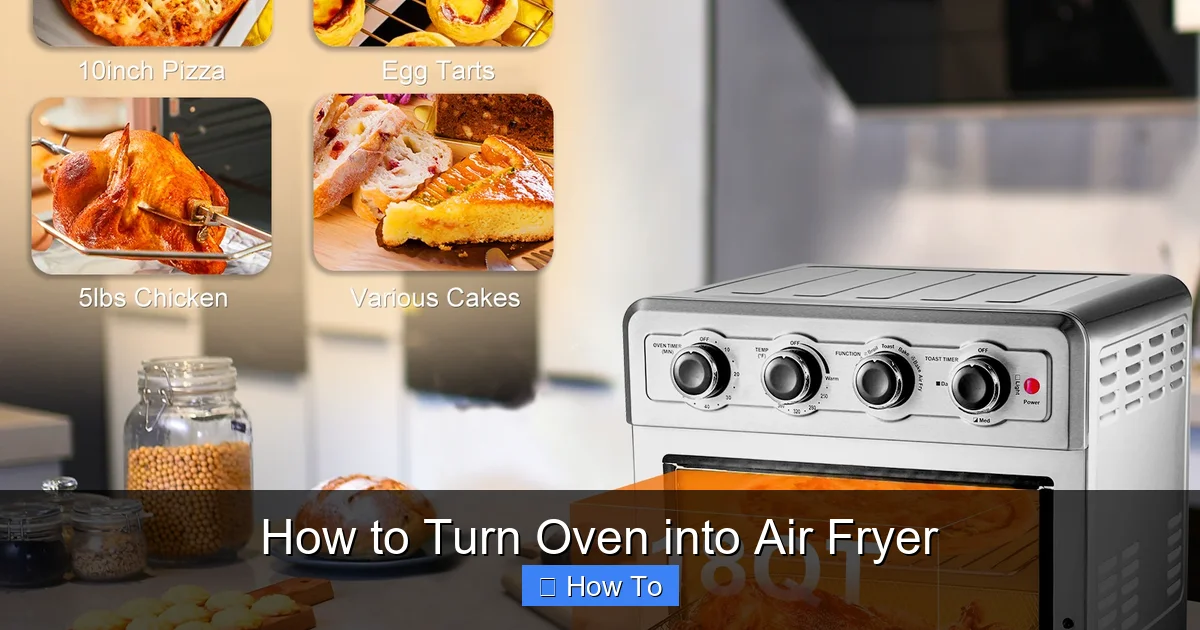
Discover how to transform your conventional oven into an air fryer using convection settings, smart accessories, and timing adjustments. This guide covers essential techniques, temperature conversions, and practical tips to achieve perfect air-fried results at home.
Key Takeaways
- Convection is key: Most ovens can mimic air fryers using convection mode for even heat circulation.
- Temperature reduction: Lower oven temps by 25°F to prevent overcooking compared to air fryer settings.
- Accessories matter: Use perforated trays or air fryer baskets to elevate food for better airflow.
- Preheating essential: Always preheat your oven to ensure crispy textures from the start.
- Cooking time adjustments: Reduce cooking times by 20-30% to match air fryer efficiency.
- Avoid overcrowding: Space food evenly to allow hot air to circulate properly.
- Cleaning tips: Regular maintenance prevents smoke and ensures consistent performance.
📑 Table of Contents
- Understanding Your Oven’s Air Frying Potential
- Preparing Your Oven for Air Frying Success
- Mastering Cooking Techniques Without an Air Fryer
- Specialized Accessories for Enhanced Results
- Common Mistakes and How to Avoid Them
- Advanced Tips for Perfect Results
- Maintaining Your Oven for Consistent Performance
- Conclusion
Understanding Your Oven’s Air Frying Potential
If you’re wondering how to turn oven into air fryer, the secret lies in your oven’s convection setting. Many modern ovens come equipped with this feature, which uses fans to circulate hot air around food. This mimics the rapid air circulation that makes air fryers so effective at creating crispy textures without deep frying.
To begin, check if your oven has convection capabilities. Look for buttons labeled “Convection,” “Fan Assist,” or “Air Fry” on newer models. If your oven lacks convection, don’t worry—you can still achieve similar results with some clever adjustments. We’ll cover both scenarios in detail below.
What Makes Air Fryers Special?
Air fryers work by rapidly circulating hot air at high speeds. This process creates a crispy exterior while keeping the inside tender. Traditional ovens lack this intense airflow, but convection ovens bridge that gap effectively. The key difference is in the fan system that distributes heat evenly.
For non-convection ovens, you can manually enhance airflow by keeping the door slightly ajar during cooking. However, this method requires careful monitoring to prevent overheating. Let’s explore how to maximize your oven’s potential regardless of its type.
Preparing Your Oven for Air Frying Success
Visual guide about How to Turn Oven into Air Fryer
Image source: realfoodwithsarah.com
Before attempting to turn oven into air fryer mode, proper preparation is crucial. Start by thoroughly cleaning your oven interior. Food particles and grease buildup can cause smoke when heated at higher temperatures. Remove any debris from the oven floor and ensure the fan (if present) isn’t obstructed.
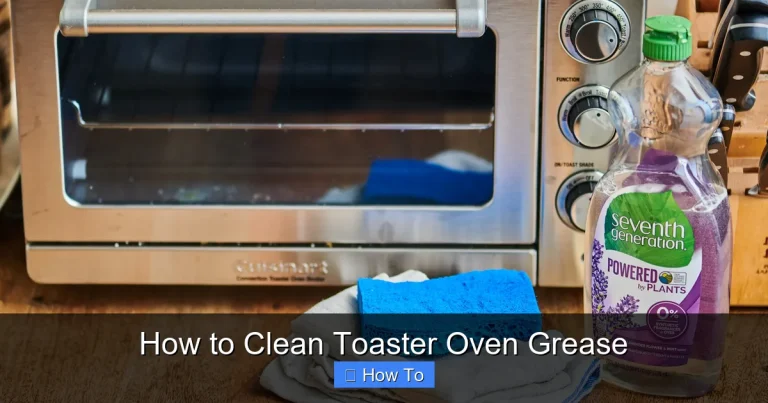
Next, gather essential accessories. Perforated pizza stones, wire cooling racks, or specialized air fryer trays work wonders. These tools elevate food off the oven surface, allowing hot air to reach all sides. If you don’t have these items, a regular baking sheet turned upside down can create makeshift elevation.
Temperature and Time Adjustments
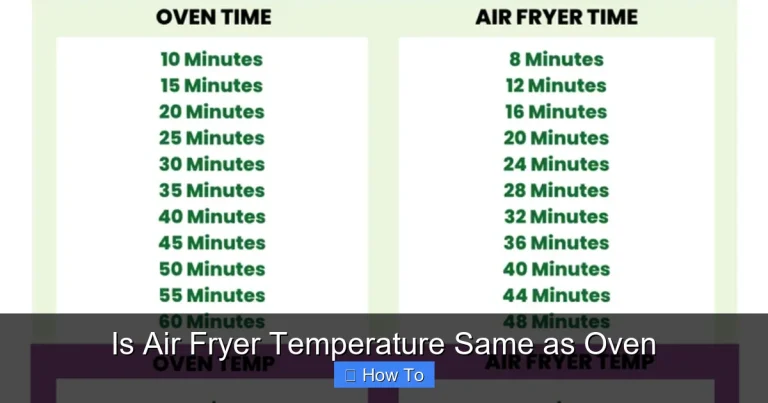
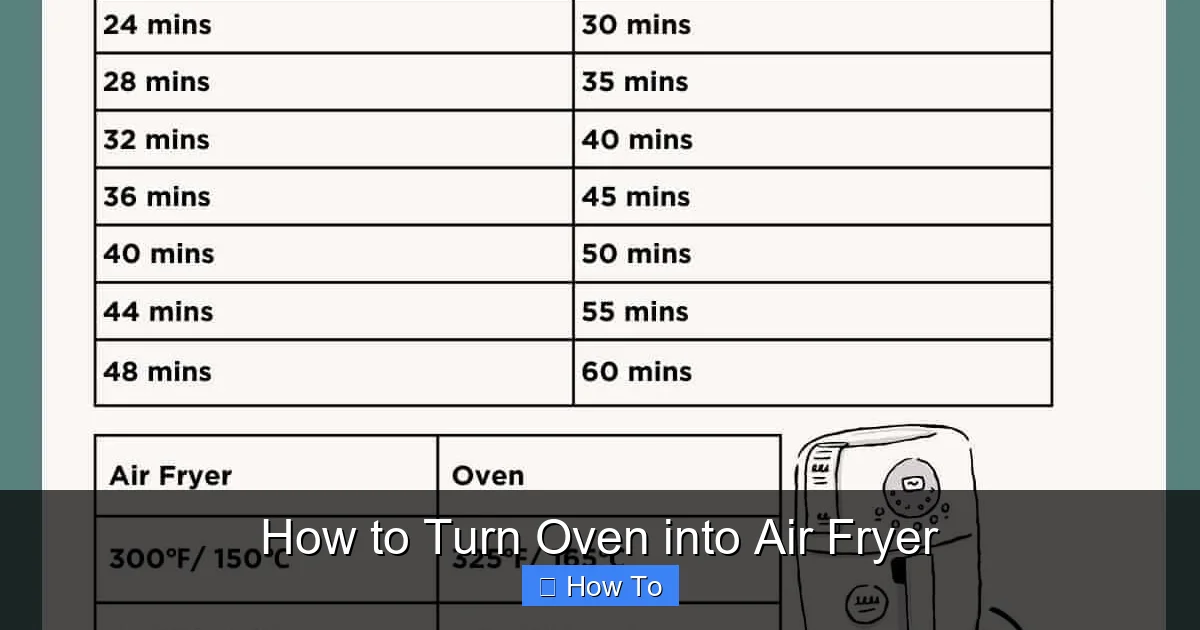
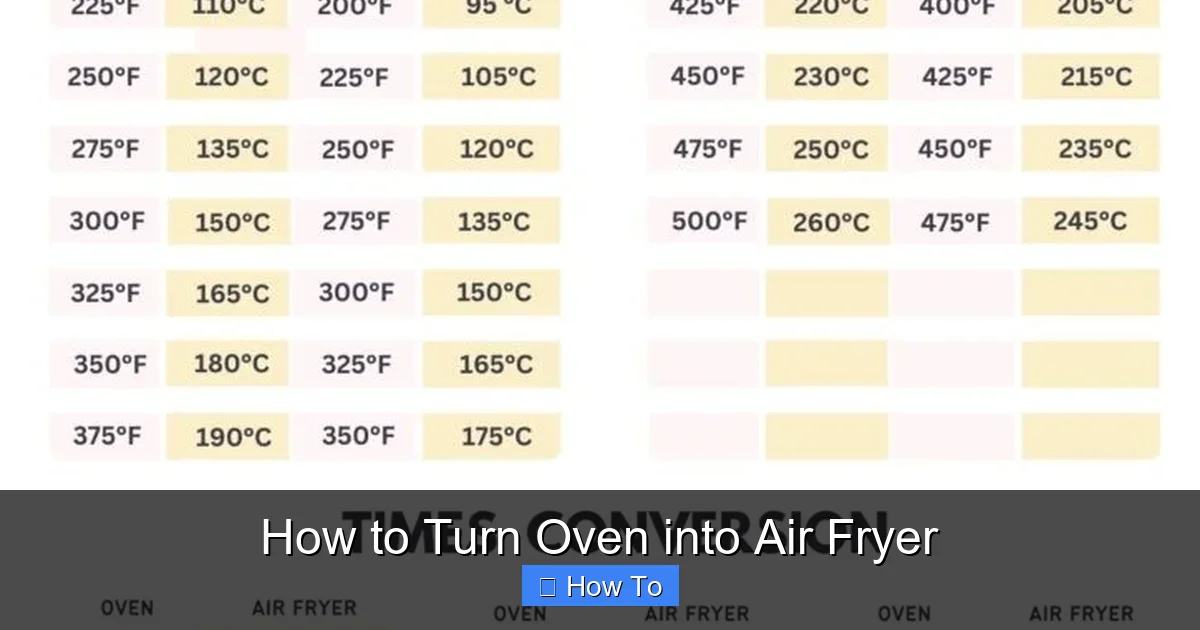
When converting traditional recipes to air fryer-style cooking, reduce oven temperatures by 25°F (about 15°C). This prevents overcooking since convection ovens distribute heat more efficiently. For example, if a recipe calls for 400°F, set your convection oven to 375°F.
Similarly, decrease cooking times by 20-30%. Air circulation speeds up the cooking process significantly. Check food frequently towards the end of the suggested time range. Remember, achieving the perfect crispiness may require some trial and error based on your specific oven model.
Mastering Cooking Techniques Without an Air Fryer
Visual guide about How to Turn Oven into Air Fryer
Image source: loveandotherspices.com
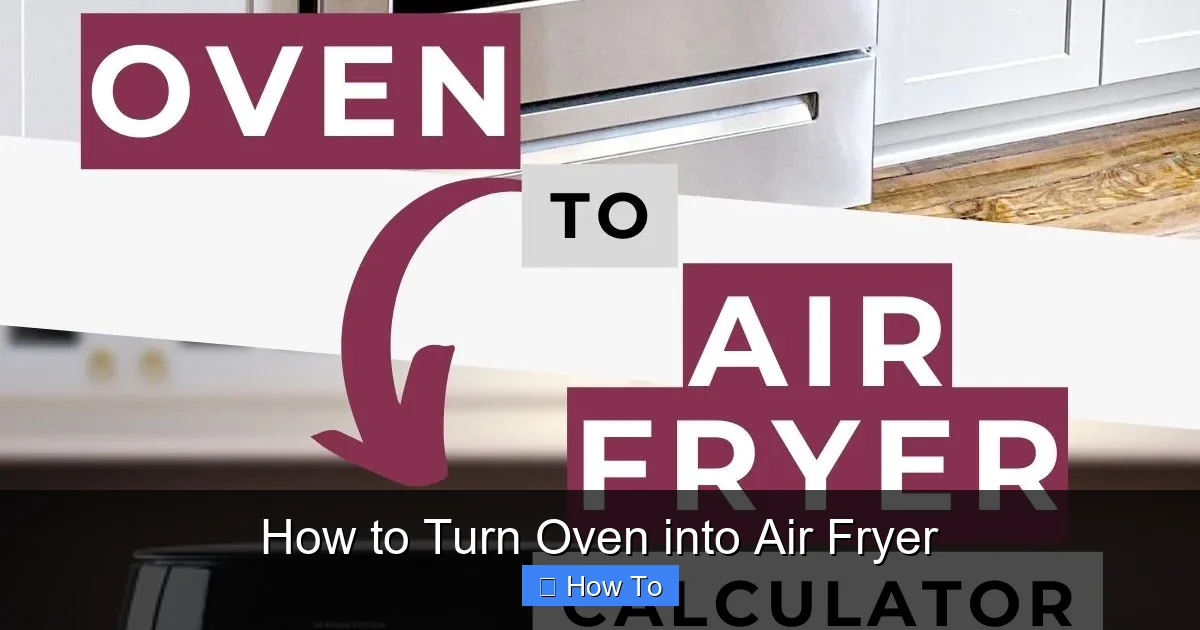
Learning how to turn oven into air fryer involves mastering specific cooking techniques. First, preheat your oven thoroughly before adding food. This step ensures immediate crisping rather than steaming. Preheating should last at least 10 minutes for best results.
Season food generously before cooking. Salt draws out moisture, helping achieve crispiness. For breaded items, double-dip in egg and breadcrumbs to create a thicker coating that holds up well under intense heat. Lightly spray foods with oil to enhance browning—air fryers excel at this, and ovens can too with proper technique.
Spacing and Arrangement Tips
Never overcrowd your oven when trying to replicate air fryer effects. Leave ample space between food pieces to allow air circulation. Crowded food leads to uneven cooking and soggy textures instead of the desired crispiness.
Arrange items in a single layer whenever possible. If cooking large quantities, do so in batches. Use multiple racks if necessary, but monitor closely as upper levels often cook faster. Rotating pans halfway through cooking helps maintain even results across all pieces.
Specialized Accessories for Enhanced Results
Visual guide about How to Turn Oven into Air Fryer
Image source: the-bella-vita.com
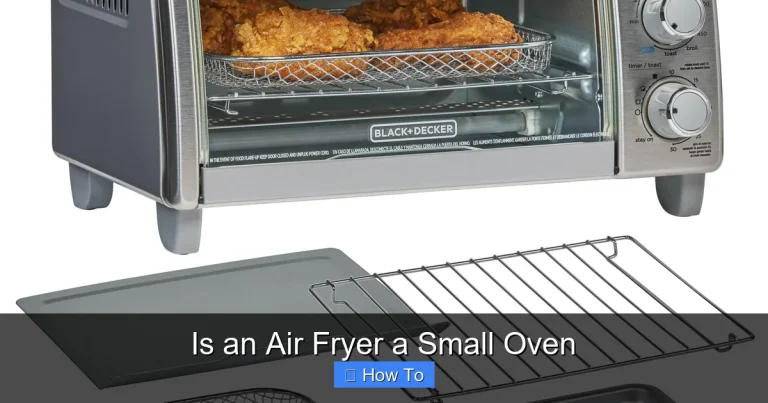
Investing in a few key accessories can dramatically improve your ability to turn oven into air fryer. Perforated trays are ideal because they allow maximum airflow while catching drips. These trays work similarly to air fryer baskets, elevating food for optimal circulation.
Consider purchasing an air fryer basket designed for ovens. These baskets fit standard oven racks and provide the necessary elevation for proper air flow. They’re especially useful for smaller food items like chicken wings or french fries.
Another helpful tool is a perforated oven rack. Unlike solid baking sheets, these racks promote even heat distribution. Pair them with a drip pan underneath to catch grease and simplify cleanup.
Budget-Friendly Alternatives
Don’t feel pressured to buy expensive equipment immediately. Many household items can serve as effective substitutes. An upside-down wire cooling rack works well for small portions. Even aluminum foil balls placed under a baking sheet can create elevation for better airflow.
For coating foods, parchment paper can prevent sticking while allowing air circulation. Just make sure to poke holes in it for smaller items. These budget-friendly solutions let you experiment with air frying techniques without major investments.
Common Mistakes and How to Avoid Them
When learning how to turn oven into air fryer, several common pitfalls can ruin your results. One major mistake is not reducing cooking times enough. Air fryers typically cook 20-30% faster than conventional ovens. Ignoring this difference often leads to overcooked exteriors and undercooked interiors.
Another frequent error involves inadequate preheating. Skipping this step means food starts steaming instead of crisping. Always preheat for at least 10 minutes, even if your recipe doesn’t specify it. This ensures immediate high heat contact for optimal texture development.
Monitoring and Safety Considerations
Keep a close eye on your oven during cooking, especially when using elevated temperatures. Smoke indicates overheating or excessive oil. Open windows and turn on exhaust fans if needed. Never leave cooking unattended for extended periods.
Also, be mindful of strong-smelling foods. Fish or heavily seasoned items can linger in your oven for days. Clean your oven regularly to prevent lingering odors affecting future meals.
Advanced Tips for Perfect Results
Once you’ve mastered basic techniques, try advanced methods to further enhance your oven’s air frying capabilities. Brining meats before cooking helps retain moisture while achieving crispy skins. Soak chicken in salt water for 30 minutes before coating and cooking.
Experiment with different oil types. Avocado oil withstands high heat well, while olive oil adds flavor but has lower smoke points. For extra crispiness, mix cornstarch with your flour coating. This creates a lighter, crunchier texture that rivals commercial air fryers.
Creative Recipe Ideas
Try making classic air fryer favorites in your oven. Chicken wings become perfectly crispy when cooked at 400°F for 25 minutes with convection. Frozen french fries transform into restaurant-quality sides with just 15 minutes at 375°F.
For dessert options, bake apple chips at 350°F for 10 minutes. Slice apples thinly, remove cores, and sprinkle with cinnamon. These healthy treats satisfy sweet cravings while showcasing your oven’s versatility.
Maintaining Your Oven for Consistent Performance
Regular cleaning keeps your oven performing optimally when attempting to turn oven into air fryer. Grease buildup affects heat circulation and can cause smoke at high temperatures. Wipe down interior surfaces monthly with mild detergent.
Check your oven’s fan periodically if it has convection capabilities. Dust accumulation reduces airflow efficiency. Consult your owner’s manual for specific cleaning instructions related to the fan system.
Long-Term Care Tips
Replace air fryer-specific accessories as needed. Perforated trays and racks wear out over time. Inspect them regularly for damage that might affect cooking performance. Proper maintenance extends both accessory lifespan and overall oven efficiency.
Consider professional cleaning annually for heavily used ovens. This deep clean removes built-up grease that regular wiping can’t eliminate. Well-maintained ovens consistently deliver better air frying results.
Conclusion
Learning how to turn oven into air fryer opens up exciting culinary possibilities without additional appliance costs. With convection settings, proper accessories, and adjusted cooking times, your oven can produce crispy, delicious results comparable to dedicated air fryers.
Start with simple recipes like chicken wings or frozen fries to build confidence. Gradually experiment with more complex dishes once you understand your oven’s unique characteristics. Remember that practice makes perfect—don’t be discouraged by initial attempts that aren’t flawless.
The investment in a few key accessories pays dividends in versatility and cooking quality. Whether you choose budget-friendly alternatives or specialized tools, the transformation is well worth the effort. Your oven becomes a multi-functional powerhouse capable of handling everything from appetizers to desserts.
Most importantly, embrace the learning process. Each attempt teaches valuable lessons about timing, temperature, and technique. Soon, you’ll wonder how you ever managed without these air frying capabilities in your everyday oven.
Ready to Get Started?
Gather your supplies, clean your oven, and pick a simple recipe to begin. The journey from traditional baking to air frying mastery starts with that first batch of perfectly crispy chicken wings. Trust the process, and enjoy the delicious results that await.
Frequently Asked Questions
Can any oven be turned into an air fryer?
While convection ovens work best for mimicking air fryers, traditional ovens can still achieve similar results with proper technique adjustments. Non-convection ovens require more careful monitoring and modified cooking times.
Do I need special accessories to turn oven into air fryer?
Specialized accessories like perforated trays improve results but aren’t mandatory. Many household items can serve as effective substitutes. Check out our guide on using air fryer baskets in ovens for more information.
How much should I reduce cooking time when using oven instead of air fryer?
Reduce cooking times by 20-30% when converting air fryer recipes to oven cooking. Monitor food closely towards the end of suggested time ranges to prevent overcooking.
Why is my oven air frying attempt not crispy enough?
Insufficient preheating, overcrowding, or inadequate oil application often cause lack of crispiness. Ensure proper spacing, preheat thoroughly, and lightly coat foods with oil for best results.
What temperature should I use for oven air frying?
Lower oven temperatures by 25°F compared to air fryer settings. For example, if a recipe calls for 400°F in an air fryer, use 375°F in your convection oven. See our guide on adjusting conventional oven settings for detailed instructions.
Is it safe to leave the oven door slightly open while air frying?
This method works for non-convection ovens but requires constant supervision. Heat escapes rapidly, potentially causing temperature fluctuations. Only attempt this with caution and frequent monitoring.