How to Use a Toaster Oven for Baking
Discover simple steps to bake successfully in a toaster oven, from preheating and temperature adjustments to choosing the right bakeware and avoiding common pitfalls. Follow these tips for evenly cooked cakes, cookies, breads, and more, all without firing up your full‑size oven.
If you’ve ever wanted to whip up a batch of cookies or a small loaf of bread without heating up your whole kitchen, learning How To Use A Toaster Oven For Baking is the perfect solution. A toaster oven can handle many baking tasks just as well as a full‑size oven, especially for smaller portions or when you need quick results. In this guide, we’ll walk you through everything you need to know—from preheating and pan selection to temperature tweaks and handy tricks—so you can bake with confidence every time.
Understanding the nuances of a toaster oven’s heating elements will help you avoid common issues like uneven browning or burnt edges. Because the cooking chamber is compact, heat circulates differently, and the proximity of the elements to the food means you often need to lower the temperature slightly. By mastering these adjustments, you’ll expand your culinary repertoire and enjoy fresh‑baked treats without the energy drain of a large oven.
Key Takeaways
- Preheat properly: Allow 5‑10 minutes for the toaster oven to reach the set temperature; use an oven thermometer to verify accuracy.
- Choose the right pan: Light‑colored, shallow metal or silicone pans promote even browning and prevent over‑cooking on the edges.
- Adjust temperature and time: Reduce conventional oven recipes by about 25°F and check for doneness 5‑10 minutes earlier.
- Use the convection setting: If your model has a fan, enable it for faster, more uniform baking—especially for cookies and pastries.
- Rotate trays: Turn the pan halfway through baking to counteract hot spots and ensure consistent results.
- Monitor closely: Toaster ovens heat quickly; set a timer and check frequently to avoid over‑browning.
- Cool before removing: Let baked goods sit in the pan for a few minutes to set, then transfer to a wire rack to prevent sogginess.
📑 Table of Contents
Getting Started: Preheating and Preparation
The first step in How To Use A Toaster Oven For Baking is proper preheating. Unlike a microwave, a toaster oven needs time to reach a stable temperature before you place your batter or dough inside.
Why Preheat Matters
Preheating ensures that the baking process starts at the intended temperature, which affects rise, texture, and color. Skipping this step can lead to dense cakes or cookies that spread too much.
How to Preheat Correctly
- Set the toaster oven to the temperature your recipe calls for.
- Allow 5‑10 minutes for the unit to heat up. If your model has a preheat indicator light, wait until it turns off.
- For best accuracy, place an oven‑safe thermometer on the middle rack and verify the temperature matches the setting.
- While the oven preheats, prepare your batter, dough, or ingredients and ready your bakeware.
Once preheated, you’re ready to move on to selecting the right pan—a crucial part of How To Use A Toaster Oven For Baking.
Choosing the Right Bakeware
The type of pan you use can dramatically influence the outcome of your baked goods. In a toaster oven, the close proximity of the heating elements means that dark or thick pans can cause over‑browning on the bottom or edges.
Visual guide about How to Use a Toaster Oven for Baking
Image source: amazingfoodanddrink.com
Material Matters
- Light‑colored metal: Aluminum or tin pans reflect heat, promoting even baking.
- Silicone: Flexible and non‑stick, silicone molds work well for muffins and cupcakes, but place them on a sturdy baking sheet for stability.
- Glass or ceramic: These retain heat longer; reduce the oven temperature by about 10°F if using them.
- Dark non‑stick: Use with caution; they can cause rapid browning. Consider lowering the temperature and checking early.
Size and Shape
Choose pans that fit comfortably inside the toaster oven with at least 1‑inch clearance on all sides for air flow. A standard 8‑inch square or 9‑inch round pan usually fits most mid‑size models. For cookies, a flat baking sheet or a small perforated pizza pan works well.
If you’re unsure about pan compatibility, check the manufacturer’s guidelines or refer to our article on what to look for in a toaster oven for additional tips on selecting accessories.
Adjusting Temperature and Time
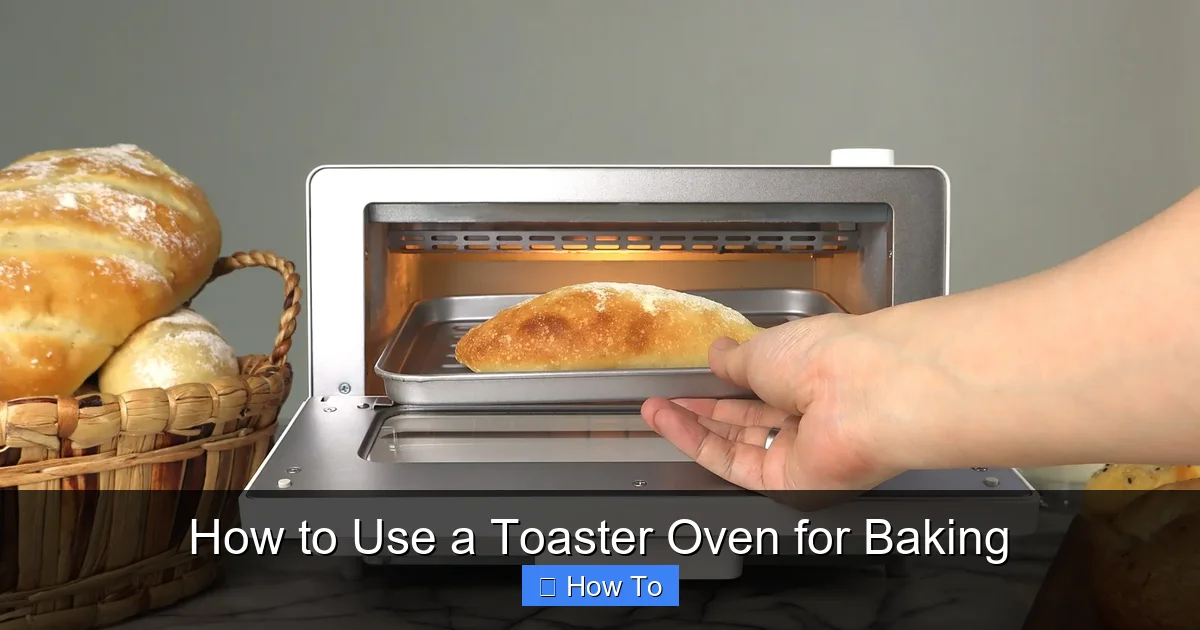
One of the most important aspects of How To Use A Toaster Oven For Baking is adapting conventional oven recipes to the smaller appliance. Because the heating elements are closer to the food, temperatures can feel hotter than they actually are.
Visual guide about How to Use a Toaster Oven for Baking
Image source: recipes.net
General Rule of Thumb
Reduce the recipe temperature by 20‑25°F (about 10‑15°C) compared to a conventional oven setting. For example, if a cake recipe calls for 350°F in a regular oven, set your toaster oven to 325‑330°F.
Timing Adjustments
Start checking for doneness 5‑10 minutes earlier than the original recipe suggests. Use visual cues—golden edges, a firm top, or a toothpick that comes out clean—to gauge readiness.
Using the Convection Fan
If your toaster oven includes a convection setting, turn it on for baked goods like cookies, pastries, or breads. The fan circulates hot air, reducing baking time by up to 25% and promoting even browning. When using convection, lower the temperature an additional 5‑10°F.
Practical Example
Suppose you want to bake a batch of chocolate chip cookies using a recipe that recommends 375°F for 10‑12 minutes in a conventional oven. Follow these steps:
- Set the toaster oven to 350°F (reduce by 25°F).
- If using convection, lower to 345°F.
- Place the cookie dough on a light‑colored baking sheet, leaving space between cookies.
- Bake for 8‑10 minutes, checking at the 8‑minute mark for lightly golden edges.
- Remove and let cool on the sheet for 2 minutes before transferring to a wire rack.
This method exemplifies How To Use A Toaster Oven For Baking while delivering perfectly chewy cookies.
Loading the Oven: Rack Position and Air Flow
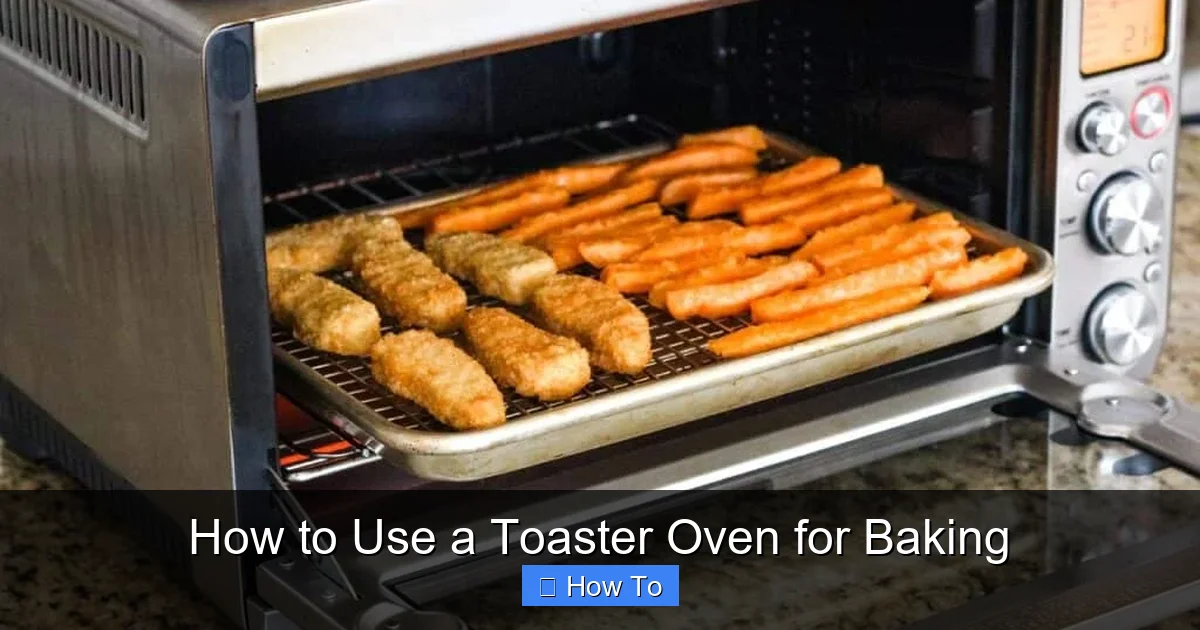
Where you place your pan inside the toaster oven influences how heat reaches your food. Proper rack positioning ensures even cooking and prevents hot spots.
Visual guide about How to Use a Toaster Oven for Baking
Image source: toasterovenlove.com
Best Rack Positions
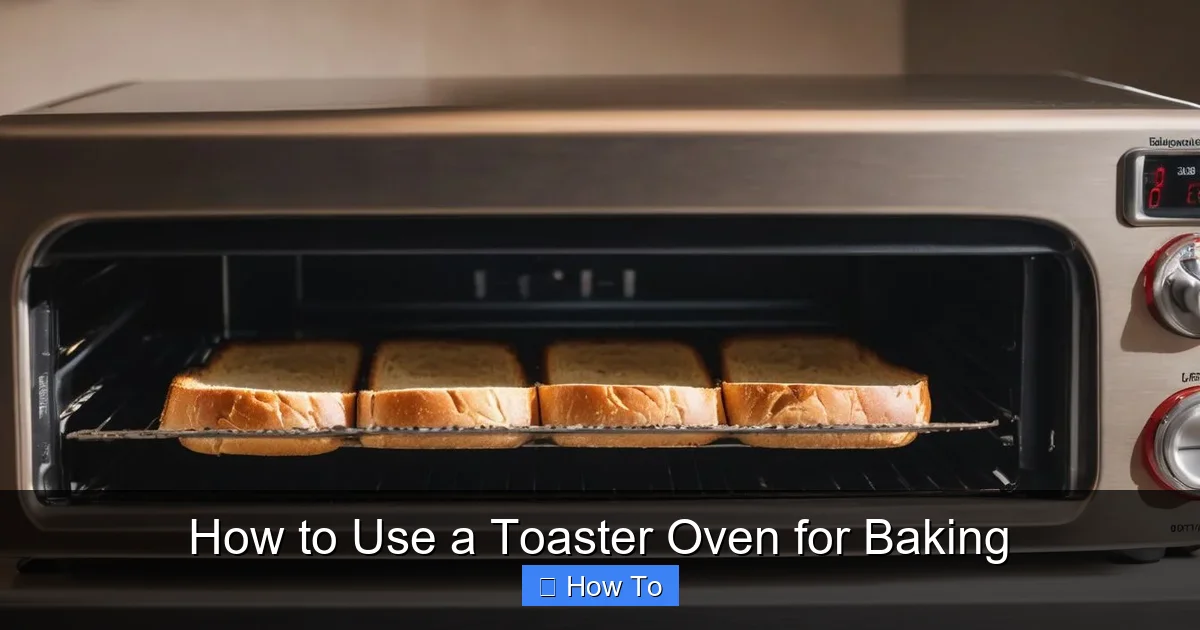
- Middle rack: Ideal for most cakes, muffins, and breads, providing balanced heat from top and bottom elements.
- Upper third: Use for items that need more top browning, such as gratins or broiled toppings (though broiling is a separate function).
- Lower third: Suitable for pies or breads where you want a crisp bottom crust.
Avoiding Overcrowding
Leave at least 1‑inch of space around the pan on all sides. If you need to bake multiple trays, stagger them so that air can circulate; otherwise, rotate the trays halfway through baking.
Rotating for Evenness
Because toaster ovens can have hot spots—often near the front where the door opens—rotate the pan 180 degrees halfway through the baking time. This simple step is a key part of mastering How To Use A Toaster Oven For Baking and yields uniformly browned results.
Common Baking Tasks and Tips
Now that you understand the fundamentals, let’s look at specific baked goods and how to adapt them for a toaster oven.
Cakes and Quick Breads
For a 6‑inch round cake or a small loaf of banana bread:
- Use a light‑colored metal pan that fits comfortably.
- Set temperature 25°F lower than the recipe.
- Check doneness with a toothpick at the minimum time; if needed, bake in 2‑minute increments.
- Let the cake cool in the pan for 10 minutes before turning out.
Cookies
Cookies benefit greatly from the convection setting:
- Use a flat, light‑colored baking sheet.
- Space dough balls 2 inches apart.
- Bake at 20‑25°F lower than usual; start checking at 8 minutes.
- If edges brown too quickly, slide the sheet to a lower rack.
Pastries and Pies
For mini fruit tarts or hand pies:
- Preheat a pizza stone or heavy baking sheet on the lower rack to mimic a stone oven floor.
- Place the pastry on the hot stone and bake at the reduced temperature.
- Watch the crust; if it browns too fast, cover the edges with foil.
Bread Rolls and Baguettes
Small rolls bake quickly:
- Set toaster oven to 350°F (or 325°F with convection).
- Place rolls on a perforated pan or directly on the rack for a crispier bottom.
- Steam can be added by placing a small oven‑safe dish with water on the lower rack during the first 5 minutes.
These examples show how versatile How To Use A Toaster Oven For Baking can be, allowing you to enjoy fresh‑baked treats without firing up your main oven.
Cleaning and Maintenance for Consistent Baking
Keeping your toaster oven clean ensures accurate temperature readings and prevents smoke or off‑flavors during baking.
Regular Cleaning Routine
- Unplug the appliance and let it cool completely.
- Remove the crumb tray and wash it with warm, soapy water.
- Wipe the interior walls with a damp cloth; avoid abrasive scrubbers that could damage the coating.
- For stubborn grease, use a paste of baking soda and water, let sit 10 minutes, then wipe away.
- Check the heating elements for any buildup; gently brush away debris with a soft brush.
Maintenance Tips
- Inspect the door seal periodically; replace if it’s cracked or worn to maintain proper temperature.
- If you notice uneven heating, calibrate the thermostat using an oven thermometer as described earlier.
- Store the toaster oven in a dry place when not in use to prevent rust.
For model‑specific cleaning advice, see our guide on how to clean a Ninja toaster oven or the general cleaning tips in how to clean a Cuisinart toaster oven.
Troubleshooting Common Baking Issues
Even with careful preparation, you might encounter hiccups. Below are frequent problems and how to fix them while practicing How To Use A Toaster Oven For Baking.
Problem: Uneven Browning
- Cause: Hot spots or pan too close to an element.
- Solution: Rotate the pan halfway through; move the rack to a more central position; use a light‑colored pan.
Problem: Cakes Sink in the Middle
- Cause: Oven temperature too low or door opened too early.
- Solution: Verify temperature with a thermometer; avoid opening the door during the first ¾ of baking time.
Problem: Cookies Spread Too Much
- Cause: Butter too warm or baking sheet too hot.
- Solution: Chill dough for at least 30 minutes before baking; use a cool baking sheet or line with parchment.
Problem: Burnt Edges, Raw Center
- Cause: Temperature too high or pan too dark.
- Solution: Lower temperature by 10‑15°F; switch to a lighter pan; check earlier.
Problem: Dry or Over‑baked Goods
- Cause: Baking time too long or insufficient moisture.
- Solution: Reduce time by 5 minutes; add a tablespoon of milk or oil to batter; cover loosely with foil if browning too fast.
By recognizing these signs and adjusting accordingly, you’ll refine your technique and achieve consistent results.
Conclusion
Mastering How To Use A Toaster Oven For Baking opens up a world of convenient, energy‑saving baking possibilities. From preheating accurately and selecting the right bakeware to tweaking temperatures and rotating trays, each step contributes to perfectly baked treats. Remember to start with a reliable oven thermometer, keep your appliance clean, and don’t be afraid to experiment with small batches until you find the sweet spot for your specific model. With practice, your toaster oven will become a go‑to tool for cookies, cakes, breads, and more—delivering fresh‑baked goodness without the hassle of firing up a full‑size oven. Happy baking!
Frequently Asked Questions
What temperature should I set my toaster oven for baking?
Generally, reduce the conventional oven temperature by 20‑25°F when using a toaster oven. For most recipes, aim for 325‑350°F, adjusting lower if your model runs hot or if you’re using the convection setting.
Can I bake a full‑size cake in a toaster oven?
Most toaster ovens accommodate cakes up to 6‑8 inches in diameter. For larger cakes, you’ll need to split the batter into smaller pans or use a full‑size oven. Always ensure there’s at least 1‑inch clearance around the pan for proper air flow.
Do I need to use the convection setting for baking?
It’s optional but beneficial. The convection fan circulates hot air, giving more even browning and reducing bake time by up to 25%. When using convection, lower the temperature an additional 5‑10°F and start checking for doneness earlier.
How can I prevent my baked goods from burning on the edges?
Use light‑colored, shallow pans, place the rack in the middle position, and rotate the pan halfway through baking. If edges brown too quickly, shield them with foil or lower the temperature slightly.
Is it safe to leave the toaster oven unattended while baking?
It’s best to stay nearby, especially the first few times you try a new recipe. Toaster ovens heat quickly, and settings can vary; setting a timer and checking frequently helps avoid over‑baking or burning.
What should I do if my toaster oven smells like smoke during baking?
Turn off the appliance, let it cool, and check for food debris or grease on the heating elements or interior walls. Clean the interior thoroughly before using again. Persistent smoke may indicate a malfunction; consult the manufacturer or a professional.