How to Use Air Fryer in Oven
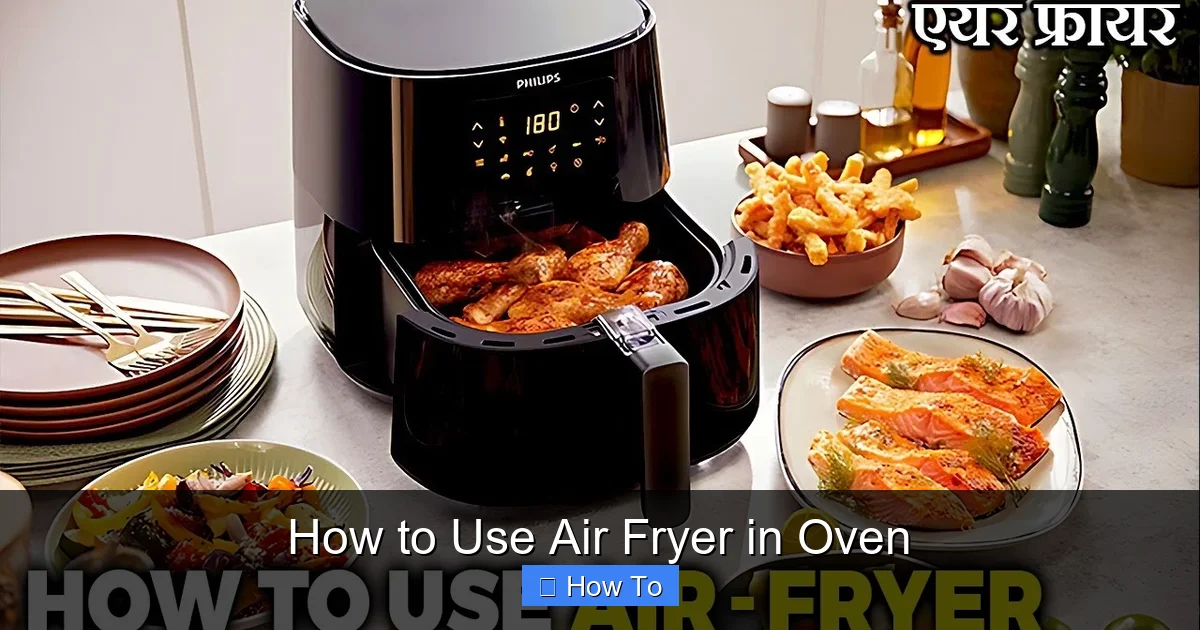
Using an air fryer in your oven is easier than you think! Modern convection ovens come with built-in air fry settings that circulate hot air to create crispy food without deep frying. With the right techniques and temperature adjustments, you can achieve restaurant-quality results at home. This guide covers everything from setup to cleanup, so you can start air frying delicious meals today.
If you have ever wondered how to use air fryer in oven, you are in the right place. Air frying has become one of the most popular cooking methods, and the good news is you might already have this capability in your kitchen. Your regular oven may have an air fry feature that can give you that crispy texture you love without all the oil. Let me walk you through everything you need to know to start air frying at home.
Key Takeaways
- Check your oven first: Many modern ovens already have air fry functionality built-in—look for the air fry setting or a dedicated tray
- Preheating matters: Always preheat your air fryer oven for 3-5 minutes for the best crispy results
- Don’t overcrowd: Arrange food in a single layer with space between pieces for proper air circulation
- Adjust temperatures: Generally, reduce cooking temperature by 25°F compared to traditional oven recipes
- Shake or flip halfway: For even browning, flip or shake foods midway through cooking
- Use the right accessories: An air fryer rack or basket improves airflow and results significantly
- Keep it clean: Regular cleaning prevents smoke and ensures consistent performance every time
📑 Table of Contents
Understanding Your Oven’s Air Fry Capability
The first step in learning how to use air fryer in oven is figuring out what your oven can do. Many newer oven models come with a dedicated air fry function. This is different from a regular convection setting, though the two are related. The air fry setting uses a specialized heating element and fan combination to create that signature crispy texture.
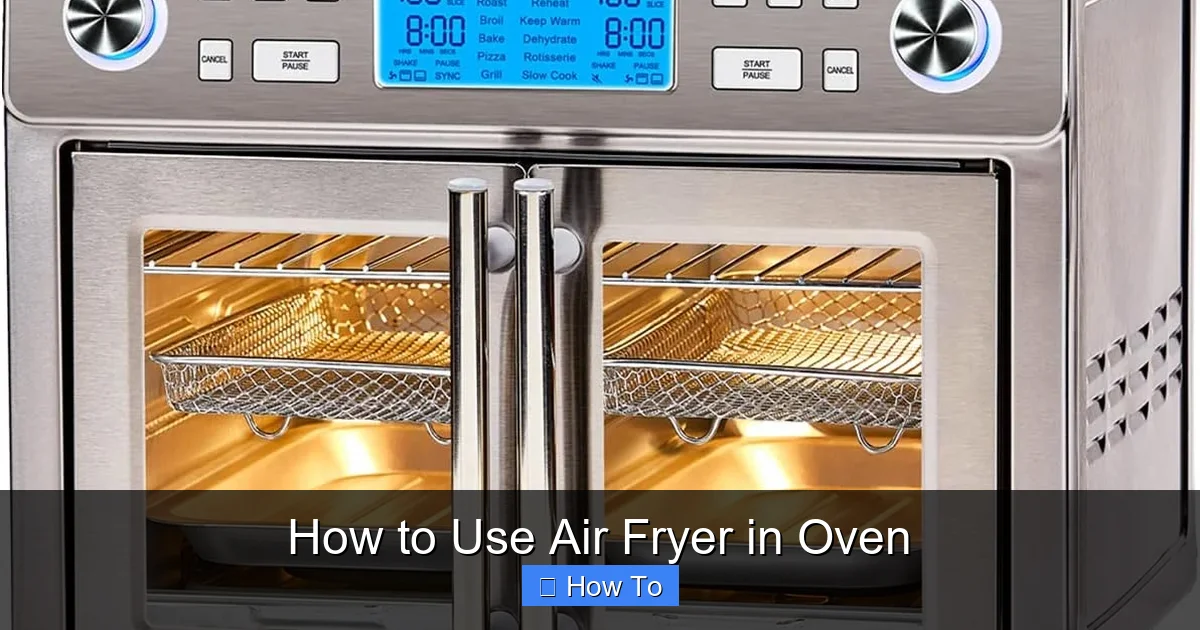
If you have a Samsung, LG, Kitchenaid, or Maytag oven, there is a good chance you already have an air fryer oven feature. These brands often include a special air fry tray designed specifically for this function. The tray has perforations that allow hot air to circulate underneath and around your food, much like a standalone air fryer basket would.
To check if your oven has this feature, look at your control panel. You should see a button or setting labeled “Air Fry” or “Air Crisp.” Some ovens might label it differently, so check your owner’s manual if you are not sure. If your oven does not have a dedicated setting, you can often achieve similar results using the convection bake function, which uses a fan to circulate heat.
What Makes Air Frying Different
Air frying works by circulating superheated air around your food at high speed. This creates a crispy outer layer while keeping the inside moist. Unlike deep frying, you need little to no oil. Most recipes call for just a light coating of oil spray. The result is food that tastes fried but is much healthier.
The technology behind air frying is essentially a compact convection oven. When you use the air fryer in oven mode, the appliance focuses the heat and air movement on the top of your food. This is why many air fryer oven recipes suggest placing food on a higher rack position. The concentrated heat from above browns and crisps the surface perfectly.
Preparing Your Oven for Air Frying
Visual guide about How to Use Air Fryer in Oven
Image source: m.media-amazon.com
Before you start cooking, you need to prepare your oven properly. This preparation step makes a big difference in your final results. Taking a few minutes to set things up right will save you frustration later.
First, remove any other racks from your oven. Most air fry recipes work best when you position the food in the upper portion of the oven. This might mean removing the lower rack entirely or storing it on the side. Your oven likely came with a specific air fry tray or rack. If you have it, use it. If not, a regular baking sheet with holes punched in it can work in a pinch.
Next, preheat your air fryer oven just like you would a regular oven. Most recipes call for 3 to 5 minutes of preheating. Some newer models have a quickPreheat feature that gets the job done faster. Preheating ensures that when you add your food, it immediately starts cooking at the correct temperature. Cold air entering the oven mid-cook can lead to uneven results.
Finally, lightly coat your food with oil. You do not need much. A thin misting of cooking spray or a tablespoon of oil brushed on works perfectly. This small amount of oil is key to achieving that golden brown crispy exterior. Without it, your food might come out dry or unevenly colored.
Gathering the Right Tools
Having the right accessories makes learning how to use air fryer in oven much easier. While your oven might include a dedicated air fry tray, you can also purchase additional accessories to expand what you can cook. An air fryer rack fits inside your oven and provides multiple levels for cooking. This lets you prepare sides and main dishes at the same time.
An air fryer basket is another useful tool. These baskets have a mesh or perforated design that allows maximum airflow. They work great for items like french fries, chicken wings, or vegetables that might fall through a regular rack. Some people also like to use parchment paper liners designed specifically for air fryers. These liners catch drips while still allowing air to flow.
If you enjoy making roasted potatoes or similar dishes, consider getting an air fryer tray. This tray combines the benefits of a basket with the stability of a traditional baking sheet. You can find these accessories at most kitchen supply stores or online.
Essential Tips for Perfect Air Fryer Results
Visual guide about How to Use Air Fryer in Oven
Image source: airfryeraid.com
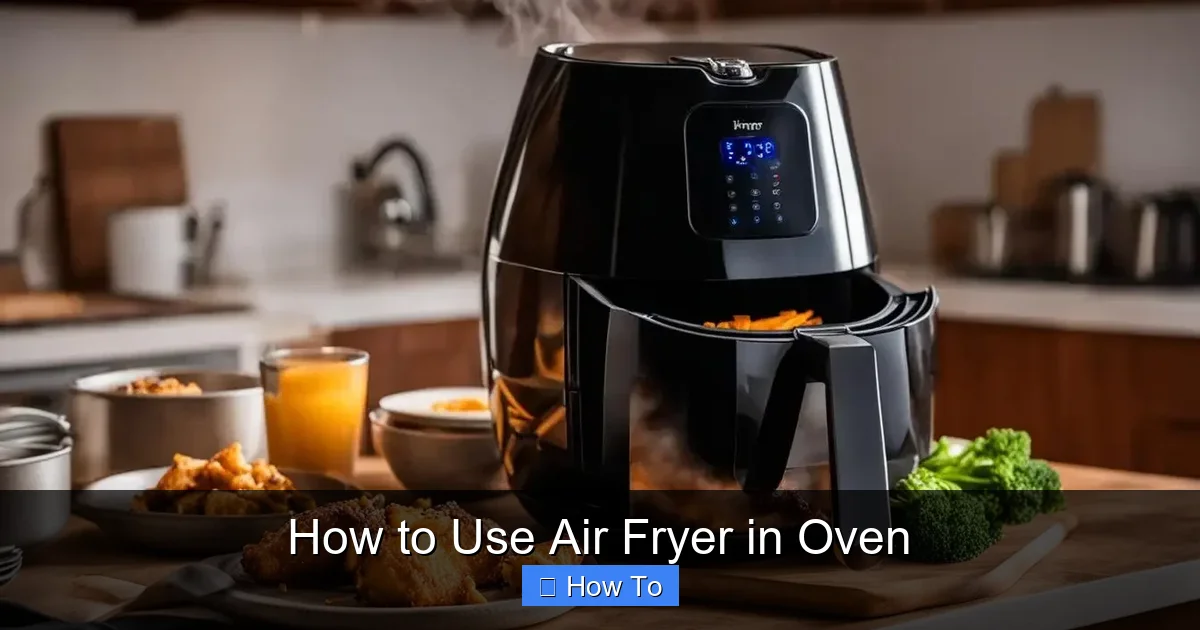
Now that you understand the basics of how to use air fryer in oven, let us talk about technique. These tips will help you get the best possible results every time you cook. Following these guidelines will transform your air frying from good to great.
Temperature adjustment is crucial. In general, you should cook at a temperature about 25 degrees Fahrenheit lower than a traditional oven recipe would call for. However, some experts recommend going even lower. Start with a temperature 25 to 50 degrees below your normal recipe. Check your food a few minutes early the first time you try a recipe. You can always cook it longer, but you cannot fix burnt food.
Timing also needs adjustment. Air fryer cooking tends to be faster than traditional oven methods. Expect your food to be ready in about 75 to 80 percent of the normal cook time. For example, if a recipe says 20 minutes in a regular oven, start checking around 15 minutes when air frying. Keep a close eye on your food during those final minutes to avoid overcooking.
One of the most important tips is to avoid overcrowding. This is where many people go wrong when learning how to use air fryer in oven. Air needs to circulate around every piece of food. If you stack items or crowd them together, you will get uneven cooking and soggy results. Cook in batches if necessary. It takes longer, but the results are worth it.
Flipping and Shaking for Even Cooking
Halfway through cooking, stop and flip your food or give the basket a shake. This simple step ensures that all sides get equal exposure to the hot air. Without flipping, the side facing down will steam instead of brown. This is especially important for items like chicken wings, fries, or breaded foods.
When using a rack or tray, use tongs to flip each piece carefully. If you are using a basket, simply give it a few good shakes. Both methods work well. Just make sure you do this at the halfway point of cooking. Some recipes might call for flipping more than once, but once is usually sufficient for most dishes.
You might also want to rotate your trays if you have multiple items cooking. Ovens can have hot spots that cause uneven browning. Rotating helps compensate for these variations. This is less critical with the air fry setting since the design focuses heat from above, but it can still improve results.
Common Foods to Cook with Your Air Fryer Oven
Visual guide about How to Use Air Fryer in Oven
Image source: i.pinimg.com
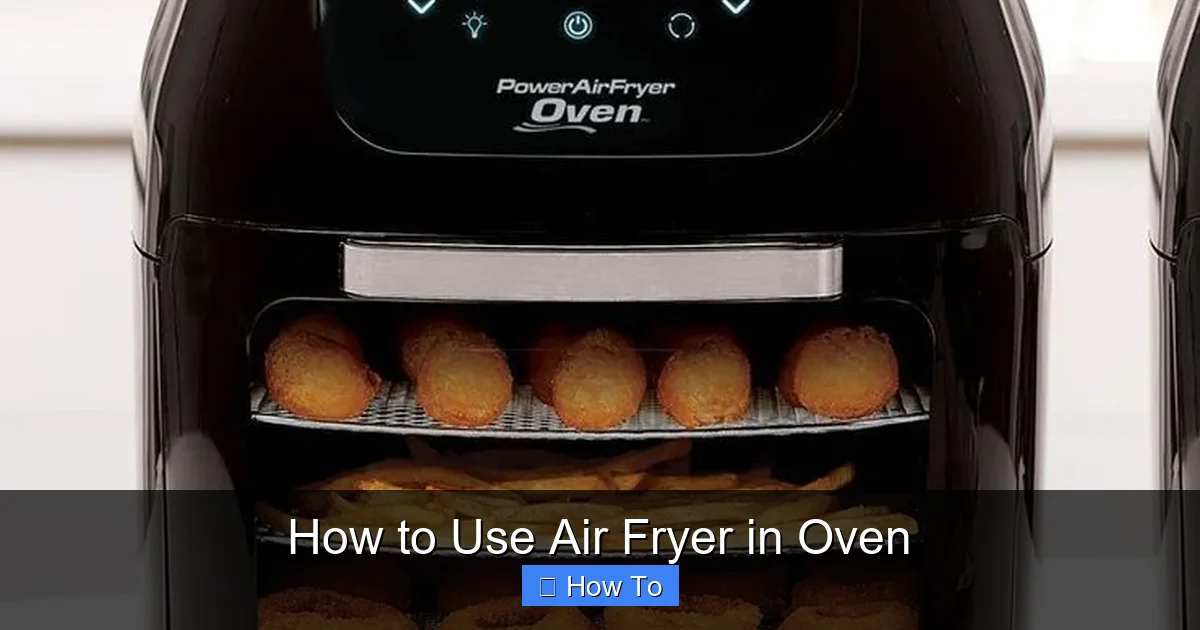
The versatility of an air fryer oven is one of its greatest strengths. You can make everything from appetizers to desserts using this method. Understanding what works well will help you get the most out of your appliance. Here are some of the best foods to try.
Chicken wings are arguably the most popular air fryer food. They come out incredibly crispy without deep frying. Coat them with your favorite seasoning, spray lightly with oil, and air fry at 400 degrees for about 25 minutes. Flip them halfway through. The result is wings with crispy skin and juicy meat inside.
French fries, both fresh and frozen, cook beautifully in an air fryer oven. Fresh-cut fries need about 15 to 20 minutes at 400 degrees. Frozen fries are even faster, usually taking 10 to 15 minutes. For the crispiest results, soak your fresh-cut fries in cold water for 30 minutes before drying and air frying. This removes excess starch and promotes browning.
Vegetables like broccoli, Brussels sprouts, and asparagus taste amazing when air fried. Toss them with a little oil and seasoning, then spread on a single layer on your air fryer rack or tray. Most vegetables take 8 to 12 minutes at 375 to 400 degrees. They come out caramelized and slightly charred, which brings out their natural sweetness.
What to Avoid When Air Frying
Not everything is suitable for air frying. Wet batters and delicate foods can be challenging. If you want to make something like fish tacos with a crispy coating, you might need to use a light breading technique instead of a traditional wet batter. The high-speed air can blow wet batter right off your food.
Large roasts and whole chickens take a long time in an air fryer oven. While you can certainly cook these items, the extended cooking time means you might miss out on that crispy texture. Instead, consider using the air fry function to finish smaller cuts or to crisp up the skin before serving.
Battered foods like onion rings or fried pickles are tricky. The light, airy coating that makes these foods delicious does not hold up well to air frying. You can experiment with these, but expect some differences from deep-fried versions. Some cooks have success with a light flour and egg dip followed by breadcrumbs, but results vary.
Troubleshooting Common Air Fryer Issues
Even with the best techniques, you might encounter some problems when learning how to use air fryer in oven. Understanding common issues and how to fix them will help you get better results faster. Most problems have simple solutions.
Smoke coming from your oven usually means there is grease buildup on the bottom or you are cooking at too high a temperature. Clean the oven bottom regularly, especially after cooking fatty foods. If smoke appears, carefully open a window and let the smoke dissipate. For high-fat foods like bacon, consider using a lower temperature or placing a small amount of water in the bottom of the oven.
Food coming out too dry is a common complaint. This usually means you are cooking at too high a temperature or for too long. Try lowering your temperature by 25 degrees and checking food earlier. Also, make sure you are using a light coating of oil. Without any oil, lean meats and vegetables can dry out quickly.
Uneven browning often results from overcrowding or not flipping your food. Give items enough space and flip them halfway through. If your oven has known hot spots, rotate your trays during cooking. Using the proper rack position, usually the upper third of the oven, also helps ensure even browning.
When to Use the Air Fry Setting vs. Convection
Your oven might have both an air fry setting and a convection setting. Knowing when to use each one matters. The air fry setting is optimized for foods you want to be very crispy. It focuses heat from above and uses maximum airflow. Convection bake distributes heat more evenly throughout the oven.
For foods that benefit from browning on top, like casseroles or dishes with cheese, use the air fry setting for the last few minutes only. For baked goods like cookies or cakes, convection bake often works better since it provides more even heat distribution. Regular convection can also handle multiple racks of food better than the focused air fry setting.
Some ovens allow you to use both settings together, which can be helpful for certain recipes. Experimentation will help you learn what works best for your favorite dishes. Keep notes on temperature and timing so you can replicate your successes.
Maintaining Your Air Fryer Oven
Proper maintenance keeps your air fryer oven working well for years. It also ensures consistent cooking results every time you use it. A few simple habits will go a long way toward keeping your oven in top condition.
After each use, let the oven cool completely, then wipe out the interior with a damp cloth. Remove any food particles or grease drips. For stubborn spots, a soft scrub brush works well. Avoid using harsh chemicals or abrasive scrubbers that could damage the oven interior. Most manufacturers recommend warm water and mild soap for cleaning.
Check and clean the air fry tray or basket after each use. These accessories can develop buildup that affects airflow. Soak them in warm soapy water if needed, then scrub gently. Make sure they are completely dry before using them again. Moisture in the oven can cause steam and affect cooking performance.
Every few months, do a deeper clean by running the oven on its self-clean cycle if available. Alternatively, place a bowl of water with vinegar inside and run the oven at 250 degrees for 30 minutes. This helps loosen grease and odors. After this steam clean, wipe out the interior thoroughly.
Final Thoughts on Air Frying at Home
Now you have all the information you need to start using your oven’s air fryer feature confidently. This cooking method opens up a world of delicious, healthier options for you and your family. With just a little practice, you will be making crispy chicken wings, perfect fries, and caramelized vegetables in no time.
Remember to start simple and build from there. Try basic recipes first to get a feel for how your specific oven performs. Every oven is slightly different, and taking notes will help you dial in the perfect settings for your favorite foods. Soon, air frying will become one of your go-to cooking methods.
The convenience of using your existing oven means one less appliance taking up counter space. You already have everything you need to get started. So preheat that oven, grab your air fry tray or basket, and start cooking. Your taste buds will thank you.
Frequently Asked Questions
Can I use my regular oven as an air fryer?
Yes, you can! If your oven has a convection or air fry setting, you can achieve similar results to a standalone air fryer. Use the air fry setting if available, or set your oven to convection bake at a slightly lower temperature than normal. Position food in the upper portion of the oven for best crisping.
Do I need special pans for air frying in my oven?
While not strictly necessary, using the right pans helps. The air fry tray or rack that came with your oven is ideal. If you do not have one, a perforated baking sheet or rack works well. Avoid solid baking sheets, as they block air circulation and prevent food from getting crispy.
How do I convert a regular recipe for air fryer oven cooking?
For most recipes, reduce the cooking temperature by 25 degrees Fahrenheit and check for doneness 20 to 25 percent earlier than the original time suggests. Food cooks faster in an air fryer due to the intense, focused heat. Always keep a close eye on your food, especially when trying a recipe for the first time.
What temperature should I use for air frying?
Most air frying works best between 350 and 400 degrees Fahrenheit. Delicate foods like fish do well at 350 to 375 degrees. Items like chicken wings, fries, and vegetables typically need 375 to 400 degrees for the crispiest results. Refer to specific recipes for guidance, and adjust based on your oven’s performance.
Why is my food not getting crispy in the oven air fryer?
Several factors can affect crispiness. First, make sure you are using a light coating of oil, as this promotes browning. Second, avoid overcrowding the food, as this prevents proper air circulation. Finally, check that you are using the air fry setting rather than a standard convection setting, and that food is positioned in the upper portion of the oven.
Is air frying in the oven healthier than deep frying?
Yes, air frying is significantly healthier than deep frying. It requires little to no oil, reducing fat content dramatically. Air fried foods have 70 to 80 percent less fat than deep fried equivalents. You still get that crispy texture and delicious taste, but with far fewer calories and less grease.