How to Use Induction Cooktop for the First Time
Starting with your induction cooktop can feel intimidating, but our easy guide walks you through each step, from turning it on to perfect cooking. Discover essential tips, safety tricks, and common mistakes to avoid, ensuring a smooth first experience.
Key Takeaways
- Point 1: Always match cookware size to the burner for optimal heat transfer.
- Point 2: Use only magnetic pots and pans; non‑magnetic will not work.
- Point 3: Start with low power and increase gradually to avoid overheating.
- Point 4: Keep the surface clean; spills can affect sensor accuracy.
- Point 5: Turn off the cooktop by touching the power button again.
- Point 6: Experiment with timer and power settings for different foods.
- Point 7: Refer to the user manual for model‑specific features.
📑 Table of Contents
Why Choose an Induction Cooktop?
Induction cooking heats the pan directly, not the air around it. This means faster heating, precise temperature control, and a cooler kitchen. For beginners, the technology can seem mysterious, but the basics are simple. In this guide we’ll show you exactly how to use induction cooktop for the first time, step by step.
Speed and Efficiency
Because the magnetic field creates heat inside the pan, you’ll see temperatures rise in seconds. This speed lets you boil water faster than on a traditional electric coil. When you start, set the power level low and watch the pan heat up. You’ll quickly learn the responsive nature of induction.
Getting to Know the Controls
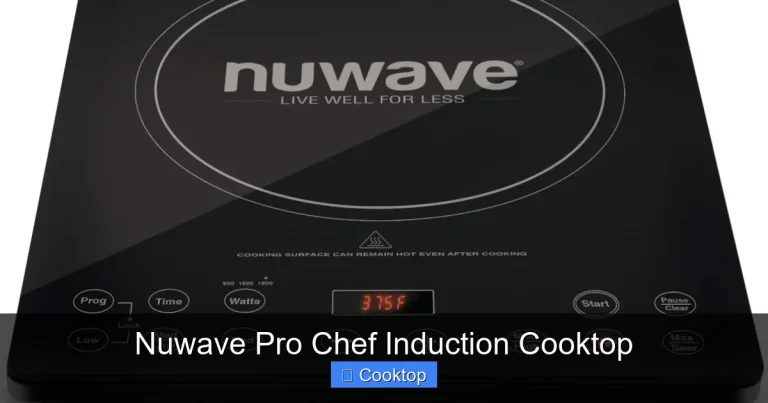
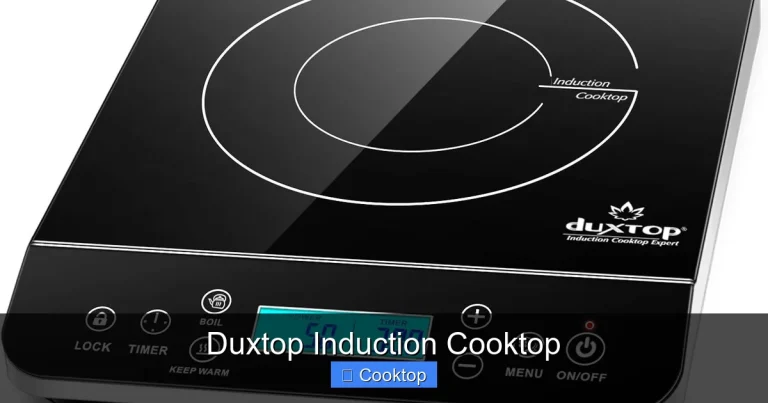
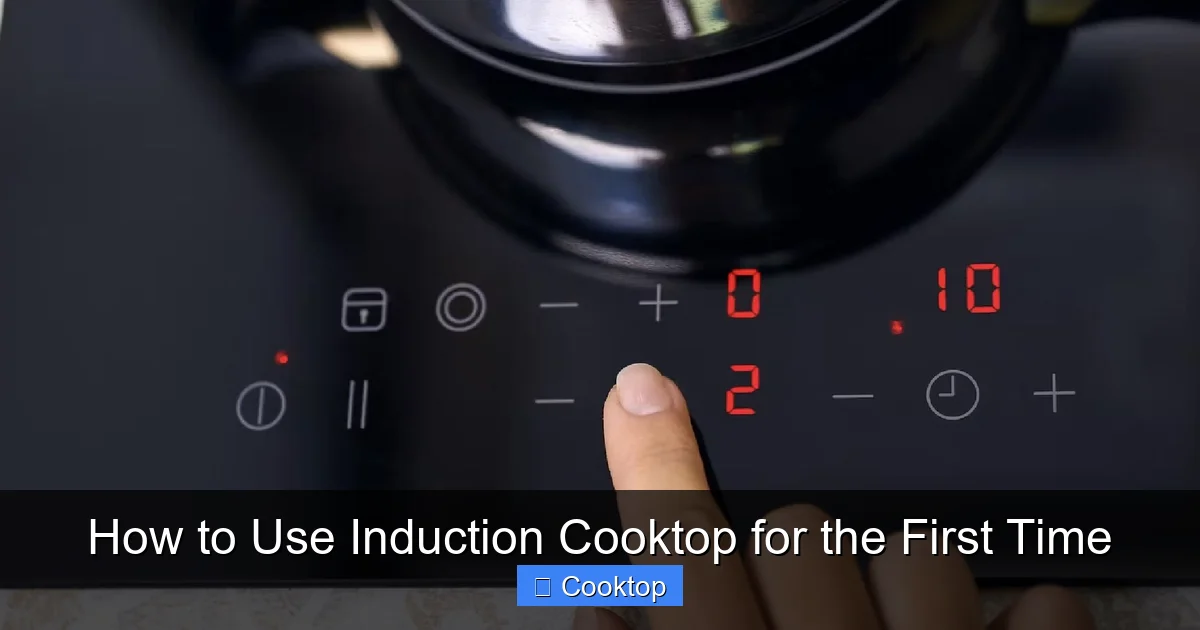
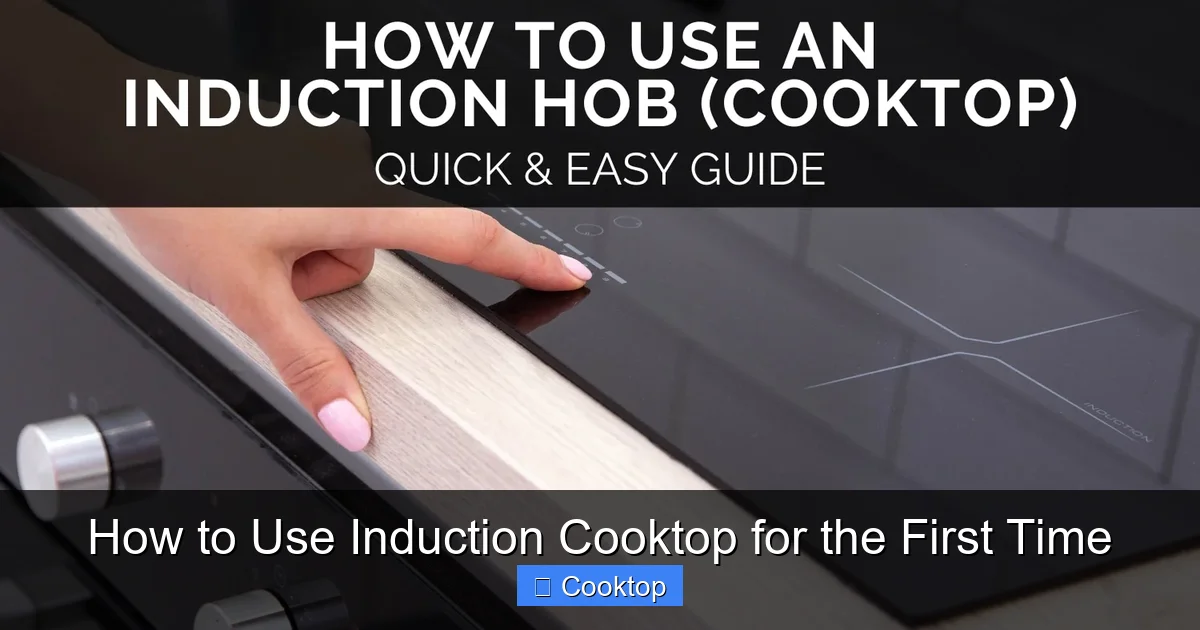
Most induction cooktops have a touch‑sensitive surface with a few basic buttons. There is usually a power button, a temperature slider, and sometimes a timer. Familiarize yourself with these controls before you start cooking. A quick glance at the display will tell you the current power level and whether the unit is on.
Visual guide about How to Use Induction Cooktop for the First Time
Image source: kitchinsider.com
Power On and Off
To power on, press the power button once. The display will light up, showing a zero or a default power setting. When you’re done, simply touch the same button again; the cooktop will shut off automatically after a short period of inactivity. This safety feature prevents accidental burns.
Choosing the Right Cookware
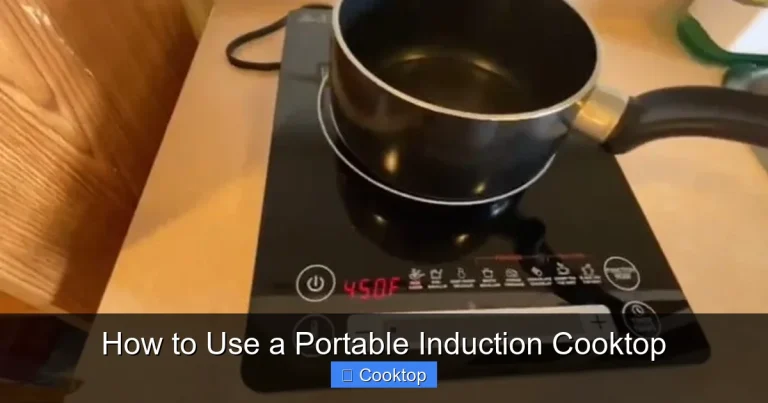
Not all pots and pans work on induction. The pan must have a magnetic base so the field can generate heat. Cast iron, stainless steel, and certain enamel‑coated metals are ideal. If you’re unsure, place a magnet on the bottom of the pan; if it sticks, the pan is compatible.
Visual guide about How to Use Induction Cooktop for the First Time
Image source: allrecipes.com
Best Frying Pan for Induction Cooktop 3
When shopping for a new pan, consider the best frying pan for induction cooktop 3. This model offers a flat, magnetic base and even heat distribution, making it perfect for sautéing, frying, and searing.
Preparing Your Kitchen
Before you start cooking, clear the area around the cooktop. Remove any metal objects that are not intended for the surface. Also, wipe the glass with a soft cloth to remove dust or spills. A clean surface ensures accurate sensor reading and prevents scratches.
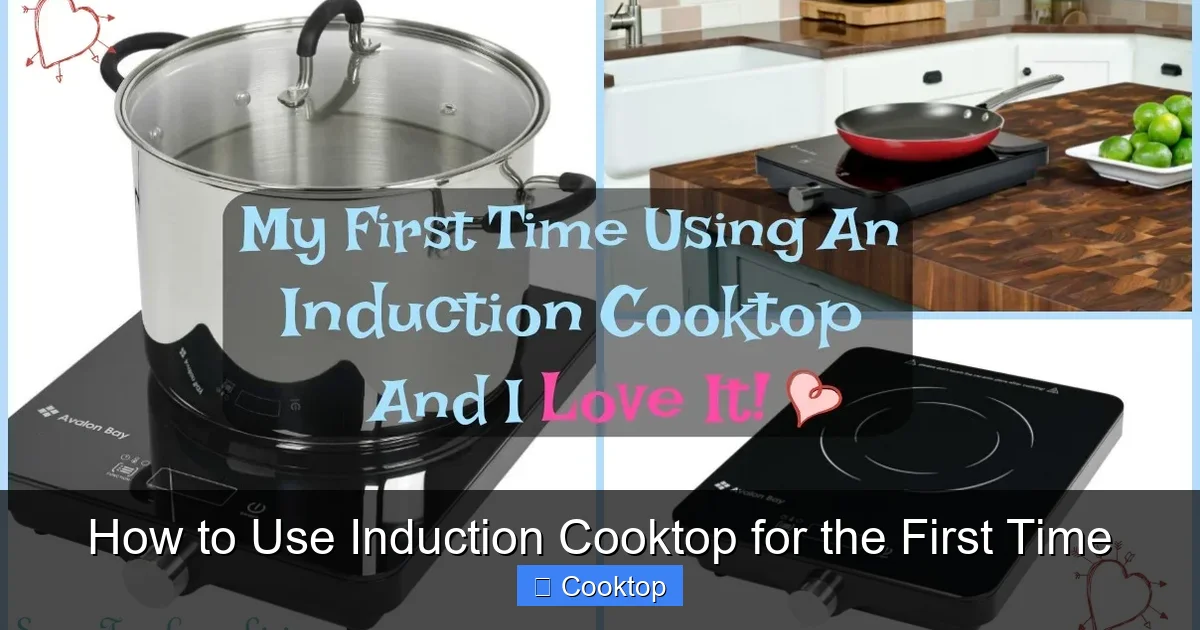
Visual guide about How to Use Induction Cooktop for the First Time
Image source: sassytownhouseliving.com
Cleaning Tips
After each use, let the cooktop cool, then wipe it with a damp cloth. For stubborn stains, use a gentle glass cleaner. Avoid abrasive pads that can scratch the surface. Keeping the cooktop clean maintains its performance and extends its lifespan.
Cooking Basics: Boiling, Simmering, and Searing
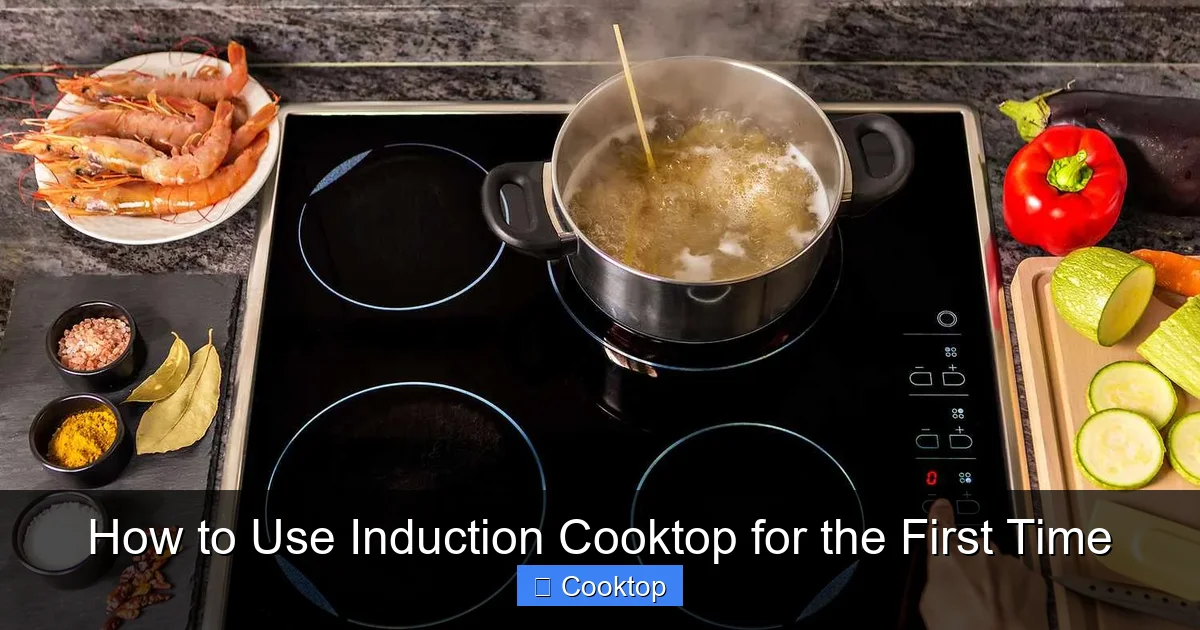
Induction excels at tasks that require rapid temperature changes. To boil water, place a compatible pot on the burner, select a high power level, and watch the water come to a rolling boil in minutes. For simmering, lower the power and set a timer to avoid over‑cooking.
Using a Timer
Most units let you set a cooking time directly on the display. After you choose a power level, press the timer button and enter the desired minutes. The cooktop will automatically shut off when the time expires, preventing burnt food.
Common Mistakes and How to Avoid Them
Even experienced cooks make a few missteps when they first use induction. One frequent error is using non‑magnetic cookware, which results in no heat. Another is placing objects like plastic or glass on the surface, which can trigger error messages.
Temperature Control Pitfalls
Because induction responds instantly, it’s easy to overshoot a temperature. Start with a lower setting and increase gradually. If you notice the pan heating too quickly, reduce the power level and give the food a moment to adjust.
Safety First
Induction cooktops are safe, but they still require basic precautions. Always keep the surface clear of flammable items. Use oven mitts when handling hot pans, even though the cooktop itself stays cool. Never leave the cooktop unattended while it’s on high power.
Advanced Features to Explore
Many modern induction units include extra functions like bridge zones, which combine two burners into one large cooking area. Some models also offer preset programs for specific dishes. Experiment with these features once you’re comfortable with the basics.
Bridge Zone Usage
If you need to cook a large roast or a big pot of soup, activate the bridge zone. This merges two adjacent burners, providing a larger heating surface. It’s perfect for pans that span multiple burners, ensuring even heat distribution.
Integrating Induction Into Your Cooking Routine
Now that you know the fundamentals, think about how induction fits into your everyday meals. You can sear steaks, simmer sauces, or even bake certain dishes using the right cookware. The key is to match the right pan to the right burner and adjust power levels as needed.
Linking to Related Content
If you’re also interested in mastering other kitchen appliances, check out our guide on how to use air fryer oven for beginners. It offers complementary tips for crispy, healthy meals.
Conclusion
Learning how to use induction cooktop for the first time doesn’t have to be overwhelming. By understanding the controls, selecting compatible cookware, and following simple safety steps, you’ll unlock a fast, efficient, and precise cooking experience. Remember to start low, keep the surface clean, and experiment with power settings. With a little practice, you’ll wonder how you ever cooked without induction.
Frequently Asked Questions
What type of cookware works on an induction cooktop?
Only magnetic cookware such as cast iron, stainless steel, or certain enamel‑coated pots will work. Non‑magnetic materials like aluminum or copper won’t heat on induction.
Can I use my existing pots and pans?
Test each piece with a magnet; if it sticks, the pan is compatible. If not, you’ll need to purchase induction‑ready cookware.
Do I need special cleaning products?
A soft cloth and mild glass cleaner are sufficient. Avoid abrasive sponges that could scratch the surface.
Is it safe to leave the cooktop on unattended?
Most units automatically shut off after a period of inactivity, but it’s best practice to stay nearby while cooking.
How do I know the temperature setting?
The display shows the current power level as a number or percentage, allowing precise temperature control.
Can I use a timer for every cooking task?
Yes, the timer function can be used for boiling, simmering, or baking tasks to prevent over‑cooking.