How to Use Oven as Toaster
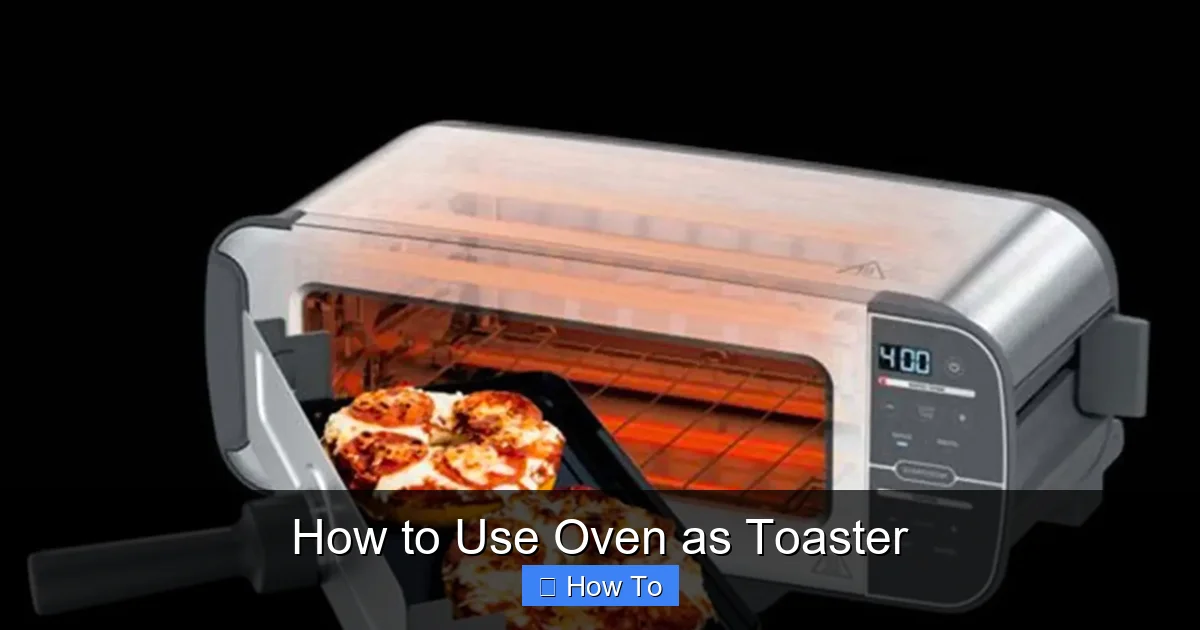
Discover how to use oven as toaster by adjusting temperature, rack position, and timing. This guide shows you simple methods to achieve crisp, golden toast using your regular oven, plus tips to avoid common pitfalls.
Key Takeaways
- Understand the basics: Using your oven as a toaster works best with a broil or bake setting and proper rack placement.
- Preheat properly: A brief preheat ensures even browning and prevents soggy results.
- Watch the time: Toast usually needs 2‑4 minutes per side, depending on thickness and desired crispness.
- Use the right bakeware: A baking sheet or oven‑safe rack promotes airflow and prevents sticking.
- Flip for evenness: Turning the bread halfway guarantees uniform color on both sides.
- Experiment with toppings: Try butter, garlic, or cheese before toasting for added flavor.
- Stay safe: Use oven mitts and keep an eye on the toast to avoid burning.
📑 Table of Contents
Introduction
Many home cooks own a reliable oven but rarely think of it as a substitute for a dedicated toaster. Yet learning how to use oven as toaster can save counter space, reduce appliance clutter, and still deliver that satisfying crunch you crave at breakfast. Whether your toaster broke, you’re hosting a crowd, or you simply want to try something new, your oven can handle the job with a few simple adjustments.
In this guide we’ll walk you through the entire process, from preparing your oven to achieving perfectly golden slices every time. You’ll discover why the oven’s broil or bake functions work well for toasting, how to arrange the racks for optimal airflow, and what timing works best for different bread types. By the end, you’ll feel confident using your oven as a toaster for everyday meals and special occasions alike.
Let’s dive into the details and unlock the full potential of your kitchen’s most versatile appliance.
Why Use Your Oven as a Toaster?
There are several compelling reasons to consider how to use oven as toaster instead of reaching for a standalone unit. First, ovens generally offer larger capacity, letting you toast multiple slices, bagels, or even whole loaves at once—ideal for families or brunches. Second, the even heat distribution of an oven reduces the chance of hot spots that can burn one side while leaving the other pale.
Visual guide about How to Use Oven as Toaster
Image source: allrecipes.com
Third, using the oven eliminates the need for an extra gadget, saving both money and storage space. If you already own a convection or toaster‑oven hybrid, you might even get better results than a traditional pop‑up toaster. Finally, mastering this technique opens the door to creative variations, such as garlic bread, cheesy melts, or sweet cinnamon toast, all prepared with the same simple method.
For those interested in similar multi‑purpose cooking, you might also enjoy reading our article on How To Use Airfryer Toaster Oven, which explores another versatile appliance that can toast, bake, and air‑fry.
Preparing Your Oven for Toasting
Before you start, a few preparatory steps ensure success when learning how to use oven as toaster. First, clean the interior to remove any crumbs or grease that could smoke or affect flavor. A quick wipe with a damp cloth and a mild detergent does the trick; avoid abrasive pads that could damage the enamel.
Visual guide about How to Use Oven as Toaster
Image source: i.ytimg.com
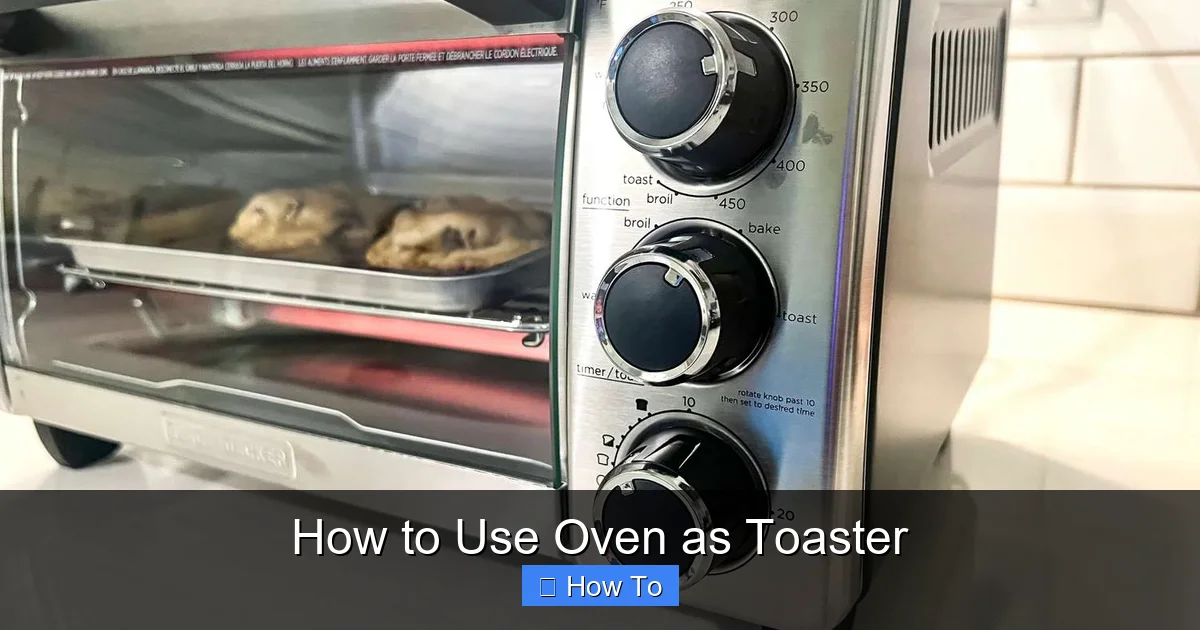
Next, decide which heating mode to use. Most ovens offer a “Broil” setting that delivers intense top‑down heat, perfect for rapid browning. Alternatively, the “Bake” setting provides gentler, surrounding heat that works well for thicker slices or when you prefer a slower toast. If your oven has a convection fan, you can enable it for even airflow, but keep an eye on the toast as it may brown faster.
Position the rack correctly. For broiling, place the rack in the upper third of the oven, about 3‑4 inches from the heating element. For baking, the middle rack is ideal. This placement allows hot air to circulate around the bread, promoting uniform color.
Finally, gather your tools: a rimmed baking sheet or an oven‑safe wire rack, a pair of tongs or a spatula for flipping, and oven mitts for safety. Having everything within reach makes the process smooth and reduces the chance of accidents.
Step‑by‑Step Guide: Toasting Bread in the Oven
Now that your oven is ready, follow these detailed steps to master how to use oven as toaster:
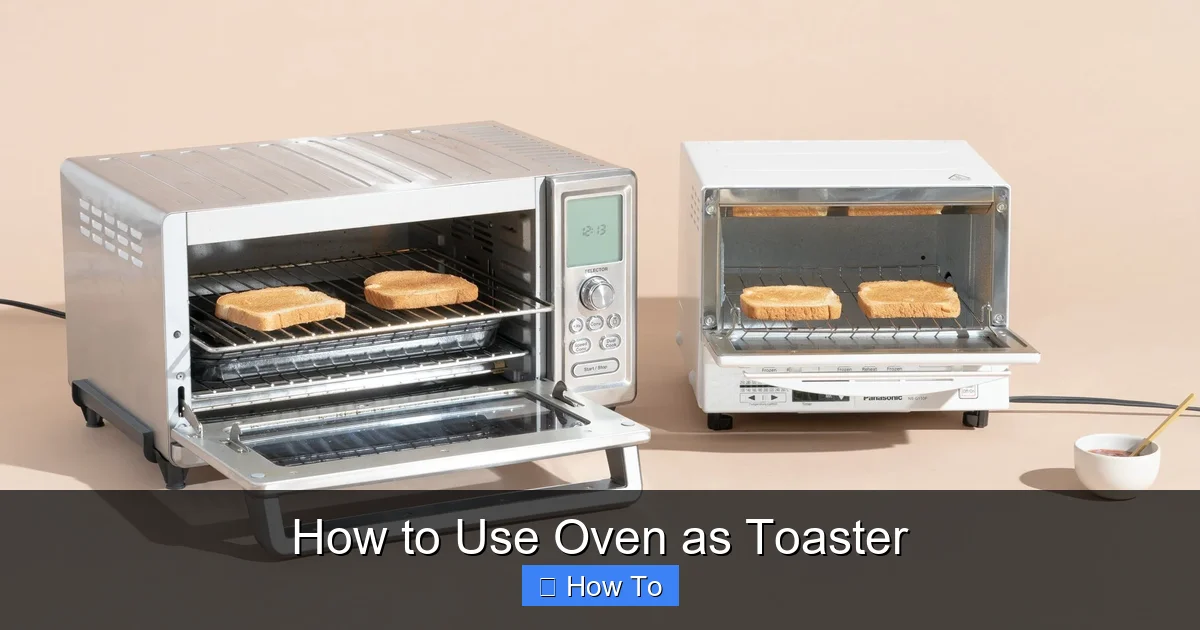
Visual guide about How to Use Oven as Toaster
Image source: cdn.thewirecutter.com
1. Choose Your Bread
Select slices that are uniform in thickness—about ½ inch works well for most ovens. Sourdough, whole wheat, rye, or even specialty breads like brioche toast beautifully. If you’re using a bagel, slice it in half horizontally.
2. Preheat the Oven
Set the oven to 425 °F (220 °C) for broil or 375 °F (190 °C) for bake. Allow it to preheat for 5‑7 minutes. A proper preheat ensures the bread starts to brown immediately rather than steaming.
3. Arrange the Bread
Place the slices directly on the baking sheet or on the wire rack, leaving a small gap between each piece for airflow. If you like buttered toast, spread a thin layer of softened butter on one side now; the butter will melt and help achieve a golden crust.
4. Insert and Monitor
Slide the tray into the oven on the pre‑positioned rack. Set a timer for 2 minutes. After the first interval, check the color: the edges should be just beginning to turn golden. Use tongs to flip each slice.
5. Flip and Finish
Return the tray to the oven and set another timer for 1‑2 minutes, depending on how dark you prefer your toast. Keep a close watch during the final minute—broil can go from perfect to burnt in seconds.
6. Remove and Serve
Once the toast reaches your desired shade, pull the tray out using oven mitts. Transfer the slices to a plate, add any toppings (jam, avocado, cheese), and enjoy immediately while warm and crisp.
By repeating these steps, you’ll quickly internalize how to use oven as toaster and be able to adapt the timing for different breads or personal preferences.
Tips for Perfect Toast Every Time
Achieving consistently excellent results involves a few pro tips that go beyond the basic steps:
- Use a light coating of oil or butter: A thin layer promotes Maillard browning and adds flavor without making the toast greasy.
- Don’t overcrowd the tray: Overlapping slices trap steam, leading to soggy spots. Give each piece room to breathe.
- Watch the broiler closely: Because broiler heat is intense, set a timer for 30‑second intervals after the first flip to avoid over‑browning.
- Consider a convection boost: If your oven has a fan, turn it on for the last 30 seconds to crisp the surface evenly.
- Experiment with seasonings: Sprinkle garlic powder, cinnamon sugar, or grated Parmesan before toasting for flavored variations.
- Keep the oven door slightly ajar (if safe): Some cooks crack the door open an inch during broiling to release excess moisture and enhance crispness.
These tips complement the core method of how to use oven as toaster and help you troubleshoot any issues that arise.
Common Mistakes to Avoid
Even experienced cooks can slip up when trying how to use oven as toaster. Being aware of these pitfalls will save you from wasted bread and frustration:
1. Skipping the Preheat
Putting cold bread into a cold oven leads to uneven heating and a pale, rubbery texture. Always preheat for at least five minutes.
2. Using the Wrong Rack Position
Placing the tray too close to the broiler element can scorch the top while the bottom remains pale. Too far away, and you’ll need excessive time, drying out the bread.
3. Leaving the Toast Unattended
Broiler heat can change from perfect to burnt in seconds. Stay nearby and check frequently, especially during the final minute.
4. Using Wet or Sticky Toppings Before Toasting
Ingredients like jam or fresh tomato release steam, preventing crispness. Add such toppings after the toast is done.
5. Ignoring Bread Thickness
Thick artisan loaves need lower temperature and longer time; thin sandwich bread burns quickly. Adjust accordingly.
Avoiding these mistakes will make your journey of learning how to use oven as toaster smooth and rewarding.
Alternative Uses: Beyond Bread
Once you’ve mastered the basics, your oven can toast far more than just sliced bread. Here are a few creative ideas that build on the same principle of how to use oven as toaster:
Garlic Bread
Mix softened butter with minced garlic, parsley, and a pinch of salt. Spread on a baguette slice, place on the baking sheet, and broil for 2‑3 minutes until golden and fragrant.
Cheesy Melts
Top bread with a slice of cheddar or mozzarella, add a dash of paprika, and broil until the cheese bubbles and turns lightly brown.
Sweet Cinnamon Toast
Brush bread with melted butter, sprinkle with cinnamon‑sugar, and bake at 350 °F for 4‑5 minutes. The result is a warm, sweet treat perfect with coffee.
Toasted Nuts or Seeds
Spread almonds, walnuts, or pumpkin seeds on a sheet and toast at 325 °F for 5‑7 minutes, stirring once, until aromatic and crisp.
Open‑Face Sandwiches
Layer turkey, tomato, and cheese on bread, then broil until the cheese melts and the edges crisp—an easy, satisfying lunch.
These variations show how versatile how to use oven as toaster can be, turning a simple technique into a gateway for countless snacks and meals.
Conclusion
Learning how to use oven as toaster is a practical skill that adds flexibility to your kitchen routine. By understanding the oven’s heat modes, positioning the rack correctly, and monitoring the cooking time, you can achieve perfectly toasted bread—whether you prefer a light golden hue or a deep, crunchy crust. The method scales easily for large batches, accommodates a variety of bread types, and opens the door to delicious toppings and creative recipes.
Remember to preheat, avoid overcrowding, stay attentive during the final minutes, and experiment with seasonings to tailor each batch to your taste. With these guidelines in hand, your oven will reliably stand in for a toaster whenever you need it, saving space, money, and effort.
So the next time you crave toast, give your oven a chance to shine. You’ll discover that the humble oven is not just for roasting and baking—it’s also an excellent toaster, ready to deliver that satisfying crunch you love.
Frequently Asked Questions
Can I toast frozen bread in the oven?
Yes, you can toast frozen slices directly. Increase the initial baking time by 1‑2 minutes to allow the bread to thaw before browning, then follow the usual flipping and monitoring steps.
What temperature is best for toasting bread in the oven?
For a quick broil, set the oven to 425 °F (220 °C). For a gentler bake, 375 °F (190 °C) works well. Adjust based on bread thickness and desired crispness.
Do I need to flip the toast when using the oven?
Flipping ensures even browning on both sides, especially with thicker slices. If you’re using a convection fan and a thin slice, you may get away with a single side, but flipping is recommended for consistent results.
Can I use the oven to toast bagels or English muffins?
Absolutely. Slice them in half, place cut‑side up on the tray, and broil for 2‑3 minutes until the edges are crisp and the interior is warm.
Is it safe to leave the oven door slightly open while broiling?
Some cooks crack the door an inch to release moisture and improve crispness. Only do this if your oven’s manual permits it, and always stay nearby to monitor the toast.
How do I clean crumbs after toasting in the oven?
Once the oven has cooled, remove the tray and wipe the interior with a damp cloth. For stubborn bits, use a soft brush or a non‑abrasive scrubber, then dry with a clean towel.