How to Use Toaster Oven Air Fryer
Learning how to use a toaster oven air fryer can transform your weekly meals into quick, crispy, and healthier delights. This guide walks you through every essential step, from preheating to perfect cooking results. You’ll discover practical tips that make cooking effortless and fun.
Welcome to the world of quick, crispy, and delicious cooking! If you’ve recently brought home a toaster oven air fryer, you’re probably excited to explore all the meals you can make. This handy appliance combines the speed of a toaster oven with the crisping power of an air fryer, making it a game-changer for busy households. In this guide, we’ll walk you through everything you need to know about how to use a toaster oven air fryer, from unboxing your first meal to mastering advanced techniques. Whether you’re cooking frozen snacks or homemade dinners, you’ll find practical tips that fit your lifestyle perfectly. By the end, you’ll feel confident experimenting with new recipes and enjoying healthier versions of your favorite fried foods.
The journey begins with understanding what makes your appliance unique. A toaster oven air fryer is more than just a smaller oven; it’s a specialized cooking system that uses a powerful fan to circulate hot air around food. This convection mechanism creates a Maillard reaction—a chemical process that browns and crisps food without needing large amounts of oil. The result is texture and flavor similar to deep frying, but with a fraction of the calories and fat. Many models also include preset programs for specific foods, taking the guesswork out of temperature and time settings. Learning how to navigate these features will help you get the most out of your investment from day one.
Key Takeaways
- Preheat properly: Always preheat your toaster oven air fryer for consistent cooking results and better texture.
- Don’t overcrowd the basket: Leave space around food for optimal airflow and even crisping.
- Use the right temperature: Adjust temperatures downward compared to traditional baking, typically 25°F lower, for air frying.
- Shake or flip food: Mid-cooking shaking or flipping ensures all sides get crispy.
- Start with simple recipes: Begin with frozen foods or vegetables before trying homemade meals.
- Clean after each use: Quick cleaning prevents grease buildup and maintains performance.
- Check your manual: Every model has unique settings; familiarize yourself with yours first.
📑 Table of Contents
Understanding Your Toaster Oven Air Fryer
What Is a Toaster Oven Air Fryer?
A toaster oven air fryer is a versatile kitchen gadget that does the work of multiple appliances in one compact unit. It uses a fan to circulate hot air around food, creating a crispy outer layer similar to deep frying but with significantly less oil. This cooking method not only reduces calories but also preserves the natural flavors of ingredients. You can bake, roast, broil, and air fry, all with one device. Understanding its capabilities is the first step to making the most of your appliance. Most units come with a temperature range that goes as low as 150°F for keeping foods warm and as high as 450°F for searing and baking, giving you a wide spectrum of cooking possibilities.
Key Components You Should Know
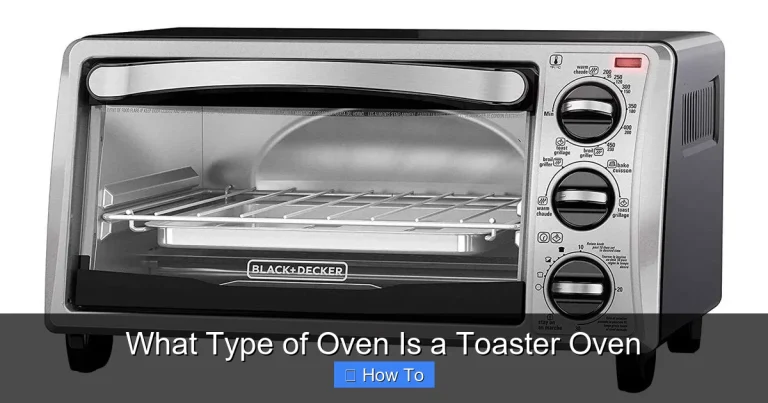
Every toaster oven air fryer comes with a few essential parts that affect how you cook. The heating element provides the heat, while the convection fan ensures hot air moves evenly throughout the cavity. The air fry basket or tray allows air to flow around food for that signature crispiness. Many models also include a rotisserie spit, a crumb tray for easy cleanup, and adjustable racks for different food sizes. Familiarizing yourself with these parts helps you operate the machine safely and efficiently. The crumb tray, for instance, collects grease and food particles, and emptying it after each use prevents smoke and odors during future cooking sessions. Some higher-end models feature a digital display with touch controls, while others use rotary dials; both are effective, but digital panels often offer more precise temperature readouts.
Choosing the Right Settings for Your Needs
Most toaster oven air fryers come with a dial or digital panel offering settings like bake, broil, air fry, and sometimes dehydrate. The air fry setting typically uses higher fan speed and optimal temperature for crisping. The bake setting is better for breads, casseroles, and desserts that need gentle, even heating. Take time to read the manual that came with your unit, as button layouts and default temperatures vary between brands. Knowing which setting to select for each dish will improve your results instantly. If you’re ever unsure, starting with the air fry setting and adjusting downward by 25°F from a traditional recipe is a reliable rule of thumb that works for most foods.
Getting Started: Unboxing and First Use
Unboxing Your New Appliance
When you first unpack your toaster oven air fryer, check that all components are present. You should find the main unit, a cooking basket or tray, a crumb tray, and usually a recipe book or guide. Remove all packaging materials and wash the basket and tray with warm soapy water before the first use. This initial cleaning removes any manufacturing residues and prepares the surfaces for food contact. Dry everything thoroughly before reassembling. It’s also a good idea to inspect the power cord for any damage and ensure the plug fits securely into your outlet before plugging the unit in for the first time.
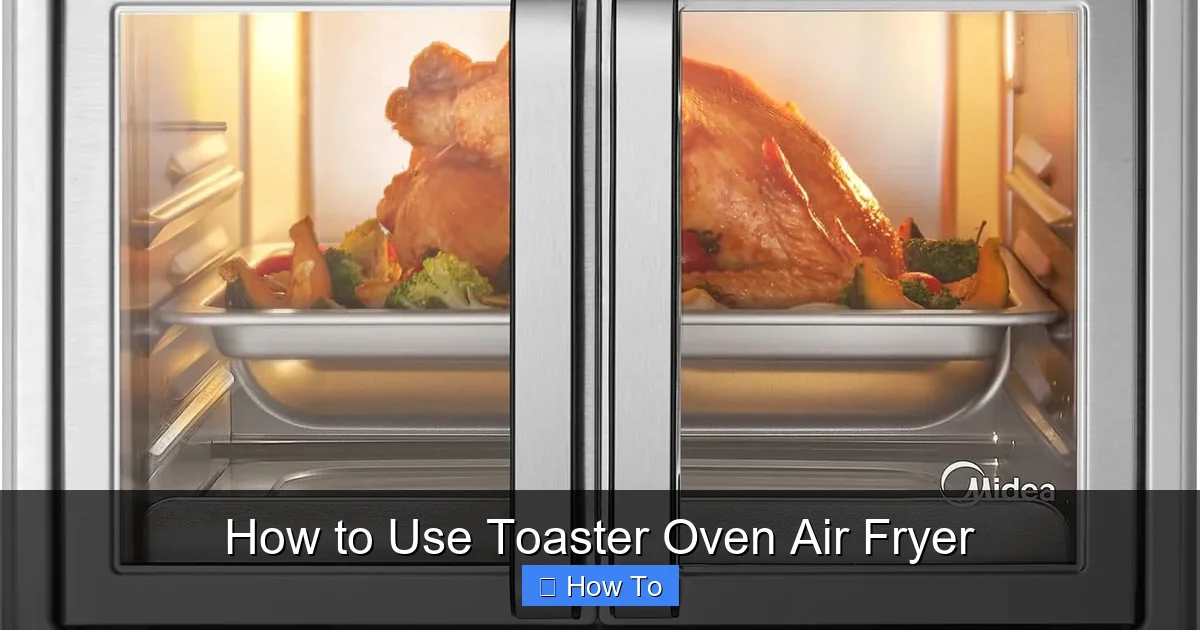
Visual guide about How to Use Toaster Oven Air Fryer
Image source: m.media-amazon.com
Setting Up for Success
Place your toaster oven air fryer on a flat, heat-resistant surface away from kitchen walls and cabinets. Leave at least four inches of space at the back and sides for proper airflow. Plug the unit into a grounded outlet and avoid using extension cords, which can overheat. Before cooking your first meal, run the appliance on a high temperature setting for about five minutes with nothing inside. This “burn-off” process eliminates any remaining odors and confirms the unit is functioning correctly. If you notice any unusual smells or sounds, consult the manufacturer’s instructions or customer service before proceeding with food preparation.
Preparing Your First Recipe
Start with something simple like frozen french fries or chicken nuggets. These pre-cooked items require minimal adjustment and help you get a feel for cooking times and textures. Follow the package instructions as a baseline, then note how your specific model performs. Adjusting based on your results builds your confidence and understanding of the appliance’s quirks. Many users find that frozen foods cook slightly faster than expected, so checking a few minutes before the recommended time prevents overcooking. Taking notes on what works for your model creates a personal reference guide for future meals.
Safety First: Initial Checks
Before your first cooking session, ensure the toaster oven air fryer is placed on a stable surface that can support its weight. Keep it away from the edge of countertops to prevent accidental tipping. Never operate the appliance without the crumb tray in place, as grease can drip onto the heating element and cause smoke or even a fire hazard. Additionally, keep the appliance away from water sources and never immerse it in water or place it in a dishwasher. The exterior can get hot during use, so always use oven mitts or tongs when handling the basket or tray immediately after cooking.
Mastering the Controls and Settings
Temperature Adjustments for Perfect Results
One of the most important aspects of how to use a toaster oven air fryer is understanding temperature settings. Air frying typically requires lower temperatures than traditional baking, often 25°F lower. For example, if a recipe calls for 400°F in a conventional oven, try 375°F in your air fryer. This prevents the outside from burning while the inside remains undercooked. Using an oven-safe thermometer to verify actual internal temperature is especially helpful when trying new recipes, as built-in dials can sometimes run hot or cool. Over time, you’ll develop an intuition for your model’s quirks, but a thermometer takes the guesswork out of the equation during the learning phase.
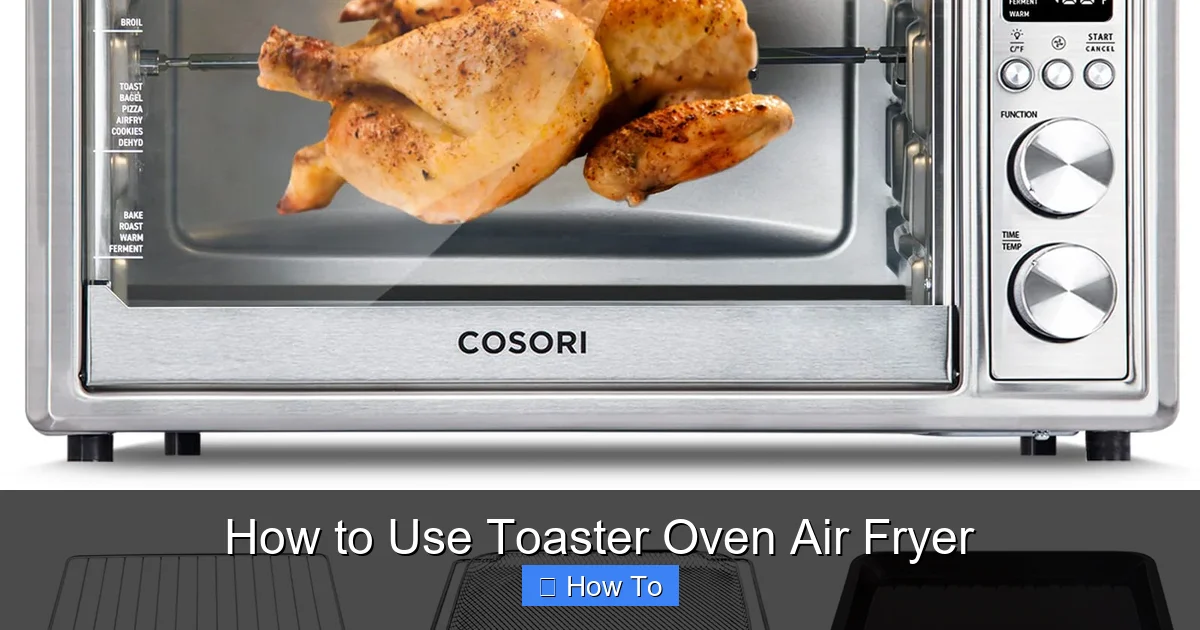
Visual guide about How to Use Toaster Oven Air Fryer
Image source: images-na.ssl-images-amazon.com
Time Management and Shaking Techniques
Cooking times in a toaster oven air fryer are often shorter than oven baking, sometimes by 20%. Set the timer and plan to shake the basket or flip the food halfway through cooking. This ensures all sides get exposed to the circulating hot air, resulting in even crispiness. For thicker items like chicken breasts or potato wedges, you may need to shake twice. Set a timer reminder so you don’t forget, especially when multitasking in the kitchen. Some models feature a built-in shake alert, but manual checks still yield the best results and help you learn the specific timing your food requires.
Preheating for Consistent Cooking
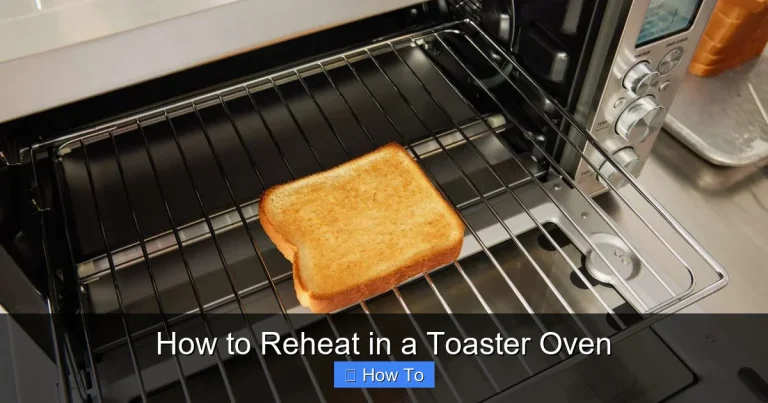
Preheating your toaster oven air fryer is highly recommended for best results. Just like preheating a conventional oven, preheating ensures the cooking chamber reaches the target temperature before food goes in. This leads to more predictable cooking times and better texture, especially for foods that rely on quick crisping. Most models have a preheat function or you can simply select the desired temperature and wait a few minutes before adding your food. If you’re using a Farberware model, you might find it helpful to check out our guide on how to preheat a Farberware air fryer toaster oven for model-specific tips. how to preheat a Farberware air fryer toaster oven
Understanding Fan Speeds and Modes
Many toaster oven air fryers offer multiple fan speed settings or cooking modes beyond basic air fry. A high fan speed is ideal for foods that need maximum crispiness, like frozen wings or french fries. A lower fan speed works better for delicate items like fish fillets or baked goods that could dry out too quickly. Some units also have a “roast” mode that uses moderate fan speed for even browning, and a “dehydrate” mode for making fruit chips or jerky. Experimenting with these modes expands your culinary repertoire and helps you achieve professional-quality results across a variety of food types.
Cooking Techniques and Best Practices
Avoiding Overcrowding for Better Airflow
The secret to restaurant-quality crispiness is airflow. When the air fry basket is too full, hot air can’t circulate properly, leading to soggy spots and uneven cooking. Aim to fill the basket no more than halfway to three-quarters full, leaving space between each piece of food. If you have a large batch, cook in multiple rounds rather than stacking items. This might take a few extra minutes, but the results are well worth the wait. For foods like Brussels sprouts or cauliflower florets, spreading them in a single layer ensures each piece gets golden-brown edges.
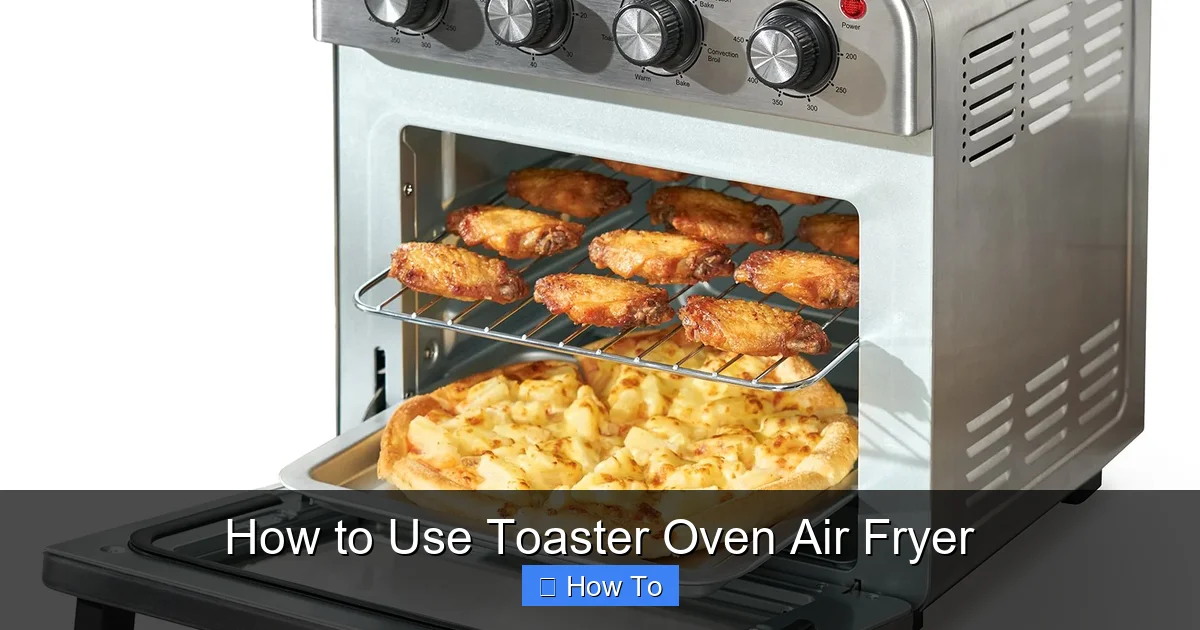
Visual guide about How to Use Toaster Oven Air Fryer
Image source: img.vevorstatic.com
Oil Usage and Food Preparation
While air frying uses much less oil than deep frying, a light coating can enhance crispiness and flavor. Use an oil spray or toss food in a teaspoon of oil before placing it in the basket. Olive oil, avocado oil, or vegetable oil work well. For breaded items, a light spray helps the coating adhere and turn golden. Always pat food dry with paper towels before seasoning, as excess moisture steams the food instead of air frying it. A small amount of oil goes a long way, and using too much can actually prevent crisping by creating a greasy barrier. If you’re cooking something naturally fatty like salmon, you may not need any added oil at all.
Mid-Cooking Shakes and Flips
Halfway through the cooking cycle, pause the appliance and give the basket a good shake. For items like wings or nuggets, flip them over with tongs. This simple step ensures every piece gets equal heat exposure. If you’re cooking vegetables, a quick toss redistributes them for uniform browning. Some models even have a built-in shake reminder, but manual checks still yield the best results. Learning to judge doneness by color and texture, rather than relying solely on the timer, is a skill that develops with practice and makes you a more confident cook.
Cooking Frozen vs. Fresh Foods
Frozen foods are the easiest starting point for new air fryer owners. Items like frozen mozzarella sticks, chicken tenders, and potato products often have package instructions that work well, but you may find they cook faster than expected. Fresh foods require more attention to seasoning and timing. Root vegetables like carrots and potatoes benefit from being cut into uniform sizes so they cook at the same rate. Tossing them in a small amount of oil and seasoning before air frying brings out their natural sweetness. For meats, patting them dry and bringing them to room temperature before cooking can result in more even doneness and better browning.
Recipe Ideas and Cooking Times
Quick Breakfast Options
Start your day with a breakfast hash. Dice potatoes, bell peppers, and onions, toss with a little oil and seasoning, and air fry at 380°F for 12–15 minutes, shaking halfway. You can add scrambled eggs in the last two minutes of cooking for a complete meal. Another fast option is air-fried toasted bagels topped with cheese and heated until melty. These breakfasts take under 20 minutes from start to finish, making them perfect for busy weekday mornings. If you have leftover cooked vegetables from dinner, air frying them with a scrambled egg mixture creates a delicious breakfast scramble in minutes.
Lunch and Dinner Meals
For a quick lunch, try air-fried salmon fillets. Season with lemon, garlic, and a drizzle of oil, then cook at 400°F for 8–10 minutes. If you’re craving something heartier, air-fryer chicken thighs seasoned with paprika and garlic powder cook at 400°F for 20–25 minutes, flipping halfway. Vegetable medleys like broccoli florets, carrots, and zucchini tossed in oil and roasted at 375°F for 10–12 minutes make a perfect side. The versatility of a toaster oven air fryer means you can prepare entire meals in one appliance, from protein to sides, all at the same temperature with adjusted timing. This one-appliance approach saves time, reduces cleanup, and minimizes energy use compared to heating a full-sized oven.
Desserts and Snacks
Yes, you can make desserts in a toaster oven air fryer! Try air-fried apple slices sprinkled with cinnamon and a touch of sugar for a healthy treat. Cook at 350°F for 8–10 minutes until tender and slightly caramelized. Chocolate chip cookies can also be baked in small batches at 320°F for 8–10 minutes. For a classic snack, air-fry frozen mozzarella sticks according to package directions, usually at 390°F for 6–8 minutes. The possibilities are endless when you experiment with temperatures and times. You can also make banana chips by slicing bananas thinly, brushing lightly with oil, and air frying at 300°F for 10–12 minutes until crisp. These sweet and savory snacks are great for movie nights or afternoon pick-me-ups.
Maintenance and Troubleshooting
Regular Cleaning for Longevity
Keeping your toaster oven air fryer clean is essential for performance and safety. After each use, allow the appliance to cool completely, then remove the basket and crumb tray. Wash them with warm soapy water or place them in the dishwasher if they’re labeled dishwasher-safe. Wipe the interior cavity with a damp cloth, avoiding abrasive scrubbers that can damage the non-stick coating. Empty the crumb tray after every use to prevent grease buildup, which can cause smoke or odors during future cooking. A clean appliance not only performs better but also lasts longer, so making cleaning a habit pays off in the long run.
Deep Cleaning and Care
Once a month, perform a deeper clean by soaking the basket and tray in warm, soapy water for 15 minutes to loosen stubborn residue. Use a soft brush or toothbrush to clean around the heating element and fan area, where grease often accumulates unseen. Never submerge the main unit in water; instead, wipe the exterior with a mild detergent solution and a soft cloth. If you notice persistent odors or grease, learning how to clean a toaster oven air fryer thoroughly can restore its performance. Our detailed cleaning guide offers step-by-step instructions for tackling tough buildup and keeping your appliance in top condition. how to clean a toaster oven air fryer
Common Issues and Quick Fixes
If your toaster oven air fryer isn’t heating, check that it’s properly plugged in and the temperature dial or digital display is set correctly. Smoke often results from excess grease in the crumb tray; simply empty and clean it. Uneven cooking usually stems from overcrowding or forgetting to shake the basket. If the fan seems noisy, ensure nothing is obstructing the vents. For electrical issues or persistent malfunction, consult the manufacturer’s warranty or customer service. Most minor problems have simple solutions that don’t require professional repair, and many common issues are covered under warranty if the unit is relatively new.
Storage Tips for Long-Term Use
If you plan to store your toaster oven air fryer for a period, ensure it’s completely cool and clean before putting it away. Wrap the power cord loosely around the base or use the cord storage feature if your model includes one. Store the appliance in a dry, cool place away from direct sunlight, which can degrade plastic components over time. Keeping the original box and packaging can protect it from dust and scratches if you move it frequently. Proper storage prevents damage and ensures the appliance is ready to use whenever you need it, without needing extensive cleaning or repairs before the first use.
Conclusion
Congratulations! You’ve now learned the essentials of how to use a toaster oven air fryer with confidence. From understanding your appliance’s components to mastering temperature settings, airflow techniques, and delicious recipe ideas, you’re well-equipped to create crispy, healthier meals for you and your family. Remember that practice makes perfect—don’t be afraid to experiment with new foods and adjust times to suit your taste. With regular maintenance and the tips shared in this guide, your toaster oven air fryer will remain a trusted kitchen companion for years to come. Happy cooking!
Frequently Asked Questions
How do I preheat my toaster oven air fryer?
Preheating your toaster oven air fryer is simple: select the desired temperature and let the appliance run for about 3 to 5 minutes before adding food. This ensures the cooking cavity reaches the target temperature, leading to more consistent results and better crisping, especially for foods that benefit from quick heat exposure.
Can I use aluminum foil in a toaster oven air fryer?
Yes, you can use aluminum foil, but it should be placed carefully to avoid blocking the fan or covering the entire basket. Use small pieces to wrap food or line the bottom of the crumb tray, and never cover the air vents, as proper airflow is essential for effective cooking and safety.
What foods cook best in a toaster oven air fryer?
Foods that benefit from hot circulating air cook exceptionally well, including frozen items like french fries and chicken nuggets, as well as fresh vegetables like broccoli, cauliflower, and sweet potatoes. Proteins such as chicken wings, salmon fillets, and thin-cut pork chops also crisp up nicely, making the appliance versatile for a wide range of meals.
How do I clean my toaster oven air fryer safely?
Always unplug the appliance and allow it to cool completely before cleaning. Remove the