How to Reheat in a Toaster Oven
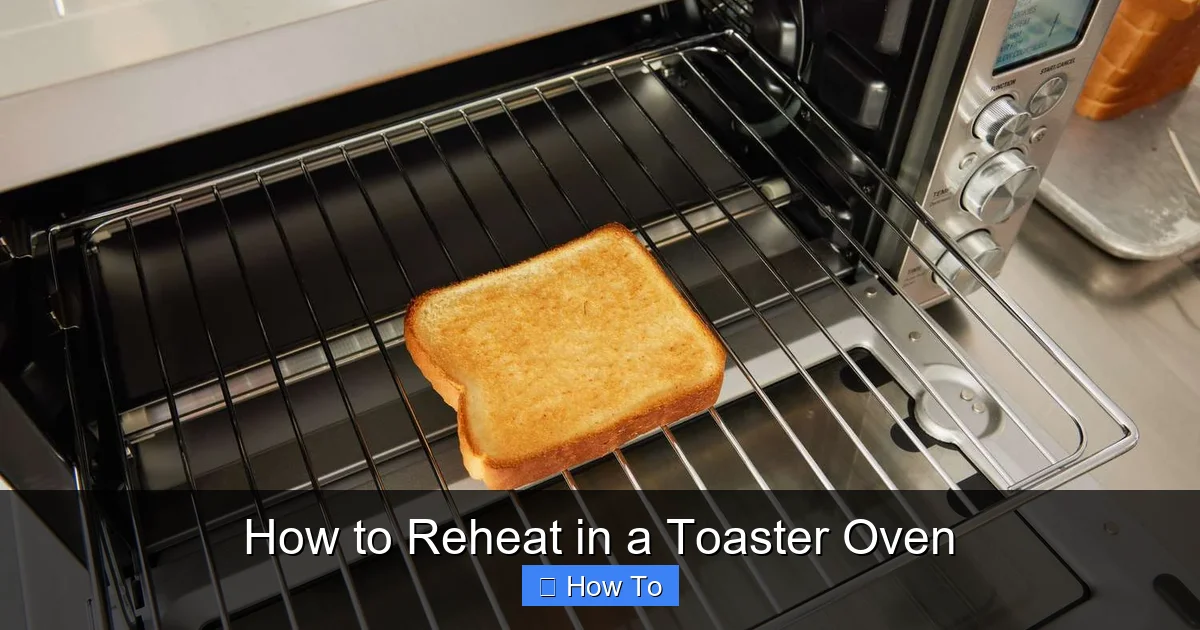
Reheating in a toaster oven gives you crispy, evenly warmed leftovers without the sogginess of a microwave. It’s fast, energy-efficient, and perfect for pizza, fried foods, casseroles, and more. Follow our simple steps to reheat in a toaster oven like a pro.
There’s nothing quite like the disappointment of biting into leftover pizza that tastes like rubber. Microwaves are fast, but they often leave food soggy, chewy, or unevenly hot. That’s where your toaster oven comes in. If you’ve been wondering how to reheat in a toaster oven, you’re in the right place. This small countertop appliance can bring your leftovers back to life with crisp edges and warm centers.
A toaster oven works like a mini conventional oven. It uses dry, circulating heat instead of steam, which means your fried chicken stays crunchy and your lasagna doesn’t turn into a soggy mess. It’s also faster than waiting for a big oven to preheat, and it uses less energy. Whether you’re reheating last night’s takeout or warming up a casserole, the toaster oven is a handy tool.
In this guide, we’ll walk you through everything you need to know. From picking the right temperature to choosing the best pan, you’ll learn how to reheat in a toaster oven safely and effectively. Let’s get started.
Key Takeaways
- Preheat first: Always preheat your toaster oven so food reheats evenly and doesn’t dry out.
- Use the right pan: Choose oven-safe bakeware and learn what you can safely put in a toaster oven to avoid damage or safety issues.
- Cover with foil: Loosely covering food with aluminum foil helps retain moisture while still letting the top crisp up.
- Watch the temperature: Most foods reheat best between 300°F and 375°F, depending on what you’re warming up.
- Don’t overcrowd: Leave space between pieces so hot air can circulate and crisp everything evenly.
- Check often: Toaster ovens heat quickly, so check your food every few minutes to prevent overcooking.
- Clean up right away: Wipe spills while the oven is still warm (but unplugged) and learn how to clean a Ninja toaster oven for easy maintenance.
📑 Table of Contents
Why Choose a Toaster Oven for Reheating?
You might ask why you should bother with a toaster oven when you have a microwave sitting right there. The answer comes down to texture. Microwaves heat water molecules, which can make bread tough and fried foods limp. A toaster oven uses radiant heat, so it crisps the outside while warming the inside. That’s a big difference when you reheat in a toaster oven.
Toaster Oven vs. Microwave
A microwave is great for steaming vegetables or heating a cup of coffee. But for leftovers like pizza, roasted potatoes, or breaded fish, it often falls short. The microwave traps steam, which makes the crust soft and the toppings rubbery. When you reheat in a toaster oven, the dry air keeps things crispy. You get that fresh-from-the-oven taste without waiting an hour for a full-sized oven.
Toaster Oven vs. Full-Sized Oven
A conventional oven does a great job, but it takes time to preheat and uses a lot of electricity. If you’re only reheating one slice of pizza or a small side dish, firing up the big oven feels wasteful. A toaster oven preheats in minutes and heats only the space you need. It’s perfect for small portions, single servings, or quick snacks.
When a Toaster Oven Shines
Think about foods that lose their appeal when they get soggy. Pizza is the obvious example, but so are fried chicken, egg rolls, roasted vegetables, and even toasted sandwiches. A toaster oven brings back the crunch. It also works well for casseroles that need gentle, even heat to warm through without drying out.
Getting Started: Prep and Safety
Before you turn the dial, take a moment to prepare. Good prep makes the difference between a meal that tastes fresh and one that’s dried out or burnt on the edges.
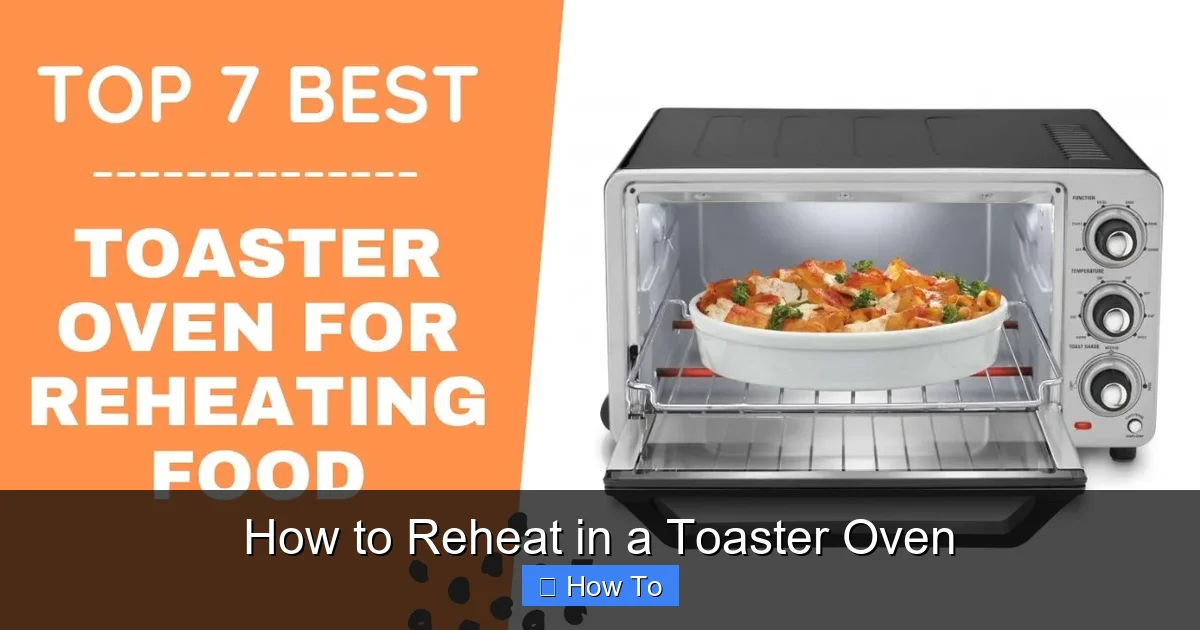
Visual guide about How to Reheat in a Toaster Oven
Image source: i.ytimg.com
What You Can Reheat
You can reheat almost anything in a toaster oven, but some foods work better than others. Solid foods like pizza slices, chicken wings, roasted potatoes, and casseroles are ideal. Soups and stews are better on the stovetop because they can spill and make a mess. Delicate items like cream-based sauces might separate under high heat, so keep the temperature low if you try them.
Choosing the Right Bakeware
Not every container belongs in a toaster oven. Glass, ceramic, and metal pans are usually safe, but you should always check the manufacturer’s instructions. Avoid plastic, which can melt, and never use paper plates unless they’re labeled oven-safe. If you’re unsure about what fits and what’s safe, take a look at this guide on what you can safely put in a toaster oven. It covers materials, sizes, and tips to keep your appliance in good shape.
Preheating Matters
Always preheat your toaster oven before you put food inside. If you place cold food into a cold oven, it will heat unevenly and may dry out before the center is warm. Set the temperature, wait for the indicator light if your model has one, and then slide your tray in. Preheating usually takes three to five minutes, depending on the model.
Step-by-Step: How to Reheat in a Toaster Oven
Reheating in a toaster oven is simple once you know the basics. Follow these steps for the best results every time.
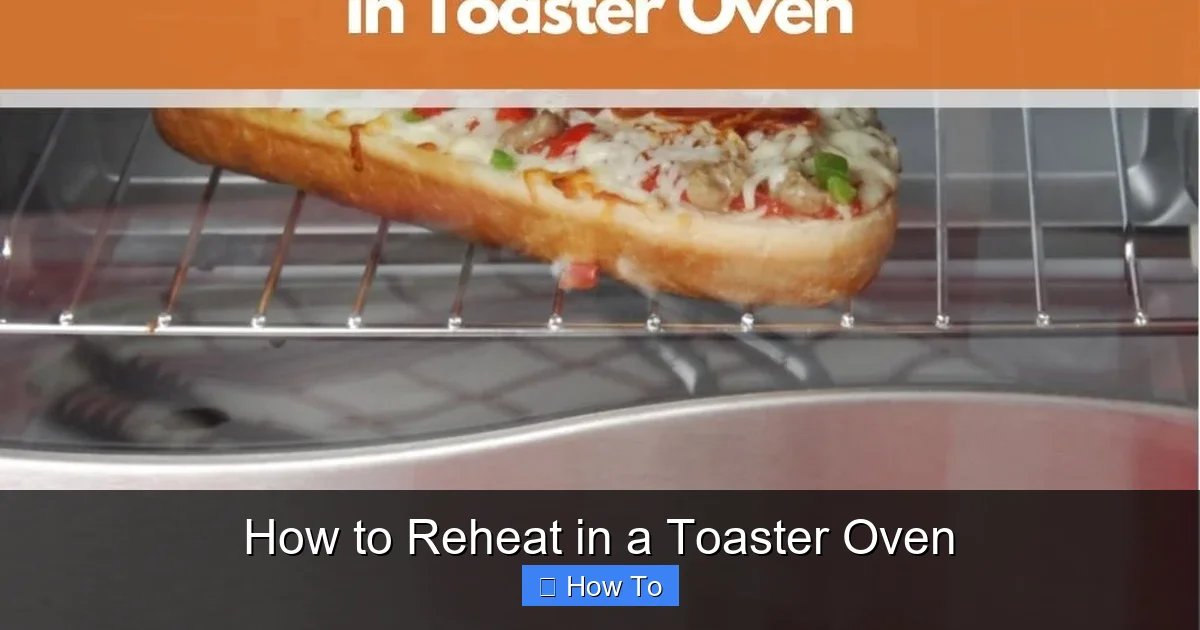
Visual guide about How to Reheat in a Toaster Oven
Image source: bacinos.com
The Basic Reheating Method
First, preheat your toaster oven to 325°F to 375°F. Next, place your food on an oven-safe tray or pan. If you want to keep moisture in, cover the food loosely with aluminum foil. Slide the tray into the oven on the middle rack. Check the food after five to ten minutes. Remove it when it’s hot throughout and crispy on the outside.
That’s the core process. From there, you can adjust time and temperature based on what you’re reheating.
Temperature and Time Guidelines
Different foods need different settings. Here are some general rules to help you get started:
- Pizza: 350°F for five to eight minutes.
- Fried chicken: 375°F for ten to fifteen minutes.
- Casseroles: 325°F for fifteen to twenty-five minutes.
- Roasted vegetables: 350°F for ten to fifteen minutes.
- Bread and pastries: 300°F for three to five minutes.
These are starting points. Toaster ovens vary, so check your food early and often.
Using Foil and Covers
Aluminum foil is your friend when you reheat in a toaster oven. Loosely tenting foil over food traps steam and prevents the top from burning while the inside warms up. Remove the foil during the last two or three minutes if you want the top to crisp up. Just make sure the foil doesn’t touch the heating elements, as that can be a fire hazard.
Reheating Specific Foods
Some leftovers need a little extra care. Here’s how to handle the most common ones.
Visual guide about How to Reheat in a Toaster Oven
Image source: toasterovenlove.com
Pizza and Slices
Pizza is the king of toaster oven reheating. Place the slice directly on the rack or on a small tray. Heat at 350°F for about six minutes. The crust gets crispy again, and the cheese melts without turning rubbery. If you have multiple slices, don’t overlap them. Give each slice room so the heat can circulate.
Fried Foods and French Fries
Fried foods lose their crunch fast in the fridge. A toaster oven brings it back. Spread fries or nuggets in a single layer on a tray. Heat at 375°F for five to ten minutes, shaking the tray halfway through. The result is crispy, not limp.
Casseroles and Baked Pasta
Lasagna, mac and cheese, and other baked dishes reheat beautifully in a toaster oven. Cover the dish with foil to keep it from drying out. Heat at 325°F for twenty minutes or until the center is hot. Remove the foil for the last five minutes to brown the top.
Roasted Vegetables and Potatoes
Roasted potatoes and vegetables can turn mushy in the microwave. In a toaster oven, they stay firm and caramelized. Spread them on a tray in a single layer. Heat at 350°F for ten to fifteen minutes. For more tips on getting that perfect roast, check out this article on how to roast potatoes in a toaster oven. The same principles apply when you’re reheating them.
Meat and Poultry
Sliced chicken, steak, or meatballs can dry out quickly. Cut meat into smaller pieces so it heats faster. Add a splash of broth or water to the pan and cover with foil. Heat at 325°F until warmed through, usually ten to fifteen minutes depending on thickness.
Bread, Pastries, and Baked Goods
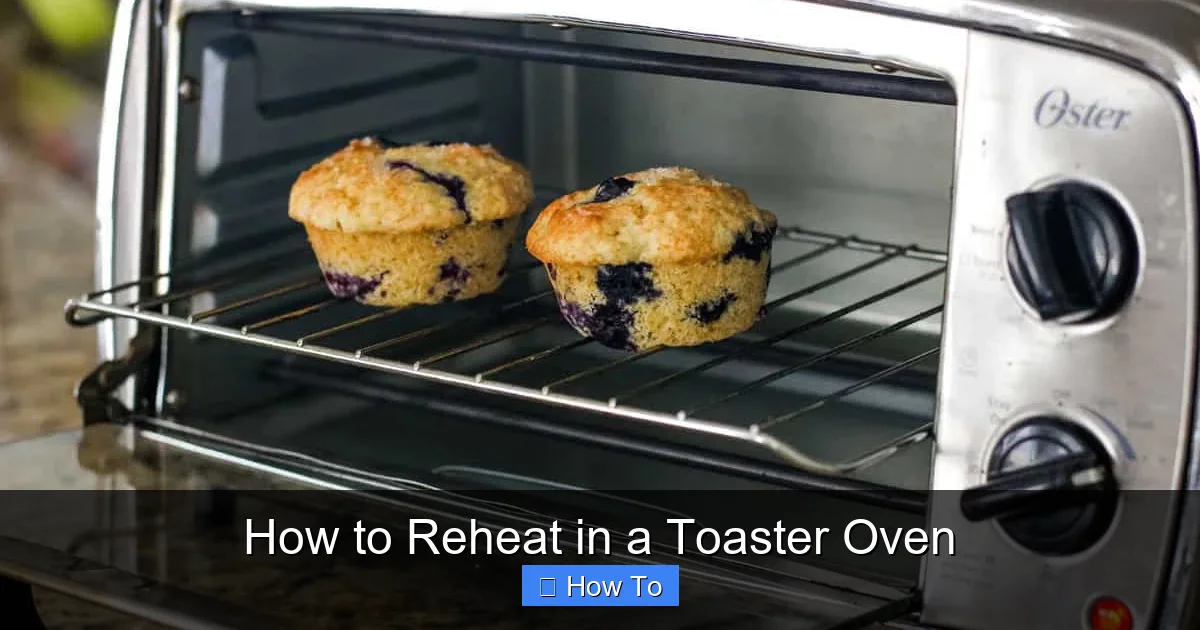
Bread gets stale fast, but a toaster oven can revive it. Wrap bread loosely in foil and heat at 300°F for five minutes. For pastries, heat uncovered at 325°F for three to five minutes. Watch closely so they don’t burn.
Common Mistakes to Avoid
Even a simple appliance like a toaster oven has pitfalls. Here are the most common errors and how to fix them.
Overcrowding the Tray
If you pile food on top of itself, the heat can’t reach every piece. The bottom gets soggy while the top burns. Always spread food in a single layer with space between pieces. If you have a lot to reheat, do it in batches.
Skipping the Preheat
Putting food into a cold oven leads to uneven heating. The outside may overcook while the inside stays cold. Always preheat first. It only takes a few minutes and makes a big difference.
Using Plastic or the Wrong Containers
Plastic containers can melt or release chemicals when heated. Paper plates may catch fire. Stick to oven-safe glass, ceramic, or metal. If you’re not sure what’s safe, refer back to your appliance manual or trusted guides on toaster oven use.
Cleaning Up After Reheating
Reheating can leave crumbs, grease, or cheese spills behind. Cleaning your toaster oven regularly keeps it working well and prevents smoke or odors the next time you use it.
Quick Cleanup Tips
Unplug the toaster oven and let it cool slightly. Remove the crumb tray and dump it out. Wipe the interior with a damp cloth. For stuck-on food, use a little baking soda and water. Avoid harsh chemicals or abrasive scrubbers that can damage the coating.
Dealing with Spills and Splatter
If cheese or sauce drips onto the heating elements, turn off the oven and let it cool completely. Gently scrape off residue with a soft brush or cloth. Regular cleaning prevents buildup that could cause smoke. For model-specific advice, especially if you own a Ninja, read this guide on how to clean a Ninja toaster oven. The tips apply to most toaster ovens and will help yours last longer.
Conclusion
Now you know how to reheat in a toaster oven like a pro. It’s a simple way to bring back the flavor and texture of your favorite leftovers without the sogginess of a microwave. Remember to preheat, use the right pan, and keep an eye on your food so it doesn’t overcook.
Whether it’s pizza, fried chicken, or last night’s casserole, your toaster oven can make it taste fresh again. Give it a try with your next batch of leftovers, and you might find yourself reaching for the toaster oven instead of the microwave every time.
Happy reheating!
Frequently Asked Questions
Can you reheat anything in a toaster oven?
Most solid foods reheat well in a toaster oven, but soups and stews are better on the stovetop. Avoid reheating anything in plastic containers or paper plates unless they are labeled oven-safe.
What temperature should I use to reheat in a toaster oven?
Most foods reheat best between 300°F and 375°F. Delicate items like bread do better at lower temperatures, while fried foods benefit from higher heat around 375°F.
Do I need to cover food when reheating in a toaster oven?
Covering food loosely with foil helps keep moisture in and prevents the top from burning. You can remove the foil near the end if you want the surface to crisp up.
How long does it take to reheat food in a toaster oven?
Reheating usually takes between five and twenty-five minutes depending on the food type and portion size. Always check your food early because toaster ovens heat quickly.
Is it safe to use aluminum foil in a toaster oven?
Yes, aluminum foil is safe as long as it does not touch the heating elements. Use it loosely to cover food or line a tray, but avoid crimping it tightly around the heating coils.
Can I reheat frozen food in a toaster oven?
You can reheat frozen food, but it will take longer than refrigerated leftovers. It’s best to thaw frozen items first or use a lower temperature so the outside doesn’t burn before the inside warms up.