What Does a Convection Toaster Oven Do
A convection toaster oven uses a built-in fan to circulate hot air around food, cooking it faster and more evenly than a standard toaster oven. This versatile countertop appliance can bake, roast, toast, and even air fry, making it a great alternative to a full-size oven for small meals.
Key Takeaways
- Circulates hot air: A built-in fan moves heat around the food for even cooking.
- Cooks faster: Reduces cooking time by up to 25 percent compared to a regular toaster oven.
- Better browning: Creates crispier crusts and more even browning on baked goods and roasted meats.
- Energy efficient: Uses less energy than a full-size oven because it heats a smaller space.
- Versatile cooking: Handles baking, roasting, toasting, broiling, and often air frying in one unit.
- Recipe adjustments needed: Lower temperatures by 25 degrees Fahrenheit and check food earlier than usual.
- Great for small batches: Perfect for cooking for one or two people without heating up a large oven.
📑 Table of Contents
Introduction
If you have ever wondered what a convection toaster oven does, you are not alone. These handy countertop appliances look a lot like regular toaster ovens, but they have a secret weapon inside: a fan. That fan changes everything about how your food cooks. It blows hot air around the food so everything bakes, roasts, and toasts more evenly and usually faster. Think of it as a mini version of the big convection oven in a professional kitchen, but it sits right on your counter and plugs into a standard outlet.
In this guide, we will break down exactly how a convection toaster oven works, what you can cook in it, and why it might be the most useful small appliance in your kitchen. We will also share practical tips to help you get the best results every time you use it. Whether you are reheating pizza, roasting a chicken, or baking cookies, understanding the convection feature will help you cook with confidence.
How a Convection Toaster Oven Works
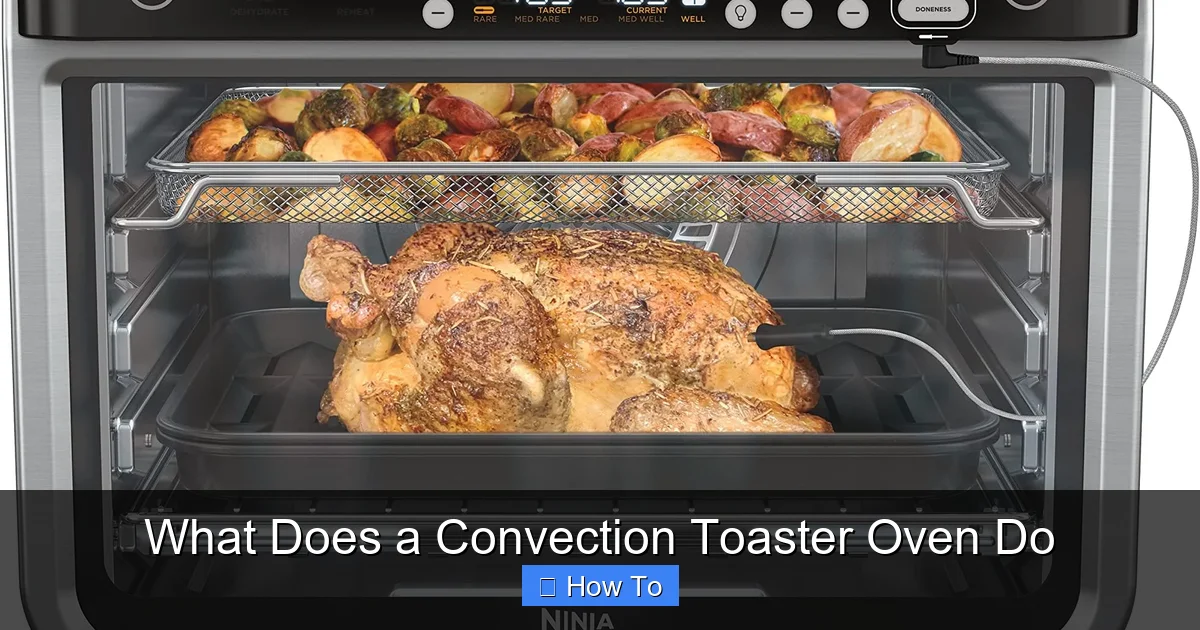
At its core, a convection toaster oven is a regular toaster oven with an added fan and exhaust system. The heating elements (usually top and bottom) warm the air inside the cavity. Then the fan kicks in and circulates that hot air around the food. The exhaust vent pulls out moisture and cooler air. This constant movement of hot air eliminates the cool spots that often happen in a standard toaster oven where the air just sits still.
Visual guide about What Does a Convection Toaster Oven Do
Image source: m.media-amazon.com
The Fan and Exhaust System
The fan is usually located at the back of the oven cavity. When you select a convection setting, the fan turns on automatically. Some models have a single fan speed, while others let you choose between low and high. The exhaust vent works with the fan to vent out steam. This is why convection ovens are so good at crisping things like french fries, chicken skin, or the top of a casserole. The moving air whisks away surface moisture so browning happens faster.
Even Heat Distribution
In a regular toaster oven, the heat rises from the bottom element and sits at the top. The top of your food might burn while the bottom stays pale. The fan in a convection toaster oven pushes that hot air down and around the pan. This means the top, bottom, and sides of your food all get the same heat. You get golden-brown cookies on every rack, not just the middle one. If you have ever baked a tray of cookies in a regular toaster oven and had to rotate the pan halfway through, you will appreciate not having to do that with convection.
Key Benefits of Using a Convection Toaster Oven
The fan does more than just move air. It changes the cooking experience in several practical ways. Here are the biggest benefits you will notice right away.
Faster Cooking Times
Because the hot air is constantly moving, it transfers heat to the food more efficiently. Most foods cook about 20 to 25 percent faster in a convection toaster oven than in a regular one. A frozen pizza that takes 18 minutes in a standard toaster oven might be done in 14 minutes with convection. A batch of cookies might shave 2 to 3 minutes off the bake time. That speed adds up when you are cooking dinner on a busy weeknight. If you want to know more about speed comparisons, check out does a toaster oven cook faster.
Energy Efficiency
A convection toaster oven heats a much smaller space than a full-size wall oven. It also reaches temperature faster because the cavity is tiny. The fan helps it maintain a steady temperature with less energy. If you are cooking for one or two people, using a convection toaster oven instead of heating your big oven can save a noticeable amount on your electricity bill over time. It also keeps your kitchen cooler in the summer.
Better Browning and Crisping
The moving air dries the surface of food quickly. This is the secret to crispy roasted vegetables, crackling chicken skin, and flaky pie crusts. In a regular oven, steam from the food can create a damp layer that prevents browning. Convection blows that steam away. You get that beautiful Maillard reaction (the tasty browning) faster and more evenly. This is also why many convection toaster ovens double as air fryers. The principle is the same: high heat plus fast air equals crunch.
What Can You Cook in a Convection Toaster Oven?
The short answer is almost anything you would cook in a regular oven, just in smaller portions. Because the cavity is compact, you are limited by the size of your pans and the height of the food. But within those limits, the possibilities are huge.
Visual guide about What Does a Convection Toaster Oven Do
Image source: appliancebuyersguide.com
Baking and Roasting
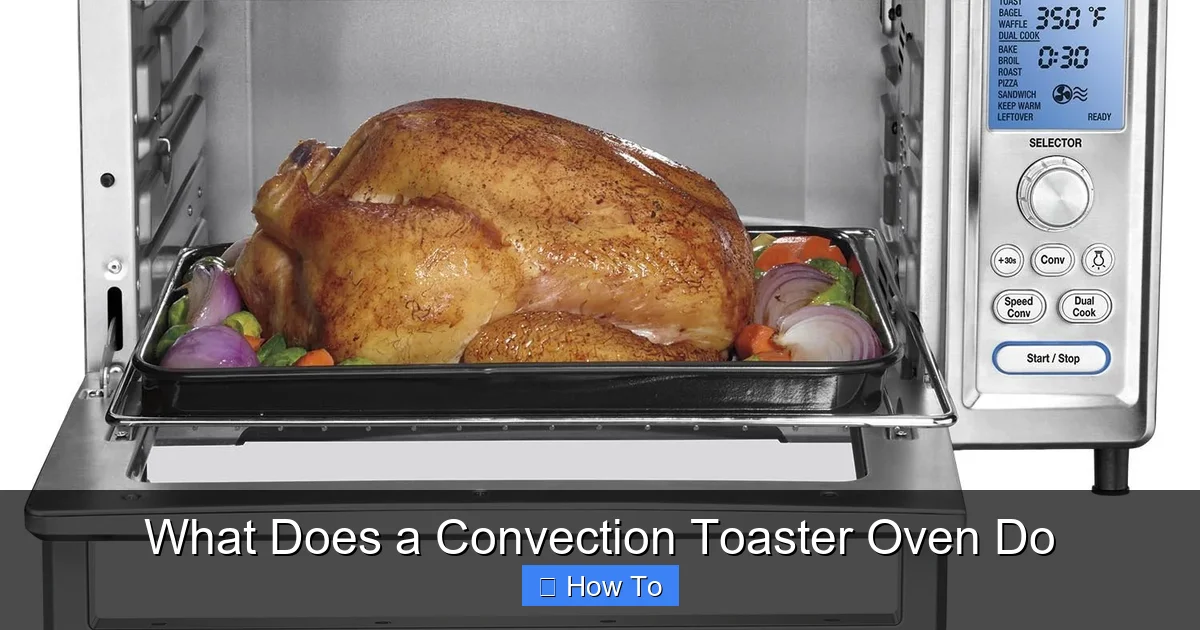
Cookies, muffins, biscuits, and small cakes rise beautifully in convection heat. The even air flow helps them puff up evenly without doming too much in the center. Roasting is where convection really shines. A whole chicken (spatchcocked to fit), a pork tenderloin, or a tray of root vegetables gets deeply browned and juicy. The fan renders fat faster, so chicken skin gets crisp instead of rubbery. For inspiration on specific dishes, see what can a toaster oven cook.
Toasting and Broiling
Yes, it still makes toast. In fact, convection toasting is often more even because the fan hits both sides of the bread. Many models have a dedicated toast setting that uses both elements and the fan. Broiling works well too. The top element gets blazing hot, and the fan spreads that intense heat across the top of a steak, a piece of fish, or an open-faced sandwich. Just watch closely because broiling happens fast in a small space.
Air Frying and Dehydrating
Many modern convection toaster ovens come with an air fry basket or tray. The convection fan is exactly what an air fryer uses. So if your toaster oven has a convection fan, it can air fry. You can make french fries, chicken wings, or roasted chickpeas with very little oil. Some models also have a low-temperature dehydrate setting for making fruit leather, beef jerky, or dried herbs. The fan runs at low speed for hours to pull moisture out slowly.
Convection Toaster Oven vs. Regular Toaster Oven
If you are deciding between a regular toaster oven and a convection model, the differences are pretty clear. The regular one relies on radiant heat from the elements. The convection one adds forced air. That one feature changes temperature settings, cook times, and the types of results you get.
Temperature Adjustments
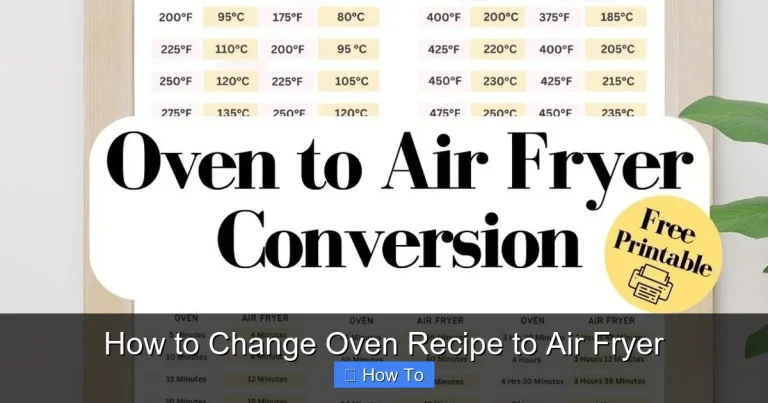
Most recipes are written for conventional ovens. When you use convection, you generally lower the temperature by 25 degrees Fahrenheit. So if a recipe says bake at 375°F, set your convection toaster oven to 350°F. The fan makes the oven feel hotter than it actually is. Some newer models do this conversion automatically when you press the convection button. Check your manual to see if yours does. For more on temperature settings, read what temperature is bake on a toaster oven.
Cooking Time Adjustments
Along with lowering the temperature, you should start checking for doneness about 5 to 10 minutes earlier than the recipe says. Because the fan speeds up heat transfer, food can go from perfect to overdone quickly. The first few times you make a recipe in convection, set a timer for the minimum time and peek through the window. You will quickly learn how your specific model behaves.
Tips for Getting the Best Results
Using a convection toaster oven is easy, but a few simple habits will make your food turn out even better. These tips come from both manufacturer guidelines and real-world kitchen experience.
Use Low-Sided Pans
High-sided pans (like a deep casserole dish) block the airflow. The fan needs to reach the food. Use rimmed baking sheets, shallow roasting pans, or the trays that came with the oven. If you are roasting a chicken, use a low rack set inside a rimmed sheet pan. The air should be able to circulate under and around the food.
Don’t Overcrowd
It is tempting to fill every inch of the rack, but crowded food traps steam. Leave space between pieces of chicken, between cookies, between vegetable chunks. If you have two racks, stagger the pans so one is not directly above the other. Better to cook in two batches than to end up with steamed, soggy food.
Rotate Pans if Needed
Even with a fan, some ovens have hot spots. If you are baking multiple trays of cookies, swap the top and bottom trays halfway through. Rotate each tray 180 degrees too. This ensures every cookie gets the same color. For a single tray in the middle of the oven, you usually do not need to rotate.
Adjust for Your Specific Model
Every convection toaster oven is a little different. The fan power, element wattage, and cavity size all affect cooking. Keep a small notebook or use your phone to jot down what worked: “Chicken thighs at 375°F convection for 25 minutes, perfect.” Next time you will nail it without guessing.
Common Mistakes to Avoid
Even experienced cooks make these mistakes when switching to convection. Avoid them and you will save food and frustration.
Not Adjusting Recipes
Putting a casserole in at the recipe’s stated temperature and time is the number one reason food burns in convection. Always reduce the heat by 25°F and check early. If the recipe is for a conventional oven, assume it needs adjustment. If the recipe is written specifically for convection, follow it exactly.
Blocking the Fan
Placing a large baking sheet directly in front of the fan outlet (usually at the back) blocks airflow. Leave at least an inch of space between the back of your pan and the oven wall. If your oven has a rear fan cover, do not cover it with foil or a pan.
Using the Wrong Cookware
Light-colored, shiny pans reflect heat. Dark pans absorb it. In convection, dark pans can cause over-browning on the bottom. If your cookies are burning on the bottom, switch to a light aluminum sheet or use a silicone baking mat. Glass and ceramic dishes work fine but may need a few extra minutes because they heat slower than metal.
Ignoring the Manual
Your model may have specific quirks. Some fans run on all settings except “toast.” Some have a “convection bake” and a “convection roast” setting with different fan speeds. Read the manual once. It takes 10 minutes and saves hours of trial and error.
Conclusion
A convection toaster oven is a small appliance that punches way above its weight. By adding a fan to move hot air, it cooks faster, browns better, and uses less energy than a regular toaster oven or a full-size oven. It can handle everything from morning toast to a weeknight roast chicken to a batch of cookies for dessert. The learning curve is short: lower the temperature by 25 degrees, check early, and use low-sided pans. Once you get the hang of it, you will find yourself reaching for it every day. If you are still deciding which model to buy, our guide on what toaster oven should I buy can help you compare features and prices. Happy cooking!
Frequently Asked Questions
What is the difference between a convection toaster oven and a regular toaster oven?
A convection toaster oven has a built-in fan that circulates hot air around the food, while a regular toaster oven relies on radiant heat from the elements alone. The fan cooks food faster, more evenly, and produces better browning.
Do I need to adjust cooking times for a convection toaster oven?
Yes. Most recipes written for conventional ovens need a temperature reduction of 25 degrees Fahrenheit and a shorter cook time. Start checking for doneness about 5 to 10 minutes earlier than the recipe suggests.
Can I use aluminum foil in a convection toaster oven?
You can use foil, but do not cover the entire rack or block the fan vent. Use small pieces to cover edges of food (like pie crusts) or line the crumb tray for easy cleanup. Never let foil touch the heating elements.
Is a convection toaster oven the same as an air fryer?
They work on the same principle: a fan circulating hot air. Many convection toaster ovens include an air fry setting and basket. A dedicated air fryer is usually smaller and has a more powerful fan for faster crisping, but a convection toaster oven is more versatile overall.
What pans work best in a convection toaster oven?
Light-colored, low-sided metal pans (aluminum or stainless steel) work best. They allow air to flow freely and promote even browning. Avoid high-sided casserole dishes, dark nonstick pans (which can over-brown), and oversized pans that touch the walls or fan.
Can I bake a cake in a convection toaster oven?
Yes, you can bake cakes, cupcakes, and muffins. Reduce the temperature by 25°F and check for doneness early. The even heat helps cakes rise evenly. Use a pan that fits with at least an inch of space around the sides for airflow.