Hybrid Cookware
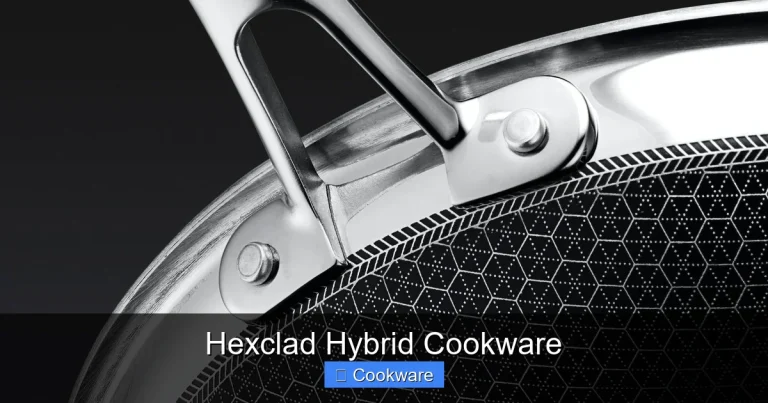
Hybrid cookware blends materials like stainless steel, aluminum, and non-stick coatings to offer superior heat distribution, versatility, and longevity. This innovative kitchen essential adapts to various cooking methods while ensuring easy maintenance and enhanced functionality.
Key Takeaways
- Hybrid cookware combines materials: These pots and pans merge stainless steel, aluminum, or hard-anodized layers for optimal heat retention and even cooking.
- Enhanced heat performance: Multi-layered bases prevent hot spots and ensure consistent temperatures across all surfaces.
- Versatile for all stovetops: Most hybrid cookware works seamlessly on gas, electric, ceramic, and induction cooktops.
- Durable and long-lasting: Constructed with reinforced materials, hybrid cookware resists warping, scratching, and wear over time.
- Easy to clean and maintain: Many models feature non-stick surfaces or dishwasher-safe designs for hassle-free upkeep.
- Investment-worthy quality: While pricier than standard options, hybrid cookware offers long-term value through durability and performance.
- Popular hybrid styles: Deep sauté pans, tri-ply clad sets, and hard-anodized collections dominate the market for their versatility.
📑 Table of Contents
Introduction
Cooking at home can feel like a balancing act. You want pots and pans that heat evenly, don’t stick, and work on any stove. Enter hybrid cookware—a kitchen game-changer that combines the best traits of multiple materials into one powerful tool. Whether you’re searing steaks, simmering sauces, or frying eggs, these multi-layered wonders adapt to your needs.
But what exactly makes hybrid cookware so special? And why should you consider upgrading your kitchen arsenal? Let’s break down everything you need to know about this innovative cookware category, from how it’s built to where you can find the best deals.
What Is Hybrid Cookware?
Hybrid cookware isn’t just a buzzword—it’s a smart design approach. These pots and pans combine two or more materials to create a product that outperforms its single-material counterparts. Think stainless steel exteriors with aluminum cores or non-stick coatings reinforced with ceramic layers.

Visual guide about Hybrid Cookware
Image source: daxstreet.com
Material Combinations Explained
The magic lies in the layers. Stainless steel provides durability and a sleek look, while aluminum ensures even heat distribution. Non-stick coatings add convenience, and hard-anodized aluminum increases scratch resistance. Some models even integrate copper for rapid heating.
Why the Mix Matters
Each material brings unique strengths. Aluminum heats quickly but scratches easily. Stainless steel is tough but can develop hot spots. By combining them, hybrid cookware eliminates weaknesses while maximizing benefits. It’s like having a sports car and a tank in one vehicle.
Types of Hybrid Cookware
Not all hybrid cookware is created equal. Different brands and models focus on specific needs. Here’s a breakdown of the most common types:
Visual guide about Hybrid Cookware
Image source: drivegreenjourney.com
Tri-Ply Clad Stainless Steel
This style sandwiches an aluminum core between two layers of stainless steel. The result? Even heating, no hot spots, and compatibility with all cooktops. Look for sets like the best 12-piece tri-ply clad sets for comprehensive coverage.
Hard-Anodized Hybrid Pans
Hard-anodized aluminum gets electrochemically strengthened, making it tougher than standard aluminum. When paired with non-stick coatings, these pans resist scratches and last longer. Check out the best hard-anodized dishwasher-safe sets for easy cleanup.
Deep Sauté Pans with Lids
These versatile hybrids combine wide bases for searing with deep sides for braising. Many include tempered glass lids for monitoring food. The 5.5-quart hybrid deep sauté pan is perfect for family meals.
Advantages of Hybrid Cookware
Why switch to hybrid cookware? Here’s why it’s worth considering:

Visual guide about Hybrid Cookware
Image source: content.carlelo.com
Superior Heat Distribution
The layered construction ensures heat spreads evenly. No more unevenly cooked pancakes or scorched sauces. Aluminum cores conduct heat rapidly, while stainless steel exteriors stabilize temperatures.
Compatibility Across Cooktops
Unlike pure aluminum or copper, hybrid cookware works on gas, electric, ceramic, and induction stoves. If you’re using an induction cooktop, these pans deliver flawless performance.
Durability Meets Convenience
Hybrid cookware resists warping, scratching, and corrosion. Non-stick variants make cleanup a breeze, while stainless steel versions can handle metal utensils without damage.
Disadvantages of Hybrid Cookware
Every product has its downsides. Here’s what to watch out for:
Higher Upfront Costs
Hybrid cookware often costs more than single-material options. However, its longevity and versatility justify the investment for frequent cooks.
Frequently Asked Questions
What is Hybrid Cookware?
Hybrid Cookware is an important topic with many practical applications.