Induction Cooktop with Integrated Extractor

An Induction Cooktop With Integrated Extractor combines powerful heating with built‑in ventilation, saving space and keeping kitchens smoke‑free. It offers precise temperature control, sleek design, and easy cleanup, making it ideal for modern homes.
Key Takeaways
- Space‑Saving Design: Eliminates the need for a separate hood.
- Quiet Operation: Integrated fan runs smoothly without extra noise.
- Energy Efficiency: Induction heating is faster and uses less power.
- Enhanced Safety: Auto‑shutoff and child‑lock features protect families.
- Easy Installation: Fits standard countertop cutouts with minimal remodeling.
- Stylish Look: Clean lines and hidden vents boost kitchen aesthetics.
- Cost‑Effective: Saves money on separate vent systems and future upgrades.
📑 Table of Contents
What Is an Induction Cooktop With Integrated Extractor?
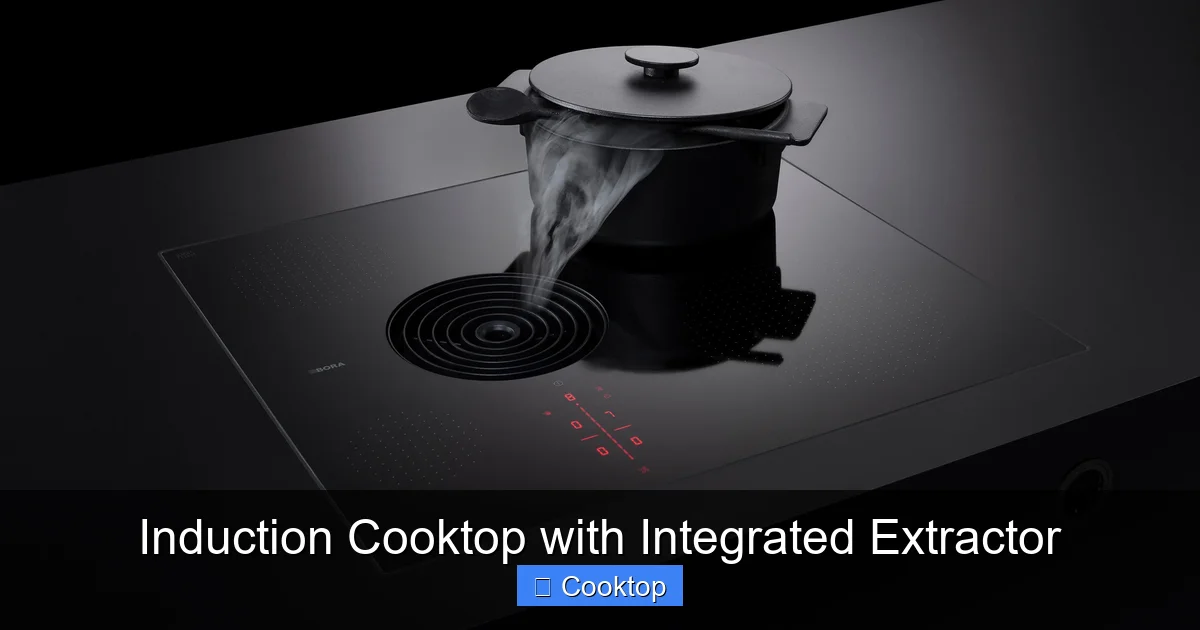
An Induction Cooktop With Integrated Extractor is a single‑piece kitchen appliance that merges a high‑performance induction surface with a built‑in exhaust fan. Instead of mounting a separate hood above the cooktop, the ventilation system is hidden inside the unit itself. This design pulls steam, smoke, and cooking odors directly into the cooktop, then expels them through a duct or vent. The result is a cleaner countertop, fewer visible appliances, and a streamlined look that fits modern open‑concept kitchens.
How It Differs From Traditional Setups
Traditional kitchens pair a separate gas or electric cooktop with an external range hood. While effective, this setup adds visual clutter and requires additional ductwork. With an integrated extractor, the fan is engineered to sit beneath the cooking surface, drawing air through a sealed chamber before it leaves the kitchen. This proximity improves capture efficiency, especially for high‑heat searing or stir‑frying, where steam rises quickly.
How the Integrated Extractor Works
The magic happens in three simple steps. First, the induction coils generate a magnetic field that heats only compatible cookware, leaving the surrounding surface cool. Second, a silent fan draws air through a grated vent located directly behind the cooking zones. Finally, the air passes through a multi‑layer filter that traps grease particles before it is vented outdoors or recirculated, depending on the model. Some units even offer a boost mode that ramps up suction when detecting high steam levels.
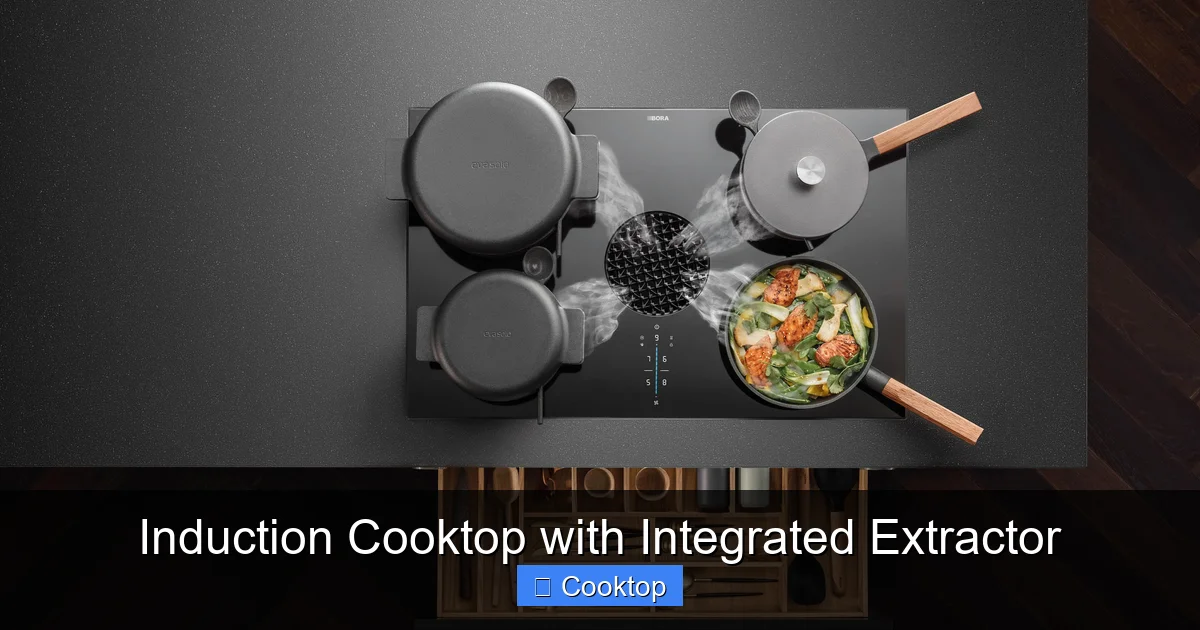
Visual guide about Induction Cooktop with Integrated Extractor
Image source: image.architonic.com
Key Components Inside
Understanding the inner workings helps you troubleshoot and maintain the unit. The main parts include:
- Induction coils: Provide rapid, precise heating.
- Fan motor: Quiet, energy‑efficient, often with multiple speed settings.
- Filter system: Usually a stainless‑steel or charcoal filter that captures grease.
- Control panel: Touch‑sensitive or rotary knobs that adjust heat and fan speed simultaneously.
Benefits Over Separate Ventilation Systems
Choosing an Induction Cooktop With Integrated Extractor brings several advantages that appeal to both home chefs and design‑savvy households.
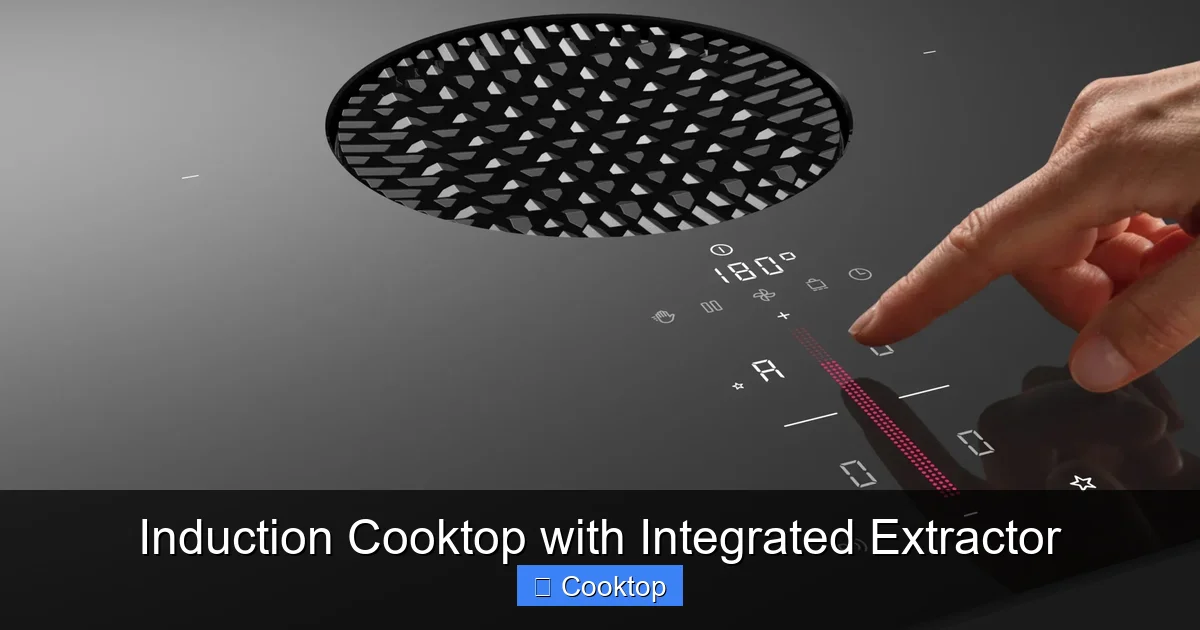
Visual guide about Induction Cooktop with Integrated Extractor
Image source: roberttimmonsfurniture.co.uk
Space Optimization
Because the ventilation hardware is built into the cooktop, you free up wall space that would otherwise be occupied by a bulky hood. This opens the kitchen for more cabinetry, a larger island, or simply a cleaner aesthetic.
Improved Air Quality
Being directly above the cooking surface means the extractor captures contaminants at the source. Studies show that integrated systems can reduce airborne grease by up to 30% compared to distant hoods, leading to fresher indoor air.
Energy Savings
Induction heating is inherently more efficient than gas or traditional electric coils, converting up to 90% of electricity into usable heat. When paired with a fan that only runs when needed, overall household energy consumption drops noticeably.
Enhanced Safety Features
Many models include automatic shut‑off when the fan detects a blockage, child‑lock controls, and surface‑temperature sensors that prevent accidental burns. These safety layers are especially valuable in families with young children or pets.
Key Features to Look For
Not all integrated extractor cooktops are created equal. Here are the features that separate the good from the great.
Visual guide about Induction Cooktop with Integrated Extractor
Image source: image.architonic.com
Ventilation Capacity
Measured in cubic feet per minute (CFM), a higher rating means stronger suction. For most residential kitchens, a CFM of 300‑400 is sufficient, but if you frequently fry or grill, aim for 500 CFM or more.
Noise Level
Even the best fan can be loud. Look for units that advertise noise levels below 50 decibels for whisper‑quiet operation.
Filter Type and Accessibility
Stainless‑steel filters are dishwasher safe and last longer than charcoal filters, which need regular replacement. Easy‑access panels make cleaning a breeze.
Smart Controls
Wi‑Fi enabled models let you adjust heat and fan speed from a smartphone app. Some even integrate with voice assistants for hands‑free control.
Design and Finish
Stainless steel, black glass, and matte finishes each bring a different vibe. Choose a finish that complements your existing cabinets and countertops for a seamless look.
Installation and Space Planning
Installing an Induction Cooktop With Integrated Extractor is similar to setting up a standard cooktop, but there are a few extra considerations.
Cutout Dimensions
Manufacturers provide exact cutout sizes, typically ranging from 30 to 36 inches wide. Verify that your countertop opening matches these dimensions before ordering.
Ventilation Path
Some units vent to the outside through a dedicated duct, while others recirculate air using an internal filter. If you plan to vent externally, ensure there is a clear path to the outside wall or roof.
Electrical Requirements
Induction cooktops require a dedicated 240‑volt circuit. Hire a licensed electrician to install the proper wiring and breaker to avoid overloads.
Professional vs. DIY
While a competent DIYer can handle the cutout and basic wiring, connecting the vent to the exterior often requires a contractor. Improper venting can lead to back‑drafting and reduced efficiency.
Maintenance Tips and Troubleshooting
Regular upkeep keeps your integrated extractor performing at peak levels.
Cleaning the Filter
Most stainless‑steel filters can be removed and washed in the dishwasher. For charcoal filters, replace them every 6‑12 months, depending on usage.
Checking the Fan
Listen for unusual noises that may indicate a loose blade or motor issue. Turn off power, remove the grille, and inspect for debris.
Resetting the System
Many units have a reset button that clears error codes. If the cooktop displays a “Vent Error,” consult the user manual for model‑specific steps.
Periodic Inspection
Every few months, wipe down the glass surface with a non‑abrasive cleaner. Avoid harsh chemicals that could damage the coating.
Real‑World Examples and Practical Tips
Here are a few scenarios where an Induction Cooktop With Integrated Extractor shines.
Open‑Concept Apartments
In small apartments, every inch counts. A built‑in extractor eliminates the need for a separate hood, giving you more wall space for shelving or artwork.
Entertaining Guests
When hosting dinner parties, you can keep the kitchen looking immaculate. The quiet fan runs in the background while you focus on serving, and there’s no lingering fried‑onion smell drifting into the living room.
Frequent Stir‑Frying
High‑heat wok cooking produces a lot of steam. An integrated extractor with a high CFM rating captures the vapor instantly, preventing a soggy ceiling and keeping the kitchen air fresh.
Family Cooking Zones
Some families use multiple burners simultaneously. The integrated system can handle concurrent fan operation without overheating, ensuring consistent performance even during busy meals.
Conclusion
Choosing an Induction Cooktop With Integrated Extractor is more than a style statement; it’s a practical upgrade for any modern kitchen. By combining efficient heating with built‑in ventilation, you gain space, safety, and energy savings without sacrificing performance. Whether you’re renovating a compact apartment or designing a chef‑grade home kitchen, this all‑in‑one solution delivers the convenience of a single appliance that works harder for you. Explore the latest models, match the features to your cooking habits, and enjoy a cleaner, quieter, and more stylish cooking experience.
Related Resources
For deeper dives into complementary topics, check out these articles:
- Best 30 Inch Induction Cooktop With Downdraft 3: Learn how downdraft options compare to integrated extractors.
- Best 36 Induction Cooktop With Downdraft Ventilation: Discover larger‑format units that offer similar ventilation power.
- Best Hybrid Gas Stove With Induction Cooktop: Explore hybrid models that blend traditional gas burners with induction zones.
Frequently Asked Questions
What is an induction cooktop with integrated extractor?
It is a cooking surface that uses magnetic heating and includes a built‑in ventilation fan to pull out steam and odors.
Do I need special cookware for an induction cooktop?
Yes, you need cookware made of ferrous metal such as cast iron or magnetic stainless steel.
How often should I clean the filter?
Most stainless‑steel filters can be washed monthly, while charcoal filters typically need replacement every 6‑12 months.
Can I install the unit myself?
Basic cutout and wiring can be DIY if you are comfortable, but connecting the vent to the outside usually requires a professional.
Is the noise level noticeable?
Modern models operate below 50 decibels, which is comparable to a quiet conversation and generally not disruptive.
Does the integrated extractor improve indoor air quality?
Yes, because it captures contaminants at the source, reducing grease particles and odors in the kitchen air.
Similar Posts
4 Burner Electric Cooktop
Explore the 4 Burner Electric Cooktop: key features, installation tips, and why it’s a smart upgrade for any kitchen. Learn more now!
Wolf 36 Induction Cooktop
Experience the power of the Wolf 36 Induction Cooktop. Discover its sleek design, precise temperature control, and energy efficiency. Learn why this cooktop …
Airhood Induction Cooktop
Discover the Airhood Induction Cooktop – a sleek, ventless cooking solution that combines high‑performance induction with built‑in airflow for smoke‑free kit…
Bosch 800 Induction Cooktop
Discover the Bosch 800 Induction Cooktop: precision cooking, energy efficiency, and sleek design. Perfect for modern kitchens. Learn key features and benefit…
Kenmore Electric Cooktop
Comprehensive guide about Kenmore Electric Cooktop. Learn everything you need to know.
Single Burner Electric Cooktop
Explore the Single Burner Electric Cooktop: compact, powerful, easy‑clean design perfect for small kitchens, dorms, and travel. Learn features and top picks.