Is a Air Fryer Like a Oven
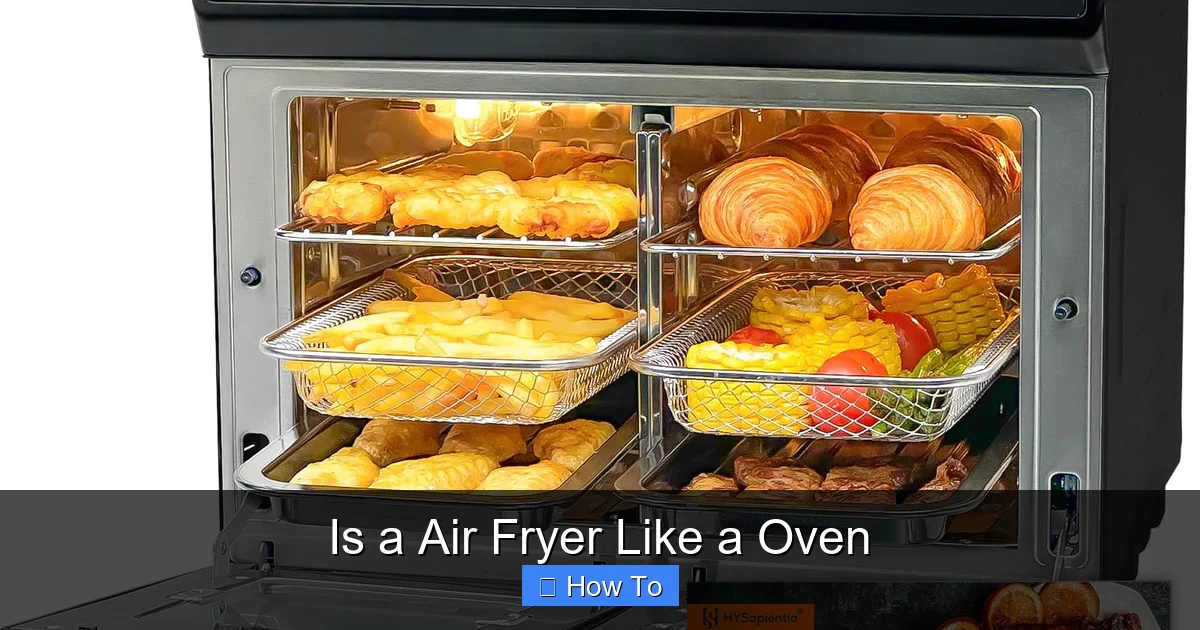
While air fryers and ovens share some cooking principles, they’re definitely not identical kitchen appliances. An air fryer is essentially a compact countertop convection oven that circulates hot air at high speed to crisp food with little to no oil. The main differences lie in size, cooking time, and the intensity of heat circulation, making each better suited for specific types of meals and cooking scenarios.
Key Takeaways
- Point 1: Air fryers are compact countertop appliances that use rapid air circulation technology to cook food, while ovens are larger built-in or standalone units with various heating elements.
- Point 2: Both appliances can crisp, bake, and roast food, but air fryers typically achieve crispiness faster and with less oil than traditional ovens.
- Point 3: Air fryers cook food much faster than conventional ovens due to their smaller size and powerful fans, often cutting cooking times by 20-30%.
- Point 4: While you can cook many of the same foods in both appliances, air fryers excel at small portions and quick meals, whereas ovens are better for large batches and complex recipes.
- Point 5: Temperature conversion between air fryer and oven settings is important since air fryers typically run hotter and more efficiently than conventional ovens.
📑 Table of Contents
Understanding What Makes an Air Fryer Special
When you first hear about air fryers, it’s easy to think they’re just miniature ovens with a fancy name. But there’s actually some clever technology happening inside that makes them quite different from your standard kitchen oven. An air fryer works by using a powerful fan to circulate extremely hot air around your food at high speed. This rapid air circulation creates a crispy exterior similar to deep-frying, but without all the oil.
The key component is that little basket where you place your food. This basket allows the hot air to flow freely around every surface of your meal, ensuring even cooking and that coveted crunchy texture we all love. Unlike a conventional oven where heat rises and can create hot spots, an air fryer’s design ensures consistent airflow throughout the cooking chamber.
This means foods like french fries, chicken wings, and even vegetables can achieve that restaurant-quality crispiness without being submerged in oil. It’s why air fryers have become so popular among health-conscious cooks who still want that satisfying crunch in their favorite comfort foods.
How Air Fryers Actually Work
The magic happens through what’s called the Maillard reaction. When hot air moves rapidly over food surfaces, it causes chemical changes that create browning and that irresistible crispy texture. The fan in an air fryer typically runs at much higher speeds than a convection oven’s fan, which is why you get such excellent results.
Most air fryers operate between 180°F to 400°F (82°C to 204°C), which covers the temperature range needed for most cooking tasks. The compact chamber means the air heats up quickly and stays consistently hot, reducing cooking times significantly compared to waiting for a full-size oven to preheat and maintain temperature.
Comparing Cooking Methods and Results

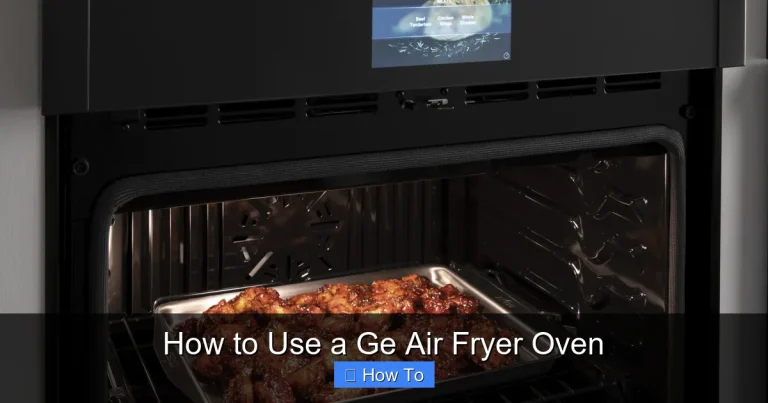
Visual guide about Is a Air Fryer Like a Oven
Image source: lianaskitchen.co.uk
One of the biggest questions people ask is whether an air fryer can truly replace an oven. The honest answer is: it depends on what you’re making. For smaller portions and quick meals, an air fryer often produces better results with less effort. But for large family dinners or complex baking projects, you’ll probably still reach for your oven.
Let’s talk about some specific examples. If you’re making chicken tenders for two people, the air fryer will give you perfectly crispy results in about 15 minutes. In a conventional oven, the same batch might take 25-30 minutes and require more oil to achieve similar crispiness. However, if you’re feeding a crowd of eight people, you’d need to cook in multiple batches in your air fryer, while the oven can handle everything at once.
Baking Capabilities Comparison
When it comes to baking, the differences become more apparent. Traditional ovens excel at items like cakes, bread, and casseroles that benefit from gentle, even heat distribution over longer periods. The larger cooking chamber allows for proper rising and browning that air fryers struggle to replicate.
Air fryers work well for simple baked goods like cookies, muffins, or small cakes, but you’re limited by the basket size. You also might notice that items bake faster and can brown more quickly on the outside while remaining undercooked inside if you’re not careful about temperature adjustments.
Size and Capacity Considerations
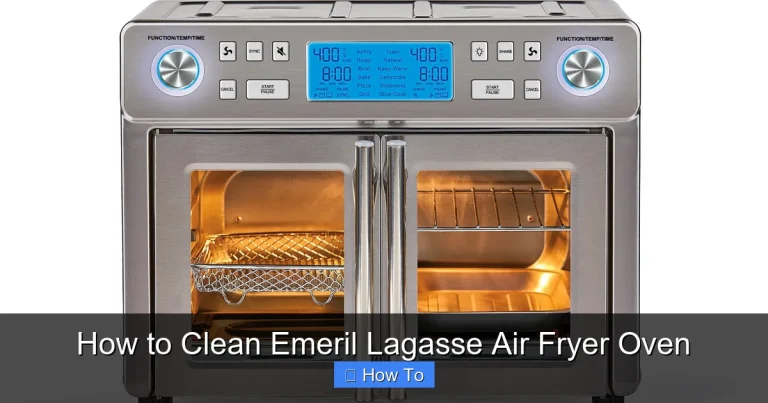
Visual guide about Is a Air Fryer Like a Oven
Image source: m.media-amazon.com
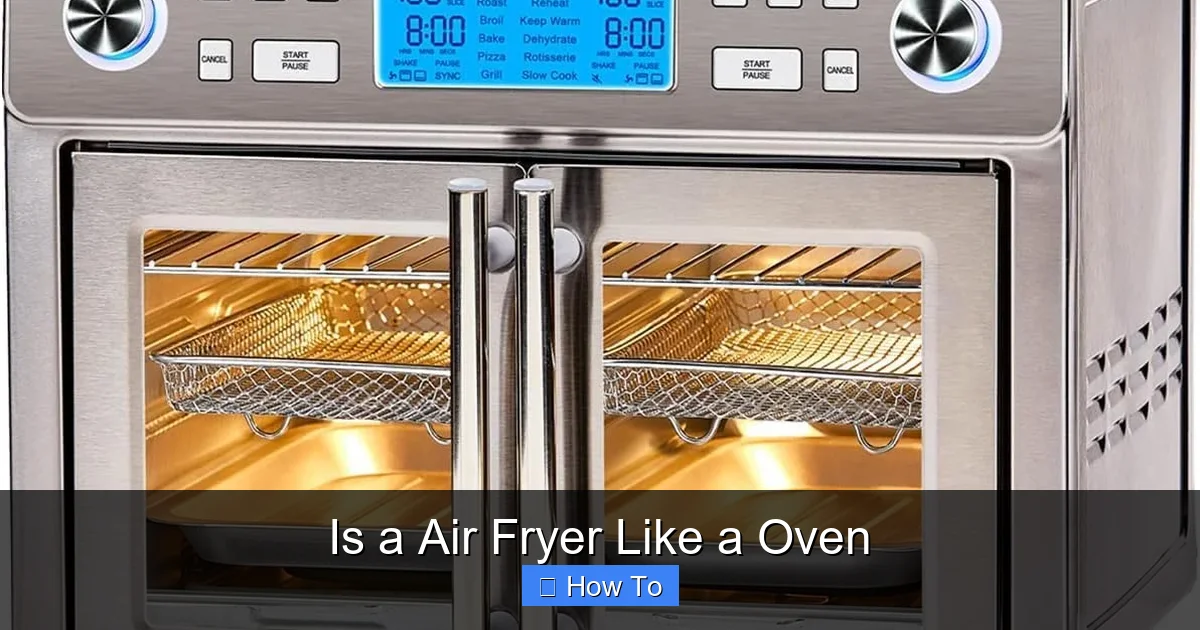
This is where the rubber meets the road when comparing air fryers to ovens. Your typical air fryer has a basket capacity ranging from 2 to 5 quarts, which translates to roughly 1-4 servings depending on what you’re cooking. A medium-sized baking sheet won’t even fit in most air fryer baskets.
Standard ovens, on the other hand, offer anywhere from 3 to 6 cubic feet of cooking space. That’s enough room to cook a whole turkey, multiple sheet pans of vegetables, or several dishes simultaneously. If you regularly cook for more than 2-3 people, you’ll find yourself using the oven more often than not.
However, the compact size of air fryers isn’t just a limitation—it’s also a benefit. The smaller cooking chamber heats up quickly and maintains temperature better, leading to more consistent results for individual portions. Plus, cleanup is usually much easier since there’s less surface area to clean.
Space-Saving Benefits
For apartment dwellers or those with small kitchens, the space-saving aspect of air fryers cannot be overstated. These appliances typically sit on the counter and take up minimal space compared to a full-sized oven range. Even wall ovens require significant cabinetry and installation considerations.
Many people find that having both appliances works well—they use the air fryer for quick weekday meals and the oven for weekend cooking or entertaining. This combination gives you maximum flexibility without requiring you to choose just one method.
Energy Efficiency and Cooking Speed
Visual guide about Is a Air Fryer Like a Oven
Image source: airfryeraid.com
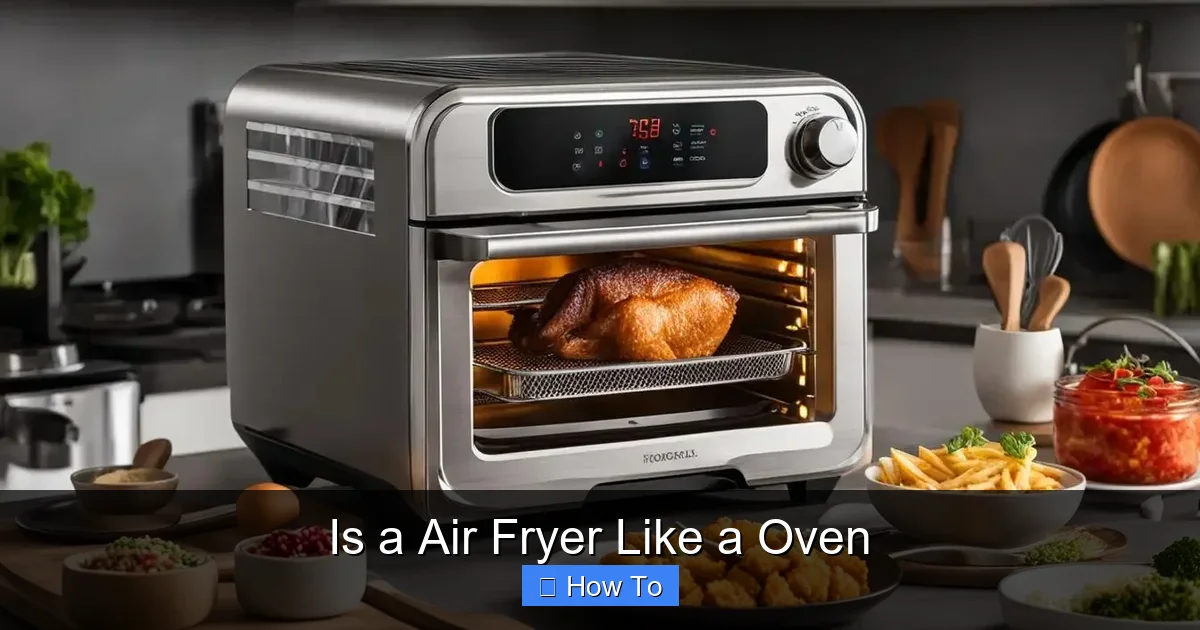
If you’re wondering about the cost implications, air fryers generally win hands down in terms of energy efficiency. Because they’re smaller and heat up much faster, they consume significantly less electricity than a full-sized oven. You won’t believe how quickly you can go from frozen french fries to crispy perfection in an air fryer.
Most air fryers preheat in 2-3 minutes compared to 10-15 minutes for a conventional oven. This speed advantage compounds when you consider that cooking times are also reduced by 20-30%. That means dinner can be ready in half the time it would take using your oven.
However, there’s a caveat here. If you’re cooking for multiple people and need to do several batches in your air fryer, the total cooking time might actually exceed what you’d spend using the oven for everything at once. It’s one of those situations where the convenience factor has to be weighed against pure efficiency.
Cost Considerations Over Time
While air fryers typically cost less upfront than high-end ovens, the real savings come from reduced energy consumption. Running an air fryer for 30 minutes costs pennies compared to heating a large oven cavity. Over time, this can add up to meaningful savings on your utility bills.
Additionally, many people find they use less oil when cooking with air fryers, which not only saves money but also contributes to healthier eating habits. Those small amounts of oil you’d normally use for roasting vegetables or cooking chicken add up over months of regular use.
Temperature Settings and Conversion Tips
One of the trickiest aspects of using an air fryer is understanding how temperatures translate from your regular oven recipes. As a general rule, you should reduce the temperature by 25°F to 50°F when converting oven recipes for your air fryer. So if a recipe calls for 400°F in the oven, try 375°F in your air fryer.
Cooking times also need adjustment. Start checking your food 5-10 minutes earlier than the recipe suggests, especially for items that were originally designed for conventional ovens. The rapid air circulation means food cooks faster and can go from perfectly done to overcooked in a hurry.
Practical Conversion Examples
Let’s look at some real-world conversions. If you have a recipe for roasted chicken that calls for 350°F for 45 minutes in the oven, try 325°F for 30-35 minutes in your air fryer. For cookies that bake at 375°F for 12 minutes, try 350°F for 8-10 minutes. Always keep an eye on your food during the first few tries until you get a feel for how your particular air fryer behaves.
It’s also worth noting that air fryers don’t require preheating like traditional ovens do. While some newer models do offer preheat functions, most air fryers heat up so quickly that you can simply add your food once the unit reaches temperature.
When to Choose Each Appliance
So when should you reach for your air fryer versus your oven? The answer largely depends on portion size, cooking time requirements, and the type of food you’re preparing. For quick weekday meals serving 1-3 people, the air fryer is hard to beat. It’s perfect for reheating leftovers, cooking frozen appetizers, or preparing small portions of your favorite proteins.
For larger gatherings, holiday meals, or complex baking projects, the oven remains your best friend. You simply can’t fit a 12-pound turkey or multiple casserole dishes in an air fryer basket. The oven also excels at slow-cooking methods and maintaining consistent temperatures over long periods.
Meal Planning Considerations
Think about your typical weekly cooking routine. If you often find yourself cooking just for yourself or your partner, investing time in learning your air fryer’s quirks will pay off significantly. You’ll save time, energy, and probably eat healthier since you’re less likely to order takeout when dinner can be ready in 15 minutes.
However, if you regularly host dinner parties or cook large family meals, you’ll want to maintain proficiency with your oven. Many experienced cooks actually use both appliances together—perhaps roasting a large cut of meat in the oven while preparing side dishes in the air fryer.
Conclusion: Making the Right Choice for Your Kitchen
While an air fryer shares some similarities with an oven, particularly a convection oven, they serve different purposes in the modern kitchen. An air fryer is essentially a specialized tool designed for quick, efficient cooking of smaller portions with minimal oil. It excels at creating crispy textures and reducing cooking times for everyday meals.
Your traditional oven remains indispensable for large-scale cooking, complex baking projects, and meals that require sustained heat over extended periods. The good news is that you don’t necessarily have to choose between them. Many successful home cooks use both appliances strategically, leveraging the strengths of each for different cooking scenarios.
If you’re still unsure whether an air fryer fits your lifestyle, consider starting with a smaller, budget-friendly model. This lets you experiment with the cooking method without a huge investment. You might discover that certain foods taste better and require less effort when prepared in an air fryer, while others are best left to your trusted oven.
The key is understanding that these appliances complement rather than compete with each other. By learning when to use each tool, you’ll expand your culinary capabilities and have more delicious options at your fingertips. Whether you’re reheating leftovers, preparing a quick weeknight dinner, or hosting a holiday feast, having both an air fryer and an oven gives you maximum flexibility in the kitchen.
Frequently Asked Questions
Can I cook everything in an air fryer that I would normally cook in an oven?
While many foods can be successfully cooked in both appliances, air fryers have limitations in size and certain cooking methods. Items like large roasts, multiple sheet pans of vegetables, or delicate baked goods may not work well in an air fryer due to space constraints and intense air circulation.
Do I need to adjust cooking times and temperatures when using an air fryer?
Yes, you should typically reduce both temperature (by 25-50°F) and cooking time (by 20-30%) when converting oven recipes for an air fryer. The rapid air circulation cooks food faster, so it’s important to check doneness earlier than the recipe suggests.
Is an air fryer healthier than a conventional oven?
Air fryers can be healthier since they require little to no oil to achieve crispy results, while oven cooking often benefits from oil for proper browning. However, the health difference depends more on the specific foods and cooking methods rather than the appliance itself.
Can I use my regular oven cookware in an air fryer?
You can use oven-safe items like small baking dishes or foil packets in an air fryer, but avoid metal utensils that could damage the non-stick coating. The basket itself is usually the best cookware for air frying, though some models come with additional accessories.
How much food can I actually fit in an air fryer?
Air fryer capacity varies by model, typically ranging from 2-5 quarts. This generally translates to 1-4 servings depending on the food, meaning you’ll likely need to cook in batches for larger families or meal prep.
Should I replace my oven with an air fryer?
Most people find that having both appliances works best since they serve different purposes. Air fryers excel at quick, small-batch cooking, while ovens are essential for large meals and complex baking. Consider keeping both for maximum kitchen flexibility.