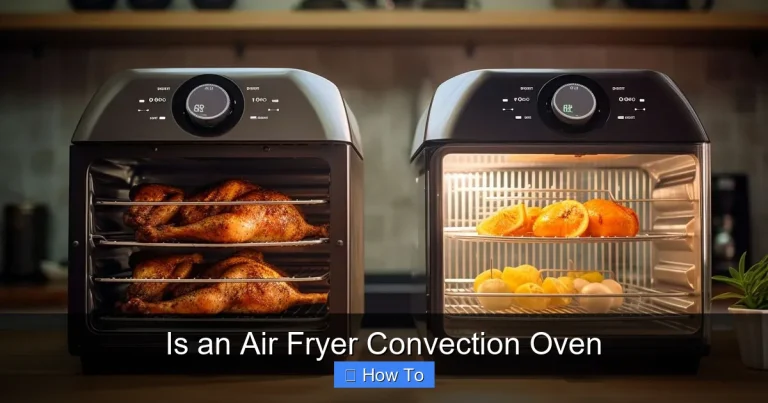
Is a Toaster Oven Like a Regular Oven
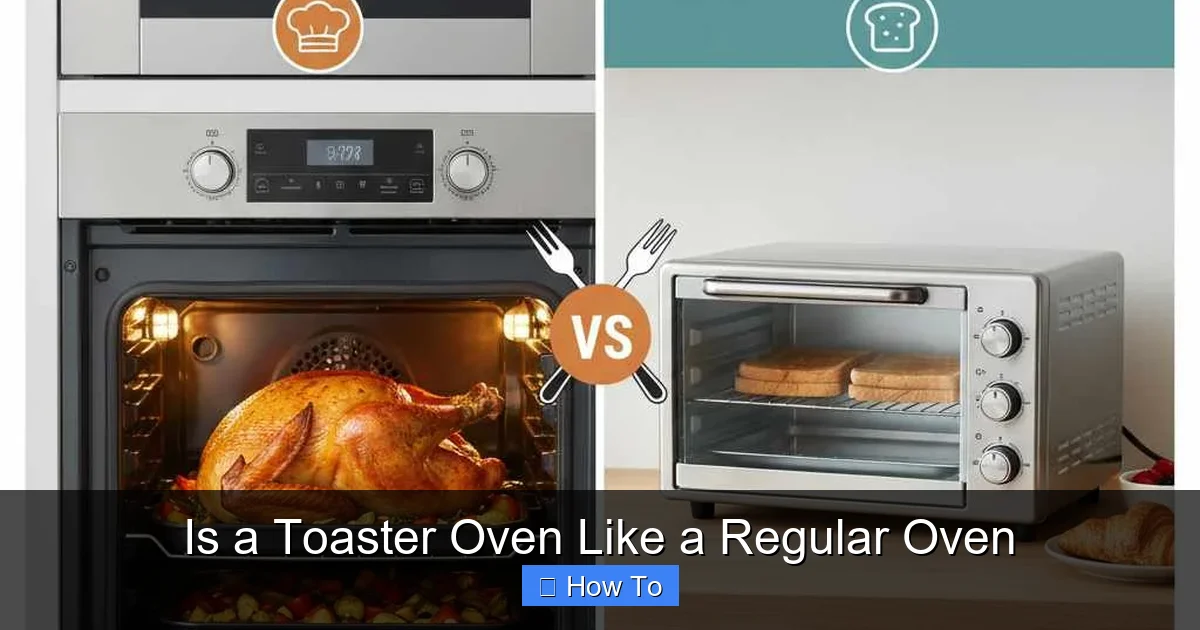
While a toaster oven shares the basic heating concept of a regular oven, it is far more compact, heats up much faster, and uses significantly less energy. It excels at small-batch cooking, toasting, and quick meals, whereas a regular oven is better suited for large dishes, baking multiple items at once, and maintaining consistent temperatures for longer recipes. Choosing between them depends on your kitchen space, typical meal sizes, and energy efficiency needs.
Key Takeaways
- Size and Capacity: A toaster oven is designed for countertop use and holds much smaller portions compared to a spacious regular oven.
- Preheat and Cooking Speed: Toaster ovens reach cooking temperature in minutes, making them much faster for small meals than a regular oven.
- Energy Efficiency: Running a toaster oven uses far less electricity than heating up a large regular oven for single servings.
- Functionality: Many modern toaster ovens feature convection fans, broiling, and air-frying capabilities that mimic larger ovens.
- Best Use Cases: Choose a toaster oven for toast, pizzas, and small dinners; opt for a regular oven for large roasts, cookies, and casseroles.
📑 Table of Contents
- Is a Toaster Oven Like a Regular Oven? Understanding the Core Differences
- Size and Capacity: How Much Can You Fit Inside?
- Heating Speed and Temperature Control
- Energy Efficiency and Running Costs
- Cooking Performance: What Can You Actually Bake?
- Versatility: More Than Just a Toaster
- Safety and Kitchen Layout Considerations
- Conclusion: Which One Should You Choose for Your Kitchen?
Is a Toaster Oven Like a Regular Oven? Understanding the Core Differences
When you stand in your kitchen in the morning, you might wonder if a countertop toaster oven is just a tiny version of your large regular oven. They both use electricity to heat up and cook food, but they are designed for very different tasks. Understanding their differences can help you cook better meals, save time, and even save money on your energy bills. Let us explore how these two appliances work and when you should use each one.
At first glance, a toaster oven and a regular oven look somewhat similar. They both have metal racks, glass doors, and heating elements that glow red when turned on. However, their size, cooking speed, and overall performance vary greatly. A regular oven is a heavy-duty workhorse built for large family meals, while a toaster oven is a fast, compact helper for quick daily tasks. Let us dive into the details of how these two appliances compare in everyday life.
Size and Capacity: How Much Can You Fit Inside?
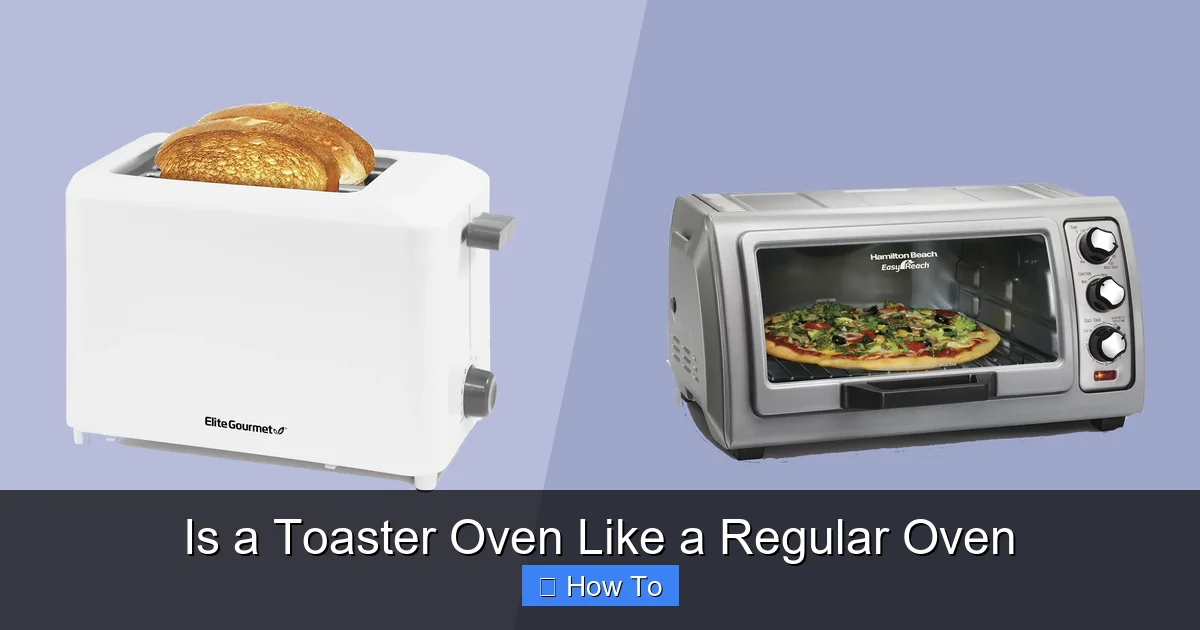
The most obvious difference between a toaster oven and a regular oven is the size. A regular oven is built into your kitchen wall or sits under your stove. It is designed to hold large roasts, multiple cookie sheets, and family-sized casseroles. You can easily cook a whole turkey, bake dozens of cookies, or roast a large tray of vegetables all at the same time.
Visual guide about Is a Toaster Oven Like a Regular Oven
Image source: cdn.mos.cms.futurecdn.net
A toaster oven, on the other hand, sits on your countertop. It is designed for compact spaces and small households. You can easily fit a small personal pizza, a tray of chicken wings, or a couple of slices of bread. If you are cooking for one or two people, a toaster oven is often the perfect size. But if you are feeding a large family or baking for a party, you will need the extra space of a regular oven.
Countertop Footprint vs. Built-In Space
Before buying a toaster oven, you must measure your counter space carefully. Some modern models are quite wide and can take up a lot of room, especially if you also use your counter for food prep. A regular oven does not use countertop space, but it requires a dedicated cabinet space, professional installation, and proper ventilation. If you have a small kitchen, a toaster oven can be a lifesaver because it slides away or can be stored when not in use. A regular oven is a permanent fixture that you cannot move, but it offers unmatched volume for large-scale cooking.
Heating Speed and Temperature Control
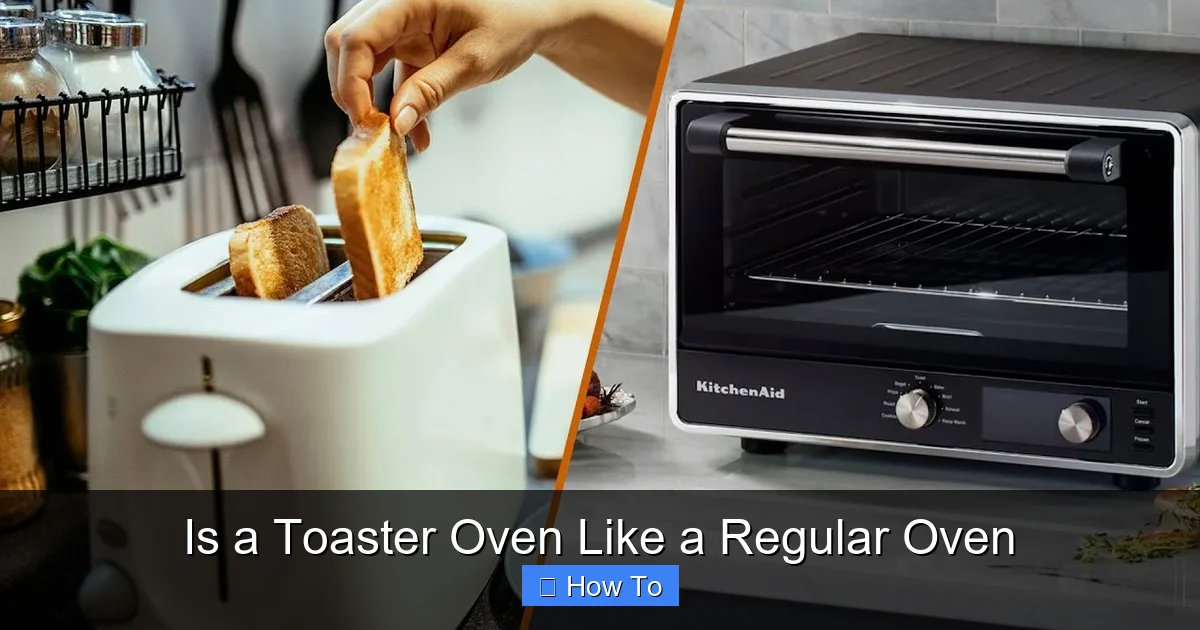
How fast an appliance heats up is a major factor in your daily cooking routine. A regular oven takes a long time to preheat. You have to turn it on, wait ten to fifteen minutes for the air to heat up, and then put your food inside. This delay can be frustrating when you are hungry and want a quick meal after a long day at work.
Visual guide about Is a Toaster Oven Like a Regular Oven
Image source: i.ytimg.com
A toaster oven heats up much faster. Because the cooking chamber is small and the heating elements are close to the food, it reaches cooking temperature in just a few minutes. This quick heating makes it ideal for small tasks like melting cheese, reheating leftovers, or baking a single serving of roasted broccoli. You do not have to wait as long, which makes a huge difference when you are short on time.
How the Heating Elements Work
In a regular oven, the heating elements are usually at the bottom and top of a large chamber. The heat circulates through a large volume of air, which takes time to warm up evenly. In a toaster oven, the elements are very close to the food. This proximity allows heat to transfer quickly, reducing cooking times significantly for small portions. However, because the elements are so close, you may need to watch your food closely to prevent burning. A regular oven offers more stable temperature control over a larger volume, while a toaster oven can heat unevenly if you do not rotate the pan halfway through cooking.
Energy Efficiency and Running Costs
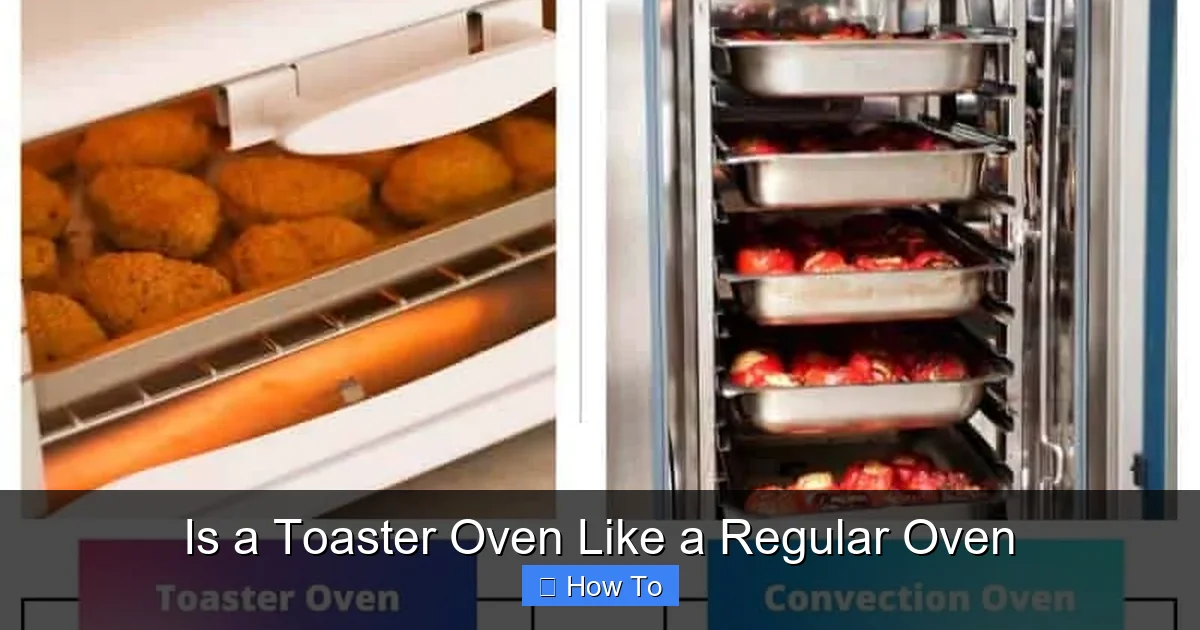
Have you ever wondered how much electricity you use when you turn on your regular oven for a small task? Heating a large appliance for a single serving of food is wasteful and expensive. A regular oven consumes a lot of power, especially during the preheat phase and during long baking sessions. If you cook small meals every day, your energy bill might be higher than necessary.
Visual guide about Is a Toaster Oven Like a Regular Oven
Image source: askanydifference.com
A toaster oven uses far less electricity. Because it heats a much smaller space, it draws less power and finishes the job faster. For example, reheating a slice of pizza in a toaster oven takes a fraction of the energy used to heat a regular oven from scratch. Over time, switching to a toaster oven for small tasks can save you money on your utility bills. It is a small change that makes a big difference for your wallet and the planet. If you are trying to be more eco-friendly in your kitchen, using a toaster oven for small meals is a great first step.
Another point to consider is standby power. While both appliances draw a small amount of electricity when plugged in, a regular oven often has more complex electronic controls and displays that can slowly drain power over time. A simple toaster oven with basic dials uses almost no power when turned off. Every small habit, like choosing a toaster oven over a regular oven for a single slice of toast, adds up to a lower carbon footprint and a healthier planet.
Cooking Performance: What Can You Actually Bake?
Many people worry that a toaster oven cannot bake as well as a regular oven. The truth is, modern toaster ovens are surprisingly powerful. They can bake cookies, roast vegetables, and even cook small cakes with excellent results. However, the final quality of your food depends heavily on the type of dish you are preparing and how you set up the appliance.
For tasks that require precise browning and crispiness, a toaster oven is excellent. The close heating elements give your food a nice golden crust. For example, if you want a quick, juicy dinner, you can try cooking a steak in the toaster oven. The high heat sears the meat beautifully, and the small space keeps the juices locked in. It is a fantastic way to cook a single-serving steak without heating up your entire kitchen. You can also use it to melt cheese on tacos, crisp up tortillas, or warm up a sub sandwich so that the bread stays crispy.
On the other hand, recipes that require even baking over a large area, like a double batch of brownies, a large loaf of bread, or a multi-layer cake, are better suited for a regular oven. The consistent heat distribution in a large oven prevents hot spots and ensures your baked goods rise evenly. If you are baking for a crowd, the regular oven is the only way to go.
Toasting and Reheating Leftovers
If you love crispy toast, warm pastries, or reheated fried chicken, a toaster oven is the ultimate kitchen tool. The top and bottom elements toast the food evenly from both sides. Regular ovens are not designed for toasting; they can dry out food if you use them to reheat small items. A toaster oven is the perfect appliance for quick browning, melting cheese, and bringing back the crunch in yesterday’s fries. Just keep an eye on the food, as the close heat can burn it quickly if you walk away.
Versatility: More Than Just a Toaster
Today’s toaster ovens are not just for toast. Many models come with extra features like convection fans, air-frying functions, broiling settings, and even dehydrator modes. These multi-function appliances can replace several kitchen gadgets, saving you counter space, money, and the hassle of storing multiple devices. You can roast a small chicken, bake a pizza, dehydrate fruit, or air-fry french fries all in one machine.
If you love crispy fries or chicken wings, you might wonder if an air fryer is the same as a toaster oven. While they share some cooking methods, a dedicated air fryer uses powerful fans to circulate hot air rapidly in a very small basket. Many modern toaster ovens include an air-fry mode with a powerful fan, making them a great two-in-one solution. If you are looking to buy, checking out the best toaster oven air fryer combos can help you find a model that does both jobs perfectly and fits your kitchen style.
Convection and Broiling Features
A convection fan circulates hot air inside the oven, which helps food cook faster and get crispier. Many toaster ovens have a convection setting that mimics a regular convection oven. You can roast a whole chicken, bake a batch of cookies, or cook a tray of french fries with great texture. Additionally, the broiling function in a toaster oven is perfect for melting cheese on top of casseroles, giving steaks a quick char, or browning the top of a creme brulee. Just remember that broiling generates intense direct heat, so you should keep the door slightly ajar if your model recommends it to prevent smoking.
Safety and Kitchen Layout Considerations
Safety is an important factor when choosing between a toaster oven and a regular oven. A toaster oven gets very hot on the outside during use. You must place it on a heat-resistant surface with plenty of clearance around the sides and back to allow heat to escape. It is also important to keep it away from curtains, cabinet edges, or hanging towels that could catch fire. Always use high-quality oven mitts when touching the exterior or handling hot pans inside.
A regular oven is built into a cabinet, so the outer shell is well-insulated and stays cooler to the touch. However, a regular oven requires professional ventilation, proper wiring, and a dedicated circuit to handle the high power draw. A toaster oven plugs into a standard wall outlet, making it easy to move, store, and set up in any room with an outlet. Just remember to unplug it when you are not using it, and never place it directly under an overhead cabinet while it is running.
Another safety aspect is keeping your household safe from burns. The exterior of a toaster oven can reach high temperatures that are dangerous for curious children or pets. It is best to place it in a secure spot where no one can accidentally touch it while it is running. A regular oven has a heavy door that locks and stays cool, but it still requires caution when opening to avoid steam burns. Always teach children to stay away from the kitchen when either appliance is in use.
Conclusion: Which One Should You Choose for Your Kitchen?
In the end, a toaster oven is not exactly like a regular oven. It is a compact, fast, and energy-efficient appliance that excels at small-batch cooking, toasting, and quick meals. A regular oven is a heavy-duty workhorse designed for large meals, baking multiple trays, and maintaining consistent temperatures for long recipes.
You do not have to choose just one. Many kitchens benefit from having both appliances. Use your toaster oven for daily tasks like reheating lunch, making toast, or cooking a single-serving dinner. Use your regular oven for holiday roasts, large cookie batches, and family dinners. By understanding their strengths, you can get the most out of both appliances, make smarter cooking choices, and enjoy delicious food every day of the week.
Frequently Asked Questions
Can a toaster oven bake as well as a regular oven?
Yes, modern toaster ovens are excellent for baking small batches of cookies, cakes, and roasted vegetables. However, because of their smaller size and closer heating elements, they can cook food faster and may require you to rotate the pan halfway through to ensure even browning. For large baking projects, a regular oven is still the better choice.
How much energy does a toaster oven use compared to a regular oven?
A toaster oven uses significantly less energy than a regular oven because it heats a much smaller space. It also reaches cooking temperature in a fraction of the time, which reduces the overall power consumption. Using a toaster oven for small meals and reheating leftovers is a great way to lower your monthly electricity bills.
What size toaster oven do I need if I want to replace my regular oven?
To fully replace a regular oven, you will need a large-capacity toaster oven that can fit a 13×9 inch baking pan or a 12-inch pizza. Many extra-large models can accommodate standard half-sheet pans, allowing you to cook family-sized meals. However, if you frequently bake large batches, a regular oven is still hard to fully replace.
Can I cook a steak in a toaster oven?
Absolutely, cooking a steak in a toaster oven is a quick and efficient way to prepare a single-serving dinner. The close heating elements sear the meat beautifully, locking in the juices without heating up your entire kitchen. It is a fantastic, energy-saving alternative to using a large regular oven for one person.
Is a toaster oven safe to leave on when I leave the house?
It is generally not recommended to leave a toaster oven unattended while it is running, especially if you have pets or children in the house. Because these appliances get very hot on the exterior, they pose a fire hazard if placed near curtains or cabinets. Always unplug your toaster oven when you are finished using it for maximum safety.
What is the main difference between a toaster oven and an air fryer?
The main difference lies in the air circulation and cooking chamber size. An air fryer uses a powerful fan to circulate hot air rapidly around a small basket, making it ideal for super-crispy foods. A toaster oven has a larger cooking chamber and can bake, broil, and toast in addition to air frying, making it a more versatile countertop appliance.