Is Carote Cookware Oven Safe to Use
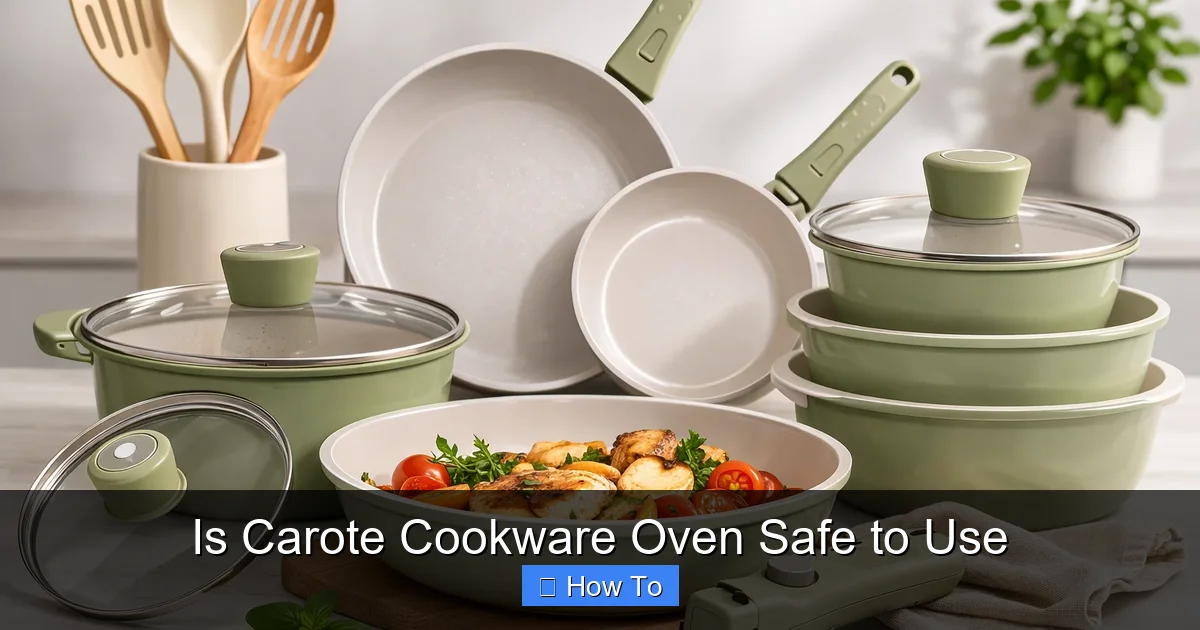
Is Carote cookware oven safe to use? Yes, most Carote pieces are designed for oven use, but temperature limits depend on the specific collection and coating type. Always check the manufacturer’s guidelines and avoid exceeding 350°F with the non-stick collection to prevent damage.
If you’ve recently picked up a Carote pot or pan, you’re probably excited to try it out. But before you slide it into the oven, you might wonder: Is Carote cookware oven safe? It’s a question many home cooks ask, especially when a recipe calls for stovetop-to-oven action. Carote has gained a loyal following for its sleek design, affordable price point, and ceramic non-stick coating. In this guide, we’ll break down everything you need to know about using Carote in the oven, so you can cook with confidence and keep your kitchen tools lasting for years. Understanding the oven safety of your cookware isn’t just about following rules—it’s about protecting your investment and making sure every meal comes out perfectly.
Key Takeaways
- Point 1: Carote cookware is generally oven safe, but maximum temperature limits vary by collection and coating type.
- Point 2: The popular non-stick collection should not exceed 350°F (175°C) to protect the ceramic coating from degradation.
- Point 3: Always look for the oven-safe symbol or markings on the bottom of each piece before placing it in the oven.
- Point 4: Avoid using metal utensils or high-heat broil settings that can scratch or damage the surface over time.
- Point 5: Allow the cookware to cool gradually; sudden temperature changes can cause warping or coating separation.
- Point 6: If you own the Carote granite line, it typically handles higher oven temperatures than the standard non-stick series.
- Point 7: For best results, use Carote cookware on stovetop-to-oven recipes that stay within the recommended temperature range.
📑 Table of Contents
Is Carote Cookware Oven Safe to Use?
The short answer is yes, most Carote pieces are designed for oven use, but there’s an important catch: temperature limits vary by collection and coating type. The popular non-stick line is typically safe up to 350°F (175°C), while the granite-infused collection may tolerate slightly higher heat on the exterior, though the interior coating still follows the same general guidelines. Understanding these limits before you preheat is the key to avoiding damage and ensuring your meals turn out perfectly every time. Many users assume that if a pan works on the stove, it will automatically work in the oven, but the surrounding heat of an oven creates a different thermal environment that requires respect.
Carote’s ceramic non-stick coating is the heart of its popularity. It’s free of PFOA, PFOS, and other harmful chemicals, making it a favorite for health-conscious cooks. The coating allows for cooking with little to no oil, and it heats up quickly across the surface. However, extreme heat can compromise the coating’s integrity over time. When the coating exceeds its temperature limit, you might notice food starting to stick more, or the surface developing a slightly darker hue. This doesn’t mean the pan is instantly ruined, but it does signal that the coating is wearing thin and may need gentle care. Knowing the specific rating of your set helps you enjoy the benefits without shortening the lifespan of your cookware.
Carote Collections and Oven Ratings
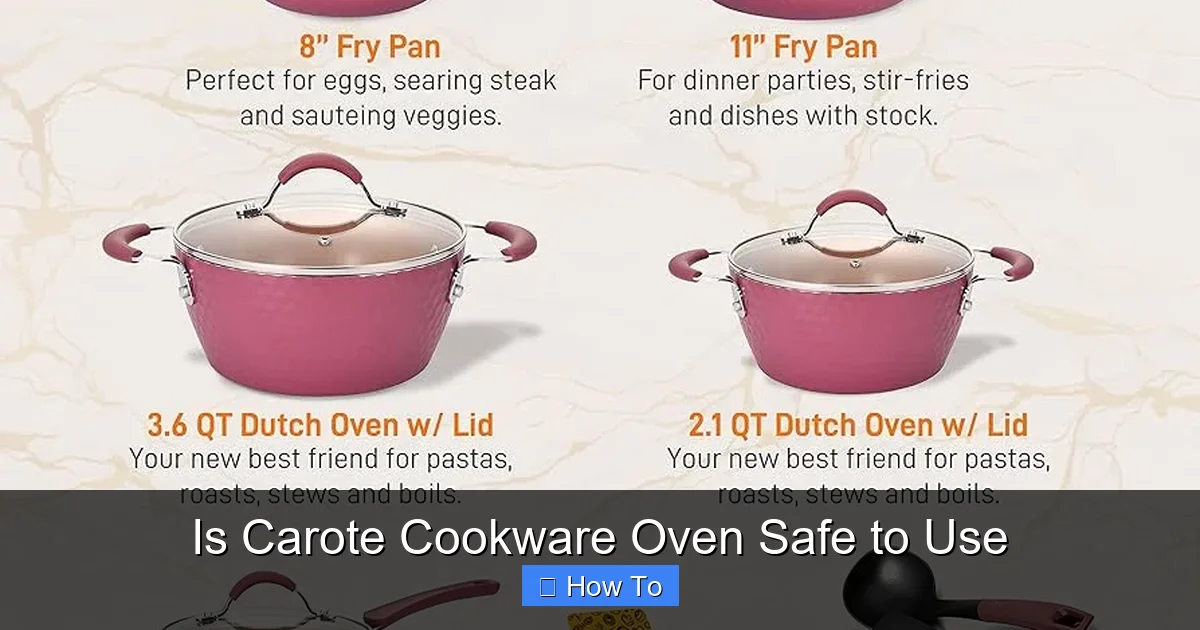
Carote offers several collections, and not every line is created equal when it comes to oven safety. The standard non-stick series is the most common, and it’s rated for oven use up to 350°F. This temperature limit is in place because the ceramic coating can begin to degrade if exposed to higher heat repeatedly. If you own the granite line, you might notice a more durable exterior finish, but the interior coating still caps around that 350°F mark. It’s a common misconception that the granite exterior means the whole pan can handle high heat—the coating inside is what truly dictates the safe temperature.
Visual guide about Is Carote Cookware Oven Safe to Use
Image source: herkitchen.net
Beyond the non-stick and granite lines, Carote occasionally releases limited-edition pieces with different constructions. Some may have stainless steel handles or different base materials that change the oven rating. Always check the specific piece you own, because handles and lids may contain silicone or plastic components that have their own temperature limits. A pan with a silicone handle, for instance, might be safe only up to 350°F, while an all-metal handle could potentially handle higher temperatures. When in doubt, the manufacturer’s website or the original packaging will have the most accurate information for your specific item. If you own the Carote granite collection, you might wonder if it’s also oven safe; for more details, check our guide Is Carote granite cookware oven safe.
Understanding the Ceramic Coating
The ceramic non-stick coating on Carote cookware is designed to release food effortlessly and wipe clean with just a soft sponge and warm soapy water. It’s one of the brand’s biggest selling points, especially for those who want to cook healthier meals without excessive oil. However, the coating has its limits. When exposed to temperatures beyond 350°F, the ceramic can begin to break down, losing its non-stick properties and potentially discoloring. This degradation isn’t always immediate—you might notice food sticking more after several high-heat uses, or the surface looking slightly worn over time.
To get the most out of your ceramic coating, stick to low-to-medium heat settings, even in the oven. If a recipe calls for higher temperatures, consider transferring the dish to an oven-safe glass or metal dish, and use your Carote cookware for the stovetop searing or simmering steps instead. This approach lets you enjoy the benefits of both worlds without risking your cookware’s performance. Additionally, avoiding cooking sprays on the ceramic surface can prevent sticky buildup that’s difficult to remove and can accelerate coating wear when combined with oven heat.
How to Identify If Your Carote Piece Is Oven Safe
Before you place any Carote piece in the oven, take a moment to inspect the bottom of the pan or pot. Most Carote cookware will have a small stamp or symbol indicating oven safety, often a pictogram of an oven or a specific temperature rating printed in small text. If the piece is brand new and you don’t see any marking, consult the original packaging or visit the Carote website for that specific collection’s guidelines. This simple check can save you from unexpected damage and ensure you’re using your cookware within its intended limits.
Here’s how to tell if cookware is oven safe using simple visual and physical checks, which can help you verify your piece’s limits—learn more in our guide How to tell if cookware is oven safe. Another handy trick is to examine the handle and lid. If the handle is all-metal with no silicone or plastic components, it’s more likely to be oven safe. If it has a silicone grip, a plastic knob, or a rubberized coating, those parts likely have a lower temperature limit—often around 350°F or even lower. When in doubt, play it safe and keep the cookware on the stovetop. The handle is often the weakest link in oven safety, so give it extra attention.
Practical Tips for Using Carote in the Oven
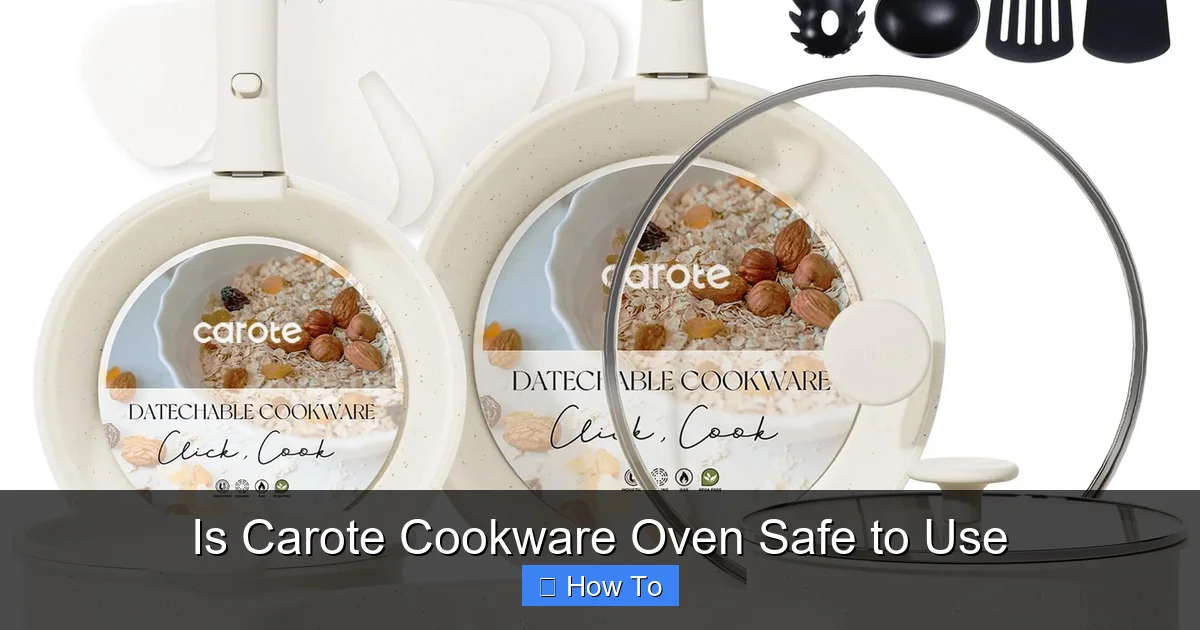
Now that you know the temperature basics, let’s talk about practical ways to use your Carote cookware in the oven without stress. First, always preheat your oven before inserting the cookware. Putting a cold pan into a hot oven can cause thermal shock, which may warp the base or cause the coating to crack. If you’re going from stovetop to oven, make sure the pan has been heating gradually on the burner first, then carefully transfer it to the preheated oven. This gradual transition helps the metal and coating expand evenly.
Visual guide about Is Carote Cookware Oven Safe to Use
Image source: images-na.ssl-images-amazon.com
Second, use parchment paper or a light coating of oil if you’re roasting vegetables or baking small portions. This adds an extra layer of protection for the non-stick surface and makes cleanup a breeze after the meal. Third, avoid using the broiler setting with Carote cookware. The broiler can exceed 500°F in seconds, which is far beyond any safe limit for the ceramic coating. Stick to baking, roasting, or warming modes instead, where the heat is more gradual and predictable. Fourth, let the cookware cool naturally after removing it from the oven. Plunging a hot pan into cold water or placing it on a cold marble countertop can cause warping or cause the coating to separate from the base. Set it on a trivet or the stovetop burner (turned off) and give it at least 10 to 15 minutes before washing or storing. This simple habit can add years to the life of your cookware.
Fifth, if you’re making a casserole or a dish that requires a longer oven time, monitor the internal temperature with a kitchen thermometer rather than relying on the pan’s exterior heat. This helps you keep the cookware within safe limits while still achieving the desired cooking results. These small practices, when combined, create a routine that protects your investment and makes oven cooking a breeze.
Comparing Carote to Other Oven-Safe Brands
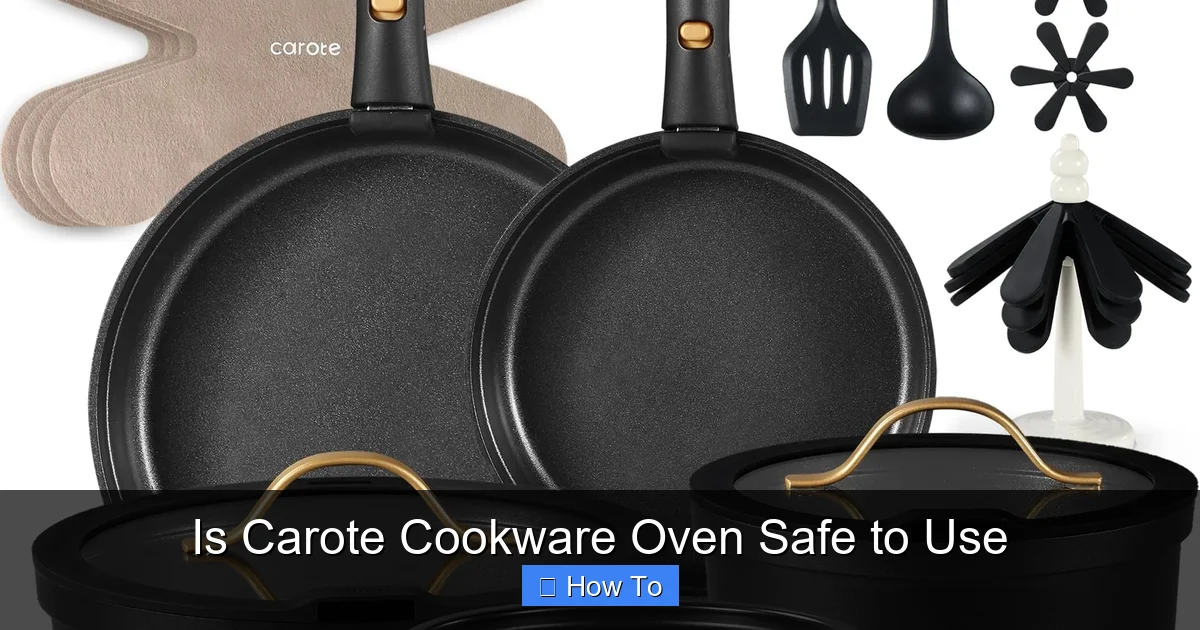
It’s natural to wonder how Carote stacks up against other popular brands when it comes to oven safety. Similarly, brands like Paula Deen, Circulon, and Cuisinart all have their own oven-safe thresholds, often ranging from 350°F to 500°F depending on the collection and materials used. For comparison, here’s what you need to know about granite cookware oven safety across different brands, including tips from our article Is granite cookware oven safe. What sets Carote apart is its affordability and focus on ceramic non-stick technology. While premium brands might use stainless steel or hard-anodized aluminum with multi-layer coatings, Carote keeps things simple and budget-friendly. That means you get the convenience of oven use without the premium price tag, as long as you respect the temperature limits and care for the coating properly.
Visual guide about Is Carote Cookware Oven Safe to Use
Image source: woodartsupply.com
If you’re someone who frequently cooks recipes that require high-heat oven time, you might want to look into a dedicated stainless steel or cast iron set. But for everyday meals, casseroles, and moderate-temperature roasting, Carote provides a reliable and stylish option that fits well into most kitchen routines. The brand’s focus on ceramic coating means it’s not ideal for broiling or extremely high-heat tasks, but for the vast majority of home cooking needs, it performs admirably and safely when used within its rated range.
Common Mistakes to Avoid with Carote Cookware
Even well-meaning home cooks can make oven safety mistakes with non-stick cookware. One of the most common is assuming that if a pan is fine on the stovetop, it’s automatically fine in the oven. This isn’t always true, as stovetop heat is often more localized, while oven heat surrounds the entire piece from all sides, creating a different thermal environment that can stress the coating in new ways. Another mistake is using cooking sprays heavily on the ceramic surface. Over time, sprays can create a sticky buildup that’s difficult to remove and can degrade the coating faster, especially when combined with oven heat.
Avoid stacking Carote pieces directly on top of each other in the oven, even if you’re using them as makeshift racks. This can trap heat unevenly and potentially damage the coatings. Also, never use Carote cookware on a grill or under a broiler unless the manufacturer explicitly states it’s safe for those conditions. When you avoid these common pitfalls, your cookware will stay performant and attractive for many meals to come. Being mindful of these mistakes helps you maintain the quality of your cookware and ensures safe, delicious results every time you cook.
Caring for Your Carote Cookware After Oven Use
Proper care after oven use extends the life of your Carote pieces and keeps them performing well. Allow the cookware to reach room temperature before washing, as mentioned earlier. Use a soft sponge or cloth with warm, soapy water. If food has stuck on, soak the pan for 10 to 15 minutes before gently scrubbing. Avoid steel wool or abrasive scouring pads, as these can scratch the ceramic surface and create micro-damages that shorten its lifespan. These tiny scratches can harbor food particles and cause the non-stick quality to fade more quickly.
If you notice the non-stick performance fading over time, it’s often a sign that the coating has been worn down by heat or utensils. At that point, the pan is still functional for many tasks, but you might notice food releasing a bit less easily. To refresh the surface occasionally, you can lightly rub a small amount of vegetable oil onto the cool interior, then wipe away the excess. This can help maintain the slick surface until it’s time to replace the piece. Some cooks also find that using a gentle, non-abrasive cleaner periodically helps keep the surface in top condition.
Storage is another area where simple habits make a difference. If you’re stacking Carote pans in a cabinet, place a soft liner or a paper towel between each piece to prevent scratching. Avoid hanging them by the handles if the handles are ceramic-coated, as the weight over time can cause the coating to chip. With these small care steps, your Carote cookware will remain a trusted kitchen companion for years to come. Regular maintenance, combined with respecting oven temperature limits, is the best way to get the most value from your purchase.
In summary, Carote cookware can be a wonderful addition to your oven-to-table routine, as long as you understand and respect the temperature limits of your specific collection. By following the guidelines in this article—knowing your collection’s rating, checking handles and lids, using appropriate heat levels, and caring for the coating after each use—you can enjoy the convenience and beauty of Carote cookware for many meals ahead. Remember, when in doubt, keeping the cookware on the stovetop and using oven-safe glass dishes for high-heat recipes is always a safe bet.
Frequently Asked Questions
Can Carote non-stick cookware go in the dishwasher?
While some Carote pieces are labeled as dishwasher safe, hand washing is recommended to preserve the ceramic coating’s non-stick properties. The high heat and harsh detergents in dishwashers can accelerate coating wear over time, so hand washing with a soft sponge and mild soap is the best approach for longevity.
What is the maximum oven temperature for Carote cookware?
The standard Carote non-stick collection is rated safe for oven use up to 350°F (175°C). Exceeding this temperature repeatedly can cause the ceramic coating to degrade, lose its non-stick quality, or discolor. If you have the granite line, the exterior can handle more heat, but the interior coating still follows the same 350°F guideline.
Can I use Carote cookware under the broiler?
No, you should not use Carote cookware under the broiler. The broiler can exceed 500°F in seconds, which is far beyond the safe temperature limit for the ceramic coating. Using the broiler will likely damage the coating and shorten the lifespan of your cookware significantly. Stick to baking, roasting, or warming modes for safe oven use.
How can I tell if my Carote pan is oven safe without looking at the manual?
Check the bottom of the pan for a small oven-safe symbol or temperature rating stamp. If no marking is present, examine the handle—if it has silicone, plastic, or rubberized components, those likely have lower temperature limits. When in doubt, consult the Carote website or original packaging for your specific collection’s guidelines, as ratings vary by piece.
Does the Carote granite line have different oven safety rules?
The Carote granite line features a more durable exterior finish, but the interior ceramic coating still adheres to the same oven safety guidelines as the standard non-stick line, typically up to 350°F. While the granite exterior can tolerate higher heat, the coating inside is the limiting factor, so always respect the 350°F threshold to protect the non-stick surface.
Can I go from the freezer directly to the oven with Carote cookware?
No, you should not go from the freezer directly to the oven with Carote cookware. Sudden temperature changes can cause thermal shock, which may warp the aluminum base or cause the ceramic coating to crack and separate from the pan. Always allow the cookware to reach room temperature before placing it in a preheated oven, and never expose it to extreme temperature swings.