Is Convection Oven Similar to Air Fryer
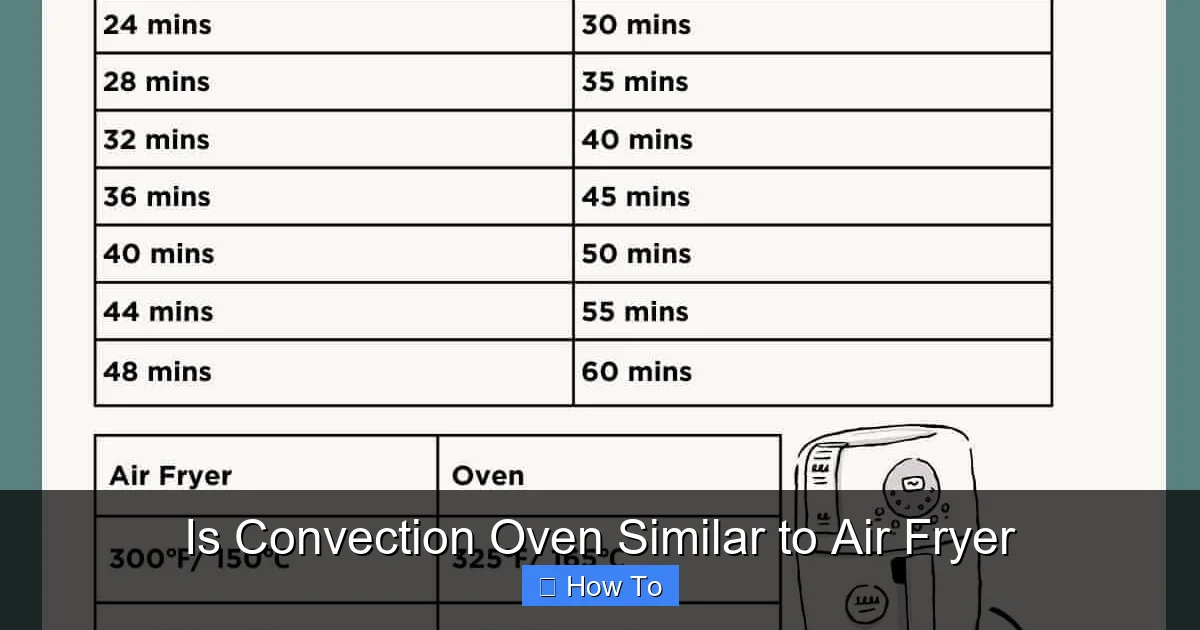
Convection ovens and air fryers both use hot air circulation but differ in size, versatility, and cooking outcomes. While air fryers excel at crispy, small-batch meals, convection ovens offer larger capacity and diverse cooking modes. Choosing between them depends on your cooking habits and space constraints.
Key Takeaways
- Both use convection technology: Hot air circulation for faster, even cooking.
- Air fryers are compact: Ideal for small batches and crispy results with less oil.
- Convection ovens are versatile: Handle baking, roasting, and large meals with ease.
- Energy efficiency: Air fryers often use less energy for quick meals.
- Cost considerations: Convection ovens may save money long-term for frequent cooks.
- Cleaning and space: Air fryers are easier to clean but require counter space.
📑 Table of Contents
- Is Convection Oven Similar to Air Fryer? Let’s Break It Down
- How Do Convection Ovens and Air Fryers Work?
- Key Similarities Between Convection Ovens and Air Fryers
- Major Differences: Size, Capacity, and Cooking Style
- Can You Use a Convection Oven as an Air Fryer?
- Pros and Cons of Each Appliance
- Energy Use and Cost Efficiency
- Choosing the Right Appliance for Your Kitchen
- Tips for Using Convection Ovens and Air Fryers
- Final Verdict: Are They Worth It?
Is Convection Oven Similar to Air Fryer? Let’s Break It Down
If you’ve ever wondered whether a convection oven and an air fryer are basically the same thing, you’re not alone. Both appliances use hot air circulation to cook food faster and more evenly than traditional ovens. But are they interchangeable? The short answer is: not entirely. While they share similarities, there are key differences in design, functionality, and best-use scenarios. Let’s dive into what makes each appliance unique and how they compare.
Convection ovens have been around for decades, adding a fan and exhaust system to standard ovens to speed up cooking. Air fryers, on the other hand, are a more recent innovation that takes convection a step further. They’re compact, countertop-friendly gadgets that promise crispy results with little to no oil. But how do they stack up against convection ovens? Are air fryers just mini convection ovens, or do they offer something entirely different?
In this article, we’ll explore the similarities and differences between convection ovens and air fryers. We’ll cover cooking methods, energy use, cost, and even tips for getting the best results from each. By the end, you’ll know whether one appliance is right for you—or if you need both!
How Do Convection Ovens and Air Fryers Work?
Both convection ovens and air fryers rely on a powerful fan to circulate hot air around food. This creates a consistent cooking environment that reduces cooking times and promotes browning. In a convection oven, the fan is built into the oven cavity, while air fryers use a smaller, more concentrated fan system. The result? Food cooks faster and with a crispy exterior, whether you’re roasting vegetables or baking cookies.
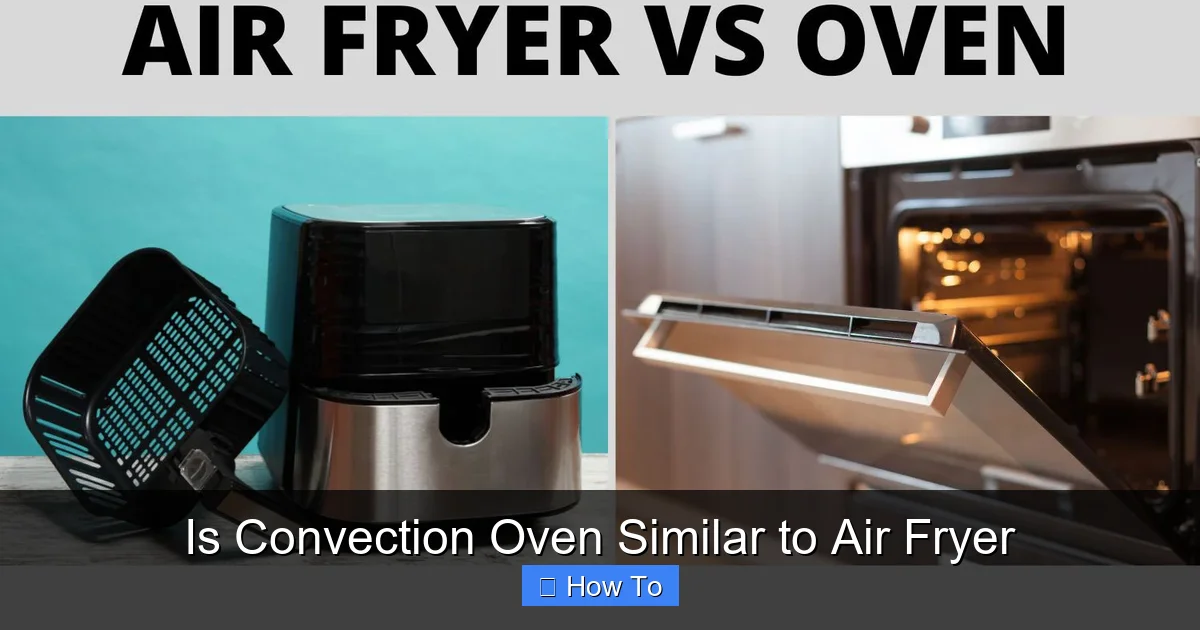
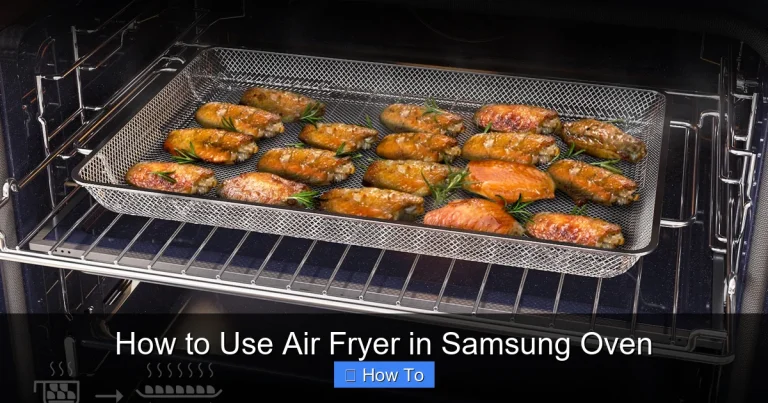
Visual guide about Is Convection Oven Similar to Air Fryer
Image source: lianaskitchen.co.uk
Convection Oven Mechanics
Convection ovens are essentially traditional ovens with an added fan. This fan blows hot air around the food, eliminating hot and cold spots. Many models offer adjustable convection settings, allowing you to tweak the temperature and fan speed. Some even have a “true convection” feature, which uses a third heating element to enhance heat distribution.
Air Fryer Design
Air fryers take convection a step further by creating a smaller cooking chamber. This concentrated airflow mimics the effect of a deep fryer, producing crispy results with little oil. Most air fryers use a basket or tray system, where food is placed in a perforated container to allow air to circulate freely. Some models even include a rotisserie or dehydrator function, expanding their versatility.
Key Similarities Between Convection Ovens and Air Fryers
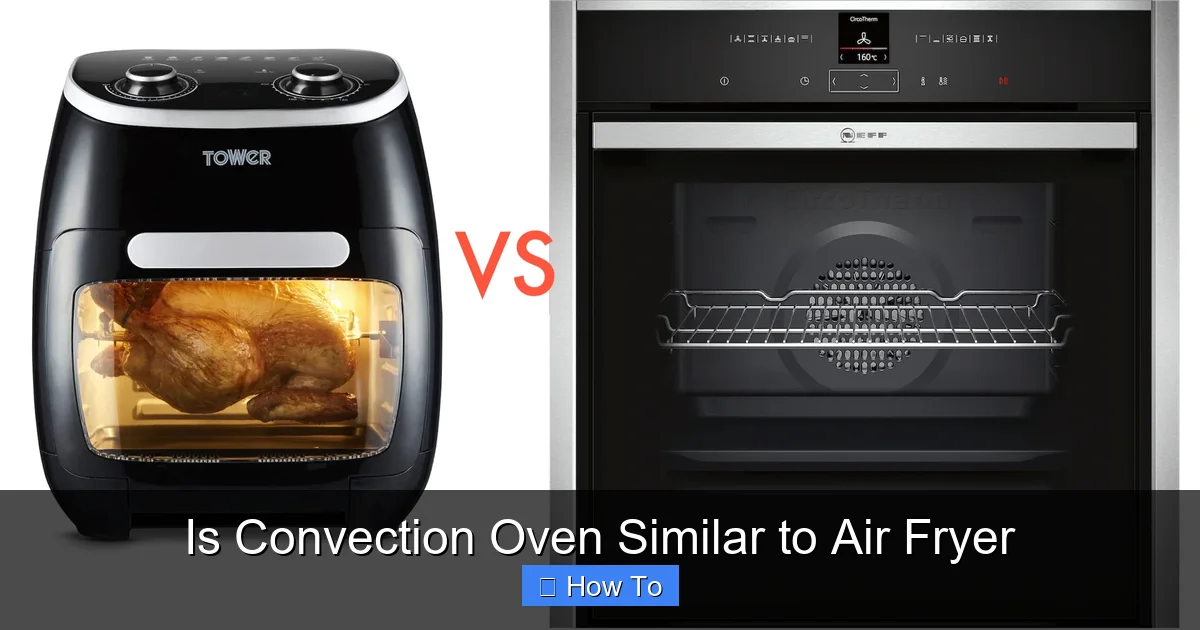
At their core, convection ovens and air fryers share several similarities. Both use convection heating to cook food faster and more evenly than conventional ovens. They’re also great for achieving a crispy texture without submerging food in oil. Let’s break down their shared features:
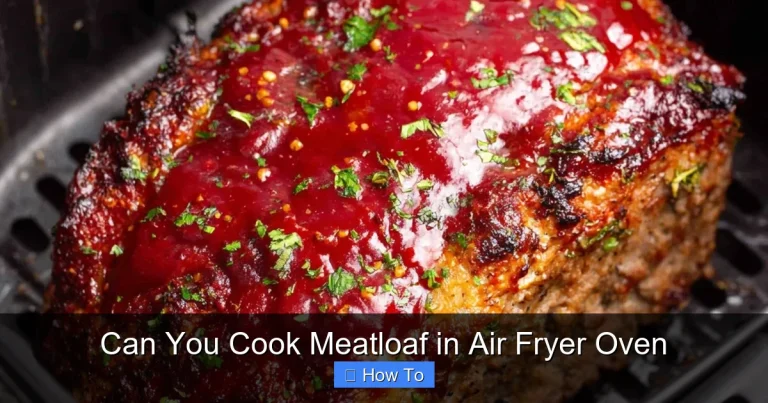
Visual guide about Is Convection Oven Similar to Air Fryer
Image source: cdn.mos.cms.futurecdn.net
- Faster Cooking Times: Both appliances reduce cooking times by up to 25% compared to standard ovens.
- Energy Efficiency: Since they cook faster, they use less energy overall.
- Crispy Results: Hot air circulation creates a golden-brown crust on foods like chicken wings or fries.
- Versatility: Both can handle a variety of foods, from roasted meats to baked goods.
However, there’s one big difference: air fryers are designed specifically for small, single-layer batches. Convection ovens, while efficient, are better suited for larger meals or multiple dishes at once.
Major Differences: Size, Capacity, and Cooking Style
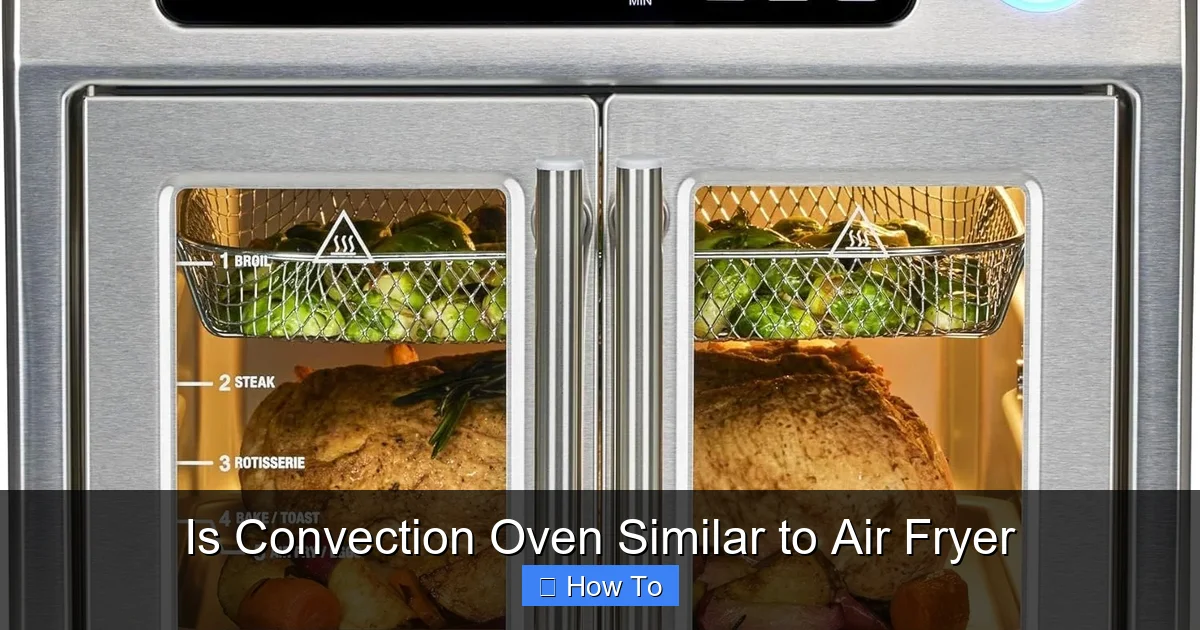
While convection ovens and air fryers share a cooking method, their design and use cases differ significantly. Here’s how they stack up in key areas:
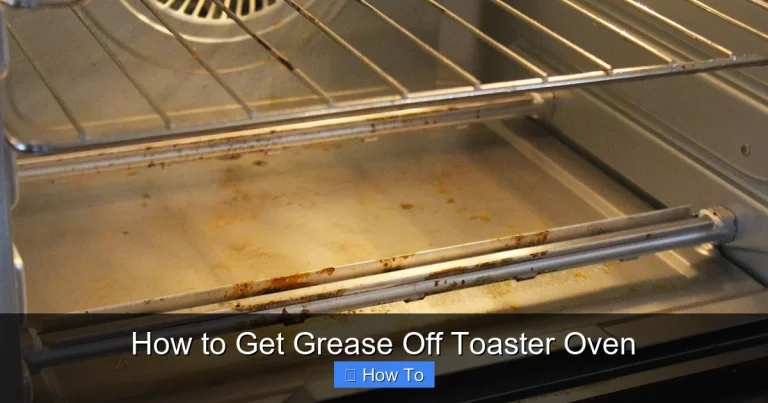
Visual guide about Is Convection Oven Similar to Air Fryer
Image source: m.media-amazon.com
Size and Capacity
Air fryers are compact countertop appliances, typically holding 2–6 quarts of food. This makes them perfect for small households or quick meals. Convection ovens, on the other hand, come in full-sized or compact models. Full-sized ovens can hold a 13×9-inch baking dish or multiple racks of food, making them ideal for family dinners or entertaining.
Cooking Style
Air fryers excel at crispy, high-heat cooking. Their small chamber and rapid air circulation create a deep-fried texture with little oil. Convection ovens, while also effective for crisping, are more versatile. They can handle everything from slow-roasting a turkey to baking a soufflé, thanks to their adjustable racks and wider temperature range.
Can You Use a Convection Oven as an Air Fryer?
The short answer is yes—with some adjustments. Many convection ovens have an “air fry” setting that mimics the compact airflow of a dedicated air fryer. To get similar results:
- Use the convection setting: Set the oven to 375–400°F and place food on the top rack.
- Reduce oil: Use a light spray of oil or a small amount of cooking spray for crispiness.
- Avoid overcrowding: Leave space around food for proper air circulation.
While this method works well for small batches, it’s not as efficient as a dedicated air fryer. The oven’s larger size means it takes longer to preheat and may not achieve the same level of crispiness.
Pros and Cons of Each Appliance
Now that we’ve covered how they work and their differences, let’s weigh the pros and cons of convection ovens and air fryers:
Convection Oven Pros and Cons
- Pros: Larger capacity, versatile cooking modes, energy-efficient for big meals.
- Cons: Takes longer to preheat, less crispy results for small batches.
Air Fryer Pros and Cons
- Pros: Quick cooking, crispy results with little oil, compact design.
- Cons: Limited capacity, requires counter space, not ideal for large meals.
If you love making crispy snacks or small portions, an air fryer is a great investment. But if you need to cook for a crowd or handle multiple tasks at once, a convection oven might be better.
Energy Use and Cost Efficiency
When it comes to energy consumption, both appliances are more efficient than traditional ovens. However, air fryers generally use less energy because they’re smaller and heat up faster. Convection ovens, while efficient for large meals, may use more power for smaller batches.
Cost is another factor. Convection ovens are often included in full-sized ovens, making them a built-in option. Standalone air fryers start around $50 and can go up to $300 for high-end models. If you already have a convection oven, you might not need to buy a separate air fryer.
Choosing the Right Appliance for Your Kitchen
Deciding between a convection oven and an air fryer depends on your cooking habits and kitchen space. Here’s how to choose:
Go for a Convection Oven If:
- You cook large meals or multiple dishes at once.
- You want a single appliance for baking, roasting, and crisping.
- You already have a full-sized oven and want to upgrade.
Choose an Air Fryer If:
- You prefer quick, crispy snacks like fries or chicken wings.
- You have limited counter space but want a dedicated crispy-food appliance.
- You’re looking for an affordable, easy-to-clean option.
Some kitchens benefit from both! A convection oven for big meals and an air fryer for quick snacks can cover all your cooking needs.
Tips for Using Convection Ovens and Air Fryers
To get the most out of these appliances, follow these tips:
Convection Oven Tips
- Use the convection setting for faster cooking.
- Place food on the top rack for better airflow.
- Reduce the temperature by 25°F compared to conventional recipes.
Air Fryer Tips
- Preheat the air fryer for 3–5 minutes before adding food.
- Shake the basket halfway through cooking for even crispiness.
- Use parchment paper or an air fryer liner to catch drips.
Both appliances require a bit of trial and error, but once you find your rhythm, they’ll become kitchen staples.
Final Verdict: Are They Worth It?
Convection ovens and air fryers each have their strengths. If you’re short on counter space and love crispy foods, an air fryer is a fantastic choice. But if you need versatility for everything from roasted dinners to baked goods, a convection oven is the way to go. For the best of both worlds, consider a convection oven with an air fryer function—or invest in both!
Ultimately, the right appliance depends on your cooking style, budget, and kitchen layout. Whether you choose one or both, you’ll enjoy faster cooking times, energy savings, and deliciously crispy results.
Frequently Asked Questions
Can I use a convection oven as an air fryer?
Yes, many convection ovens have an “air fry” setting. Use the convection mode at 375–400°F and place food on the top rack for best results.
Are air fryers more energy-efficient than convection ovens?
Air fryers typically use less energy for small batches due to their compact size. Convection ovens are more efficient for large meals.
Do air fryers and convection ovens produce the same results?
Not exactly. Air fryers excel at crispy, small-batch foods, while convection ovens offer more versatility for larger meals and baking.
Which is better for families: convection oven or air fryer?
Convection ovens are better for families due to their larger capacity, but air fryers are great for quick, individual meals.
Can I bake in an air fryer?
Yes, but results may vary. Air fryers work best for small batches of cookies or cupcakes, while convection ovens handle larger baking projects better.
Are air fryers cheaper to run than convection ovens?
Air fryers generally cost less to operate for small meals, but convection ovens are more cost-effective for large batches.
“`