Is Copper Cookware Oven Safe
Yes, copper cookware is oven safe, but with important caveats. The temperature limit depends on the lining and handle material, typically ranging from 350°F to 500°F. Always check your specific pan’s manufacturer guidelines before placing it in the oven.
**Is Copper Cookware Oven Safe? The Complete Guide**
Picture this: you’ve just seared a beautiful steak in your gleaming copper pan, and now you want to finish it in the oven. But a nagging question stops you cold—is copper cookware oven safe? It’s a common worry, and for good reason. Copper behaves differently than other materials, and getting it wrong can ruin your pan and your dinner.
The short answer is yes, most copper cookware can go in the oven. But the real answer is more nuanced. It all depends on what your pan is lined with, what the handles are made of, and how hot your oven gets. In this guide, we’ll break down everything you need to know about using copper cookware in the oven safely.
Whether you’re a seasoned home chef or just starting your cookware collection, this article will help you understand the ins and outs of copper. We’ll cover temperature limits, lining types, handle materials, and practical tips for safe oven use. By the end, you’ll know exactly what to do with your copper pans when a recipe calls for the oven.
Key Takeaways
- Most copper cookware is oven safe, but you must verify the lining and handle materials first.
- Tin-lined copper has a lower heat limit (around 400°F) compared to stainless steel-lined copper (up to 500°F or higher).
- Handles made of wood, plastic, or silicone are not oven safe and will melt or burn.
- Always preheat your oven before adding copper cookware to prevent thermal shock and warping.
- Avoid using the broiler with copper pans, as intense heat can damage the lining and warp the metal.
- When in doubt, check the manufacturer’s instructions to ensure your specific pan is rated for oven use.
📑 Table of Contents
What Makes Copper Cookware Special?
Copper has been a favorite in kitchens for thousands of years. Why? Because copper is an incredible conductor of heat. It heats up quickly and spreads that heat evenly across the entire cooking surface. This means no hot spots, no scorched edges, and perfectly cooked food every time.
Professional chefs love copper for this reason. When you’re making a delicate sauce or searing a piece of fish, precise temperature control is everything. Copper gives you that control. It responds instantly to changes in heat, so you can go from a rolling boil to a gentle simmer in seconds.
But copper has a downside. It’s a reactive metal. This means it can leach into your food, especially when cooking acidic ingredients like tomatoes or vinegar. To prevent this, most copper cookware is lined with another metal. The lining acts as a barrier between the copper and your food.
The most common linings are tin and stainless steel. Each has its own properties, and this is where the oven safety question gets interesting. The lining plays a huge role in how much heat your pan can handle. Copper itself can withstand very high temperatures. But the lining might not.
So, when someone asks, “Is copper cookware oven safe?” the answer depends on that lining. It also depends on the handles. Many copper pans have handles made of brass, iron, or stainless steel. These are oven safe. But some have handles made of wood or plastic. Those definitely are not.
Is Copper Cookware Oven Safe? The Short Answer
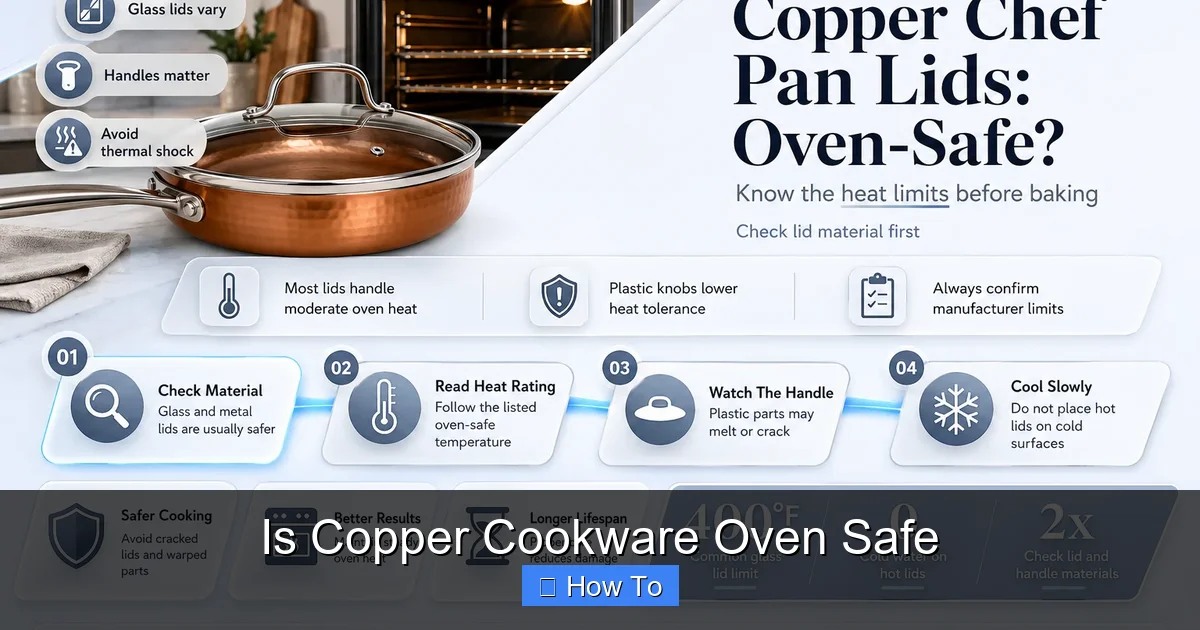
Visual guide about Is Copper Cookware Oven Safe
Image source: cycookery.com
Let’s get straight to the point. Yes, copper cookware is oven safe in most cases. But not all copper cookware is created equal. The main factors are the lining and the handles.
If you have a high-quality copper pan with a stainless steel lining and metal handles, you can generally use it in the oven up to 500°F. If your pan is lined with tin, you need to be more careful. Tin has a lower melting point, so you should keep the oven temperature below 400°F.
The easiest way to know for sure is to check the manufacturer’s instructions. Most reputable brands will tell you the maximum oven temperature for their pans. Look for an oven-safe symbol on the bottom of the pan. It looks like a small square with lines above it, representing heat.
If you’ve lost the packaging or bought your pan secondhand, you can do a quick test. Place the empty pan in a preheated oven at 350°F for a few minutes. If you notice any warping, melting, or strange smells, take it out immediately. This is a sign that the pan is not oven safe.
Remember, just because a pan is oven safe doesn’t mean you should use it under the broiler. The broiler is an extreme heat source, and it can damage even the best copper pans. We’ll talk more about that later.
Factors That Determine Oven Safety
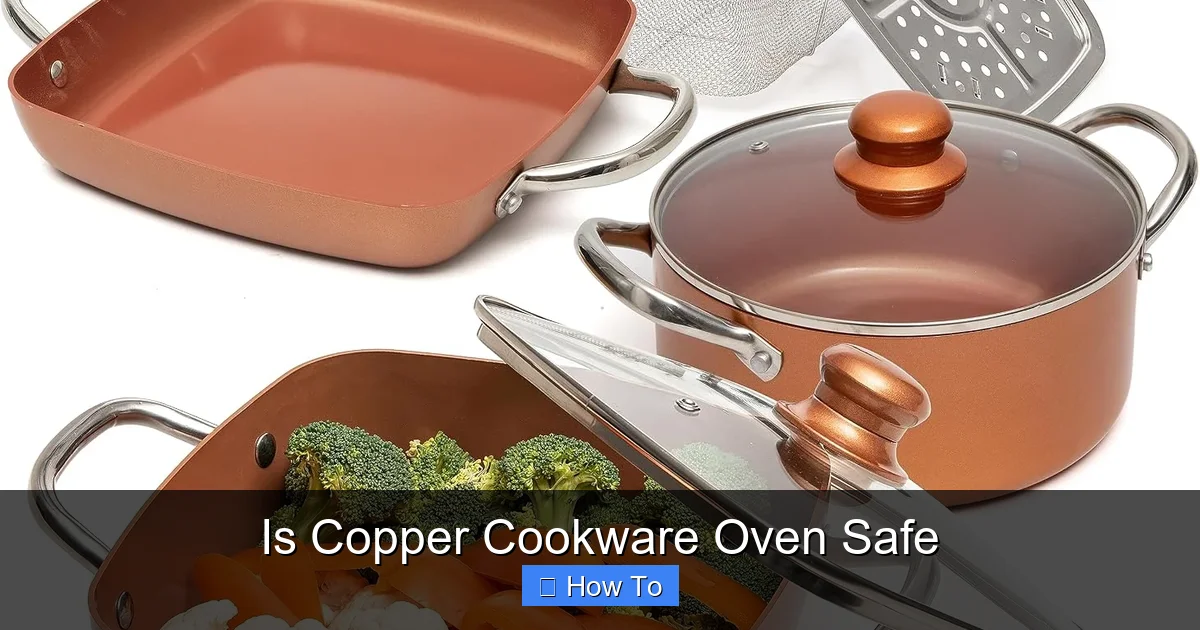
Visual guide about Is Copper Cookware Oven Safe
Image source: m.media-amazon.com
Not all copper cookware is the same. Several factors determine whether your specific pan can go in the oven. Let’s break them down.
The Lining Matters
The inside of your copper pan is lined to prevent reactions with food. The two most common linings are tin and stainless steel. Tin has been used for centuries because it’s non-stick and food-safe. But tin is soft and has a low melting point. It starts to soften at around 350°F and melts at around 450°F.
Stainless steel, on the other hand, is incredibly durable. It can handle much higher temperatures without any issues. Stainless steel-lined copper pans are oven safe up to 500°F or even higher. If you’re looking for a copper pan that can go from stovetop to oven without worry, choose one with a stainless steel lining.
How can you tell which lining you have? Look at the inside of the pan. Tin has a slightly dull, silvery-white appearance. Stainless steel is brighter and shinier. You can also check the manufacturer’s website. If you’re still unsure, you can do a simple test. Tin is softer than stainless steel, so it will scratch more easily.
Handle Material
The handles on your copper pan are just as important as the lining. Many copper pans feature handles made of cast iron, brass, or stainless steel. These materials are perfectly safe in the oven. They can withstand high temperatures without melting or warping.
However, some copper pans have handles made of wood, plastic, or silicone. These materials are not oven safe. They will melt, burn, or become too hot to handle. If your pan has a wooden handle, you should never put it in the oven. You might be able to remove the handle if it’s detachable, but not all pans have this feature.
Another thing to consider is the rivets. Rivets are the metal fasteners that attach the handle to the pan. Loose rivets can cause the handle to detach, which is dangerous. Before putting your pan in the oven, give the handle a gentle wiggle. If it feels loose, don’t use it. You can check out our guide on whether Henckels cookware is safe for more tips on handle safety.
Construction and Thickness
The way your copper pan is constructed also affects its oven safety. Thicker copper pans are more stable and less likely to warp in the oven. Look for pans with a copper body that’s at least 2.5 millimeters thick. These are high-quality pans that will last for years.
Thinner copper pans, especially those found in budget cookware sets, are more prone to warping. Warping happens when the metal expands and contracts unevenly. This can cause the pan to rock on your stovetop, which is both annoying and dangerous.
Also, consider the overall construction. Is the lining bonded to the copper? Are there any gaps or bubbles? A well-made pan will have a smooth, even lining. If you see any imperfections, the pan might not hold up well in the oven.
Temperature Limits for Copper Cookware
Now, let’s talk numbers. What temperature can copper cookware handle in the oven? The answer depends on the type of copper cookware you have.
Unlined Copper
Unlined copper is rare and usually used for specific purposes like making jam or meringue. Because there’s no lining to worry about, unlined copper can handle fairly high temperatures. You can safely use it in the oven up to 450°F. However, unlined copper will tarnish quickly and can react with acidic foods. It’s not the best choice for most everyday cooking.
Tin-Lined Copper
Tin-lined copper is the traditional choice for many home cooks. It’s excellent for delicate cooking tasks like making caramel or melting chocolate. But tin has a significant drawback: it can’t handle high heat. The tin lining can start to soften at 350°F and will melt completely at around 450°F.
If you have tin-lined copper, keep your oven temperature at or below 400°F. This is fine for most baking and roasting recipes. But if you’re trying to sear a steak at 450°F, you’ll need to use a different pan. High heat will ruin the tin lining, and you’ll have to get it re-lined, which is expensive.
Stainless Steel-Lined Copper
Stainless steel-lined copper is the most versatile option. It’s oven safe up to 500°F or even higher, depending on the brand. This makes it perfect for high-heat cooking methods like searing, roasting, and broiling. You can use it in the oven without any worries.
If you’re in the market for new cookware, consider investing in the best copper core stainless steel cookware. These pans combine the heat conductivity of copper with the durability of stainless steel. They’re perfect for oven use and will last for decades.
How to Use Copper Cookware in the Oven Safely
Ready to try using your copper cookware in the oven? Follow these tips to keep your pans safe and your food delicious.
Check the Manufacturer’s Instructions
This is the golden rule. Always check the manufacturer’s instructions before putting your copper pan in the oven. Look for the oven-safe symbol or a maximum temperature rating. If you don’t have the manual, visit the brand’s website. When in doubt, contact customer support. It’s better to be safe than sorry.
Preheat the Oven First
Never put a cold copper pan into a hot oven. This can cause thermal shock, which leads to warping or cracking. Always preheat your oven to the desired temperature first. Then, place your copper pan inside. This allows the pan to heat up gradually and evenly.
Use Oven Mitts
This might seem obvious, but copper handles get extremely hot. Always use oven mitts or pot holders when handling copper cookware in the oven. Don’t use a damp towel, as it can conduct heat and burn your hands. Invest in a good pair of silicone oven mitts for a secure grip.
Don’t Use the Broiler
The broiler is a high-heat, direct-heat source. It can easily damage your copper pan. The intense heat can melt tin linings, warp the metal, and even cause the pan to discolor. If you need to brown the top of a dish, use a kitchen torch instead. Or, simply skip the broiler and let the residual heat do the work.
Avoid Sudden Temperature Changes
Don’t take a hot copper pan and plunge it into cold water. This is a recipe for disaster. The sudden temperature change can warp the pan and damage the lining. Instead, let the pan cool down naturally on the stovetop or a wire rack. Once it’s cool enough to handle, you can wash it.
Use the Right Oven Rack Position
Where you place your copper pan in the oven matters. For most baking and roasting, the middle rack is the best choice. This ensures even heat distribution. If you’re broiling (which we don’t recommend for copper), you’d use the top rack. But since we’re avoiding the broiler, the middle rack is your go-to.
Caring for Your Copper Cookware
Proper care will extend the life of your copper cookware and keep it looking beautiful. Here are some essential tips.
Cleaning
Always let your copper pan cool completely before washing. Then, wash it in warm, soapy water using a soft sponge. Avoid abrasive cleaners and steel wool, as they can scratch the surface. Rinse thoroughly and dry the pan immediately. Copper tends to spot if left to air dry.
Polishing
Copper tarnishes over time, and that’s completely normal. To bring back the shine, you can use a commercial copper cleaner or make your own. Mix equal parts lemon juice and salt to create a paste. Gently rub it on the pan, then rinse and dry. This will remove tarnish and leave your copper looking brand new.
Storage
Store your copper pans in a dry place. If you hang them, make sure they’re properly supported. If you stack them, place a soft cloth between each pan to prevent scratches. Copper is soft and can easily dent or scratch, so handle with care.
When to Replace
If your copper pan is damaged, it’s time to replace it. Look for signs like a worn or flaking lining, warped bottoms, or loose handles. A damaged pan can be dangerous to use. If the copper is exposed, it can leach into your food, which is unhealthy. Don’t risk it. Invest in a new pan.
Copper Cookware vs. Other Oven-Safe Materials
How does copper compare to other cookware materials when it comes to oven safety? Let’s take a quick look.
Cast iron is incredibly oven safe. It can handle extremely high temperatures and is perfect for baking and roasting. But it’s heavy and requires regular seasoning to prevent rust. Stainless steel is also oven safe and lightweight. But it doesn’t conduct heat as well as copper, so you might get hot spots.
Copper offers the best of both worlds. It heats evenly and quickly, and when properly constructed, it’s oven safe. The key is to choose the right lining and handle materials. If you’re comparing different brands, you might want to check out our review on whether Crofton cookware is safe. Similarly, if you’re curious about other materials, you can read about how safe titanium cookware is.
Final Thoughts
So, is copper cookware oven safe? The answer is a resounding yes, but with conditions. You need to know your pan’s lining and handle materials. Tin-lined copper is safe up to 400°F. Stainless steel-lined copper can handle up to 500°F or more. Always check the manufacturer’s instructions first. Use oven mitts, avoid the broiler, and never shock the pan with sudden temperature changes.
Copper cookware is a beautiful and functional addition to any kitchen. It heats beautifully, looks stunning, and, with the right care, will last for generations. Now that you know the facts, you can use it in the oven with confidence. Whether you’re searing a steak, roasting vegetables, or baking a casserole, your copper pan has you covered.
Remember, the key to oven safety is knowing your pan. Check the lining, check the handles, and check the temperature rating. With these tips in mind, you’ll be a copper cookware pro in no time. Happy cooking!
Frequently Asked Questions
Can all copper cookware go in the oven?
No, not all copper cookware is oven safe. It depends on the lining and handle materials. Pans with stainless steel linings and metal handles are generally oven safe, while those with tin linings or plastic/wood handles have limitations.
What temperature can copper cookware withstand in the oven?
Tin-lined copper can withstand temperatures up to about 400°F. Stainless steel-lined copper can handle up to 500°F or more. Always check the manufacturer’s instructions for your specific pan.
Can I put a copper pan with a wooden handle in the oven?
No, you should not put a copper pan with a wooden handle in the oven. The wood will burn or crack under high heat. If the handle is detachable, you can remove it before oven use.
Is it safe to use copper cookware under the broiler?
No, it’s not recommended. The broiler’s intense direct heat can damage the lining, warp the pan, and even cause the copper to discolor. It’s best to avoid using copper cookware under the broiler.
How can I tell if my copper pan is tin-lined or stainless steel-lined?
Tin-lined pans have a dull, silvery-white interior that scratches easily. Stainless steel-lined pans are brighter, shinier, and more scratch-resistant. You can also check the manufacturer’s website for specifications.
What should I do if my copper pan warps in the oven?
If your copper pan warps, it may no longer sit flat on the stovetop. This can affect cooking performance. In some cases, you might be able to gently bend it back, but it’s often best to replace a warped pan to ensure even cooking and safety.