Is Cuisinart Air Fryer Toaster Oven Non Toxic
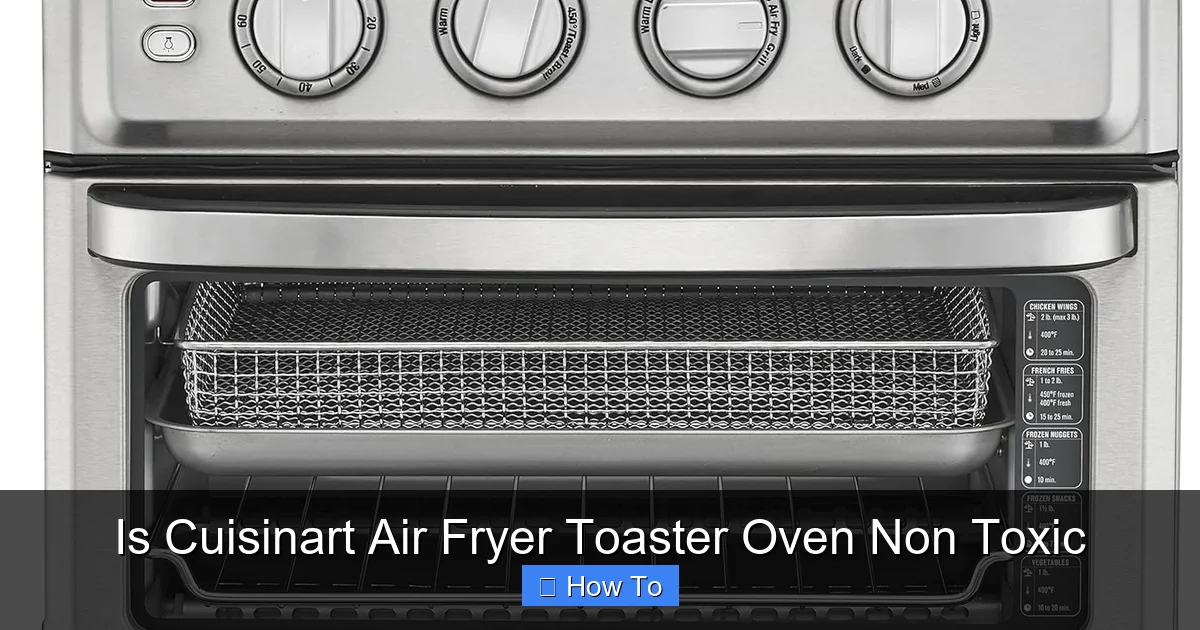
Yes, the Cuisinart Air Fryer Toaster Oven is generally considered non toxic and safe for home use. It is primarily made from stainless steel and heat-resistant glass, avoiding the harmful chemicals found in some plastic-heavy appliances. However, following a proper “burn-off” period and using safe cookware is key to ensuring a chemical-free cooking experience.
So, you are thinking about adding a Cuisinart Air Fryer Toaster Oven to your kitchen. It looks sleek, it saves space, and it promises crispy fries without all the oil. But as you start paying more attention to your health, a big question pops up: Is Cuisinart Air Fryer Toaster Oven non toxic?
It is totally normal to worry about this. We have all heard stories about “forever chemicals” like PFAS or PFOA leaching into our food from non-stick pans. When you buy a machine that reaches 400 degrees, you want to be sure it isn’t releasing fumes or chemicals into your dinner. The good news is that Cuisinart has a long history of using reliable materials.
In this guide, we are going to break down exactly what these ovens are made of. We will look at the materials, the potential risks, and how you can use your oven in the safest way possible. Whether you are a health nut or just a cautious cook, here is everything you need to know about the toxicity of these popular machines.
Key Takeaways
- Understanding Is Cuisinart Air Fryer Toaster Oven Non Toxic: Provides essential knowledge
📑 Table of Contents
What Materials Are Used in Cuisinart Air Fryer Toaster Ovens?
To figure out if a product is non toxic, we have to look at what it is actually made of. Most Cuisinart Air Fryer Toaster Ovens are built with a “metal-first” philosophy. This is a great sign for anyone avoiding plastics.
Stainless Steel Exterior and Interior
The bulk of the machine is made from stainless steel. Stainless steel is one of the gold standards for non toxic cookware. It does not react with food, it doesn’t leach chemicals when heated, and it is incredibly durable. Unlike plastic housings that can melt or off-gas when they get hot, stainless steel stays stable.
Tempered Glass Doors
The windows on these ovens are made of tempered glass. Glass is inert, meaning it doesn’t react with anything. It is a safe, non toxic material that allows you to watch your food cook without worrying about chemicals migrating from the door into your meal.
Heating Elements
The heating elements are typically made of alloys like nichrome. These are designed to handle extreme heat without breaking down. While they might smell a bit “metallic” the first time you turn them on, they are not considered toxic for food preparation.
If you are comparing this to other options, you might wonder what is an air fryer toaster oven exactly. Essentially, it combines the high-speed fan of an air fryer with the heating elements of a toaster oven. Because it uses a chamber rather than a plastic basket, it often avoids the non-stick coatings that people worry about in traditional basket-style air fryers.
Are There Any Toxic Chemicals to Worry About?
When people ask if an appliance is non toxic, they are usually worried about a few specific things: PFAS, BPA, and phthalates. Let’s look at how the Cuisinart Air Fryer Toaster Oven stacks up against these.
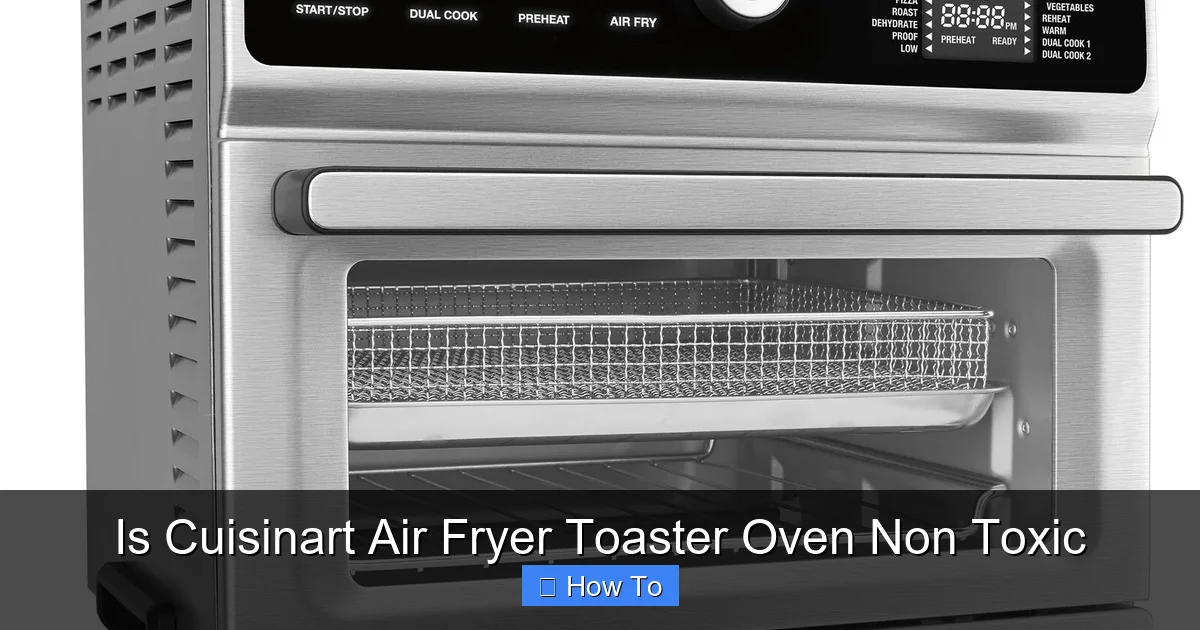
Visual guide about Is Cuisinart Air Fryer Toaster Oven Non Toxic
Image source: costlesswholesale.com
PFAS and PFOA (The “Forever Chemicals”)
PFAS are commonly found in non-stick coatings (like Teflon). In a traditional air fryer basket, the coating can chip or peel, and at very high temperatures, it can release toxic fumes. However, Cuisinart Air Fryer Toaster Ovens generally use stainless steel racks and baking pans. Since there is no chemical non-stick coating on the main cooking surfaces, the risk of PFAS leaching into your food is virtually zero.
BPA and Plastic Off-Gassing
BPA is found in some plastics. While these ovens have some plastic parts (like the knobs and the outer casing), these parts are not in direct contact with the food and are not designed to reach temperatures where they would melt or release fumes. As long as you aren’t placing plastic containers inside the oven, you don’t have to worry about BPA.
Manufacturing Residues
This is the only area where “toxicity” becomes a real conversation. Every factory-made appliance has some level of manufacturing residue. This includes machine oils, polishing agents, and dust. These aren’t “toxic” in the sense of being poisonous, but they can smell bad and you don’t want them on your food. This is why the “first run” is so important.
How to Make Your Cuisinart Oven Truly Non Toxic
Even though the machine is safe, how you use it determines the final health impact. You can turn a safe machine into a toxic one if you use the wrong accessories. Here are some practical tips to keep your cooking clean.
The Essential “Burn-Off” Process
Before you cook your first batch of wings, you must perform a burn-off. This clears out those manufacturing oils mentioned earlier. Here is how to do it:
- Clean it first: Wipe the interior with a damp cloth to remove dust.
- Set the temp: Set the oven to its highest temperature (usually 400°F or 450°F).
- Run it empty: Let the oven run empty for about 20 to 30 minutes.
- Ventilate: Open a window or turn on your kitchen vent fan. You will likely smell some smoke or a “chemical” scent; this is normal and is the residue burning away.
Choose Your Cookware Wisely
The oven is non toxic, but what about the pans you put inside? If you use a scratched non-stick pan from another set, you are introducing PFAS back into the mix. To keep things healthy, use:
- Stainless Steel: The safest and most durable option.
- Glass (Pyrex): Great for casseroles and baking.
- Cast Iron: Perfect for searing and high-heat cooking.
- Parchment Paper: Use unbleached, chlorine-free parchment paper for easy cleanup without the chemicals.
Proper Cleaning Habits
Burnt food particles left on the bottom of the oven can carbonize. When these particles are reheated over and over, they can release acrolein and other irritating smoke. To prevent this, you should know how to clean a Cuisinart air fryer oven regularly. Use a mixture of baking soda and water to scrub away grease without using harsh chemical cleaners that could leave toxic residues behind.
Cuisinart vs. Other Brands: The Toxicity Perspective
When shopping, you might see many different brands. How does Cuisinart compare to the competition in terms of health and safety?
Cuisinart vs. Plastic Basket Air Fryers
Many budget air fryers use a plastic bucket with a Teflon-coated basket. If that coating scratches, you are eating flakes of plastic and chemical coatings. Cuisinart’s toaster oven style uses a metal cavity, which is inherently safer because it removes the “coating” variable from the equation.
Cuisinart vs. High-End “Green” Brands
Some brands market themselves as “100% Non-Toxic” and charge a premium. While these are great, Cuisinart achieves a similar level of safety by simply using stainless steel. You don’t always need a “certified organic” appliance when the material is simply steel and glass.
If you are still undecided on which style to get, you might be asking which is better: air fryer vs toaster oven. From a toxicity standpoint, the toaster oven style is often the winner because it relies less on chemical non-stick coatings and more on raw metals.
Common Myths About Air Fryer Toxicity
There is a lot of misinformation online. Let’s clear up a few common myths regarding the Cuisinart Air Fryer Toaster Oven.
Myth 1: “Air frying creates toxic acrylamides”
Acrylamides are chemicals that form in starchy foods when cooked at very high temperatures. This isn’t a problem with the oven, but with the food. This happens in regular ovens, deep fryers, and air fryers. To reduce this, avoid over-browning your food or cooking it until it is dark brown.
Myth 2: “The heating elements release lead”
Modern Cuisinart appliances are compliant with strict safety standards (like UL and RoHS). The heating elements are made of safe alloys and do not release lead or mercury into the air or food.
Myth 3: “You can’t use parchment paper”
Some people say parchment paper is dangerous because it can catch fire. While it can if it touches the heating element, using a piece that fits the tray is perfectly safe. In fact, using parchment paper is a great way to avoid using toxic cooking sprays.
Final Verdict: Is it Safe?
After looking at the materials and the design, the answer is a resounding yes. The Cuisinart Air Fryer Toaster Oven is non toxic. By using stainless steel and glass, Cuisinart avoids the most common culprits of kitchen toxicity.
The only “risks” come from how the oven is handled. If you skip the burn-off process, you might taste some factory oils. If you use old, peeling non-stick pans inside the oven, you are introducing chemicals yourself. But as far as the machine itself goes, it is a healthy choice for any modern kitchen.
By choosing a stainless steel model, you are investing in a tool that won’t degrade over time or leak hormones and chemicals into your family’s meals. Just remember to keep it clean, vent your kitchen during the first use, and stick to safe cookware, and you can enjoy those crispy fries with total peace of mind.
Frequently Asked Questions
Is the Cuisinart Air Fryer Toaster Oven BPA-free?
Yes, the parts that come into contact with food are made of stainless steel and glass, which are naturally BPA-free. The external plastic knobs and housing are not designed for food contact or extreme heat.
Does it release toxic fumes when first used?
It may release a “new appliance smell” due to manufacturing oils on the heating elements. This is not considered toxic, but it is recommended to run a burn-off cycle in a ventilated room to clear it out.
Can I use aluminum foil in my Cuisinart air fryer oven?
Yes, you can use aluminum foil, but be careful not to let it touch the heating elements. For the most non-toxic experience, many people prefer unbleached parchment paper or stainless steel trays.
Is the non-stick tray included with some models toxic?
Most Cuisinart trays are stainless steel, but if your model comes with a non-stick tray, check for PFOA-free labeling. To be safest, you can replace any non-stick tray with a stainless steel alternative.
How do I stop the “metallic” smell from my oven?
The metallic smell is usually just the heating elements breaking in. Running the oven at 400°F for 20 minutes several times during the first week usually eliminates this scent completely.
Is air frying healthier than deep frying?
Yes, air frying is generally healthier because it uses significantly less oil, reducing calorie intake and avoiding the creation of some harmful compounds found in reused deep-frying oils.