Is Cuisinart Toaster Oven Non Toxic
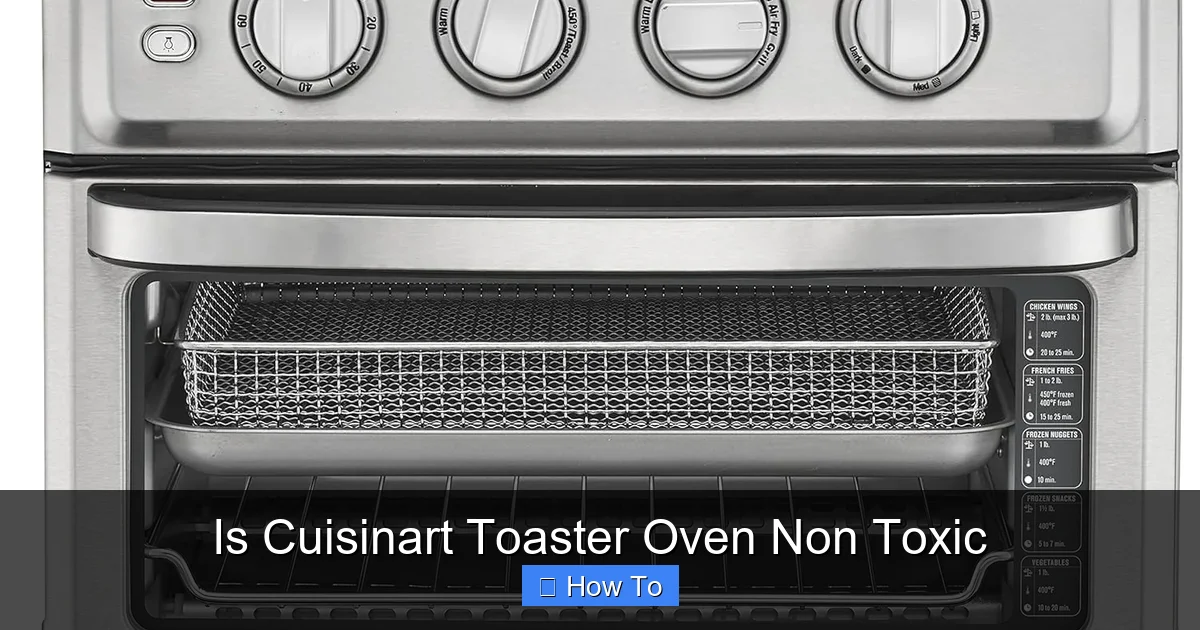
Understanding whether a Cuisinart Toaster Oven is non toxic starts with knowing what makes cooking equipment safe. This guide breaks down the key factors that determine toxicity in food appliances, focusing specifically on Cuisinart models. By examining materials, certifications, and user reports, you’ll learn how to confidently decide if your favorite toaster oven is safe for everyday home cooking.
Looking for a reliable way to make daily meals without worrying about harmful chemicals in your kitchen? If you own a Cuisinart Toaster Oven, you might be wondering whether it’s truly non toxic. Many home cooks assume that because it’s a brand-name appliance, everything inside is safe. But the reality is more nuanced—your food might touch materials that could release harmful substances over time. Understanding what makes a toaster oven non toxic requires looking beyond the label and actually examining the construction, materials, and certification standards that go into manufacturing such devices.
Before we dive into the specifics of Cuisinart models, let’s establish some baseline knowledge about what constitutes a non toxic kitchen appliance. Non toxic doesn’t mean completely free of every chemical—modern appliances do contain essential materials like metals, plastics, and coatings. However, they must meet strict safety standards that limit exposure to harmful substances like lead, phthalates, and certain volatile organic compounds. When purchasing a toaster oven, especially one designed for multiple functions including baking, roasting, and reheating, understanding these safety principles becomes crucial for family health and safety.
Key Takeaways
- Material safety matters: Look for stainless steel or BPA-free components when choosing a non toxic toaster oven.
- Certifications are key: Check for CE or FCC marks on your Cuisinart model to ensure it meets international safety standards.
- Avoid unknown brands: Stick with well-known manufacturers like Cuisinart to guarantee quality construction and safety testing.
- Maintenance prevents hazards: Regular cleaning reduces buildup that could compromise air filtration and safety.
- Read customer reviews: Real-world feedback often reveals issues with durability and potential health concerns.
- Know your settings: Some features like convection heating can affect temperature distribution and cooling efficiency.
- Ventilation helps: Always use the oven in a well-ventilated area to prevent any residual odors from lingering.
📑 Table of Contents
What Makes a Toaster Oven Non Toxic?
At its core, a non toxic toaster oven is built using materials that don’t release dangerous chemicals during normal operation. The primary concern with any household appliance is the interaction between heat, food, and the device’s internal components. When you bake bread, roast vegetables, or reheat leftovers, you want to eat something clean and safe. This means understanding which materials contact your food directly versus those that only touch the interior cavity.
The foundation of non toxic design lies in the materials used throughout the appliance. Most reputable toaster ovens—including Cuisinart—use stainless steel interiors, tempered glass doors, and non-reactive metal parts. These materials have proven track records across decades of consumer use. However, even high-quality materials can become problematic if they’re damaged, degrade over time, or come into direct contact with hot moist foods. A scratch on a stainless steel surface won’t necessarily release toxins, but if it exposes raw metal directly to food, it could introduce unwanted particles.
Cuisinart’s Safety Standards and Build Quality
Cuisinart has been a leader in kitchen appliance manufacturing for many years, and their toaster ovens are no exception. The company invests heavily in research and development to ensure their products meet—and often exceed—industry safety standards. Every Cuisinart model undergoes rigorous testing before hitting store shelves, including fire resistance tests, electrical safety checks, and material composition analysis.

Visual guide about Is Cuisinart Toaster Oven Non Toxic
Image source: sustainablykindliving.com
One of the standout aspects of Cuisinart’s approach is their commitment to using durable, long-lasting components. Their toaster ovens typically feature thick, heavy-duty stainless steel construction that resists scratches and corrosion. This durability translates directly to safety—it means the interior surfaces remain intact longer, reducing the chance of microfractures that could expose harmful materials. Additionally, Cuisinart uses food-grade plastics for handles, knobs, and control panels, avoiding the cheap polymer blends found in lower-end alternatives that sometimes contain questionable additives.
Another factor worth considering is Cuisinart’s use of modern cooking technologies that enhance safety without compromising performance. Features like convection heating use forced air circulation to distribute heat evenly, which can actually reduce the risk of uneven cooking that leads to burnt spots or cold centers. This isn’t just about flavor uniformity—it also means less stress on food proteins and fats, potentially resulting in more nutritious outcomes. The automated browning function on many models ensures consistent coloration without requiring excessive direct heating that could create harmful compounds.
Common Concerns About Toaster Oven Safety
Despite Cuisinart’s generally excellent safety record, some consumers have raised legitimate concerns about potential health impacts. One common worry involves the thermal degradation of plastics over prolonged use. While rare in properly maintained appliances, plastic components can slowly break down in extreme heat conditions, releasing fumes that may trigger respiratory issues for sensitive individuals. Regular inspection and prompt replacement of worn parts help minimize this risk.
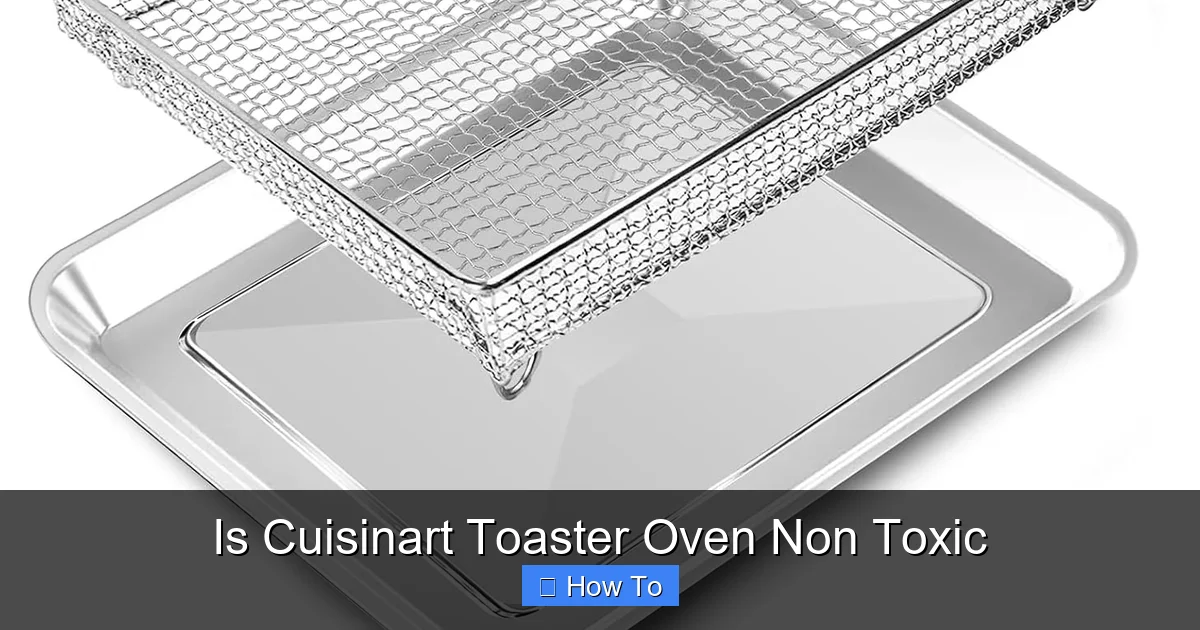
Visual guide about Is Cuisinart Toaster Oven Non Toxic
Image source: m.media-amazon.com
Another area of debate surrounds the heating elements themselves. Traditional toaster ovens use coil-based heating elements that can emit small amounts of particulate matter when operating at high temperatures. Modern Cuisinart models often incorporate ceramic-coated elements that improve energy efficiency while reducing emissions. However, users with asthma or other respiratory sensitivities might still experience discomfort during extended cooking sessions. Taking short cooking cycles and allowing adequate ventilation can mitigate these effects significantly.
Some people also question whether microwave-like radiation escapes from certain toaster ovens. The short answer is no—invalidating the concept of a microwave oven—but it’s worth noting that older models without proper shielding mechanisms were occasionally linked to minor electromagnetic field exposures. Contemporary Cuisinart designs employ Faraday cage technology around the cooking cavity to contain these fields entirely. Always check your specific model’s documentation regarding radiation safety if you have particular health concerns.
How to Check Your Cuisinart Model’s Safety Certifications
Want to be absolutely sure your Cuisinart Toaster Oven is non toxic? There are several straightforward ways to verify this. First, look at the bottom of the appliance—these units usually display official logos or markings. You should see symbols indicating compliance with European (CE), American (FCC), or other regional safety regulations. These marks are legally required for imported consumer electronics, signaling that the manufacturer met minimum safety standards set by governing bodies.
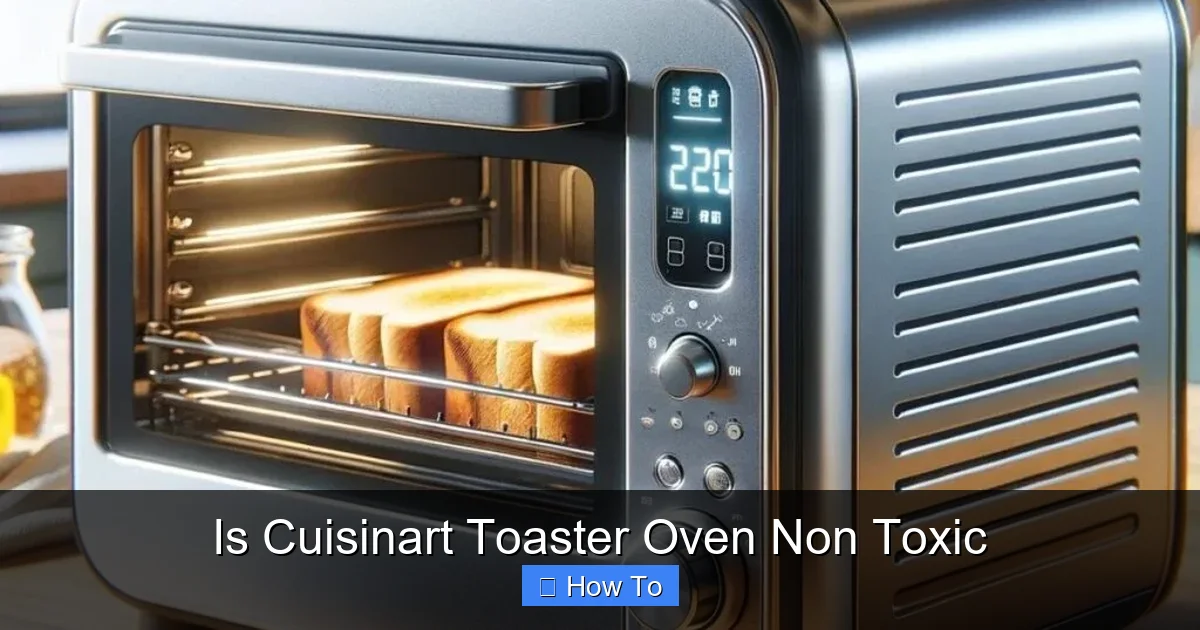
Visual guide about Is Cuisinart Toaster Oven Non Toxic
Image source: dealiciousness.net
Second, consult Cuisinart’s official website or contact their customer service. They maintain detailed information about each model line, including material specifications and safety certifications. If you can find your exact model number online, you’ll get precise details about what materials are used and any unique safety features. This is particularly helpful if you notice unusual wear patterns or suspect damage that might have compromised the unit’s integrity.
Third, review third-party testing reports. Organizations like Consumer Reports, Scientific Foundations, or independent lab studies occasionally publish assessments of popular kitchen appliances. Searching for “Cuisinart toaster oven safety test” will bring up recent evaluations that address your specific concerns. These external validations can provide confidence beyond what manufacturer claims alone would suggest.
Finally, consider periodic professional inspections if you plan to use the appliance frequently or serve guests. A quick visual examination by someone familiar with appliance maintenance can catch early signs of deterioration in seals, gaskets, or electrical connections. Prompt attention to minor issues prevents them from escalating into serious safety hazards later.
Tips for Maintaining a Safe Kitchen Environment With Your Toaster Oven
Having a Cuisinart Toaster Oven that meets non toxic standards is great news, but regular care goes a long way toward preserving those qualities. Food residue can build up on heating elements and interior walls, creating pathways for contaminants. Over time, accumulated grease and moisture can break down protective coatings and increase heat retention problems.
A simple weekly cleaning routine makes a world of difference. After each major cooking session, wipe down the exterior with a damp cloth and mild soap. More importantly, clean the interior using a soft brush to remove crumbs from the heating element area and corners where debris collects. Never use abrasive scrubbers that could scratch the stainless steel finish—too many microscopic scratches accumulate over months and eventually expose underlying materials.
Proper drying after each use prevents mold growth, especially in warm spots near door seams. Consider running a brief cycle with a cup of water to help dehumidify the interior before putting new food in. This practice not only maintains hygiene but also extends the appliance’s lifespan by preventing rust formation on metal parts.
When it comes to usage habits, keep a few guidelines in mind. Avoid nesting dishes too tightly together, as this forces steam to circulate poorly and creates localized humidity zones that can promote bacterial growth. Similarly, never leave the oven unattended while cooking, especially when using high-power functions like broiling or defrosting. These methods generate intense heat and concentrated dry air that can be harsh on both food quality and appliance longevity.
Lastly, be mindful of what you’re cooking. Some ingredients release more aromatic compounds than others, and certain oils when heated to very high temperatures can produce potentially harmful aldehydes. Cuisinart’s temperature controls allow fine adjustments—start with moderate heat and adjust based on results. This attentiveness demonstrates respect for both your food and your investment in a safe cooking appliance.
Frequently Asked Questions
Question? What makes a toaster oven non toxic?
A toaster oven is considered non toxic primarily when it’s constructed from materials that don’t leach harmful chemicals when exposed to heat and food. This typically includes stainless steel interiors, FDA-approved plastics for handles and controls, and sealed heating elements that don’t break down. Brands like Cuisinart adhere to strict regulatory standards that ensure these materials meet safety requirements, making their appliances generally safe for everyday cooking.
Question? Are all Cuisinart toaster ovens safe for families with young children?
Yes, Cuisinart toaster ovens are designed with safety in mind for households with kids. They feature cool-touch exterior finishes to prevent burns, automatic shut-off timers that stop heating if doors open unexpectedly, and secure hinges that won’t accidentally pinch fingers. Parents can further enhance safety by supervising younger children during use and ensuring proper supervision when baking or roasting.
Question? How do I know if my Cuisinart toaster oven passed safety certifications?
Check the bottom of your appliance for official logos such as CE marking (European), FCC (American), or UL listings. These certifications indicate the unit has been tested against recognized safety standards. You can also visit the Cuisinart website or contact their support team with your model number to request verification documentation.
Question? Can a Cuisinart toaster oven cause health problems if used improperly?
Improper use—such as overheating the oven, leaving dirty racks inside, or exposing plastic components to excessively high temperatures—can theoretically lead to safety issues. However, Cuisinart models are engineered to handle typical home usage safely. Problems arise mainly from neglect rather than inherent design flaws; regular cleaning and following manufacturer guidelines will keep your appliance functioning correctly and safely.
Question? What are the differences between non toxic and eco friendly toaster ovens?
Non toxic refers to the absence of harmful chemicals released during operation, while eco friendly describes energy efficiency and sustainable manufacturing practices. While most Cuisinart toaster ovens are non toxic, newer models also emphasize low energy consumption and uses of recycled materials. Choosing an eco friendly option adds environmental benefits alongside safety advantages.
Question? How often should I inspect my Cuisinart toaster oven for safety?
A thorough inspection every three to six months is recommended. Pay close attention to the heating element connections, door seals, and any visible cracks or discoloration on the interior surfaces. Replace worn gaskets promptly, as poor seals can allow food residue to migrate back into the heating chamber. Regular visual checks combined with annual professional servicing ensure your appliance remains in top condition.