Is Dw Cookware Oven Safe
DW cookware is generally oven safe up to 500°F, but always check your specific collection’s guidelines. Handles and lids may have lower heat limits than the pan body, so verify each component before baking or roasting.
You’re standing in your kitchen, recipe in hand, ready to move that beautiful seared chicken from stovetop to oven. But wait — can your DW pan handle the heat? If you’ve ever hesitated at this moment, you’re not alone. Many home cooks love their DW cookware for everyday cooking but feel unsure about oven transitions.
The good news? Most DW cookware is designed with oven use in mind. But like any kitchen tool, it has limits. Knowing those limits keeps your cookware performing well and your food safe. Let’s walk through everything you need to know about using DW pots and pans in the oven.
Key Takeaways
- Most DW cookware handles oven temperatures up to 500°F: The stainless steel and hard-anodized collections typically withstand high heat.
- Check your specific line: Different DW collections have varying temperature ratings, so consult your manual.
- Handles often limit oven safety: Stainless steel handles handle heat well, but silicone or phenolic grips may have lower limits.
- Glass lids usually max out at 350-400°F: Metal lids can go higher, but always confirm the rating.
- Non-stick coatings need gentle care: Avoid broiler use and extreme temperature shocks to preserve the surface.
- Preheat gradually: Sudden heat changes can warp pans or damage coatings over time.
- Hand wash after oven use: Dishwashers can degrade non-stick finishes and handle materials faster.
📑 Table of Contents
What Is DW Cookware?
DW cookware refers to the product line from DW Home, a brand known for bringing professional-grade materials to home kitchens at accessible prices. Their collections typically feature hard-anodized aluminum cores with stainless steel or non-stick surfaces. You’ll find everything from frying pans and saucepans to stockpots and Dutch ovens in their lineup.
The brand focuses on even heat distribution, durability, and versatility. Many pieces transition from stovetop to oven seamlessly — which is exactly why the oven question comes up so often. Home cooks want that flexibility without buying separate bakeware.
Common DW Collections
DW offers several distinct lines, each with slightly different construction. The stainless steel collection uses tri-ply or 5-ply construction with aluminum cores. The hard-anodized non-stick line features heavy-gauge aluminum with reinforced coatings. Some newer collections incorporate ceramic non-stick surfaces. Each has its own oven temperature rating.
If you’re comparing brands, you might also wonder is Crofton cookware safe for similar uses. Different brands use different materials and coatings, so oven ratings vary.
Understanding Oven Safety Basics
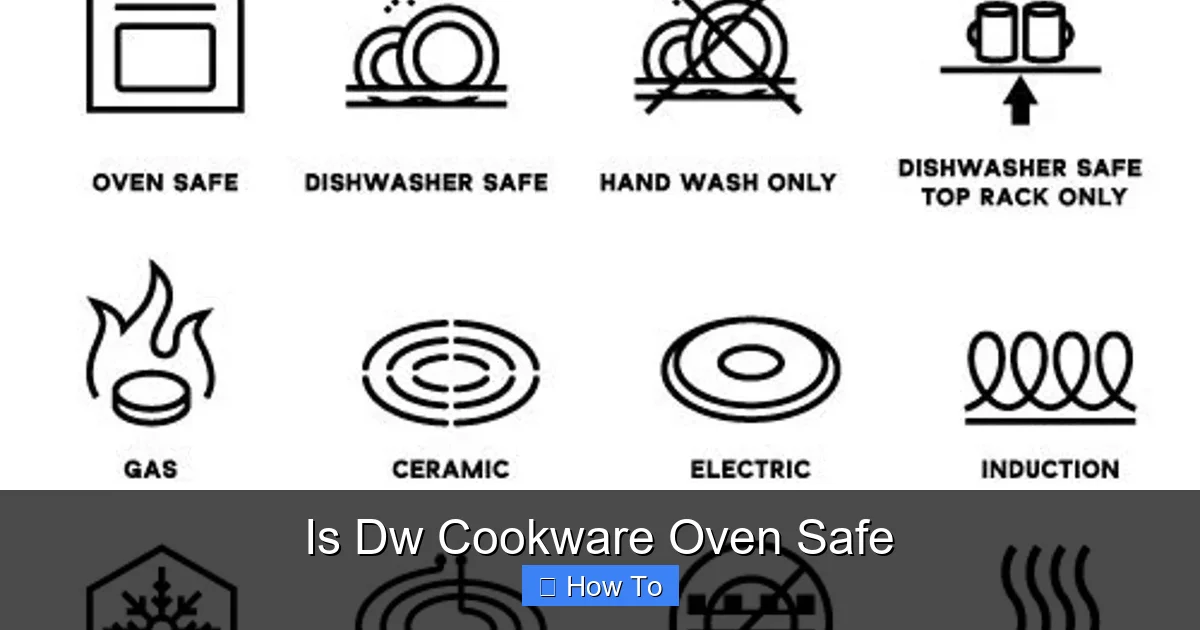
Before we dive into DW specifics, let’s cover what “oven safe” actually means. It’s not a simple yes or no label. Several factors determine whether a pan belongs in your oven.
Visual guide about Is Dw Cookware Oven Safe
Image source: i.etsystatic.com
Material Matters
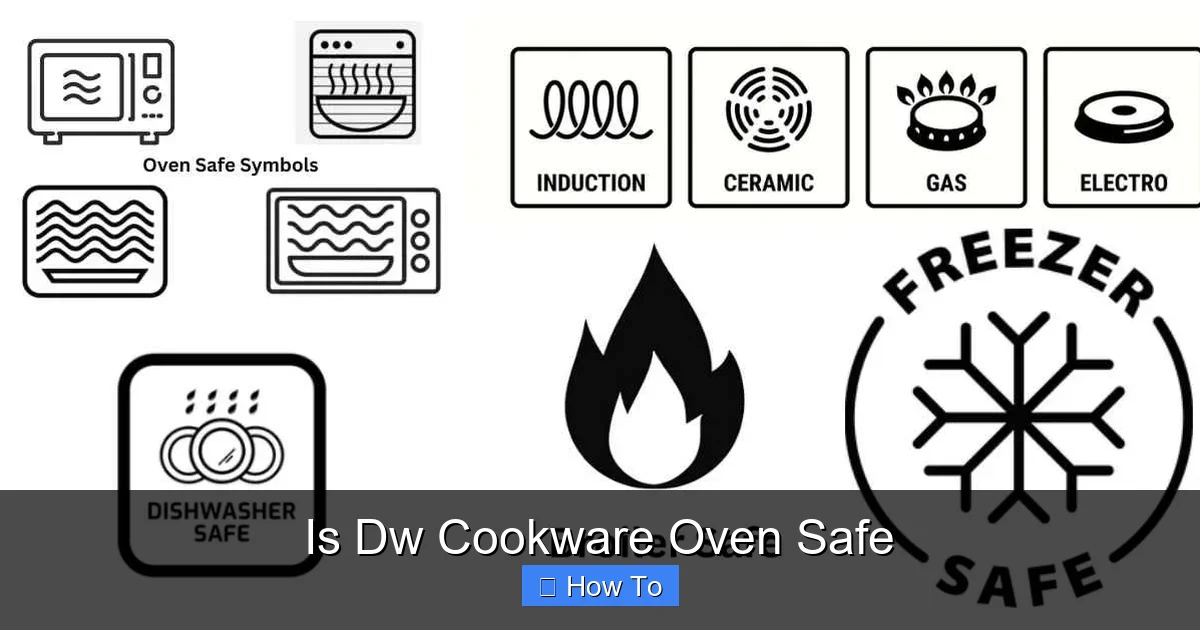
The pan body material sets the baseline. Stainless steel handles very high heat — often 500°F or more. Hard-anodized aluminum also performs well at high temperatures. But non-stick coatings, whether traditional PTFE or ceramic, have lower limits. Most non-stick surfaces start degrading above 500°F, and some ceramic coatings prefer staying under 450°F.
Handle Construction
This is where many pans fall short. A stainless steel pan body might take 600°F, but if the handle is plastic, phenolic, or silicone-wrapped, the handle dictates the limit. Metal handles (stainless steel, cast iron) are the most oven-friendly. Removable handles solve this elegantly — take them off, and the pan body handles whatever your oven dishes out.
Lid Considerations
Glass lids typically max out at 350-400°F. Tempered glass handles thermal stress better than regular glass, but it still has limits. Stainless steel lids match the pan body’s rating. Some DW sets include both types — check which lid came with your piece.
Why Temperature Ratings Exist
Manufacturers test each component at specific temperatures. The lowest-rated part determines the overall oven-safe rating. This isn’t marketing — it’s safety. Exceeding limits can warp metal, degrade coatings, melt handles, or shatter glass. None of those outcomes are worth the risk.
Is DW Cookware Oven Safe?
The short answer: yes, most DW cookware is oven safe. But the exact temperature depends on your specific piece and collection. Let’s break it down by line.
Visual guide about Is Dw Cookware Oven Safe
Image source: vendingproservice.com
Stainless Steel Collections
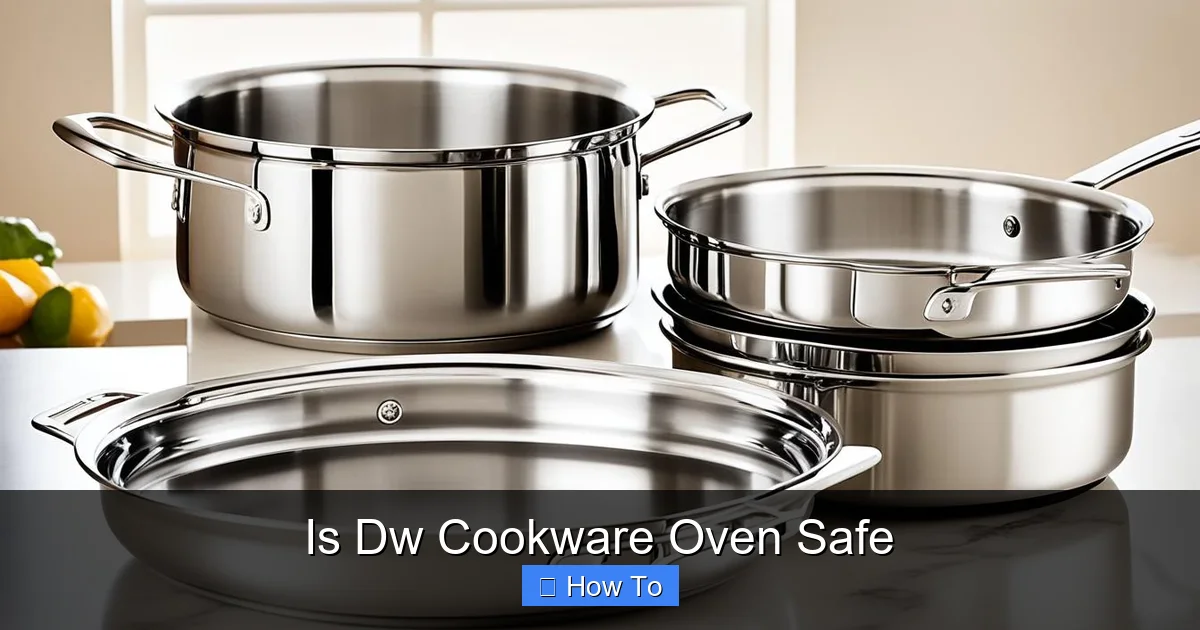
DW’s stainless steel cookware typically carries a 500°F oven-safe rating. The tri-ply or 5-ply construction handles high heat beautifully. Stainless steel handles (when present) match this rating. These pieces excel at searing then roasting, making pan sauces after oven braising, and finishing dishes under the broiler — though broiler use deserves extra caution, which we’ll cover shortly.
Hard-Anodized Non-Stick Collections
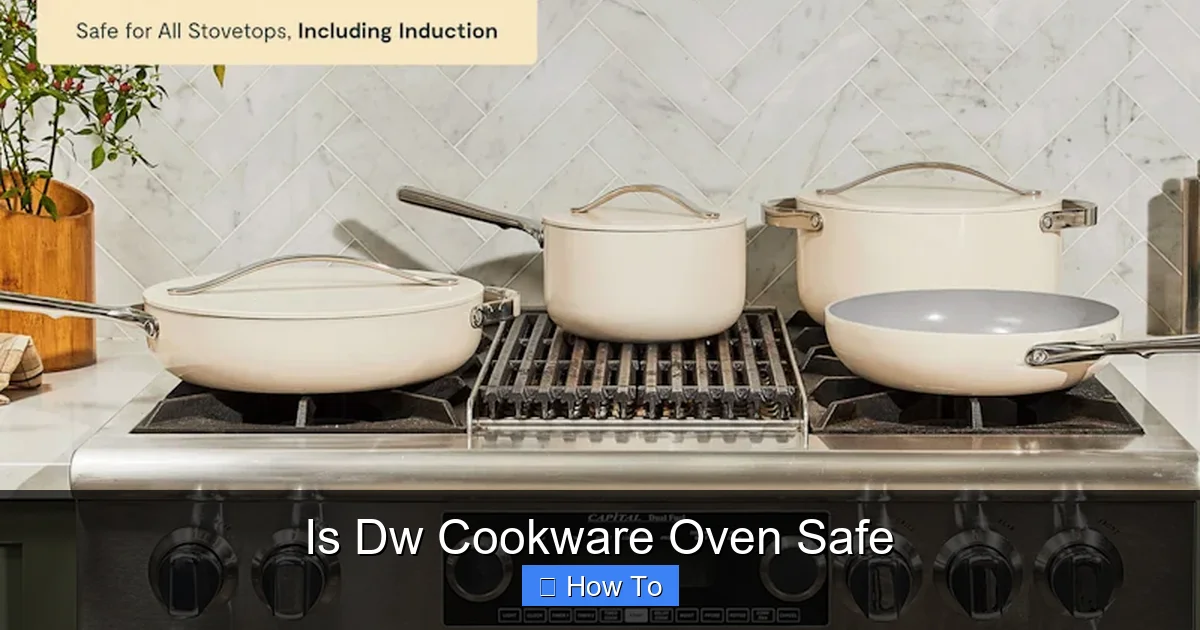
The hard-anodized aluminum non-stick line usually rates to 450-500°F. The aluminum core distributes heat evenly, while the non-stick surface releases food easily. However, the coating determines the ceiling. Most quality PTFE coatings handle 500°F, but prolonged exposure at max temperatures shortens their lifespan. If your recipe calls for 425°F or lower, you’re in the sweet spot.
Ceramic Non-Stick Collections
Newer DW ceramic non-stick pieces often rate to 450°F. Ceramic coatings handle heat differently than PTFE — they don’t release fumes at high temperatures, but they can lose non-stick properties faster if repeatedly pushed to their limit. For ceramic, staying under 425°F preserves performance longer.
Dutch Ovens and Specialty Pieces
DW Dutch ovens (typically enameled cast iron or heavy stainless) handle 500°F easily. The tight-fitting lids — usually the same material as the pot — match this rating. These pieces are built for braising, baking bread, and slow roasting. They’re the workhorses of oven cooking.
When researching cookware safety across brands, you might find it helpful to check is Henckels cookware safe for comparison. Each brand tests differently.
Temperature Limits and Materials
Let’s get specific about numbers. These are general guidelines for DW cookware — always defer to your product manual for exact ratings.
Visual guide about Is Dw Cookware Oven Safe
Image source: images.ctfassets.net
Pan Body Limits
- Stainless steel bodies: 500-600°F
- Hard-anodized aluminum bodies: 500°F
- Enameled cast iron (Dutch ovens): 500°F+
The pan body rarely fails first. It’s almost always a handle, lid, or coating that sets the practical limit.
Handle Limits
- Stainless steel handles (solid or hollow): 500°F+
- Silicone-wrapped stainless handles: 400-450°F (sleeve rating)
- Phenolic/resin handles: 350-400°F
- Removable handles: Pan body rating applies when removed
If your DW pan has silicone handle sleeves, you can often remove them for higher-heat oven work. Check your manual — some slide off easily.
Lid Limits
- Stainless steel lids: 500°F+
- Tempered glass lids: 350-400°F
- Enameled cast iron lids: 500°F+
Glass lids are the most common limiting factor. If a recipe needs 425°F and you have a glass lid, either use a foil tent or swap to a metal lid if one fits.
Coating Limits
- PTFE non-stick (traditional): 500°F max, 450°F recommended for longevity
- Ceramic non-stick: 450°F max, 425°F recommended
- Uncoated stainless steel: No coating limit
Non-stick coatings don’t suddenly fail at their max temperature. They degrade gradually. Occasional 500°F use won’t ruin a PTFE pan, but weekly high-heat baking will shorten its life noticeably.
Handles, Lids, and Non-Stick Coatings
These three components cause the most confusion. Let’s address each with practical guidance.
Handle Safety Deep Dive
Stainless steel handles get hot. Really hot. Even at 350°F, they can burn you badly. Always use oven mitts or dry pot holders — wet cloth conducts heat faster. Some DW pans have helper handles (small loop handles opposite the main handle). These are stainless and oven-safe, but they also get scorching hot.
If your pan has a silicone sleeve, it serves two purposes: comfort on the stovetop and a visual reminder that the handle is hot. But that sleeve has a temperature limit. When in doubt, remove it for oven use above 400°F.
Glass Lid Reality Check
Tempered glass lids are convenient — you can watch food without lifting the lid. But they’re the weak link at high heat. Thermal shock (sudden temperature change) is the real enemy. Never take a hot glass lid from the oven and set it on a cold counter or run cold water over it. Place it on a trivet or dry towel.
Also, avoid using glass lids under the broiler. The intense top-down heat creates uneven stress that can cause shattering. If a recipe says “finish under broiler,” remove the glass lid first.
Non-Stick Coating Care in the Oven
Oven use is actually gentler on non-stick than high-heat stovetop searing. The heat surrounds the pan evenly. But a few rules preserve the coating:
- Don’t preheat empty non-stick pans in the oven. Add oil or food first.
- Avoid cooking sprays — they leave a sticky residue that bakes on and ruins release properties.
- Use silicone, wood, or nylon utensils. Metal scratches accumulate.
- Let the pan cool before washing. Thermal shock stresses the coating bond.
For more on non-stick safety across brands, is Sensarte cookware safe offers another perspective on ceramic coatings.
Best Practices and Care Tips
Now that you know the limits, here’s how to get great results and long life from your DW cookware in the oven.
Preheating Protocol
Place the pan in the oven during preheat only if the recipe specifically calls for it (like for a Dutch oven bread bake). For most dishes, preheat the oven empty, then add your prepared pan. This prevents empty-pan overheating, especially important for non-stick surfaces.
Transitioning Stovetop to Oven
This is DW cookware’s superpower. Sear your protein on the stove, deglaze, add vegetables or liquid, then slide the whole pan into the oven. A few tips:
- Make sure the handle is oven-safe at your target temperature.
- If using a glass lid, confirm the oven temp doesn’t exceed its rating.
- Use both hands and good mitts — the pan is heavier than it looks.
- Set the hot pan on a trivet or cooling rack when removing, not directly on a cold counter.
Broiler Use: Proceed with Caution
Broilers blast intense heat (500-550°F) from above. This exceeds most non-stick ratings and all glass lid ratings. Stainless steel DW pans can handle brief broiling for browning tops — think frittatas or melted cheese. But keep it under 2-3 minutes, watch closely, and never use non-stick or glass lids under the broiler.
Cleaning After Oven Use
Oven cooking leaves baked-on residue. Here’s the gentle approach:
- Let the pan cool completely. Never shock hot cookware with cold water.
- Soak in warm, soapy water for 15-20 minutes.
- Use a soft sponge or nylon scrubber. Avoid steel wool or abrasive pads.
- For stubborn spots, simmer water with a little baking soda in the pan for 5 minutes, then scrub gently.
- Dry thoroughly before storing to prevent water spots on stainless.
Dishwashers are convenient but harsh. The detergents and high heat degrade non-stick coatings and can discolor stainless steel over time. Hand washing extends life significantly.
Storage Smarts
Stack your DW pans with pan protectors or soft cloths between them. This prevents scratching, especially on non-stick interiors. If you hang them, ensure the hooks don’t contact the cooking surface. Store lids separately or upright to avoid trapping moisture.
Common Questions About DW Cookware in the Oven
Let’s tackle the scenarios that come up most often in real kitchens.
Can I Put a Cold DW Pan in a Hot Oven?
Yes, but it’s not ideal. The sudden heat can warp thinner pans and stress non-stick bonds. Better: let the pan come to room temperature first, or put it in during preheat so it warms gradually with the oven.
What If My Recipe Needs 450°F But My Glass Lid Is Rated 400°F?
Three options: use foil as a lid, buy a compatible stainless steel lid, or cook uncovered and tent with foil if needed. Don’t push the glass lid past its rating.
Are DW Pan Handles Oven Safe If They’re Plastic?
If the handle is phenolic (that black, slightly textured plastic), it’s usually rated to 350-400°F. Check your manual. If it’s silicone-wrapped stainless, the stainless is fine but the silicone sleeve may need removal above 400°F. Pure stainless handles have no practical limit.
Can I Use DW Non-Stick Pans for Baking Desserts?
Absolutely. Non-stick pans release cakes, brownies, and cobblers beautifully. Just lower the oven temp by 25°F from the recipe if using dark non-stick — it absorbs more heat. And grease the pan even if it’s non-stick; it helps release and cleanup.
Does Oven Use Void the DW Warranty?
Not if you stay within the stated temperature limits. Warranty claims usually require proof of proper use. Keep your manual or screenshot the specs page for reference.
How Do I Know Which DW Collection I Have?
Check the bottom of the pan for model numbers or collection names. The DW website has a product lookup. If you bought a set, the box or paperwork lists the collection. When in doubt, assume the most conservative rating (usually 350°F for glass lids, 400°F for non-stick with silicone handles).
Comparing cookware brands helps you understand where DW sits in the market. For another reference point, is Gotham Steel cookware safe covers a popular ceramic non-stick brand.
Conclusion
DW cookware brings real oven versatility to your kitchen. Most pieces handle 450-500°F with ease, opening up a world of stovetop-to-oven recipes. The key is knowing your specific piece’s limits — especially handles and lids — and respecting them.
Treat your DW cookware well: preheat gently, avoid thermal shock, hand wash, and store carefully. In return, you’ll get years of reliable performance from sear to roast to table. Next time a recipe says “transfer to oven,” you’ll slide that pan in with confidence.
Your DW pans want to work hard for you. Let them.
Frequently Asked Questions
Is all DW cookware oven safe?
Most DW cookware is oven safe, but temperature limits vary by collection. Stainless steel lines typically handle 500°F, while non-stick collections range from 450-500°F. Always check your specific product manual for exact ratings.
Can DW cookware go under the broiler?
Stainless steel DW pans can handle brief broiling (2-3 minutes) for browning. However, non-stick coatings and glass lids should never go under the broiler — the intense direct heat exceeds their temperature limits and can cause damage.
What temperature can DW glass lids withstand?
DW tempered glass lids are generally rated for 350-400°F. Never use them above their rated temperature, and avoid thermal shock by placing hot lids on trivets, not cold surfaces.
Are DW pan handles oven safe?
Stainless steel handles are oven safe to 500°F+. Silicone-wrapped handles typically handle 400-450°F (the sleeve limits it). Phenolic/resin handles max out at 350-400°F. Remove silicone sleeves for higher heat if your manual allows.
Can I put a cold DW pan directly into a hot oven?
You can, but it’s better to let the pan reach room temperature first or place it in during preheat. Sudden temperature changes can warp metal and stress non-stick coatings over time.
Does oven use ruin DW non-stick coating?
Occasional oven use within temperature limits won’t ruin the coating. However, frequent high-heat baking (near 500°F) accelerates wear. For longest non-stick life, keep oven temps at 425°F or below and avoid cooking sprays.