Is Toaster Oven the Same as Convection Oven
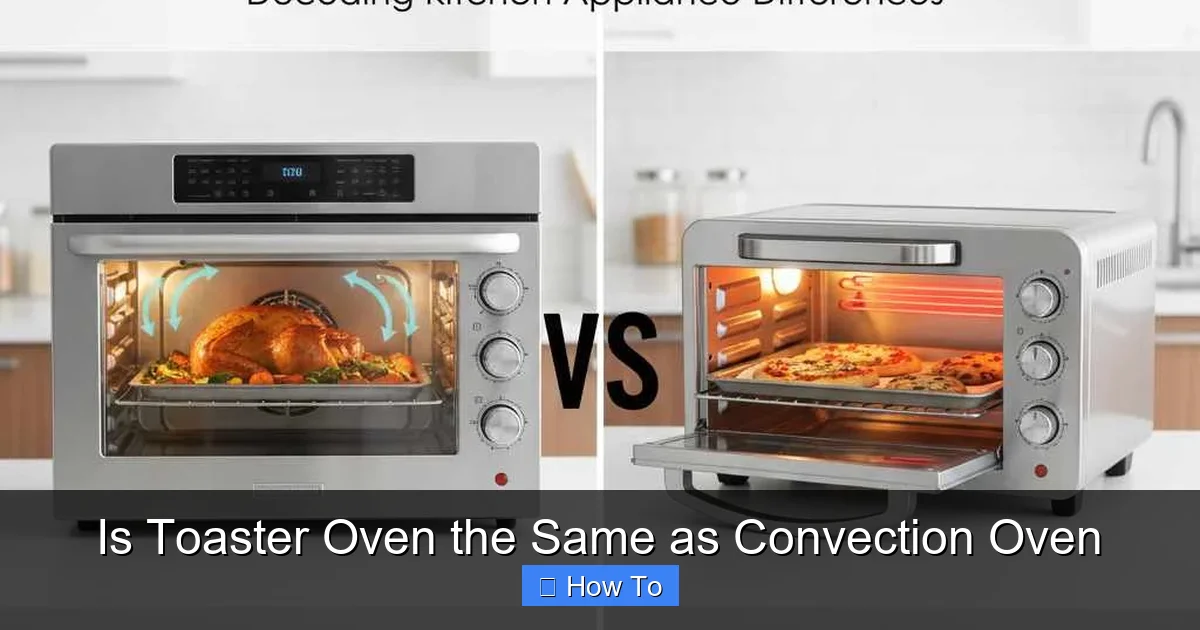
While a toaster oven and a convection oven share a similar compact design, they are not the same appliance. The core difference lies in their cooking technology: a standard toaster oven uses radiant heat, while a convection oven adds a fan to circulate hot air. This convection feature leads to faster, more even cooking and better browning, making it a versatile tool beyond simple toasting.
Key Takeaways
- Core Difference: A convection oven uses a fan to circulate hot air, while a standard toaster oven relies on radiant heat from top and bottom elements.
- Cooking Performance: Convection ovens cook food faster and more evenly, reducing cooking times by about 25% compared to standard toaster ovens.
- Versatility: Convection ovens can handle a wider range of foods, from roasted vegetables to baked goods, while basic toaster ovens excel at toasting and melting.
- Size and Capacity: Both are countertop appliances, but convection ovens are often slightly larger to accommodate the fan and provide more interior space.
- Price Point: Convection ovens are generally more expensive due to the added technology, but they offer better value for multi-functional use.
- Best For: Choose a standard toaster oven for quick breakfast items. Opt for a convection oven if you want to roast, bake, or air-fry with consistent results.
Is Toaster Oven the Same as Convection Oven
You’re standing in the kitchen aisle, looking at the row of countertop ovens. They all look similar—compact boxes with glass doors and dials. But you see labels like “toaster oven” and “convection oven,” and you wonder: is there really a difference? The short answer is yes, and that difference can change how you cook every day. Let’s break it down in a simple way, just like we’re chatting over a cup of coffee.
Think of it this way: all convection ovens are toaster ovens, but not all toaster ovens are convection ovens. A basic toaster oven is like a miniature version of your large conventional oven. It uses heat from elements above and below your food to cook it. A convection oven does the same thing, but it adds a superpower—a fan. This fan is the game-changer, and we’ll explore exactly what that means for your cooking next.
How a Standard Toaster Oven Works
A standard toaster oven is all about direct heat. It has heating elements, just like the ones in your full-size oven, positioned at the top and bottom of the interior. When you turn it on, these elements glow red-hot and radiate heat. This heat cooks your food through a process called conduction and radiation. It’s perfect for tasks that need quick, direct heat from both sides.
Imagine you want to toast a bagel. The bottom element heats the bottom half, while the top element toasts the top. It’s fast and efficient for flat or thin foods. However, if you put a thicker item, like a small chicken breast, in a basic toaster oven, you might find the outside cooks before the inside is done. The heat doesn’t move around, so it can create hot and cold spots. That’s where the convection oven steps in to solve this problem. You can learn more about how these appliances compare to other kitchen gadgets, like in our article on Is Air Fryer The Same As Toaster Oven.
The Magic of Convection: What the Fan Actually Does
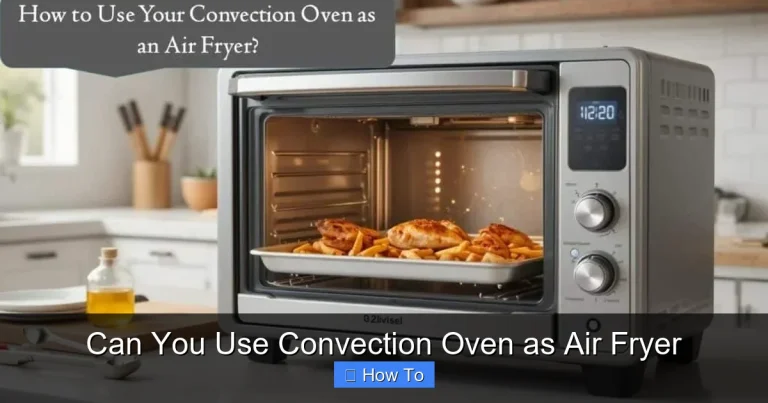
Now, let’s talk about the convection part. The word “convection” refers to the movement of heat. In a convection oven, a small fan (usually at the back or top) circulates the hot air inside the cooking chamber. This creates a constant flow of heat that envelops your food from all directions.
Why is this so beneficial? It prevents the heat from just sitting in one place. Instead of relying on the food itself to absorb heat unevenly, the moving air delivers heat consistently. This has two major results:
- Even Cooking: No more hot spots! Your cookies will bake uniformly, and your roasted potatoes will get a crispy exterior on every side, not just the one facing the element.
- Faster Cooking Times: Because the heat is actively moving, it transfers to the food more efficiently. This can reduce your cooking time by 25% or more compared to a non-convection oven. You save time and often use less energy.
It’s like the difference between standing still in a warm room (radiant heat) and walking around in a brisk breeze (convection heat). The moving air makes you feel the warmth faster and more evenly. This makes a convection oven incredibly versatile, capable of handling everything from delicate pastries to hearty roasts. For a deeper dive into how this compares to another popular appliance, check out Is Air Fryer And Convection Oven The Same.
Comparing Key Features Side-by-Side
So, how do they stack up when it’s time to choose? Let’s look at the practical differences that matter in your daily cooking routine.
Cooking Performance and Versatility
This is the biggest battlefield. A standard toaster oven is a specialist. It’s fantastic for its name-sake task: toasting bread, bagels, and English muffins. It’s also great for melting cheese on sandwiches or reheating a small slice of pizza to get a crispy crust. But ask it to bake a batch of cookies or roast some vegetables, and it might struggle with consistency.
A convection oven, on the other hand, is a generalist. It does the basic tasks well, but its true power is in multi-step cooking. You can roast a whole chicken, bake a cake, or even dehydrate herbs. The fan makes it possible to cook multiple racks of food at once with great results. Many modern convection ovens also have a “true convection” or “European convection” mode, which uses a third heating element around the fan for even more powerful and precise heat distribution.
Size, Capacity, and Design
Both types are designed to save counter space, but there are nuances. Standard toaster ovens are often slightly more compact, which is a plus for small kitchens. However, convection ovens need a bit more depth and height to house the fan mechanism. This often means they have a slightly larger interior capacity, allowing you to fit a 12-inch pizza or a small casserole dish more comfortably.
Another design difference is the door. Convection ovens often have a more robust door with a better seal to retain heat, which is crucial for maintaining consistent temperatures during baking. The controls are also typically more advanced, with specific buttons for bake, broil, roast, and convection modes.
Price and Value
You will generally pay more for a convection oven than a basic toaster oven of a similar size. The added technology and components increase the cost. But consider the value. If you plan to use your countertop oven for more than just toast and leftovers, the convection model offers significantly more functionality for your money. It effectively replaces a small toaster, a mini oven, and even an air fryer in many cases. If you’re interested in models that combine these features, you might explore options like the best air fryer toaster ovens, which are a category of their own.
Tips for Getting the Best Results
Whether you have a basic or a convection model, a few simple tips can make a huge difference in your cooking.
For Standard Toaster Ovens
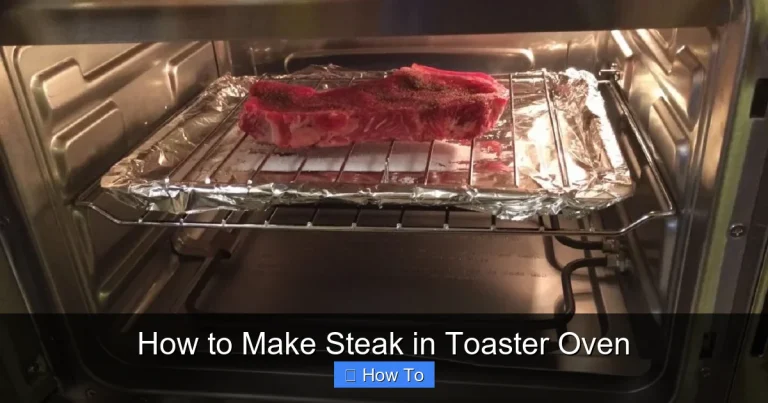
- Use the Rack: Always use the wire rack for toasting and broiling. It allows air to circulate underneath, preventing the bottom from burning.
- Rotate Your Food: For even results with thicker items, consider halfway through the cooking time, carefully rotate the pan or the food itself.
- Preheat is Still Key: While not always necessary for toasting, preheating for baking tasks helps ensure a consistent start.
For Convection Ovens
- Adjust Your Recipes: This is the most important tip! Because convection ovens cook faster, you typically need to reduce the recipe’s temperature by 25°F (about 15°C) or the cooking time by 25% to avoid overcooking.
- Don’t Crowd the Pan: The fan needs space to work. Leave a little space between items on the baking sheet so the hot air can flow around them freely.
- Use the Right Pan: Light-colored, shiny metal pans are best for convection baking as they reflect heat. Dark pans can cause over-browning on the bottom.
Which One Should You Choose?
Your decision really boils down to how you plan to use the appliance. If your primary goal is a quick, reliable machine for breakfast foods and reheating slices of pizza, a well-reviewed standard toaster oven is a perfectly fine and more budget-friendly choice.
However, if you see this appliance as a secondary oven for more serious cooking—roasting vegetables, baking desserts, or cooking small meals for one or two people—the convection oven is worth the extra investment. The versatility and superior cooking performance will make it a tool you reach for every single day. It transforms the simple concept of a toaster oven into a powerful mini-oven that can handle a surprising variety of recipes with confidence.
Ultimately, they are not the same, and understanding the convection difference is the key to picking the right one for your kitchen and your lifestyle. For more comparisons, you can also read about how these ovens relate to air fryers in our piece on Is An Air Fryer Same As Convection Oven.
Conclusion
So, is a toaster oven the same as a convection oven? No, they are distinct appliances with different capabilities. The convection fan is more than just a minor feature; it’s a fundamental difference that impacts cooking speed, evenness, and the range of foods you can prepare. By matching the appliance to your cooking habits, you can ensure your countertop oven becomes one of the most used and appreciated tools in your kitchen.
Frequently Asked Questions
Can I use a convection oven as a regular toaster oven?
Absolutely. All convection ovens have a standard bake and broil function, so you can use them exactly like a basic toaster oven for toasting bread, melting cheese, or reheating leftovers. The convection fan can be turned off for these simple tasks if you prefer.
Do I need to preheat a convection oven?
Yes, preheating is still recommended for most baking and roasting tasks in a convection oven. It helps the appliance reach the correct temperature accurately and ensures your food cooks from the start as intended, leading to better results.
Why does my convection oven cook food so much faster?
The fan inside a convection oven continuously circulates hot air, which transfers heat to the food more efficiently than still air. This rapid heat transfer cooks the food faster and more evenly, which is why recipes often require a temperature or time adjustment when using convection.
Is a convection oven harder to clean?
Not significantly. The interior of a convection oven is typically similar to a standard toaster oven. The main difference is the fan at the back, which is usually covered by a metal shield that is easy to wipe down. Regular cleaning with a mild cleaner will keep both types in good shape.
Can I bake cakes and pastries in a convection oven?
Yes, you can bake excellent cakes and pastries in a convection oven. The even heat distribution helps prevent uneven rising. However, you must be careful to adjust the recipe, typically by reducing the baking temperature by 25°F, to prevent the tops from over-browning before the insides are fully cooked.
What is the main disadvantage of a standard toaster oven?
The primary disadvantage is uneven cooking. Without a fan to circulate heat, hot and cold spots can develop inside the oven. This can lead to one side of your food being burnt while the other side is undercooked, especially with thicker or more delicate items like casseroles or pastries.