Is Using an Air Fryer Cheaper Than Oven

Thinking about swapping your oven for an air fryer? This guide breaks down the real cost differences, showing how energy savings, cooking speed, and ingredient efficiency can make an air fryer a cheaper choice over time. Dive in to see whether “Is Using An Air Fryer Cheaper Than Oven” is true for your kitchen.
Key Takeaways
- Energy Efficiency: Air fryers use less electricity than conventional ovens, cutting monthly bills.
- Cooking Time: Faster preheating and cooking mean less power consumption overall.
- Batch Size Matters: Small portions benefit more from an air fryer’s rapid heat.
- Ingredient Savings: Less oil and smaller portions can reduce grocery costs.
- Long‑Term Cost: Initial purchase vs. savings over years determines true affordability.
- Maintenance: Lower cleaning effort can save time and money.
- Versatility: Many tasks overlap, but the air fryer is not a full oven replacement.
📑 Table of Contents
- Why the Question Even Exists
- 1. Energy Consumption: The Core of the Cost Debate
- 2. Cooking Time: Speed and Savings
- 3. Food Waste and Portion Control
- 4. Appliance Longevity and Maintenance
- 5. The Bottom Line: Does “Is Using An Air Fryer Cheaper Than Oven” Hold True?
- Practical Tips to Maximize Savings
- Conclusion
Why the Question Even Exists
When the air fryer boom started in the early 2010s, many home cooks were skeptical. “Is Using An Air Fryer Cheaper Than Oven?” became a headline, and the debate sparked across forums, blogs, and YouTube. The answer isn’t a simple yes or no; it depends on cooking habits, energy rates, and how you use the appliance.
We’ll walk through the main factors that influence cost: electricity consumption, cooking time, food waste, and tshuab maintenance. By the end, you’ll see whether the air fryer can truly beat the oven in the budget department.
1. Energy Consumption: The Core of the Cost Debate
1.1 How Much Power Do Each Use?
An average 350‑W oven (the typical 4‑quart size) runs at about 1500‑2000 W when heating. A 1500‑W air fryer, on the other hand, peaks at roughly 1500 W but warms up in seconds. Because the air fryer stays on for a shorter period, the overall energy used per meal is lower.

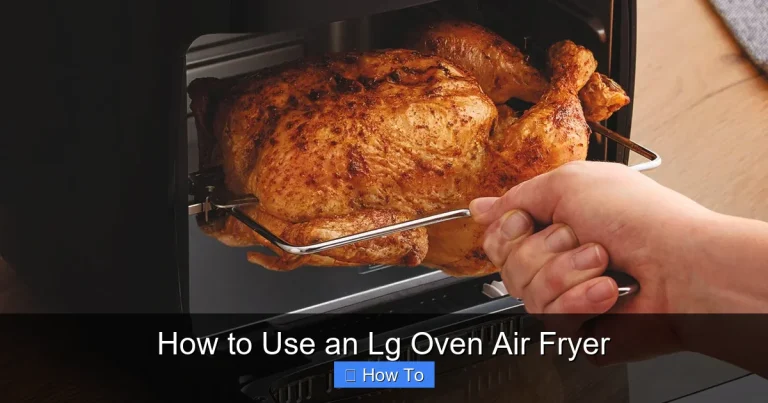
Visual guide about Is Using an Air Fryer Cheaper Than Oven
Image source: media.product.which.co.uk
1.2 Real‑World Numbers
Suppose you cook for 30 minutes a day. An oven would use roughly 1 kWh (kilowatt‑hour) per day. An air fryer, averaging 0.5 kWh for the same 30 minutes, cuts that figure in half. Over a month, that’s a 12‑kWh difference, which translates to about $1.20–$1.50 saved on a typical U.S. electric bill (assuming $0.10/kWh).
1.3 The Energy‑Efficiency Link
For more detail on how air fryers compare to ovens here is a comprehensive guide on “Is Air Fryer More Energy Efficient Than Oven”. It confirms that the faster heat cycle and smaller size give air fryers a consistent edge.
2. Cooking Time: Speed and Savings
2.1 Preheating: The Silent Energy Drainer
Traditional ovens need 10–15 minutes to reach set temperatures, burning electricity even when idle. Air fryers hit target temperatures in 2–3 minutes. That quick start not only saves power but also keeps your kitchen cooler.

Visual guide about Is Using an Air Fryer Cheaper Than Oven
Image source: airfryeraid.com
2.2 Heat Distribution
The convection fan in an air fryer circulates hot air rapidly, cooking food evenly. That means you can cook chicken wings or veggies in 15–20 minutes, versus 25–30 minutes in a conventional oven. Faster cooking reduces power usage and frees up time.
2.3 The Speed Comparison Link
To read about the exact time differences, check this article on “Is The Air Fryer Faster Than An Oven”. It provides real cooking trials that underline how the air fryer’s speed can lower overall electricity consumption.
3. Food Waste and Portion Control
3.1 Smaller Capacity, Fewer Leftovers
Air fryers typically hold 2–3 quart baskets, encouraging single‑portion cooking. When you cook just enough for one or two people, you’re less likely to leave uneaten food on the plate. With an oven, you often bake larger batches, leading to leftovers that might spoil.

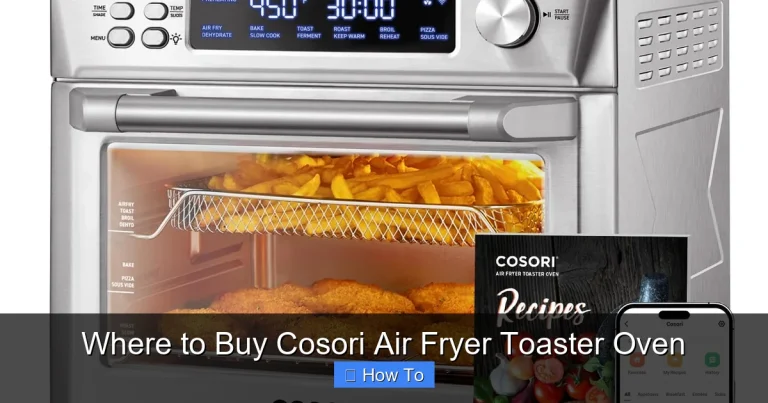
Visual guide about Is Using an Air Fryer Cheaper Than Oven
Image source: cdn.mos.cms.futurecdn.net
3.2 Oil Usage
Air fryers need minimal oil—just a spray or a tablespoon—to achieve that crispy texture. Traditional oven recipes often call for more oil or butter, increasing both cost and calorie intake. Over a month, the savings in oil can add up to a few dollars.
3.3 Ingredient Efficiency
Because the air fryer cooks quickly, you’re less tempted to over‑season or add extra ingredients to compensate for longer cooking. That means you keep the recipe as written, saving money on spices and sauces.
4. Appliance Longevity and Maintenance
4.1 Cleaning Effort
Air fryers are easy to clean: most baskets are dishwasher safe, and the interior is non‑stick. Oven cleaning can take hours, especially after baking dough or sticky sauces. Lower maintenance means you spend less time and less money on cleaning supplies.
4.2 Wear and Tear
Because air fryers handle fewer high–heat cycles at once, the heating element may last longer. An oven, constantly cycling on and off, can experience more wear on its thermostat and heating elements.
4.3 Replacement Costs
When you eventually need a replacement, an air fryer is usually cheaper than a full‑size oven. A mid‑range air fryer costs $150–$250, whereas a new oven can run $500–$1000+, depending on size and features.
5. The Bottom Line: Does “Is Using An Air Fryer Cheaper Than Oven” Hold True?
5.1 Short‑Term vs Long‑Term
In the first year, the airchar’s lower power consumption can save a few dollars, but you’ll still pay for the initial purchase. Over five to ten years, however, the cumulative energy savings plus reduced ingredient waste can offset the upfront cost, especially if you cook often.
5.2 Lifestyle Fit
If you cook small meals, like single‑serve dinners or snacks, the air fryer’s size and speed are a perfect match. For large families or frequent entertaining, still might be useful, but you’ll need an oven for bulk cooking.
5.3 The Versatility Link
For those who want a single appliance that can replace a toaster oven, a convection oven, or even a small grill, see the article on “Is Air Fryer Better Than Convection Oven”. It highlights how an air fryer can cover many functions, further justifying its cost.
Practical Tips to Maximize Savings
- Use the Right Basket Size: Don’t overfill. The air fryer works best with a single layer of food.
- Preheat Briefly: 1–2 minutes is enough; wasteful long preheats add to cost.
- Batch Cooking: If you need larger portions, cook in two rounds or use a larger oven for the bulk.
- Energy‑Saving Settings: Some models have a “low‑power” mode. Use it for light_Texts.
- Keep the Interior Clean: Prevents flare‑ups and keeps the heating element efficient.
Conclusion
When you ask “Is Using An Air Fryer Cheaper Than Oven,” the answer hinges on your cooking patterns, local energy rates, and how you value convenience. For most home cooks who eat single‑serve meals and value speed, the air fryer offers measurable savings in electricity, ingredients, and time. In the long run, those savings can outweigh the initial price difference, making the air fryer a financially smart choice.
Still unsure? Try a small trial: cook a week’sAlso meals in the air fryer and compare your electric bill and grocery receipts to your -“past week. You’ll see the numbers speak for themselves.
Frequently Asked Questions
What is the average energy consumption of an air fryer compared to an oven?
Air fryers typically use 1500 W at peak, while a standard oven can use 1500‑2000 W irré. Because the air fryer runs for a shorter time, its daily kWh usage is usually about half that of an oven.
Can I replace my oven entirely with an air fryer?
Not entirely. Air fryers are great for small, quick meals but lack the capacity for large roasts or baking multiple items at once. They’re best as a complement, not a full replacement.
Does cooking in an air fryer reduce oil consumption significantly?
Yes. Most recipes require only a light spray or a tablespoon of oil to achieve crispness, compared to the heavier oil or butter often used in oven cooking.
Will an air fryer last as long as a conventional oven?
Air fryers generally have a lifespan of 3–5 years with normal use, while ovens can last 10–15 years. The shorter cycle time can reduce wear, but the smaller мороз makes replacement costs more manageable.
How does the air fryer’s cooking speed impact overall energy savings?
Because the air fryer reaches target temperatures in minutes, it reduces idle heating time. Faster cooking cycles mean the appliance draws power for a shorter period, directly lowering electricity usage.
Is the air fryer a healthier option than an oven?
For many dishes, the reduced oil usage and lower cooking temperatures produce less oil absorption, making meals slightly healthier. However, overall health depends on the ingredients you choose.