Japanese Cookware Brands
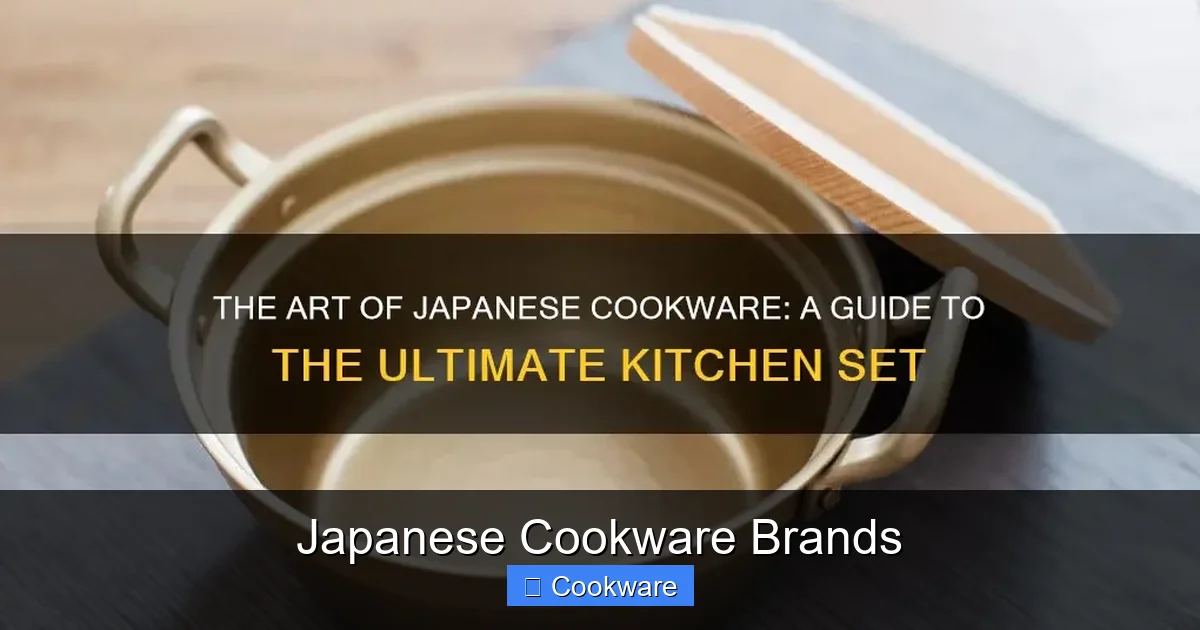
Japanese cookware brands combine centuries‑old craftsmanship with modern technology to deliver pans that heat evenly, stay durable, and enhance flavor. From lightweight aluminum to premium stainless steel, this guide walks you through the best names, what makes them special, and how to pick the right set for any cooking style. Read on for practical tips, brand highlights, and answers to common questions.
Key Takeaways
- Heritage meets innovation: Japanese brands blend traditional metalworking with cutting‑edge materials for superior performance.
- Material matters: Choose aluminum for quick heat, stainless for durability, or copper for precision cooking.
- Fit for your stove: Many Japanese pans are induction‑ready, but always verify compatibility with your cooktop.
- Care is simple: Proper cleaning and seasoning extend the life of non‑stick and carbon steel pieces.
- Price reflects quality: Investing in a reputable brand often means longer lasting cookware and better results.
- Complete the setup: Pair your pans with compatible utensils and storage solutions for a seamless kitchen experience.
- Trusted resources: Check our related guides on stainless steel and hard‑anodized sets for complementary tips.
📑 Table of Contents
Why Japanese Cookware Brands Stand Out
When you think of kitchen tools, Japan might not be the first country that comes to mind. Yet, Japanese cookware brands have earned a global reputation for precision, elegance, and durability. The secret lies in a blend of centuries‑old metalworking traditions and high‑tech engineering. Japanese artisans treat each pan like a piece of art, polishing surfaces to a mirror finish and tuning thickness for even heat distribution.
Modern Japanese manufacturers also invest heavily in research. They use multi‑layered constructions—often called “clad” or “tri‑ply”—that sandwich an aluminum core between stainless steel layers. This design gives you the quick response of aluminum with the rust‑proof strength of stainless steel. The result is cookware that heats evenly, resists warping, and stays beautiful for years.
Top Japanese Cookware Brands and What Sets Them Apart
1. Miyabi
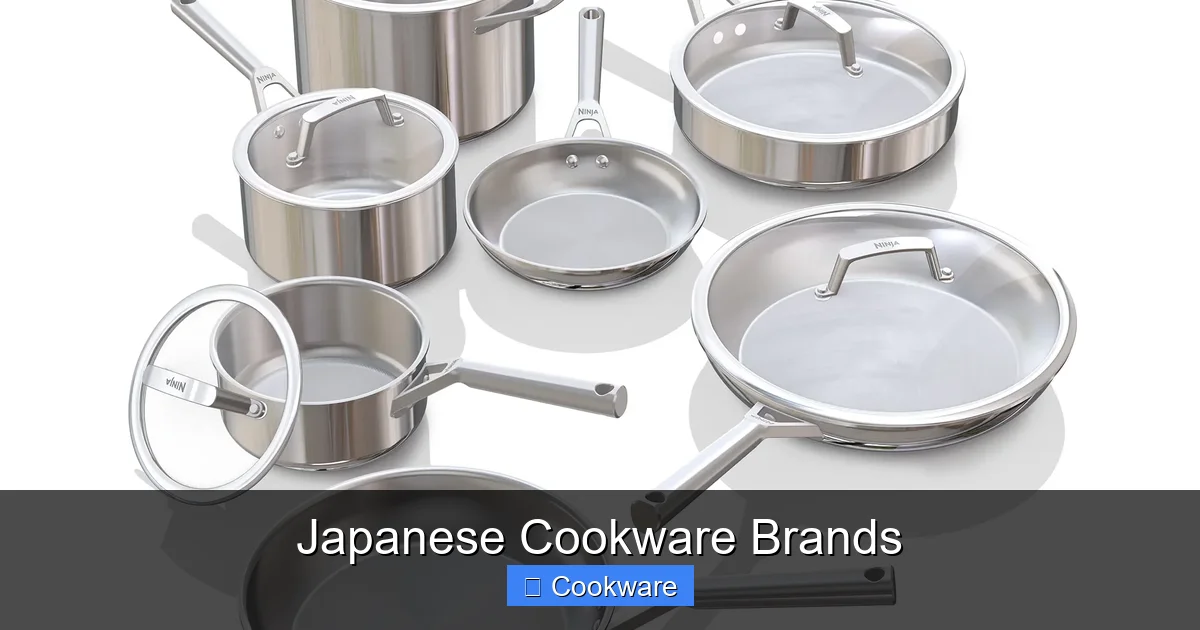
Miyabi is best known for its premium knives, but its cookware line follows the same philosophy of razor‑sharp performance. Miyabi pans feature a copper‑sandwiched core that delivers pinpoint temperature control—ideal for delicate sauces or tempura. The exterior is polished stainless steel, making the pots dishwasher‑safe while still looking restaurant‑grade.
Visual guide about Japanese Cookware Brands
Image source: ninjakitchen.com.au
2. Nissin
Nissin started as a kitchenware supplier in the 1950s and quickly became a household name for non‑stick fry pans. Their signature “Diamond‑Tec” coating resists scratches and maintains a slick surface without the need for excessive oil. Nissin’s pans are also induction‑compatible, a big plus for modern cooktops.
3. Iwachu
Iwachu specializes in cast iron, but their Japanese‑style cast‑iron skillets are lighter than Western counterparts thanks to a thinner wall and a smooth finish. The pans come pre‑seasoned, so you can start cooking right away. They excel at searing meats and creating a perfect crust on bread.
4. T-fal (Japan Division)
While T‑fal is a French brand, its Japanese division focuses on hard‑anodized aluminum cookware that meets the exacting standards of Japanese chefs. The “Thermo‑Spot” technology changes color when the pan reaches optimal cooking temperature, helping beginners avoid over‑cooking.
5. Yamazen
Yamazen produces a range of stainless‑steel and aluminum cookware that emphasizes “light‑weight durability.” Their tri‑ply stainless sets are compatible with gas, electric, and induction stoves. The brand also offers stylish brushed‑finish pots that double as serving dishes.
6. Sori Yanagi
Famous for minimalist design, Sori Yanagi’s cookware focuses on simplicity and ergonomics. The “Maki” line features a single‑piece aluminum body with a non‑stick coating that requires little oil, perfect for health‑conscious cooks.
How to Choose the Right Japanese Cookware for Your Kitchen
Consider Your Cooking Style
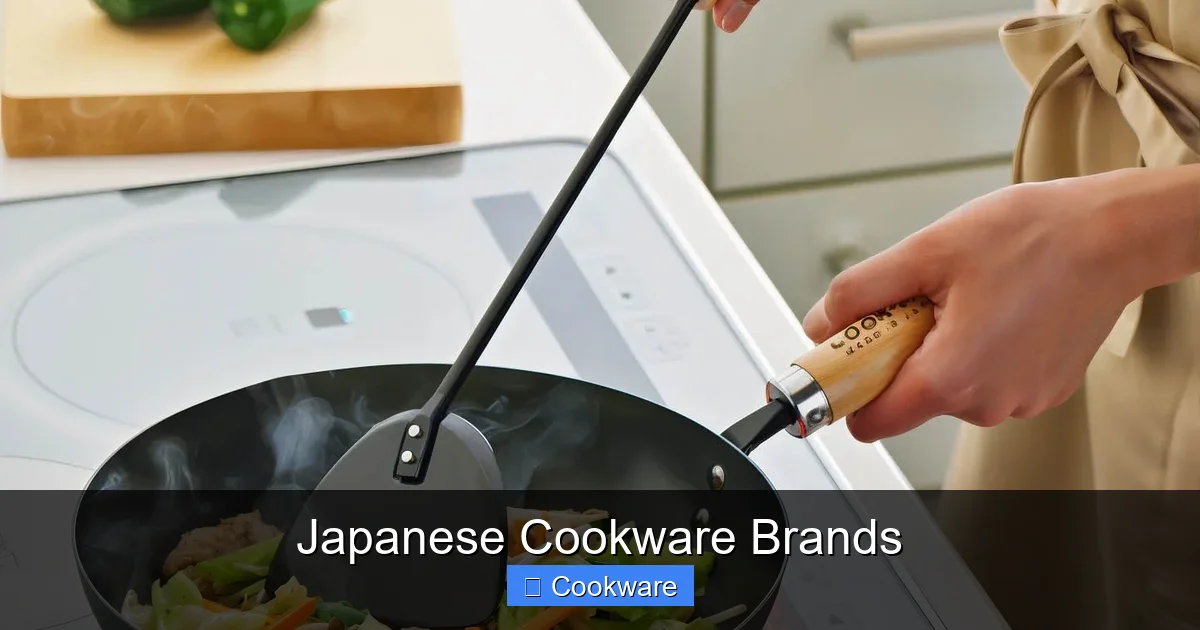
If you love stir‑frying, a lightweight aluminum wok with a non‑stick surface (like those from Nissin) will heat quickly and release food easily. For slow‑simmered soups, a thick‑walled stainless pot from Yamazen retains heat and prevents scorching.
Visual guide about Japanese Cookware Brands
Image source: ginzasteel.com
Match the Material to Your Stove
Induction cooktops need magnetic material. Most Japanese stainless‑steel pans are induction‑ready, but pure aluminum ones are not. Look for a “magnetic base” label or choose a cladded pan that combines aluminum and stainless steel. For more details on induction‑compatible options, see our guide on Best Stainless Steel Cookware For Induction Cooktop.
Check the Handle Design
Ergonomic, heat‑resistant handles make a big difference. Japanese brands often use stainless steel or silicone‑wrapped handles that stay cool. A well‑balanced pan reduces wrist strain, especially when tossing ingredients.
Think About Maintenance
Hard‑anodized aluminum sets are dishwasher‑safe, while carbon steel or cast iron require hand washing and seasoning. If you prefer low‑maintenance, go for a non‑stick or stainless option. Our article on Best Hard Anodized Dishwasher Safe Cookware Set provides more insight.
Set Your Budget
Japanese cookware can range from $30 for a basic fry pan to $500 for a full tri‑ply set. Remember that a higher price often means better heat conductivity and longer lifespan. Investing in a reputable brand usually pays off in fewer replacements.
Practical Tips for Using and Caring for Japanese Cookware
Seasoning Cast Iron and Carbon Steel
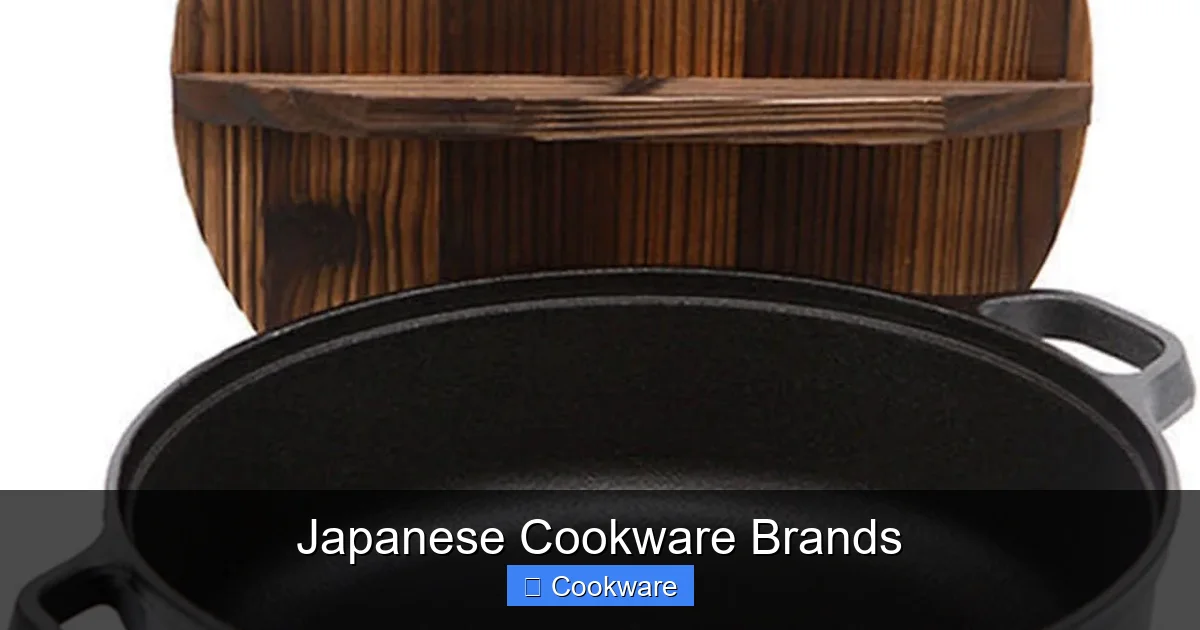
Even pre‑seasoned pans benefit from occasional re‑seasoning. Heat the pan, coat lightly with a high‑smoke‑point oil (such as grapeseed), and bake at 400°F for an hour. This builds a natural non‑stick layer and prevents rust.
Visual guide about Japanese Cookware Brands
Image source: m.media-amazon.com
Cleaning Non‑Stick Surfaces
Use a soft sponge and mild dish soap. Avoid abrasive pads that can damage the coating. For stubborn residue, soak the pan in warm soapy water for 10 minutes before wiping.
Preventing Warping
Never heat an empty pan on high heat. Gradually increase temperature, especially with aluminum cookware. This practice extends the life of the pan and maintains its flat cooking surface.
Storing Your Pans
Stacking pots without protection can cause scratches. Invest in a cookware rack or use a soft liner between pans. Our review of Best Cookware Stands For Storing Pots And Pans offers great options.
Choosing the Right Utensils
Metal utensils can mar non‑stick coatings. Opt for silicone, wood, or nylon tools. For stainless steel cookware, stainless steel spatulas work fine, but avoid sharp edges that could dent the surface. See our guide on Best Utensil Set For Stainless Steel Cookware for more recommendations.
Pairing Japanese Cookware with Complementary Kitchen Gear
Induction Adaptors
If you love a specific Japanese aluminum pan but lack an induction stove, an induction adaptor plate bridges the gap. It’s a thin magnetic sheet that sits between the pan and cooktop, allowing you to use any cookware.
Cookware Sets vs. Individual Pieces
Beginners often buy a full set for convenience, but seasoned cooks prefer selecting individual pieces that match their needs. A good starter kit might include a 10‑inch fry pan, a 2‑quart saucepan, and a 5‑quart stock pot.
Complementary Cookbooks
Japanese recipes often call for specific techniques, such as “tempura‑style” frying or “simmer‑low” broth cooking. Pair your new pans with a reliable Japanese cookbook to get the most out of the equipment.
Conclusion
Japanese cookware brands bring a unique combination of artistry, technology, and practicality to home kitchens. Whether you’re a novice looking for a reliable non‑stick pan or a seasoned chef seeking precision copper‑core pots, there’s a Japanese option that fits your style and budget. By understanding the materials, matching your cookware to your stove, and following simple care tips, you can enjoy years of flawless cooking performance. Explore the brands highlighted above, test a few pieces, and watch your meals transform with the subtle finesse that only Japanese craftsmanship can provide.
Frequently Asked Questions
What makes Japanese cookware different from Western brands?
Japanese cookware often uses thinner, lighter materials and multi‑layered constructions that deliver rapid, even heating while maintaining a sleek aesthetic.
Are Japanese non‑stick pans safe for high‑heat cooking?
Most Japanese non‑stick pans are designed for medium heat. For high‑heat searing, choose a stainless‑steel or cast‑iron option to avoid damaging the coating.
Can I use metal utensils on Japanese stainless‑steel pans?
Yes, stainless‑steel pans can handle metal tools, but it’s best to use silicone or wood utensils on non‑stick surfaces to protect the coating.
Do Japanese cast‑iron skillets need to be seasoned?
Many come pre‑seasoned, but occasional re‑seasoning improves the natural non‑stick layer and extends the pan’s lifespan.
Are Japanese cookware sets compatible with induction cooktops?
Most stainless‑steel and cladded sets are induction‑ready. Always check the product description for a magnetic base or induction compatibility.
How do I store my Japanese cookware to prevent scratches?
Use a cookware rack, add a soft liner between stacked pans, or hang pots with sturdy hooks to keep surfaces pristine.