Lightweight Cookware
Lightweight cookware makes cooking faster, easier, and more enjoyable. It heats quickly, reduces fatigue, and fits perfectly in small kitchens. Our guide explains the best materials, how to choose, and care tips so you can cook like a pro without the extra weight.
Key Takeaways
- Material matters: Aluminum and hard‑anodized alloys are the lightest, while cast iron is heavy but can be avoided.
- Heat distribution: Good lightweight pans spread heat evenly, preventing hot spots.
- Comfort and safety: Lighter handles and balanced weight reduce wrist strain.
- Versatility: Many lightweight sets work on gas, electric, and induction cooktops.
- Care is simple: Most lightweight cookware is dishwasher safe, but a quick hand wash extends life.
- Smart buying: Look for reinforced rims, stay‑cool handles, and a solid warranty.
- Storage tips: Use a cookware stand to keep pans from scratching each other.
📑 Table of Contents
- Why Lightweight Cookware Is Worth the Switch
- Top Materials for Lightweight Cookware
- How Light Weight Improves Your Cooking Experience
- Choosing the Right Lightweight Cookware Set
- Care and Maintenance Tips to Keep Your Lightweight Cookware Light (and Long‑Lasting)
- Top Picks for Lightweight Cookware Sets (2024)
- Conclusion: Lighten Up Your Kitchen Routine
Why Lightweight Cookware Is Worth the Switch
Picture this: you’re flipping a stir‑fry, and the pan feels like a brick. Your wrist aches, the food slides, and you wonder if cooking is worth the effort. Now imagine a pan that glides effortlessly, heats up in seconds, and lets you toss ingredients with confidence. That’s the promise of lightweight cookware.
Lightweight doesn’t mean cheap or flimsy. Modern alloys and engineering give you a pan that’s both feather‑light and durable. The result? Faster heating, less fatigue, and more room to maneuver—especially useful for home cooks who juggle multiple dishes.
Top Materials for Lightweight Cookware
Aluminum
Aluminum is the undisputed champion of lightness. It conducts heat three times faster than stainless steel, so food cooks evenly and quickly. Pure aluminum can react with acidic foods, but most kitchen brands coat it with a non‑stick layer or anodize it for durability.
Visual guide about Lightweight Cookware
Image source: shutterstock.com
Because it’s so light, aluminum pans are ideal for quick sautéing, omelets, and sauces. Just be sure to choose a reputable brand that offers a hard‑anodized finish for extra scratch resistance.
Hard‑Anodized Aluminum
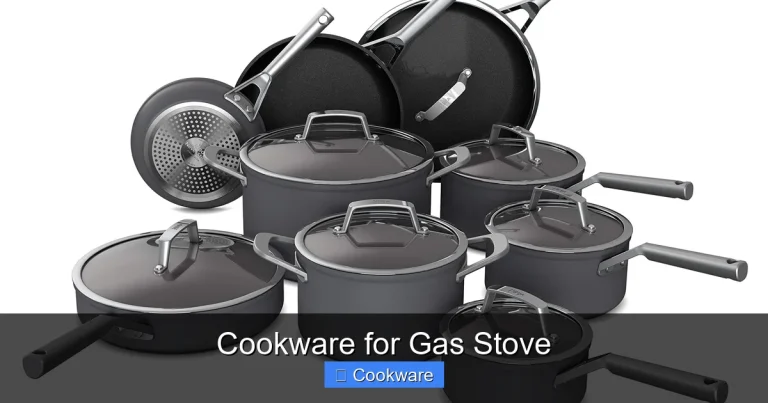
Hard‑anodized aluminum takes the best of plain aluminum and adds a tough, non‑reactive shell. The process creates a hard, ceramic‑like surface that resists scratches and is often dishwasher safe. It’s the material behind many top‑rated lightweight sets, including the Best Hard Anodized Dishwasher Safe Cookware Set 2.
These pans are slightly heavier than bare aluminum but still feather‑light compared to stainless steel or cast iron. They also tend to have stay‑cool handles, which makes them safe for the whole family.
Tri‑Ply and Multi‑Ply Constructions
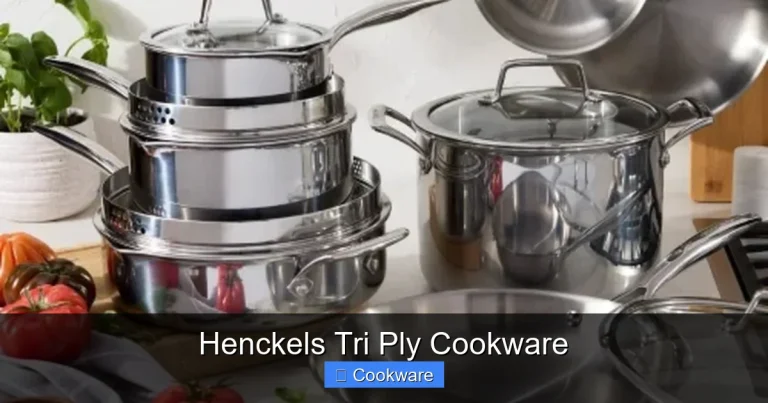
Tri‑ply cookware sandwiches an aluminum core between two layers of stainless steel. The aluminum core keeps the pan light and distributes heat evenly, while the stainless steel exterior gives a sleek look and makes the pan induction‑compatible.
If you want a balance of lightness, durability, and induction readiness, look for a tri‑ply set. The Best 12 Pc Tri Ply Clad Stainless Steel Cookware Set is a great example of this technology.
Carbon Steel
Carbon steel is another lightweight option that’s popular among professional chefs. It heats quickly and develops a natural non‑stick patina over time. However, it requires seasoning and careful drying to prevent rust.
For home cooks who love the wok‑style experience without the weight of cast iron, a carbon‑steel skillet is a solid choice.
How Light Weight Improves Your Cooking Experience
Quicker Heat‑Up Times
Because lighter metals have less mass, they reach cooking temperature faster. That means you spend less time waiting for the pan to heat and more time creating delicious meals.
Visual guide about Lightweight Cookware
Image source: templecycles.co.uk
Reduced Wrist and Arm Fatigue
Heavy pans can strain your wrist, especially when you’re tossing, flipping, or lifting a full skillet. A lightweight pan balances the weight across the handle, letting you move it with minimal effort.
Better Control on the Stove
When a pan is light, you can easily maneuver it around burners of different sizes. This is especially handy on induction cooktops where precise placement matters. For a guide on induction‑friendly options, see our Best Non Stick Cookware For Induction Cooktop article.
Space‑Saving Benefits
Lighter pans often have slimmer profiles and thinner walls, which means they stack neatly in cabinets. Pair them with a cookware stand to protect finishes and keep your kitchen organized.
Choosing the Right Lightweight Cookware Set
Assess Your Cooking Style
Do you stir‑fry daily? Do you love baking and need a sturdy sauté pan? Identify the pieces you use most and prioritize those.
Visual guide about Lightweight Cookware
Image source: media.revolutionrace.com
Check Compatibility with Your Cooktop
Not all lightweight pans work on induction. Look for a magnetic stainless steel base or a tri‑ply construction. Our Best Stainless Steel Cookware For Induction Cooktop guide walks you through the options.
Handle Design Matters
Stay‑cool, riveted handles are a must for safety. Ergonomic grips reduce strain, especially when the pan is full of food.
Non‑Stick vs. Bare Metal
If you cook a lot of eggs or pancakes, a high‑quality non‑stick coating on a lightweight base can be a lifesaver. For searing and browning, a bare metal surface (like stainless steel) gives a better Maillard reaction.
Warranty and Brand Reputation
Lightweight pans can warp if exposed to sudden temperature changes. A solid warranty (ideally 5‑years) signals confidence from the manufacturer.
Care and Maintenance Tips to Keep Your Lightweight Cookware Light (and Long‑Lasting)
Gentle Cleaning
Most hard‑anodized and aluminum pans are dishwasher safe, but hand‑washing with a soft sponge preserves the coating longer. Avoid abrasive pads that can dull the surface.
Avoid Thermal Shock
Never pour cold water into a hot pan. This can warp the thin walls. Let the pan cool slightly before cleaning.
Seasoning Light Carbon Steel
If you own a carbon‑steel skillet, coat it lightly with oil and heat it until it smokes. Wipe away excess oil and store in a dry place. This builds a natural non‑stick layer.
Storage Solutions
Stacking pans directly on top of each other can scratch the interiors. Use a protective liner or a cookware stand to keep each piece safe.
Top Picks for Lightweight Cookware Sets (2024)
Best Overall Light‑Weight Set
12‑Piece Hard‑Anodized Aluminum Set – Offers a perfect blend of weight, durability, and non‑stick performance. Includes a fry pan, sauté pan, and a versatile Dutch oven.
Best for Induction
Tri‑Ply Stainless Steel 15‑Piece Set – The aluminum core keeps it light, while the stainless exterior makes it induction‑ready. Ideal for mixed‑cooktop kitchens.
Best Budget Option
Basic Aluminum Non‑Stick 8‑Piece Set – Super light and affordable, great for students or first‑time cooks. Just watch the temperature to avoid coating wear.
Best for Professionals
Carbon Steel Wok & Skillet Duo – Light as a feather, heats instantly, and develops a seasoned patina over time. Perfect for high‑heat searing.
Conclusion: Lighten Up Your Kitchen Routine
Switching to lightweight cookware can feel like a small change with a huge payoff. Faster heating, easier handling, and more storage space all add up to a smoother cooking experience. By choosing the right material, confirming cooktop compatibility, and caring for your pans properly, you’ll enjoy meals that taste better and a kitchen that feels less like a gym.
So, the next time you reach for a pan, think about weight. A lighter tool can make the difference between a stressful scramble and a joyful culinary adventure.
Frequently Asked Questions
What makes cookware “lightweight”?
Lightweight cookware is typically made from thin‑walled aluminum, hard‑anodized aluminum, or tri‑ply constructions that combine an aluminum core with stainless steel. These materials reduce mass while still delivering even heat distribution.
Can lightweight pans be used on induction cooktops?
Yes, if the pan has a magnetic stainless steel base or a tri‑ply layer that includes steel. Look for “induction‑compatible” labeling or check our guide on the best stainless steel cookware for induction cooktops.
Are hard‑anodized pans dishwasher safe?
Most hard‑anodized aluminum cookware is dishwasher safe, but hand‑washing extends the life of the non‑stick coating. Always follow the manufacturer’s care instructions.
Will lightweight cookware warp easily?
Thin‑walled pans can warp if exposed to sudden temperature changes. Avoid adding cold water to a hot pan and do not heat an empty pan on high for long periods.
How do I prevent my lightweight non‑stick pan from scratching?
Use silicone, wooden, or nylon utensils. Avoid metal spatulas, and store pans with a protective liner or separate them on a cookware stand.
Is lightweight cookware suitable for high‑heat cooking?
Yes, especially if the pan has a reinforced base and is made from hard‑anodized aluminum or carbon steel. For searing, a carbon‑steel skillet or a high‑quality hard‑anodized pan works well.