Long Lasting Cookware
Long lasting cookware isn’t a myth – it’s about choosing the right materials, proper care, and smart buying. Learn how to pick durable pans, maintain them, and avoid common pitfalls for a kitchen that lasts.
Welcome, fellow kitchen lover! If you’ve ever watched a favorite pan warp, lose its shine, or need replacement after just a year, you know the frustration. The good news is that Long Lasting Cookware is within reach. In this guide we’ll explore why durability matters, which materials truly endure, how to pick the perfect set, and simple steps to keep your cookware shining for years.
Think of your cookware as an investment in every meal you’ll ever make. A sturdy skillet can sear a steak, simmer a sauce, and even bake a casserole without warping. When you choose wisely, you save money, time, and the hassle of constant replacements. Let’s dive into the world of Long Lasting Cookware and discover how to make your kitchen tools work harder for you.
Key Takeaways
- Choose quality materials: Stainless steel, cast iron, and hard‑anodized aluminum offer the best durability for Long Lasting Cookware.
- Follow proper maintenance: Gentle cleaning and regular seasoning keep your pans in top shape.
- Avoid metal utensils on non‑stick surfaces: They can scratch coatings and shorten life.
- Preheat slowly and avoid thermal shock: Gradual temperature changes protect the cookware.
- Invest in a set that matches your cooking style: A well‑matched set reduces wear and improves performance.
- Consider price per use: Higher upfront cost often means lower long‑term expense for Long Lasting Cookware.
📑 Table of Contents
Why Durability Matters in Cookware
The Cost of Replacing Cheap Pans
Low‑priced cookware often uses thin metal or low‑quality coatings. These items bend, warp, or lose their non‑stick properties after a few uses. The hidden cost is more than the purchase price – you’ll spend extra on frequent replacements, wasted food, and extra energy to compensate for uneven heating.
How Long Lasting Cookware Saves Money
Investing in durable pieces may feel higher upfront, but the long‑term savings are significant. A high‑quality stainless steel pan can last a decade with proper care. Over that time you’ll buy fewer replacements, use less energy, and enjoy more reliable cooking results. In the end, Long Lasting Cookware pays for itself.
Impact on Food Flavor and Health
Durable cookware distributes heat evenly, which means food cooks consistently. No hot spots mean no burnt edges or undercooked centers. This not only improves taste but also preserves nutrients. When your pans stay reliable, every dish you create benefits.
Top Materials That Stand the Test of Time
Stainless Steel – The Workhorse
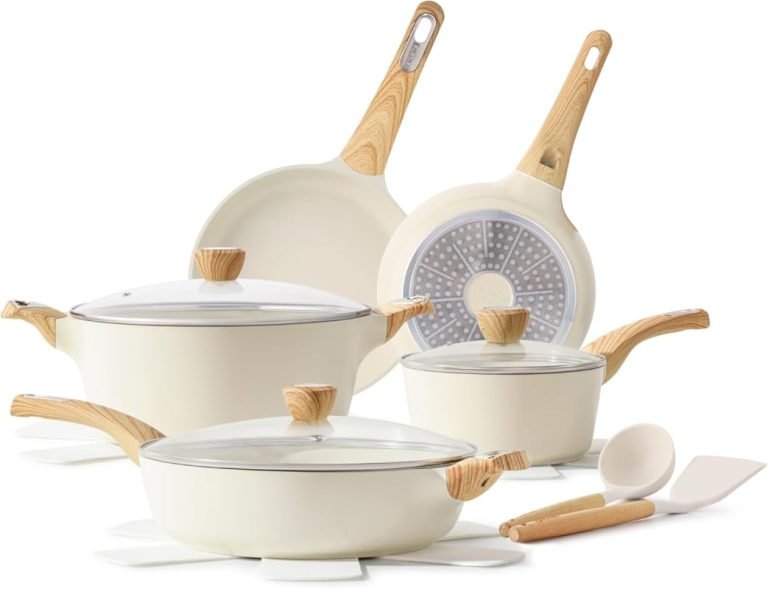
Stainless steel is a favorite for Long Lasting Cookware because it resists rust, stains, and corrosion. Its layered construction often includes an aluminum or copper core for better heat distribution. This combination gives you a pan that can handle high heat, searing, and even oven use without warping. This makes Long Lasting Cookware a reliable choice for home chefs.
Visual guide about Long Lasting Cookware
Image source: i.pinimg.com
Cast Iron – The Classic
Cast iron is legendary for its heat retention. When seasoned properly, it forms a natural non‑stick surface that improves with age. While heavy, a well‑maintained cast iron skillet can last generations, making it a cornerstone of Long Lasting Cookware. Cast iron’s durability makes Long Lasting Cookware a favorite among professional chefs.
Hard‑Anodized Aluminum – Light and Tough
Hard‑anodized aluminum undergoes an electrochemical process that creates a hard, scratch‑resistant surface. It’s lightweight, conducts heat quickly, and won’t react with acidic foods. This makes it a strong contender for everyday cooking in a Long Lasting Cookware lineup. Hard‑anodized aluminum ensures Long Lasting Cookware stays lightweight yet tough.
Non‑Stick Coatings – When They Last
Modern non‑stick coatings have come a long way. Look for PTFE‑free options that are built to resist scratches and high temperatures. While not as durable as stainless or cast iron, a quality non‑stick pan can still be part of Long Lasting Cookware if you treat it gently. Even a non‑stick pan can be part of Long Lasting Cookware if you follow care tips.
Choosing the Right Long Lasting Cookware Set
Assessing Your Cooking Style
Consider the meals you make most often. If you love searing steaks, a heavy stainless steel or cast iron piece is ideal. For quick sautéing of vegetables, a lightweight hard‑anodized pan may be better. Matching the set to your style ensures you get the most use out of each piece.

Visual guide about Long Lasting Cookware
Image source: i.pinimg.com
When you choose a set that fits your cooking style, you are investing in Long Lasting Cookware that will serve you for years.
Set Size and Piece Count
Cookware sets range from a few essentials to full‑size collections. A basic 3‑piece set (saucepan, skillet, pot) covers many basics, while a 10‑piece set adds saucepans, stockpots, and specialty items. Choose a size that fits your kitchen space and cooking habits for optimal Long Lasting Cookware value. A well‑balanced set reduces wear and extends the life of your Long Lasting Cookware.
Matching Cookware to Your Stove
Induction‑ready stainless steel works on induction, gas, and electric stovetops. Cast iron is versatile but can be heavy on smooth‑top ranges. Check the manufacturer’s guidance to avoid damage and ensure the best performance of your Long Lasting Cookware. Choosing the right pan for your stove maximizes the benefits of Long Lasting Cookware.
For a deeper look at stainless options, check out Best Stainless Cookware Sets For Long Lasting Use. This resource helps you compare brands and features.
Maintenance Tips to Extend Lifespan
Cleaning Do’s and Don’ts
Hand wash your pans with mild dish soap and a soft sponge. Avoid abrasive scouring pads that can scratch surfaces. For stubborn residue, soak the pan in warm water before gentle scrubbing. Dry immediately to prevent water spots, especially on stainless steel.
Visual guide about Long Lasting Cookware
Image source: illustfree.jp
Seasoning Cast Iron Properly
After each use, dry the cast iron thoroughly. Apply a thin layer of high‑smoke‑point oil and heat it briefly to create a protective layer. This routine keeps the seasoning intact and prevents rust, extending the life of your cast iron pieces in the Long Lasting Cookware family.
Avoiding Thermal Shock
Never place a hot pan directly into cold water or on a cold burner. Sudden temperature changes can cause warping or cracking. Let the pan cool slightly before cleaning or storing. This habit protects the integrity of your Long Lasting Cookware. Preventing thermal shock protects the integrity of Long Lasting Cookware. Regular gentle cleaning keeps your Long Lasting Cookware looking new.
For tips on searing and oven finishes, see How Long To Put Steak In Oven After Sear. Proper searing techniques complement your durable pans.
Common Mistakes That Shorten Cookware Life
Using Metal Utensils on Non‑Stick Surfaces
Metal spoons, spatulas, or whisks can scrape away the protective coating on non‑stick pans. Over time, the coating wears thin, leading to food sticking and eventual replacement. Opt for silicone, wood, or heat‑resistant plastic tools to keep your non‑stick surfaces pristine. Avoiding metal tools helps preserve the finish of Long Lasting Cookware.
Overheating Empty Pots
Heating an empty pan, especially stainless steel, can cause discoloration and hot spots. Always add a little oil or food before turning up the heat. This simple habit preserves the pan’s finish and maintains even heating for your Long Lasting Cookware. Even brief overheating can damage Long Lasting Cookware if not watched.
Improper Storage
Stacking pans without protective liners can lead to scratches. Use pan protectors or place a paper towel between pieces. Store lids separately to avoid dents. Proper storage keeps each piece in top condition, ensuring your Long Lasting Cookware stays functional for years. Proper storage prevents scratches and maintains the performance of Long Lasting Cookware.
Investing Wisely: Value vs. Price
Price per Use Calculation
Instead of focusing only on the sticker price, calculate the cost per use. Divide the total cost by the expected number of meals you’ll prepare. A $150 stainless skillet that lasts 10 years and sees 300 uses equates to $0.50 per use, which is a great value compared to a $30 pan that may need replacement every year.
Just as you might time a 3‑lb prime rib for optimal tenderness, a durable pan ensures even heat throughout. For more on cooking times, see How Long To Cook 3 Lb Prime Rib In Oven. This connection highlights how reliable cookware supports consistent results in Long Lasting Cookware.
For a deeper look at oven safety, check out How Long To Cook Chicken Breast At 450 In Oven. Knowing the correct oven times helps you use your Long Lasting Cookware to its full potential.
Warranty and Brand Reputation
Reputable brands often back their products with strong warranties. A lifetime warranty on the interior coating or a 5‑year warranty on the exterior signals confidence in durability. A strong warranty reflects confidence in Long Lasting Cookware durability. Choosing a brand with a solid reputation adds peace of mind to your Long Lasting Cookware investment.
When to Upgrade
Even the best pans eventually show signs of wear. Look for scratches that affect performance, warped bases, or loose handles. When it’s time, replace with a comparable set rather than a cheap alternative. Upgrading wisely keeps your kitchen efficient and your meals delicious. Knowing when to replace your pan protects the overall value of your Long Lasting Cookware collection.
Conclusion
Choosing Long Lasting Cookware is about more than just buying a shiny pan. It’s about understanding materials, matching sets to your cooking style, maintaining them properly, and avoiding common pitfalls. By investing in quality, caring for your cookware, and learning the right techniques, you’ll enjoy reliable performance for years to come. Your kitchen will thank you, and so will your taste buds. Choosing Long Lasting Cookware wisely ensures your kitchen stays efficient for years to come. With proper care, your kitchen tools will stay reliable for many years, making every meal preparation a joy.
Frequently Asked Questions
Question?
What makes a cookware set truly long lasting?
Durable materials like stainless steel, cast iron, or hard‑anodized aluminum, combined with proper maintenance, give a set its longevity. Look for solid construction, good heat distribution, and a warranty that reflects the brand’s confidence.
Question?
Can I use metal utensils on stainless steel pans?
Yes, stainless steel is sturdy enough to handle metal tools without scratching. However, for non‑stick surfaces, it’s best to stick with silicone or wood to preserve the coating.
Question?
How often should I season my cast iron cookware?
Season after each use or whenever the surface looks dry. A light coat of oil heated briefly restores the protective layer and keeps the pan ready for the next meal.
Question?
Do I need to preheat my pan before adding oil?
Preheating the pan slightly before adding oil helps create an even surface and prevents sticking. This step works well with both stainless steel and cast iron for optimal cooking results.
Question?
Is it safe to put my long lasting cookware in the oven?
Most high‑quality stainless steel, cast iron, and hard‑anodized pans are oven‑safe up to 450°F or higher. Always check the manufacturer’s temperature limit to avoid damage.
Question?
Can I use my long lasting cookware on induction stovetops?
Only pans with magnetic bases work on induction. Stainless steel with an iron core or cast iron pieces are typically induction‑compatible. Verify the product description before buying.