Non Toxic Cookware Utensils
Choosing non toxic cookware utensils means selecting tools made from safe materials like silicone, wood, or stainless steel that won’t leach harmful chemicals into your food. This guide covers the best options, how to care for them, and why they matter for a healthier kitchen. Make every stir, flip, and serve a step toward toxin‑free cooking.
When you invest in quality cookware, the last thing you want is to undermine its safety with utensils that release toxins into your meals. Many conventional kitchen tools contain chemicals like BPA, phthalates, or low‑grade metals that can leach at high temperatures. Switching to non toxic cookware utensils protects your health, preserves the integrity of your pots and pans, and supports a more sustainable kitchen.
This guide walks you through everything you need to know about selecting, using, and caring for safe utensils. We’ll explore the best materials, highlight top‑rated tools for everyday tasks, and share practical tips for cleaning and storage. By the end, you’ll feel confident that every flip, stir, and serve contributes to a toxin‑free cooking experience.
Key Takeaways
- Material matters: Silicone, bamboo, hardwood, and food‑grade stainless steel are the safest choices for non toxic cookware utensils.
- Heat resistance: Look for utensils rated to at least 450 °F (232 °C) to avoid melting or warping during high‑heat cooking.
- Non‑stick compatibility: Silicone, wood, and nylon are gentle on coated pans, while stainless steel works best on sturdy stainless steel or cast iron surfaces.
- Easy maintenance: Most silicone and nylon utensils are dishwasher safe; wood requires hand washing and occasional oiling to prevent cracking.
- Smart storage: A dedicated drawer organizer keeps utensils accessible, prevents damage, and extends their lifespan.
- Certifications help: Choose products labeled BPA‑free, FDA‑approved, or LFGB‑certified for guaranteed safety.
📑 Table of Contents
Why Choose Non Toxic Cookware Utensils?
Health‑conscious cooks are increasingly aware that what touches their food matters just as much as the ingredients themselves. Utensils made from unsafe materials can release harmful substances when heated, especially when used with acidic or fatty foods. Over time, even low‑level exposure may contribute to hormonal disruption, oxidative stress, or other health concerns.
Health Benefits
Using non toxic cookware utensils eliminates the risk of ingesting chemicals like BPA, which has been linked to endocrine disruption. Silicone, wood, and food‑grade stainless steel are inert, meaning they don’t react with food or release particles under normal cooking temperatures. This simple swap can reduce your overall chemical load and promote peace of mind while you prepare meals.
Environmental Impact
Many sustainable utensil options are biodegradable or made from renewable resources. Bamboo and wood utensils, for instance, come from fast‑growing plants and can be composted at the end of their life. Silicone, while not biodegradable, is durable and recyclable in specialized facilities, reducing waste compared to single‑use plastic tools. Choosing eco‑friendly utensils supports a circular economy and lessens landfill burden.
Materials That Make Utensils Non Toxic
Not all materials are created equal when it comes to safety. Below we break down the most common non‑toxic options, their strengths, and ideal uses in the kitchen.
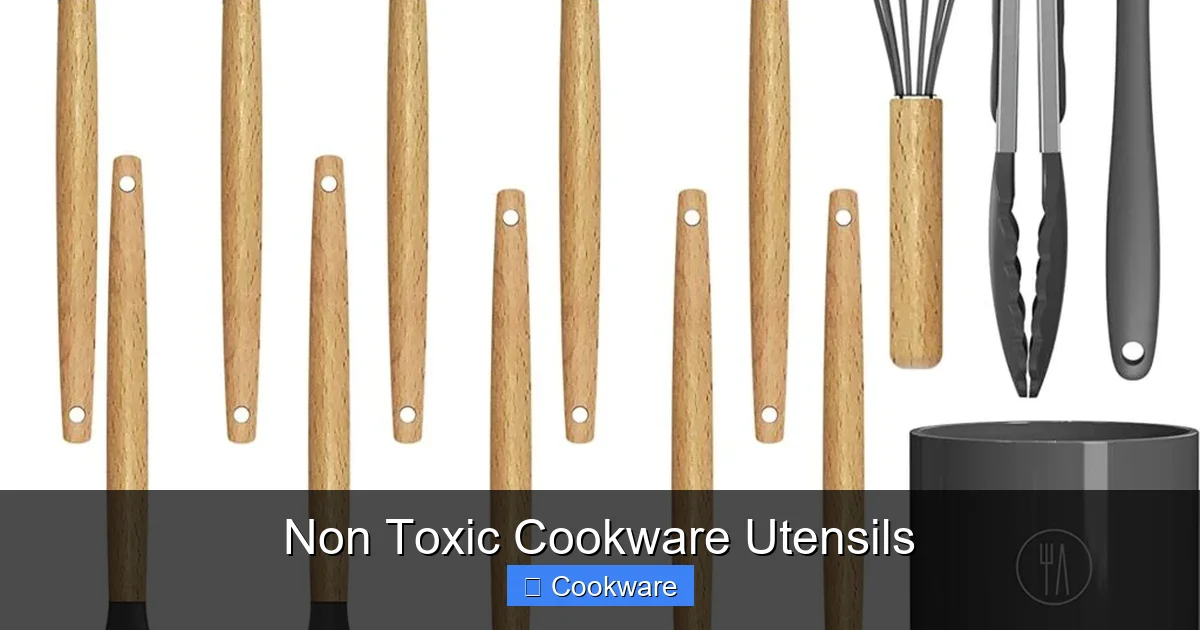
Visual guide about Non Toxic Cookware Utensils
Image source: onekitchenreview.com
Silicone
Food‑grade silicone is a popular choice for spatulas, whisk heads, and basting brushes. It tolerates temperatures up to 500 °F (260 °C), resists staining, and is naturally non‑stick. Look for 100 % platinum‑cured silicone, which is free of fillers that could compromise safety. Silicone utensils are flexible, making them ideal for scraping bowls and folding delicate batters.
Wood (Bamboo and Hardwood)
Wooden utensils bring a classic feel and are naturally antibacterial when properly maintained. Bamboo is a rapidly renewable resource, while hardwoods like maple, beech, and olive offer durability and a smooth finish. To keep wood safe, hand‑wash with mild soap, dry promptly, and treat occasionally with food‑grade mineral oil to prevent cracking.
Stainless Steel
High‑quality, food‑grade stainless steel (typically 18/8 or 304 grade) is non‑reactive, corrosion‑resistant, and incredibly sturdy. It’s perfect for tasks that require strength, such as flipping heavy steaks or scraping fond from a pan. When paired with stainless steel cookware, these utensils won’t scratch the surface. For a curated selection of tools that work perfectly with stainless steel cookware, see our guide on the best cooking utensils for stainless steel pans.
Nylon (Food‑Grade)
Nylon utensils are lightweight, affordable, and safe for use with non‑stick surfaces up to about 400 °F (204 °C). They resist heat better than many plastics and are less likely to melt than cheaper alternatives. Ensure the nylon is labeled BPA‑free and FDA‑approved for food contact.
Materials to Avoid
Steer clear of utensils made from low‑grade plastics, melamine, or unspecified “plastic” blends, as these can release formaldehyde or melamine when heated. Avoid aluminum utensils with non‑anodized coatings, which may leach metal into acidic foods. Always check for clear labeling and certifications before purchase.
Top Non Toxic Cookware Utensils for Every Kitchen
Now that you know which materials are safe, let’s look at specific utensil types that earn a place in a health‑focused kitchen.
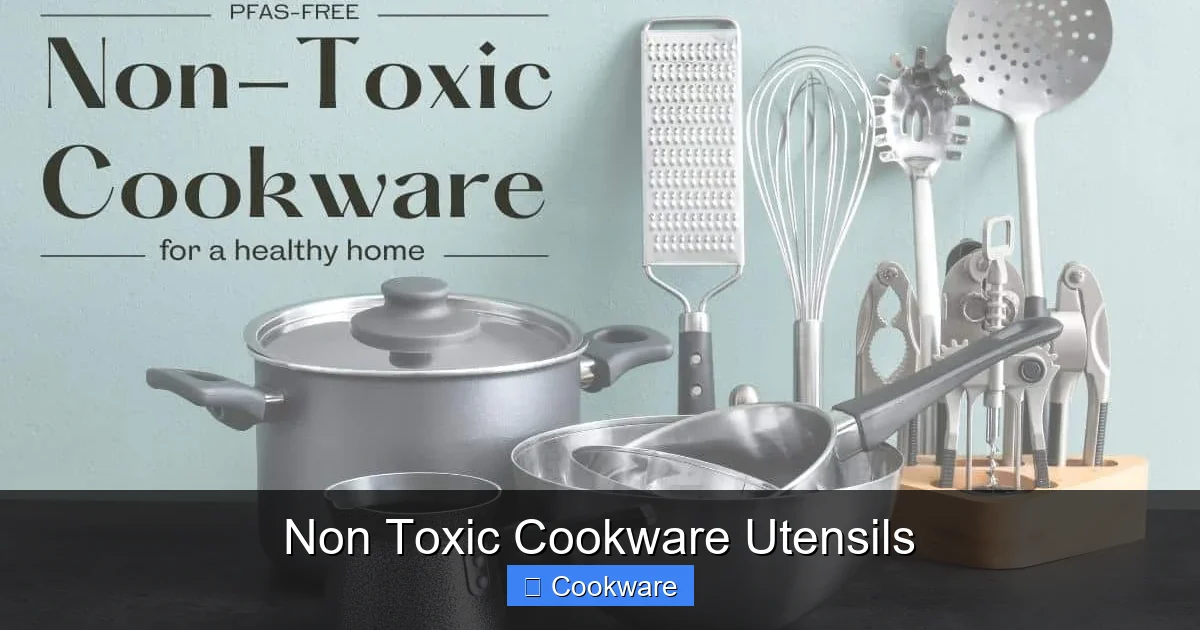
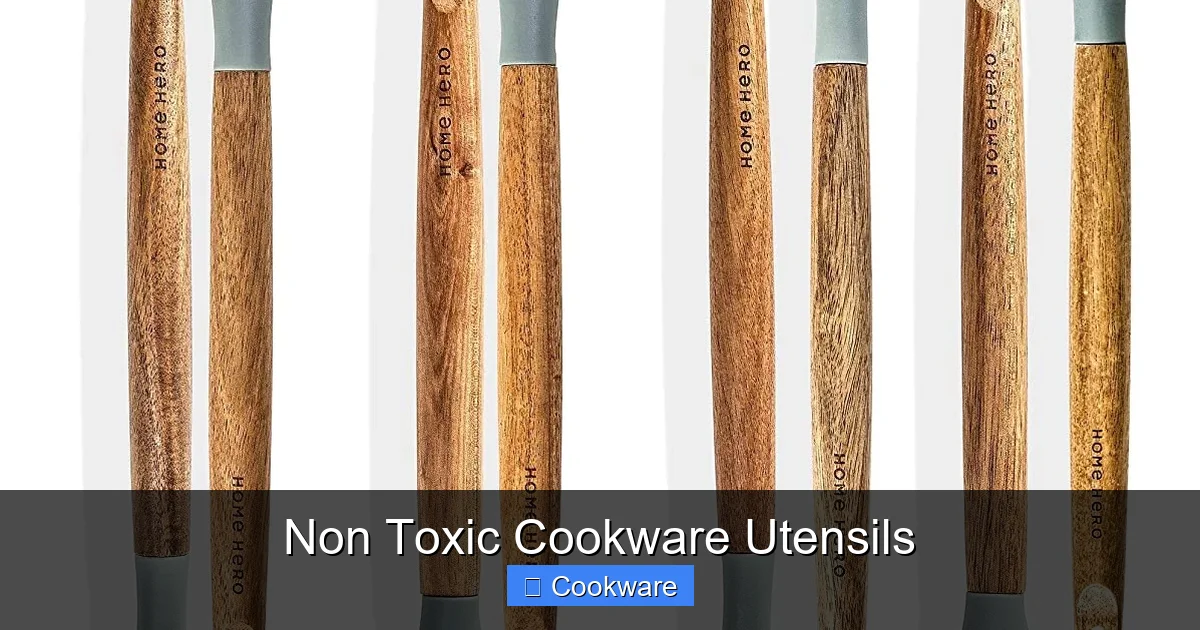
Visual guide about Non Toxic Cookware Utensils
Image source: umbelorganics.com
Spatulas and Turners
A good spatula should be flexible enough to flip pancakes yet sturdy enough to lift a burger. Silicone‑headed spatulas with stainless steel handles offer the best of both worlds: heat resistance, non‑stick friendliness, and durability. For tasks that need a rigid edge, a flat wooden turner works well on stainless steel or cast iron.
Spoons and Ladles
Solid silicone spoons are perfect for stirring sauces, soups, and batters without scratching pots. Wooden spoons add a traditional touch and are ideal for mixing doughs. Ladles made from stainless steel with silicone grips provide a secure hold when serving hot liquids.
Whisks
Look for whisks with stainless steel wires and silicone or nylon coatings on the handle ends. This combination prevents scratching on non‑stick surfaces while giving you the strength needed for emulsifying dressings or whipping cream. Balloon whisks work great for incorporating air, while flat whisks excel at smoothing gravies.
Tongs
Tongs with silicone tips and stainless steel arms provide a firm grip without damaging delicate foods or cookware. Locking mechanisms make storage easy, and a scalloped edge helps grasp slippery items like asparagus or pasta. If you prefer an all‑metal option, choose high‑grade stainless steel tongs with a comfortable, heat‑resistant grip.
Specialty Tools
Peelers, zesters, and garlic presses also come in non‑toxic versions. Stainless steel blades with ergonomic handles made from recycled plastic or wood ensure safety and comfort. For those who love baking, a silicone pastry brush offers even glaze distribution without shedding bristles.
How to Care for Your Non Toxic Cookware Utensils
Proper maintenance extends the life of your utensils and ensures they remain safe to use. Different materials require slightly different approaches.
Cleaning Silicone and Nylon
Most silicone and nylon utensils are dishwasher safe, but placing them on the top rack prevents exposure to the heating element, which can degrade silicone over time. For stubborn residue, soak in warm, soapy water for 10‑15 minutes before scrubbing with a soft sponge. Avoid abrasive pads that could create micro‑tears.
Maintaining Wooden Utensils
Never soak wooden utensils for extended periods, as this can cause warping or cracking. Wash promptly with mild soap, rinse, and dry immediately with a towel. Once a month, rub the surface with food‑grade mineral oil or a beeswax‑based conditioner to keep the wood supple and prevent drying out.
Stainless Steel Care
Stainless steel utensils are generally dishwasher safe, but hand washing can preserve their shine. To remove stubborn stains or heat tint, make a paste of baking soda and water, apply gently, and rinse thoroughly. Avoid chlorine‑based cleaners, which can cause pitting over time.
Storage Tips
Storing utensils loosely in a drawer can lead to nicks and dull edges. A dedicated organizer keeps each tool in its place, reduces friction, and makes it easy to find what you need. For a stylish and functional solution, check out our recommendation for the best kitchen drawer organizer for large utensils. If you prefer a countertop crock, choose one with a wide base to prevent tipping and a removable liner for easy cleaning.
Buying Guide: What to Look For
With so many options on the market, knowing what to prioritize simplifies the shopping process.
Certifications and Labels
Look for clear indications that the product is BPA‑free, phthalate‑free, and made from food‑grade silicone or stainless steel. Certifications such as FDA approval, LFGB (European standard), or NSF International add an extra layer of trust. Some brands also highlight that their silicone is platinum‑cured, which ensures purity.
Heat Resistance
Check the manufacturer’s temperature rating. For high‑heat tasks like searing or grilling, choose utensils rated to at least 450 °F (232 °C). Silicone typically exceeds this, while nylon may be lower—match the rating to your cooking style.
Ergonomics and Grip
Comfort matters, especially if you spend long periods cooking. Look for handles with a non‑slip texture, a balanced weight, and a shape that fits naturally in your hand. Some brands offer soft‑touch overmolds or contoured designs that reduce fatigue.
Price vs. Quality
While it’s tempting to go for the cheapest option, investing in a higher‑quality utensil often pays off in longevity and safety. A well‑made silicone spatula can last years, whereas a low‑grade plastic version may warp after a few uses. Consider sets that include a variety of essential tools; they often provide better value than buying pieces individually.
Integrating Non Toxic Utensils with Your Cookware
Your utensils should complement, not compromise, your cookware. Here’s how to match them effectively.
Pairing with Stainless Steel Pans
Stainless steel surfaces are durable and can handle metal utensils without damage. If you own stainless steel pots and pans, a set of high‑grade stainless steel spoons, spatulas, and tongs will give you precision and strength. For a complete set tailored to this combination, see our article on the best utensil set for stainless steel cookware.
Using with Non‑Stick Surfaces
Non‑stick coatings require gentle tools to avoid scratching. Silicone, wood, and nylon are ideal choices because they are soft enough to protect the coating while still being effective for stirring and flipping. If you’re curious about which non‑stick pans tolerate occasional metal utensils, read our guide on the best non‑stick pan you can use metal utensils.
Compatibility with Induction Cooktops
Induction heating works with the cookware itself, not the utensils, so any non‑toxic utensil is safe to use on induction‑compatible pans. Just ensure your pots and pans have a magnetic base; the utensil material won’t affect the induction process.
By thoughtfully selecting non toxic cookware utensils, matching them to your cookware, and caring for them properly, you create a kitchen environment that supports both health and culinary excellence. Every meal becomes an opportunity to nourish your body without unwanted chemicals, and that’s a habit worth cultivating.
Conclusion
Choosing the right utensils is a small but powerful step toward a safer, more enjoyable cooking experience. Prioritize materials like silicone, wood, bamboo, and food‑grade stainless steel, and look for clear certifications that guarantee safety. Remember to match your utensils to your cookware—use gentle tools on non‑stick surfaces and sturdy stainless steel options on durable pans. Proper cleaning, drying, and storage will keep your utensils performing at their best for years to come. With the information in this guide, you’re now equipped to build a collection of non toxic cookware utensils that helps you cook with confidence, flavor, and peace of mind.
Frequently Asked Questions
Are silicone utensils really safe for high‑heat cooking?
Yes, food‑grade platinum‑cured silicone can typically withstand temperatures up to 500 °F (260 °C) without melting or releasing harmful substances. Always check the manufacturer’s rating and avoid using silicone utensils under a broiler or direct flame, which can exceed their safe limit.
How often should I oil my wooden utensils?
For optimal maintenance, apply a thin layer of food‑grade mineral oil or a beeswax‑based conditioner once a month, or whenever the wood looks dry. This prevents cracking, keeps the surface smooth, and extends the utensil’s lifespan.
Can I put stainless steel utensils in the dishwasher?
Most high‑grade stainless steel utensils are dishwasher safe, but placing them on the top rack reduces exposure to intense heat and harsh detergents. Hand washing with mild soap helps preserve their shine and prevents water spots.
What’s the difference between BPA‑free and FDA‑approved silicone?
“BPA‑free” means the product does not contain bisphenol A, a specific endocrine disruptor. “FDA‑approved” indicates that the silicone material meets the U.S. Food and Drug Administration’s standards for food contact, which includes restrictions on BPA and other harmful substances. Ideally, look for both labels.
Do non‑toxic utensils work well with cast iron pans?
Absolutely. Silicone, wood, and nylon are gentle on cast iron’s seasoned surface, while stainless steel utensils are also safe because cast iron is extremely durable. Just avoid using sharp metal edges that could chip the seasoning if you’re not careful.
Is it worth buying a utensil set versus individual pieces?
Buying a set often provides better value and ensures that all pieces share the same quality standards and aesthetic. Sets typically include a range of essential tools—spatulas, spoons, tongs, and whisks—so you have everything you need for various cooking tasks without having to shop separately.