Pasta Pot for Induction Cooktop
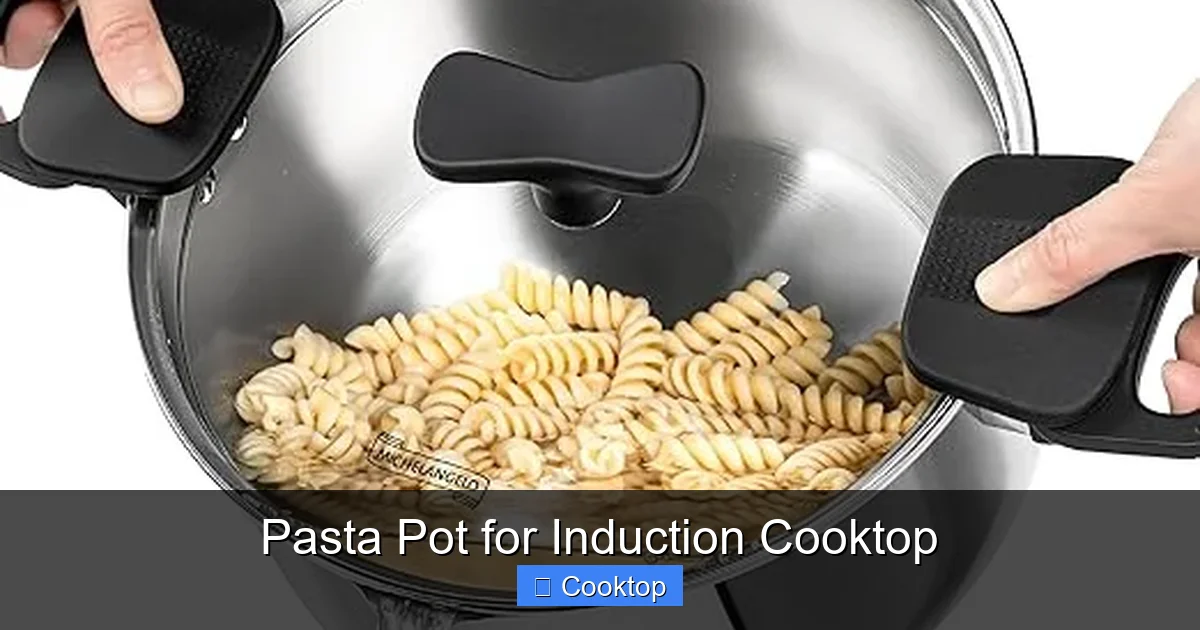
Looking for the ultimate Pasta Pot For Induction Cooktop? This guide covers everything you need, from why it matters to top picks and maintenance tips, so you can enjoy restaurant‑quality pasta at home.
Key Takeaways
- Heat Efficiency: A flat‑bottomed Pasta Pot For Induction Cooktop delivers even heat for perfect al dente noodles.
- Size Matters: Choose a pot that fits your family size—4–6 servings or 8–10 servings for gatherings.
- Material Choice: Stainless steel, aluminum, and copper blends each offer unique benefits for induction use.
- Durable Design: Look for reinforced lids, ergonomic handles, and a secure spout for spill‑free pouring.
- Maintenance: Regular cleaning prevents rust and scale, extending your Pasta Pot For Induction Cooktop’s life.
📑 Table of Contents
Introduction
Every kitchen lover knows that nothing beats a steaming bowl of pasta. But when you have an induction cooktop, you need a pot that can keep up. A specialized Pasta Pot For Induction Cooktop is more than just a container; it’s a tool that ensures even heating, quick boiling, and easy cleanup. In this guide, we’ll walk through the key reasons to choose a dedicated pasta pot, how to pick the right size and material, and what features make the best options stand out. By the end, you’ll feel confident selecting a pot that turns ordinary noodles into a culinary delight.
Why a Dedicated Pasta Pot Matters
Induction cooktops rely on magnetic fields to heat cookware. Not every pot works well. A Pasta Pot For Induction Cooktop is engineered with a flat, magnetic base that spreads heat evenly across the bottom. This means the water boils faster and the pasta cooks uniformly. If you use a generic pot, you’ll notice hot spots, uneven cooking, and frustrating wait times.
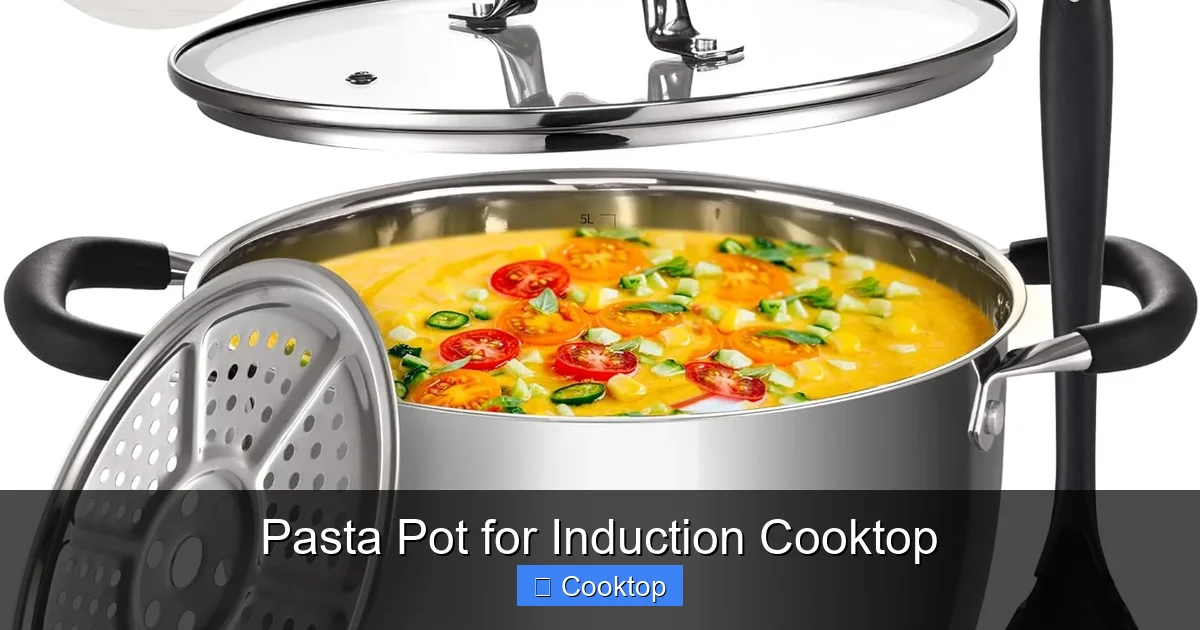
Visual guide about Pasta Pot for Induction Cooktop
Image source: m.media-amazon.com
Heat Distribution on Induction
The flat base of a Pasta Pot For Induction Cooktop ensures the magnetic field is fully engaged. The result is rapid, consistent heating. This is essential for pasta, which needs a steady boil to prevent sticking and overcooking. A pot with an uneven bottom will create cold spots, causing uneven starch release and clumping.
Capacity and Design Features
When choosing a Pasta Pot For Induction Cooktop, think about how many servings you usually cook. A 4–6 cup pot is great for solo meals, while an 8–10 cup pot handles family dinners. Most pots also feature a tall, narrow neck that keeps the lid on tight, preventing steam loss. Some models include a built‑in ladle or a detachable spout for easy draining.
Material Matters: Stainless Steel, Aluminum, Copper, etc.
Stainless steel is the most common choice for its durability and resistance to rust. Aluminum offers excellent heat conduction but may warp if not properly forged. Copper cores give the best temperature control but require polishing. A good Pasta Pot For Induction Cooktop often blends these materials, providing the best of all worlds.
Choosing the Right Size for Your Family
Size is a major factor in a pot’s performance. A too‑small pot forces you to cook in batches, while a too‑large pot wastes energy. Here’s what to consider:
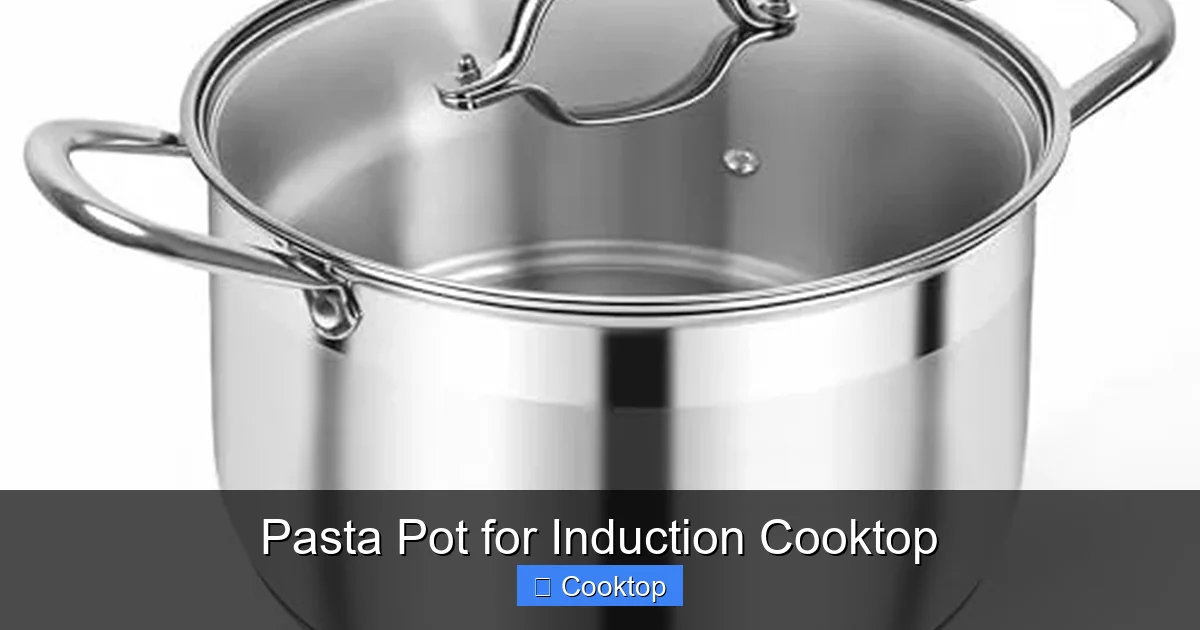
Visual guide about Pasta Pot for Induction Cooktop
Image source: m.media-amazon.com
4–6 Servings
Ideal for individuals or couples. A 4–6 cup pot typically weighs 1–2 pounds and boils water in 1–2 minutes on induction. It’s lightweight and easy to handle.
8–10 Servings
Perfect for dinner parties or small families. A 8–10 cup pot offers a larger surface area, reducing cooking time. Most induction cooktops can handle this size without overheating.
Large Family and Party Sizes
If you host frequent gatherings, consider a 12–15 cup pot. The larger volume means you can cook a full pot of spaghetti, lasagna, or even a big batch of mac and cheese in one go. Just make sure your induction surface is rated for the pot’s weight.
Key Features to Look For
Beyond size, certain features set a high‑quality Pasta Pot For Induction Cooktop apart. Check these when shopping:
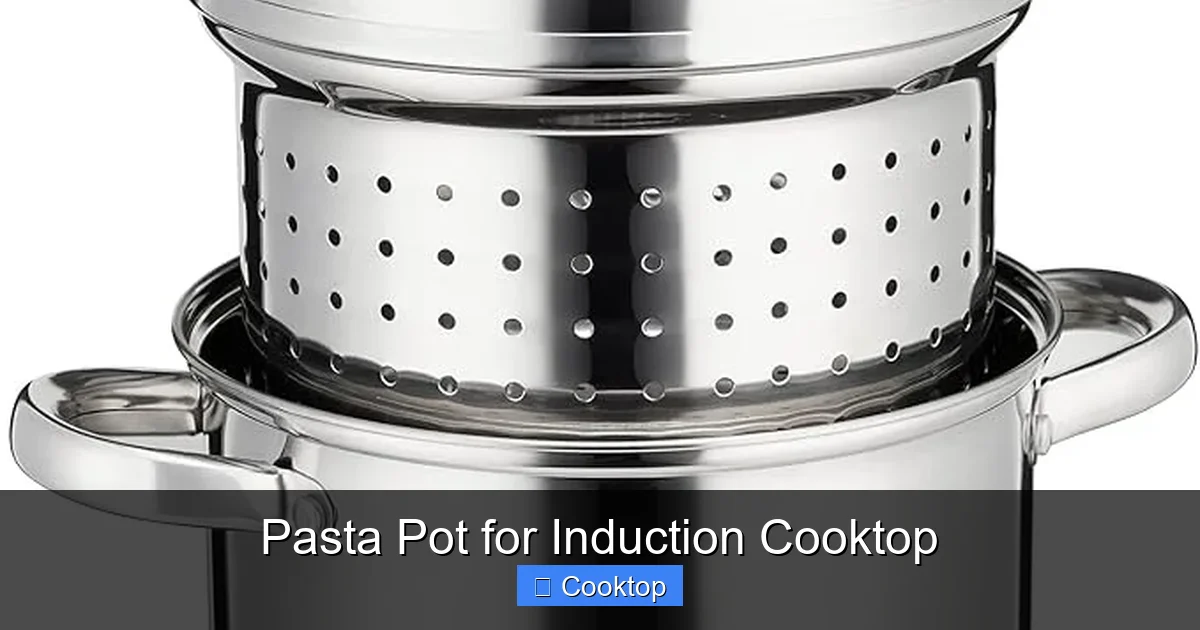
Visual guide about Pasta Pot for Induction Cooktop
Image source: m.media-amazon.com
Flat Bottom for Induction Compatibility
All induction‑friendly pots must have a flat, magnetic base. Look for a stainless steel or iron layer in the bottom. This ensures the pot sits securely and heats evenly.
Spout and Lid Design
A deep, narrow spout lets you pour sauce or drain pasta without splashing. A lid with a vent or an extended brim keeps steam from escaping too quickly, maintaining a consistent boil.
Durability and Warranty
High‑grade pots often come with a 5‑ to 10‑year warranty. This guarantees the base won’t warp and that the handle will stay secure. A solid warranty is a sign of confidence from the manufacturer.
Top Picks (With Internal Links)
If you’re ready to buy, consider these trusted options that fit the Pasta Pot For Induction Cooktop criteria:
Best 12 Qt Stock Pot For Induction Cooktop
This 12‑quart pot blends stainless steel and aluminum for rapid heating. Its flat bottom makes it induction‑ready, while the wide opening simplifies spooning sauces. It’s a great all‑rounder for those who love large servings.
Check out the Best 12 Qt Stock Pot For Induction Cooktop guide for deeper insights.
Best Stainless Steel Cookware For Induction Cooktop
Stainless steel is the gold standard for durability. This set features a magnetic base, a wide rim, and a sturdy handle. It’s easy to clean and resists stains, making it a top choice for a Pasta Pot For Induction Cooktop.
See our review on Best Stainless Steel Cookware For Induction Cooktop for comparison.
Best Pots And Pans For Induction Cooktop
For those who want a versatile set, this collection includes a dedicated pasta pot. The pots share a uniform base, ensuring they all work on induction. They’re also dishwasher safe, a huge win for busy cooks.
Explore the full lineup in our Best Pots And Pans For Induction Cooktop article.
Maintenance and Care
Keeping your Pasta Pot For Induction Cooktop in top shape means following a few simple steps. Regular care prevents rust, scale, and keeps the pot looking new.
Cleaning Tips
After cooking, let the pot cool slightly, then rinse with warm water. Use a soft sponge and mild dish soap. Avoid steel wool or harsh abrasives that can scratch the finish.
Avoiding Scale and Stubborn Stains
For hard water deposits, fill the pot with water, add a splash of vinegar, and bring to a boil. Let it sit for 10 minutes, then rinse. This quick trick dissolves mineral buildup.
Storing Your Pasta Pot For Induction Cooktop
Store the pot with the lid slightly open to allow air circulation. If you stack pots, place a paper towel between them to prevent scratches. This simple habit extends the life of your cookware.
Conclusion
Choosing the right Pasta Pot For Induction Cooktop is a game‑changer for anyone who loves pasta. The right pot heats evenly, cooks quickly, and is easy to clean. Pay attention to size, material, and induction compatibility, and you’ll enjoy perfectly cooked noodles every time. With our top picks and maintenance tips, you’re ready to upgrade your kitchen and impress friends and family with restaurant‑style pasta dishes.
Frequently Asked Questions
What makes a Pasta Pot For Induction Cooktop different from a regular pot?
A Pasta Pot For Induction Cooktop has a flat, magnetic base that works with the induction’s magnetic field, ensuring even heating. Regular pots may not heat evenly or may not fit properly on induction.
Can I use a stainless steel pot on induction?
Only if it has a magnetic base. Look for a stainless steel pot with a ferrous layer in the bottom. That makes it induction‑friendly.
How do I know if my induction cooktop can handle a large pasta pot?
Check the cooktop’s maximum weight rating. Most home induction burners handle up to 5–6 kg. A 12‑quart pot usually weighs under 3 kg, so it’s safe.
Is it okay to boil pasta directly in the pot without adding extra water?
No, you need enough water to cover the pasta by at least an inch. This prevents sticking and ensures even cooking.
How long does a good Pasta Pot For Induction Cooktop last?
With proper care, a high‑quality pot can last 10–15 years. Look for pots with warranties and solid construction for longevity.
Can I use a Pasta Pot For Induction Cooktop for other dishes?
Absolutely. It’s great for sauces, soups, and even steaming vegetables. Its even heat makes it versatile for many recipes.