Should I Buy a Toaster or Toaster Oven
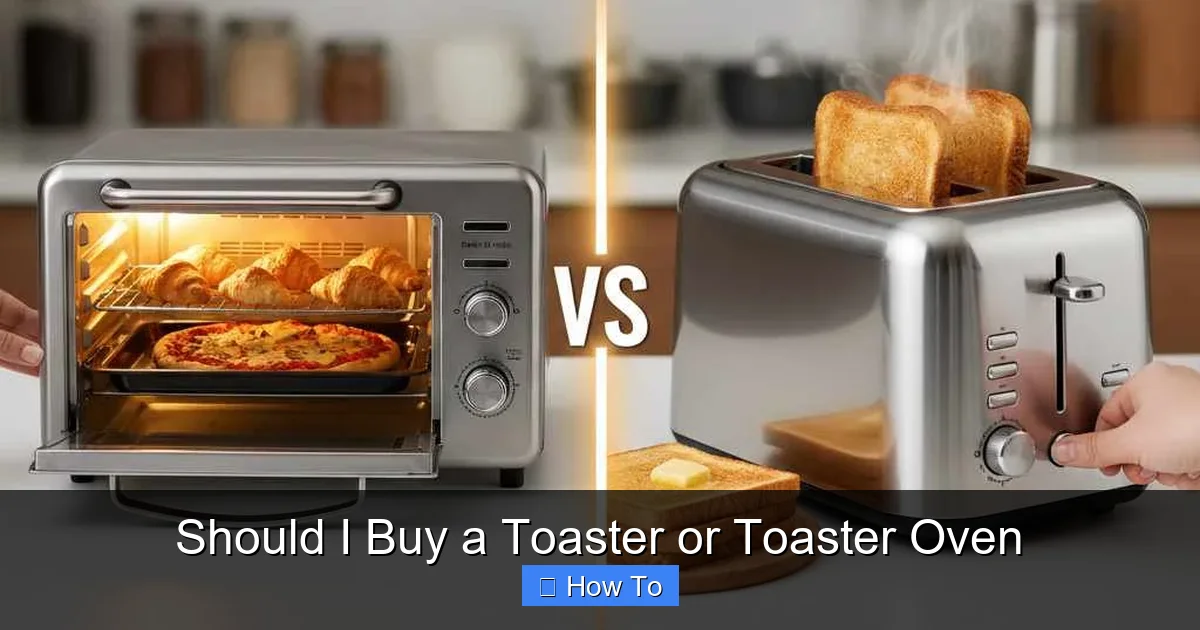
When deciding Should I Buy A Toaster Or Toaster Oven, consider your cooking habits, kitchen space, and budget. A toaster excels at quick bread browning, while a toaster oven offers versatility for baking, broiling, and reheating. Choose the appliance that matches your needs for the best kitchen experience.
Key Takeaways
- Functionality: A toaster is designed primarily for browning bread, bagels, and pastries quickly and evenly.
- Versatility: A toaster oven can bake, broil, toast, reheat, and even roast small meals, making it a multi‑purpose countertop appliance.
- Space & Cost: Toasters are usually smaller, lighter, and less expensive than toaster ovens.
- Energy Use: Toasters consume less energy for simple toast tasks, while toaster ovens use more power but replace a full‑size oven for small jobs.
- Cleaning: Toasters often have removable crumb trays that are easy to clean; toaster ovens may require wiping interior walls and racks.
- Safety: Both appliances are generally safe, but check the model’s class rating (see Is A Toaster Class 1 Or 2) for electrical safety standards.
📑 Table of Contents
Introduction
Standing in the appliance aisle, many shoppers pause and ask themselves Should I Buy A Toaster Or Toaster Oven? The answer isn’t always obvious because both devices look similar and share the basic function of browning bread. Yet their capabilities diverge significantly, influencing everything from morning breakfast speed to weekend dinner experiments. Understanding those differences helps you pick the tool that truly fits your lifestyle.
In this guide we’ll break down the core functions, advantages, and limitations of each appliance. We’ll explore real‑world scenarios where a simple toaster shines and where a toaster oven becomes indispensable. By the end, you’ll have a clear framework to answer the question Should I Buy A Toaster Or Toaster Oven for your own kitchen.
Understanding the Basics: Toaster vs Toaster Oven
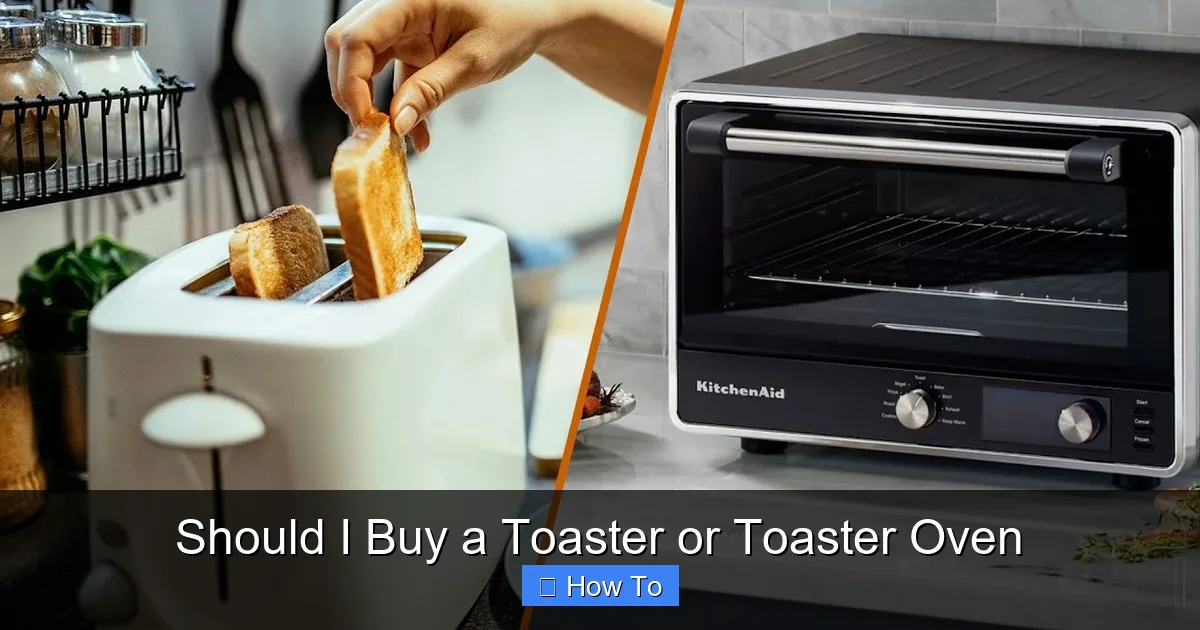
Before diving into pros and cons, it’s useful to clarify what each device actually does. A traditional toaster uses vertical slots and heating elements that toast bread from both sides simultaneously. Its design is optimized for speed and uniformity when dealing with slices of bread, bagels, English muffins, or frozen waffles.
Visual guide about Should I Buy a Toaster or Toaster Oven
Image source: i.ytimg.com
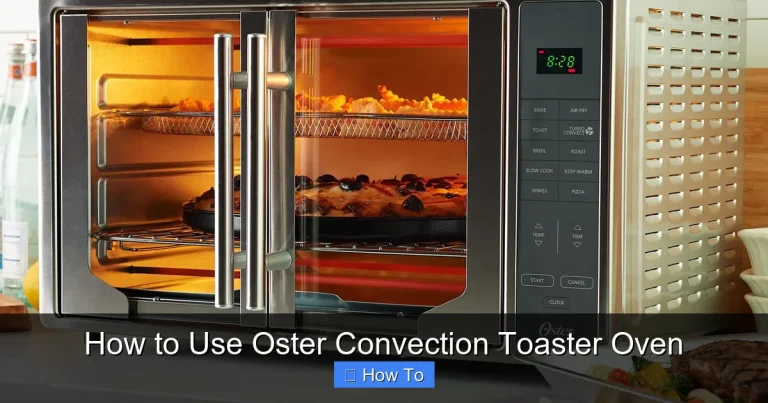
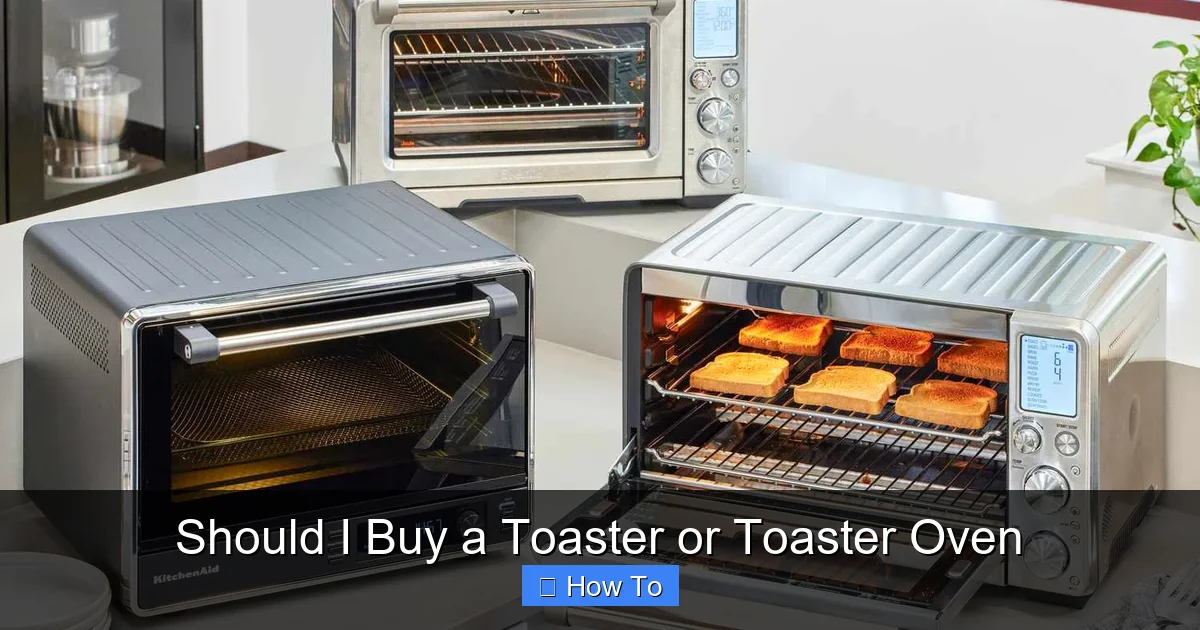
A toaster oven, on the other hand, resembles a miniature conventional oven. It features a front‑opening door, a removable rack, and heating elements located on the top and bottom (sometimes with a convection fan). This configuration allows it to perform tasks beyond toasting, such as baking cookies, broiling fish, reheating pizza, or even roasting vegetables.
When you ask yourself Should I Buy A Toaster Or Toaster Oven, think about the range of foods you prepare regularly. If your routine revolves around quick toast and occasional bagels, a toaster may be sufficient. If you enjoy experimenting with small‑batch baking, need a backup for oven‑sized dishes, or want an appliance that can handle multiple cooking methods, a toaster oven offers greater flexibility.
Pros and Cons of a Toaster
Advantages of a Toaster
One of the biggest strengths of a toaster is its simplicity. With just a lever or button, you can have perfectly browned toast in under two minutes. This speed makes it ideal for busy mornings when every second counts. Because the heating elements are confined to the slots, energy consumption stays low for the task at hand.
Visual guide about Should I Buy a Toaster or Toaster Oven
Image source: seriouseats.com
Toasters are also compact and lightweight. They fit easily on a small countertop or can be stored in a cabinet when not in use. Their modest price point—often ranging from $20 to $80—makes them an affordable entry‑level appliance for first‑time buyers or those on a tight budget.
Cleaning is straightforward. Most models include a removable crumb tray that slides out for quick disposal of debris. The exterior can be wiped down with a damp cloth, and there are no interior racks or walls that require scrubbing.
Disadvantages of a Toaster
The primary limitation of a toaster is its narrow functionality. It excels at browning bread‑based items but cannot bake, broil, or reheat foods that don’t fit into the slots. Attempting to toast thicker items like artisan breads or thick bagels may result in uneven browning or require manual flipping.
Capacity is another constraint. Even the longest‑slot toasters usually accommodate only two slices at a time. For larger households or when preparing breakfast for a crowd, you may find yourself making multiple batches, which can be frustrating.
Finally, toasters offer little room for culinary creativity. If you enjoy experimenting with recipes that require precise temperature control or a larger cooking surface, a toaster will feel limiting.
Pros and Cons of a Toaster Oven
Advantages of a Toaster Oven
The hallmark of a toaster oven is versatility. With temperature settings that often range from 150°F to 450°F, you can toast, bake, broil, reheat, and even dehydrate foods. This makes it a valuable supplement—or sometimes a replacement—for a full‑size oven, especially in small kitchens, dorm rooms, or offices.
Visual guide about Should I Buy a Toaster or Toaster Oven
Image source: cdn.shouldit.com
Capacity is significantly greater than a traditional toaster. Most models can accommodate a 9‑inch pizza, a small casserole dish, or up to six slices of bread on a rack. This means you can feed a family without constantly shuffling batches.
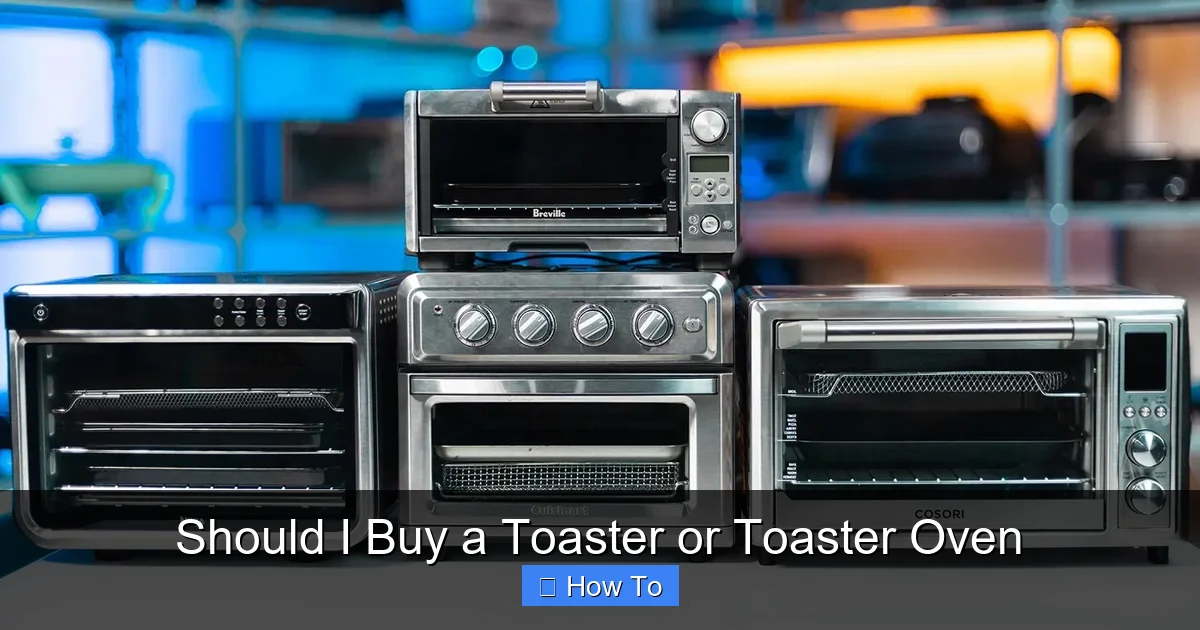
Many modern toaster ovens include convection fans that circulate hot air, resulting in faster and more even cooking. This feature is particularly useful for baking cookies or roasting vegetables, where consistent heat distribution matters.
When considering Should I Buy A Toaster Or Toaster Oven, note that a toaster oven can also handle tasks like melting cheese on nachos, finishing a steak with a quick broil (see How To Cook A Steak In The Toaster Oven), or warming leftovers without soggy microwave texture.
Disadvantages of a Toaster Oven
Despite its flexibility, a toaster oven is generally larger and heavier than a pop‑up toaster. It requires more countertop real estate and may be cumbersome to move if you need to store it away.
Energy consumption is higher for tasks that a simple toaster could handle. For example, toasting two slices of bread in a toaster oven may use more electricity than a dedicated toaster because the oven must heat a larger cavity.
Cleaning can be more involved. While many models feature removable racks and crumb trays, the interior walls and ceiling may accumulate splatters that need occasional scrubbing. Some users also find the door glass prone to streaks.
Price points vary widely. Basic toaster ovens start around $50, but high‑end models with convection, digital controls, and accessories can exceed $200. If your primary need is just toast, investing in a premium toaster oven may not be cost‑effective.
When to Choose a Toaster
If your daily routine centers around quick breakfast items—think toast, English muffins, frozen waffles, or bagels—a toaster is often the better answer to Should I Buy A Toaster Or Toaster Oven. Its speed and low energy draw make it ideal for rushed mornings.
Small kitchens with limited counter space benefit from the compact footprint of a toaster. You can tuck it away in a cabinet when not in use, keeping your workspace clear for food preparation.
Budget‑conscious shoppers will appreciate the lower upfront cost. Even a reliable mid‑range toaster delivers excellent performance without the extra features you might never use.
Additionally, if you prefer minimal cleaning effort, the simple crumb‑tray system of a toaster reduces maintenance time compared to wiping down an oven interior.
Finally, consider a toaster if you rarely need to bake or broil anything beyond bread‑based items. In that case, the added versatility of a toaster oven would go underutilized.
When to Choose a Toaster Oven
Answering Should I Buy A Toaster Or Toaster Oven leans toward a toaster oven when you want an appliance that can do more than just toast. If you enjoy baking small batches of cookies, muffins, or scones, the even heat and temperature control of a toaster oven produce better results than a pop‑up model.
For those who frequently reheat leftovers—pizza, fried chicken, or casseroles—a toaster oven restores crispness and texture that a microwave often sacrifices. The ability to broil also opens up quick finishing techniques for fish, steak, or vegetables.
Small living situations, such as studio apartments, dorm rooms, or RVs, often lack a full‑size oven. A toaster oven can serve as a primary cooking tool for meals that would otherwise require a trip to a communal kitchen or takeout.
If you entertain guests occasionally, having a toaster oven lets you warm appetizers, keep dishes hot, or bake a small dessert without heating up your main oven and warming the whole house.
Lastly, consider a toaster oven if you value future flexibility. Even if your current needs are modest, owning a versatile appliance means you’re prepared for new recipes, dietary changes, or cooking experiments down the line.
Making the Final Decision: Factors to Consider
Assess Your Cooking Habits
Start by listing the foods you prepare most often. If toast and similar items dominate, a toaster satisfies the core need. If you regularly bake, broil, or reheat non‑bread foods, a toaster oven adds meaningful utility.
Measure Your Counter Space
Use a tape measure to check the available area. A typical two‑slice toaster occupies about 7 inches wide by 8 inches deep. A midsize toaster oven can be 14–16 inches wide and 10–12 inches deep. Ensure you have room for ventilation and easy access.
Set a Budget
Determine how much you’re willing to spend. Remember to factor in long‑term value: a toaster that lasts five years and does its job well may be preferable to a cheaper toaster oven that you rarely use beyond toast.
Think About Energy Efficiency
For simple toast tasks, a toaster uses less electricity. If you plan to use the appliance for longer cooking sessions, the energy difference narrows, and the toaster oven’s versatility may justify the slightly higher draw.
Check Features and Accessories
Look for useful extras like a removable crumb tray, adjustable rack positions, convection fan, preset functions, and easy‑to‑clean interiors. Some models even include a pizza stone or baking pan, enhancing value.
Read Reviews and Warranty Info
Customer feedback can reveal common issues such as uneven toasting, door seal problems, or noisy fans. A solid warranty (at least one year) offers peace of mind.
By weighing these factors, you can confidently answer the question Should I Buy A Toaster Or Toaster Oven and select the appliance that will serve you best for years to come.
Conclusion
Choosing between a toaster and a toaster oven ultimately hinges on how you intend to use the appliance. A toaster delivers unbeatable speed, simplicity, and affordability for everyday bread‑based tasks. A toaster oven expands your culinary horizons with baking, broiling, reheating, and greater capacity, making it a versatile kitchen companion.
Reflect on your typical meals, kitchen layout, budget, and desire for multifunctionality. If you prioritize quick toast and minimal cleanup, a toaster is likely the right pick. If you crave the ability to bake a small pizza, broil a fillet, or reheat leftovers without sacrificing texture, a toaster oven offers the flexibility you need.
Whichever you decide, remember that both appliances have earned their place on countertops worldwide. By matching the tool to your cooking style, you’ll enjoy perfectly toasted bread, delicious small‑batch meals, and the satisfaction of a well‑equipped kitchen.
Frequently Asked Questions
What is the main difference between a toaster and a toaster oven?
A toaster is designed primarily for browning bread‑based items using vertical slots, while a toaster oven functions like a small oven capable of toasting, baking, broiling, and reheating a wider variety of foods.
Can a toaster oven replace a full‑size oven for small meals?
Yes, a toaster oven can handle many small‑meal tasks such as baking cookies, reheating pizza, or broiling fish, making it a practical alternative when you don’t want to heat a large oven.
Is a toaster more energy‑efficient than a toaster oven?
For simple toast tasks, a toaster uses less electricity because it heats a smaller space. For longer cooking sessions, the energy difference narrows, and the toaster oven’s versatility may offset the higher draw.
How often should I clean my toaster or toaster oven?
Empty the crumb tray after each use and wipe the exterior weekly. For toaster ovens, wipe the interior walls and racks as needed, especially after cooking greasy or saucy foods.
Are there safety differences between the two appliances?
Both are generally safe when used according to manufacturer instructions. Checking the model’s safety class (e.g., Is A Toaster Class 1 Or 2) can provide extra assurance about electrical standards.
Which appliance is better for a small kitchen or dorm room?
A toaster saves space with its compact footprint, but a toaster oven offers more cooking versatility in a limited area. Choose based on whether you prioritize saving counter space or having multiple cooking functions.