What Bowl to Use with Immersion Blender
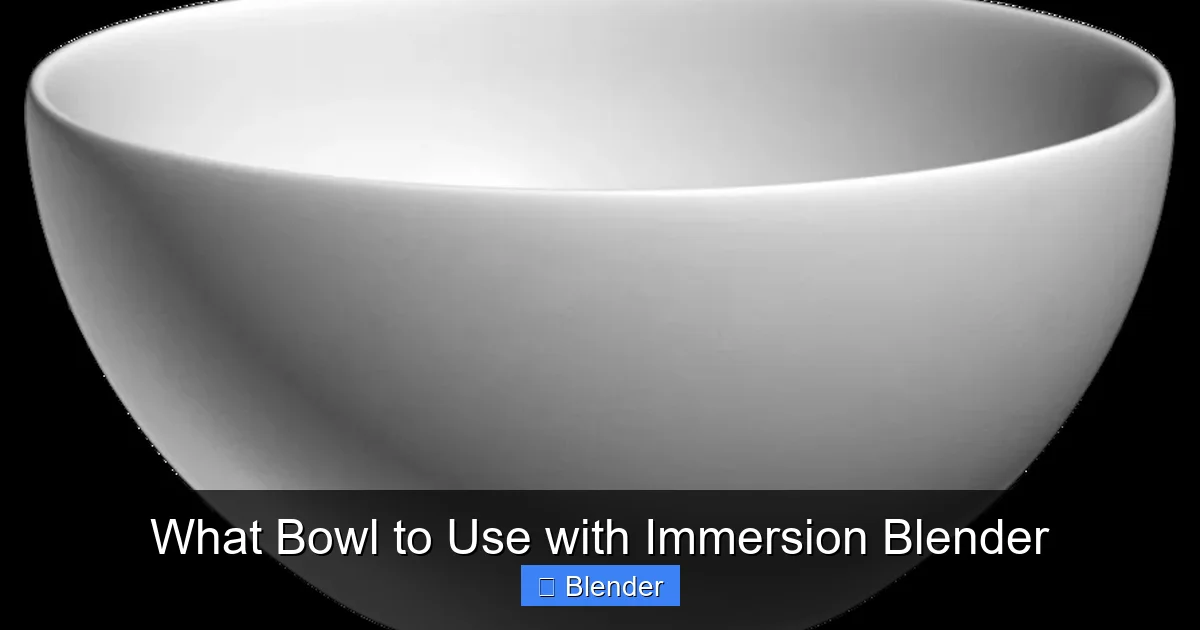
Choosing the right bowl for your immersion blender is key to smooth blending, easy cleanup, and safety. Opt for sturdy, heat-resistant materials like stainless steel or glass, and ensure it’s deep enough to prevent spills. Avoid plastic unless labeled food-safe, as it can melt or warp under high temperatures.
Key Takeaways
- Material matters: Stainless steel and glass are best for durability and heat resistance. Plastic should only be used if marked as food-grade and heat-safe.
- Bowl depth: A deeper bowl (at least 4 inches tall) prevents splashing and ensures all ingredients blend evenly.
- Size matches needs: Choose a bowl that holds your recipe but isn’t so big that it strains the blender’s motor.
- Lid compatibility: Some immersion blenders come with lids; if yours doesn’t, buy one to contain splashes.
- Non-slip grip: Bowls with textured bases or silicone mats stay secure during blending, reducing accidents.
- Ease of cleaning: Smooth, non-porous surfaces (like stainless steel) resist stains and odors better than scratched plastic.
—
[FEATURED_IMAGE_PLACEHOLDER]
📑 Table of Contents
Why Bowl Choice Matters with an Immersion Blender
An immersion blender (also called a stick blender) is a kitchen MVP—it whips soups, sauces, and nut milks in seconds. But without the right bowl, you might face spills, leaks, or even damage. Think of it this way: a mismatched bowl is like trying to drive a car on a bumpy road—it slows things down and risks a wreck.
The good news? Most immersion blender-compatible bowls are affordable and widely available. Whether you’re making healthy recipes or creamy dips, picking the right bowl ensures efficiency and safety. Let’s break it down!
1. Material: What Works Best?
Not all bowls are created equal. Here’s what to look for:
- Stainless steel: The gold standard. Durable, rust-proof, and heats evenly. Great for hot soups and sauces. Pro tip: Look for bowls with silicone grips for a secure hold.
- Glass: Non-reactive and dishwasher-safe. Ideal for blending acidic foods (tomato sauces, citrus juices). Just avoid sudden temperature changes (like putting hot soup into cold water).
- Plastic: Only use if marked “food-grade” and heat-resistant. Cheap options may melt or scratch over time. Stick to clear plastic for visibility when blending.
Avoid: Metal with rough edges (can damage blades) or thin plastic (may crack).
2. Size & Depth: Finding Your Match
Bowls come in various sizes—from tiny 1-cup cups to large 4-quart containers. Here’s how to choose:
- Recipe volume: Measure your ingredients first. A 3-cup bowl works well for small batches (e.g., pesto), while a 6-cup bowl suits thick mixtures (mashed potatoes).
- Height: Aim for at least 4 inches of depth to prevent splashes. Low-sided bowls are great for quick blends but risky with liquids.
- Motor power: Overloading the blender can strain the motor. If your recipe calls for more liquid, opt for a larger bowl instead of adding extra.
- Built-in lids: Essential for containing splashes (especially when blending hot liquids). Many premium models include these.
- Silicone handles: Prevent slips and burns. Check for ergonomic designs if you’ll be blending often.
- Stackable storage: Space-saving if you have multiple bowls. Look nesting designs.
- Dry immediately: Water spots or mineral buildup can stain stainless steel.
- No harsh chemicals: Vinegar or baking soda sprays work wonders for residue.
- Check blade alignment: If blending thick mixtures, ensure the blade isn’t scraping the bottom.
- Mixing materials: Don’t place a plastic bowl on a hot stove—it could warp.
- Ignoring weight: Heavy bowls (like cast iron) can be hard to maneuver with wet hands.
- Overcrowding: Too many ingredients at once reduce blending efficiency. Pulse in layers.
3. Special Features to Consider
Some bowls add convenience:
4. Cleaning & Maintenance Tips
Easy cleanup means fewer frustrations:
5. Common Mistakes to Avoid
Best Bowls for Different Uses
Here are tailored recommendations based on your needs:
Visual guide about What Bowl to Use with Immersion Blender
Image source: pngall.com
| Creamy Soups & Sauces | Stainless steel (4-6 quarts) with lid. Heat-resistant and easy to clean. |
| Nut Milks & Smoothies | Glass (2-3 quarts). Clear design lets you monitor progress. |
| Quick Dips & Dressings | Small plastic (1-2 cups). Affordable for single servings. |
Where to Buy: Budget-Friendly Options
You don’t need to splurge! Check stores like Amazon, Target, or Bed Bath & Beyond for sets. Look for bundles with multiple bowls (e.g., 1 quart + 3 quart). For example, a stainless steel set from a reputable brand costs under $30 and lasts years.
Visual guide about What Bowl to Use with Immersion Blender
Image source: m.media-amazon.com
Final Thoughts
Your immersion blender deserves a bowl that matches its versatility. With the right choice—whether it’s a heavy-duty stainless steel container or a glass pitcher—you’ll enjoy faster prep, less cleanup, and fewer kitchen disasters. Happy blending!
Frequently Asked Questions
Can I use any bowl with my immersion blender?
No. Always check the manufacturer’s guidelines. Most recommend food-safe, heat-resistant materials like stainless steel or glass. Avoid metal with sharp edges or plastic that isn’t labeled heatproof.
What’s the difference between a blender bowl and an immersion blender bowl?
Blender bowls are wide-bottomed for countertop blenders, while immersion blender bowls are taller and narrower to fit the stick’s shape. They’re designed for portability and control.
How do I clean an immersion blender bowl after use?
Rinse with warm water immediately to prevent residue buildup. For tough stains, soak in warm, soapy water or use baking soda paste. Dishwasher-safe options are ideal for busy kitchens.
Are there eco-friendly bowl options?
Yes! Look for recycled glass or bamboo-based composites. Brands like Pyrex offer durable, sustainable choices. Just ensure they’re compatible with your blender’s temperature range.
Can I reuse a plastic bowl if it has scratches?
Scratches harbor bacteria. Replace it if the surface looks pitted or stained. Glass or stainless steel is safer long-term.
What size bowl do I need for a family recipe?
For a 4-person meal, aim for a 4- to 6-quart bowl. If blending multiple ingredients (e.g., veggies + broth), measure total volume beforehand.