What Does the Numbers on the Toaster

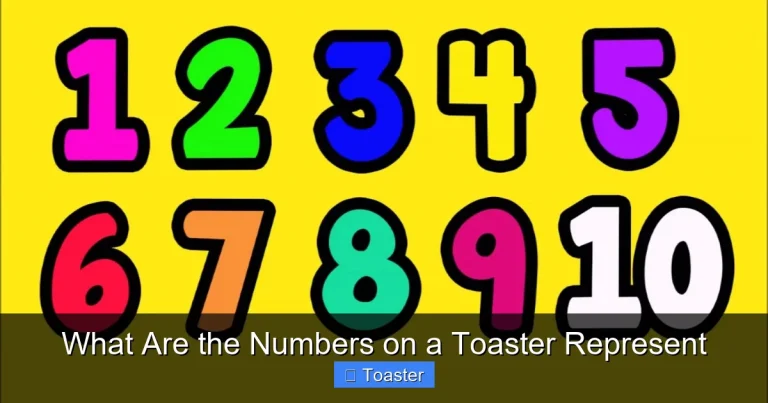
Numbers on a toaster typically represent browning levels (1-5), with higher numbers producing darker, crispier toast. They also often include safety features like auto shut-off and timer settings for precise cooking.
Key Takeaways
- Browning Levels: Numbers 1-5 control how dark your toast gets—lower for light, higher for crunchy.
- Safety Features: Modern toasters use these numbers to activate auto shut-off or prevent overcooking.
- Timer Settings: Some models let you set cook time in minutes alongside the browning level.
- Customization: Adjust based on bread type (e.g., whole wheat may need lower settings).
- Troubleshooting: If numbers don’t respond, check power supply or reset the toaster.
- Maintenance Tips: Clean crumb trays regularly to avoid malfunctions linked to sensor errors.
—
## Main Content
### What Are the Numbers on My Toaster?
Ever wondered why your toaster has those little dials with numbers? Those aren’t just random markings—they’re your secret weapon for perfect toast every single day. Think of them as a chef’s scale: a number 1 might give you a pale, slightly soft piece, while a number 5 delivers golden, crispy perfection. But there’s more to it than meets the eye!
#### The Browning Scale Explained
Most toasters use a simple numbering system:
– 1: Lightly toasted (ideal for delicate pastries or quick snacks).
– 3: Medium brown (the default for most white bread).
– 5: Dark, crunchy (great for buttery bagels or breakfast sandwiches).
For example, if you’re toasting sourdough, start at 2–3 because its dense texture needs gentler heat. Whole wheat bread? Try 3–4. Pro tip: Test different settings on stale bread to dial in your favorite browning level!
#### Hidden Features: Auto Shut-Off and Timers
Advanced toasters blend these numbers with smart tech:
– Auto Shut-Off: Prevents burning by turning off after a set time (often triggered by the highest setting).
– Timers: Some models allow you to input minutes (like “toast for 90 seconds”) alongside the browning dial. Check your manual—this is a game-changer for busy mornings!
### Why Do Numbers Vary Between Toasters?
Not all toasters are created equal. Brands like Breville or Cuisinart might use a 7-step scale (1–7) instead of 1–5. Here’s what to look for:
– Consistency: A well-designed toaster will produce uniform results across all settings.
– Material Matters: Stainless steel interiors heat evenly, avoiding uneven browning (a common issue with cheaper plastic models).
If you’re curious about other kitchen gadgets, Vitamix blenders also have numbered settings for blending intensity—similar logic applies!
### How to Use Numbers Like a Pro
#### Common Mistakes to Avoid
– Overcrowding: Don’t jam 8 slices in—it skews heat distribution, leading to uneven toast.
– Ignoring Crumb Trays: Clogged sensors can cause erratic behavior (clean weekly!).
– Mixing Bread Types: Switching from baguette to sourdough mid-cycle? Reset the toaster.
#### Advanced Tips
– Toast-and-Cut Method: Set to medium (3), pull out halfway, slice, then press down again for even cooking.
– Butter Smartly: Apply butter *after* toasting to keep it spreadable (not melted).
### Troubleshooting: When Numbers Don’t Work
Frustrating? You’re not alone. Here’s how to fix issues:
1. Power Issues: Ensure the plug is secure (try another outlet).
2. Sensor Problems: Unplug, clean the interior, then restart.
3. Burning Smell: Unplug immediately—this could mean a wiring fault (like a blender overheating).
### Cleaning and Maintenance
Keeping your toaster happy means:
– Daily: Wipe the exterior with a damp cloth.
– Weekly: Empty the crumb tray; use a toothpick to remove stuck bits.
– Monthly: Disassemble removable parts (check manual!) and soak in warm soapy water.
### Beyond Toast: Creative Uses
Numbers unlock more than bread:
– Cooking Eggs: Use a toaster oven’s settings for sunny-side-up eggs.
– Reheating: Crisp up leftover pancakes at setting 2–3.
– Art Projects: Turn it into a DIY popcorn machine (yes, really!).
### Final Thoughts
The numbers on your toaster are far from arbitrary—they’re tiny geniuses that elevate your mornings. Whether you’re a toast rookie or a seasoned chef, mastering these settings ensures you never wake up to undercooked (or burnt) breakfast again. Now go forth and toast with confidence!
—
### FAQs
What do the numbers on a toaster mean?
They control the browning intensity (1 = light, 5 = dark). Higher numbers crank up heat for crunchier results, while lower settings are gentler for delicate bread types.
Can I adjust the numbers for different bread types?
Absolutely! Sourdough needs 2–3, whole wheat 3–4, and bagels 4–5. Experiment to find your sweet spot.
Do all toasters have the same number range?
No. Some use 1–5, others 1–7. Check the manual for specifics—consistency matters!
Why does my toaster stop working after high settings?
It’s likely an auto-shutoff feature for safety. Let it cool down before retrying.
How often should I clean my toaster?
Wipe daily, deep-clean weekly, and inspect monthly to prevent clogs and sensor errors.
Can I use my toaster for non-bread items?
Cautiously! Small, dry foods like marshmallows work, but avoid wet items (risk of fire).
This is a comprehensive guide about What Does The Numbers On The Toaster.
Key Takeaways
- Understanding What Does The Numbers On The Toaster: Provides essential knowledge
Frequently Asked Questions
What is What Does The Numbers On The Toaster?
What Does The Numbers On The Toaster is an important topic with many practical applications.